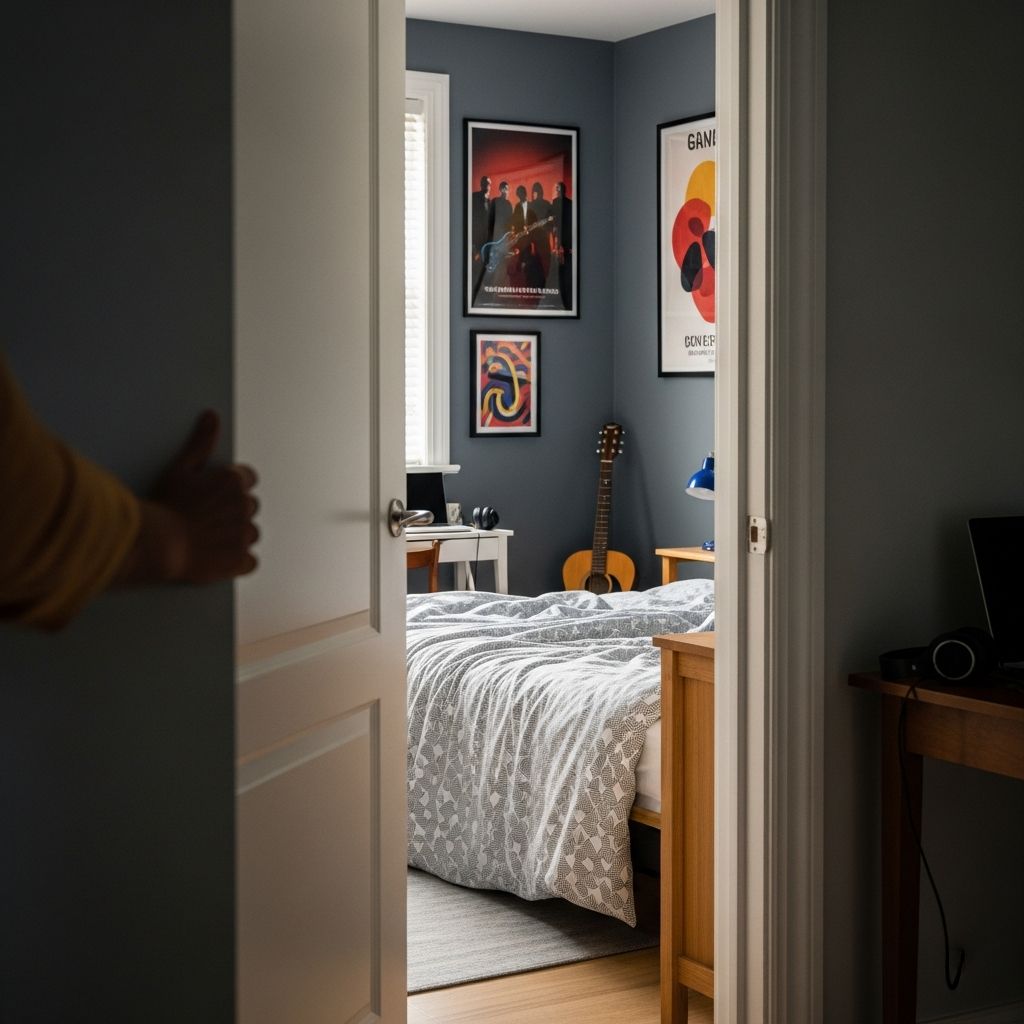
Every parent of a teenager eventually discovers a new superpower they never asked for: the ability to cause instant embarrassment just by existing nearby. Yet embarrassment is not a sign that you are a bad parent; it is usually a sign that your child is growing, noticing how others see them, and trying to define who they are apart from you.
This guide will help you understand what is really happening when your teen cringes at you, and offer specific ways to stay lovingly involved without smothering, spotlighting, or socially sinking them.
Why Teens Cringe at Their Parents
To stop embarrassing your teen, it helps to understand why embarrassment feels so intense at this age. During adolescence, peers become a central reference point, so anything that might threaten a teen’s carefully protected image can feel huge, even if it seems trivial to adults.
Embarrassment is often less about what you actually did and more about how your teen imagines others might interpret it. For them, your behavior can feel like a direct reflection on their maturity, their social status, and even their belonging in a group.
- Heightened self-consciousness: Teens are acutely aware of how they appear, sound, dress, and move.
- Fear of rejection: They worry that one misstep will cost them friends, respect, or acceptance.
- Growing independence: They need to feel separate from you in order to figure out who they are.
- Emotional intensity: A small moment for you can feel like a social disaster to them.
Common Ways Parents Embarrass Teens (Often Without Realizing)
Most parents do not set out to embarrass their kids; they are trying to show affection, enthusiasm, or concern. The problem is that the setting and audience matter a lot more to teens than to adults.
Below are some frequent missteps that seem harmless from a parent’s point of view but can feel mortifying to a teenager in public or online spaces.
| Parent Behavior | How It May Feel to Your Teen |
|---|---|
| Overly loud cheering, waving, or calling out their name in public | “Everyone is staring at us; I look childish and uncool.” |
| Commenting on their love life or friendships in front of others | “My private world is being exposed without my consent.” |
| Posting their photos or stories online without asking | “I have no control over my image and my boundaries don’t matter.” |
| Trying too hard to use teen slang or act like one of their friends | “My parent is trying to be someone they’re not, and it feels inauthentic.” |
| Teasing them about appearance, grades, or crushes | “My insecurities are entertainment; I’m not being taken seriously.” |
Recognizing these triggers is not about walking on eggshells; it is about understanding where your teen’s social “sore spots” are so you can avoid stepping on them when it is avoidable.
Reading Your Teen’s Social Comfort Signals
Every teen is different. Some are happy to wave at you across a crowded gym; others would prefer to pretend you are a distant cousin they barely know. Instead of assuming, make a habit of reading and respecting their cues.
Look beyond their words and pay attention to body language and behavior. A teen who stiffens, pulls away, or answers in one-word replies around their peers is sending a clear signal that they feel on display.
- Notice when they become quieter or physically distant as friends approach.
- Watch for eye-rolling, forced laughs, or avoiding introductions when you speak.
- Pay attention to situations they repeatedly complain about (for example, being hugged in public or tagged in certain posts).
- Ask them privately afterward how something felt and really listen to their answer.
Affection Without Unwanted Spotlight
Many parents worry that if they stop being outwardly affectionate in public, they will lose connection with their teen. In reality, shifting how you show affection — not whether you show it — is what helps your teen feel both loved and respected.
Think of it as moving from center stage to side stage. You are still present, supportive, and caring, but in a way that does not shine a bright social spotlight on them when they do not want it.
Public Affection: Renegotiating the Rules
Instead of guessing, treat public affection as something you and your teen can renegotiate together. This way you keep the warmth while updating the script to fit their growing need for autonomy.
- Ask what they are okay with at school, sports events, or social gatherings.
- Use subtle signals: a thumbs-up, a quick smile, or a quiet “nice job” as they pass.
- Shift big displays of affection to private spaces like home or the car.
- Accept that what they are comfortable with may change over time and check in regularly.
Private Moments Still Matter
When public affection becomes tricky, private connection grows more important than ever. Teens may push away at the front door but seek you out later in the kitchen, hallway, or their room when the audience is gone.
- Offer a hug or a pat on the shoulder when you are alone, without making a big production of it.
- Use everyday rituals — late-night snacks, rides in the car, quick check-ins before bed — to say the things you skip in public.
- Let them initiate affection sometimes, even if it comes at unexpected times.
Social Media, Photos, and Your Teen’s Digital Image
For many teens, their online presence is as important as their offline reputation. What parents see as a cute throwback photo or funny story can feel like a permanent digital stain to a teen who is trying to shape how the world sees them.
Respecting their digital boundaries shows that you take their privacy and personhood seriously, not just within your home but in the public square of the internet.
- Ask before posting any photo, video, or quote that includes them.
- Give them veto power over photos they dislike, even if you think they are adorable.
- Avoid sharing personal struggles, academic issues, or private jokes without consent.
- Discuss what kind of online footprint they want and how your posts can support that.
When Supporting Turns Into Spotlighting
Cheering them on is part of your job, but it is easy to slide from “supportive” into “spectacle” in environments where peers are watching. The goal is to be present and encouraging without making your teen feel like their parent is the main event.
Think about how your words and volume land not only on your teen but on the group around them. A quiet word or small gesture at the right moment often means more than a loud declaration.
- Keep praise specific and brief during events; save the detailed compliments for the car ride home.
- Avoid narrating their performance to other parents in earshot of your teen.
- Don’t single them out loudly in a crowd unless you are absolutely sure they are comfortable with it.
- Offer help (rides, snacks, support) without insisting on lingering in the middle of their social circle.
Respecting Boundaries Around Friends and Social Life
Teens often feel most vulnerable when they are around friends or potential romantic interests. This is where even innocent questions can feel invasive or humiliating, especially when asked in front of others.
By treating their social world as a space you are invited into — not one you automatically control — you show that you recognize their growing independence.
Do’s and Don’ts Around Their Friends
- Do greet their friends warmly but briefly.
- Do use their friends’ names if you know them, then step back and give the group space.
- Do offer rides, snacks, or a safe place to hang out without hovering.
- Don’t ask about grades, crushes, family conflicts, or body changes in front of peers.
- Don’t retell childhood stories or show baby photos without your teen’s permission.
- Don’t correct or criticize them in the presence of their friends unless safety is at risk.
Letting Them Lead the Level of Contact
Some teens want their parents fully integrated into their social circle, while others prefer a quiet, background presence. Whenever possible, let them set the tone for how visible you are when their friends are around.
- Ask in advance how involved they want you to be at parties, practices, or events.
- Accept that “please don’t talk to me much during lunch” is not rejection of you as a person; it is a request for space during a socially intense moment.
- Reassure them that you will show up and support them, but you will do your best not to steal the scene.
Balancing Authenticity and Trying to Be “Cool”
Many parents respond to their teen’s embarrassment by trying harder to be cool, only to discover that nothing raises the cringe factor faster than a forced attempt at trendiness. What most teens actually want is a parent who is steady and genuine, not a middle-aged imitation of their friends.
Your teen does not need you to know every meme or catchphrase; they need you to be a consistent, trustworthy adult whose sense of self does not depend on applause from their peer group.
- Be curious about their world without pretending to already be an expert.
- Ask them to explain music, shows, or games they enjoy instead of faking familiarity.
- Use your normal way of speaking; avoid overusing slang you just learned.
- Remember that your role is parent, not peer; you can be warm and fun without abandoning boundaries.
Repairing Things When You Do Embarrass Them
No matter how careful you are, there will be times when you misread the situation and your teen feels exposed. The good news is that how you respond afterward can turn the moment into either a lingering wound or a building block of trust.
Admitting missteps models humility and shows your teen that even adults are still learning. It also teaches them how to handle their own embarrassing moments with grace.
Simple Steps to Make Amends
- Check in privately and acknowledge what happened without minimizing it.
- Listen to their version of events without jumping to defend yourself.
- Offer a sincere, concise apology if you crossed a line.
- Ask what would help them feel more comfortable next time in a similar situation.
- Follow through on any agreements you make about future boundaries.
Protecting Without Overcontrolling
One of the hardest balances in parenting teens is keeping them safe without constantly embarrassing them by stepping in too loudly or too often. Protection does not always require public intervention; many of the most effective safety steps are subtle and invisible to peers.
Think of yourself as the safety net under a tightrope rather than someone shouting instructions from the middle of the rope. You are there, steady and ready, but not blocking their path.
- Set clear rules about curfews, substances, driving, and online behavior at home, not in front of their friends.
- Give them scripts or strategies for getting out of uncomfortable situations without having to involve you publicly on the spot.
- Use private signals (texts, agreed-upon phrases) instead of public scenes when you need to check in.
- Reserve public intervention for situations where health or safety is at stake.
Daily Habits That Reduce Embarrassment and Build Trust
Over time, small everyday choices add up. A teen who consistently experiences respect for their boundaries will usually become more forgiving when you occasionally misstep.
By weaving these habits into daily life, you show your teen that their voice matters and that you are paying attention not just to their behavior, but to how your behavior affects them.
- Ask for their input before big family plans that involve their peers or public appearances.
- Let them choose clothes, hairstyles, and hobbies that feel like “them,” even when they differ from your preferences.
- Speak respectfully about them when they are not around; it tends to get back to them and shapes how safe they feel with you.
- Notice and name their strengths in private conversations, not just in front of an audience.
Frequently Asked Questions
What if my teen is embarrassed by literally everything I do?
Some teens go through a phase where nearly any parental presence feels uncomfortable. That does not mean you should disappear; it means you show up calmly and consistently while trimming back obvious triggers such as loud comments, surprise visits to their lunch table, or frequent social media posts about them. Often, as they mature, the intensity of this phase eases, especially if you avoid turning it into a power struggle.
Am I supposed to stop showing affection in public altogether?
Not necessarily. The key is to ask what they are comfortable with and to be willing to adjust. Some teens are fine with a quick side hug; others prefer a smile or a wave. Your love does not become less real because it becomes more subtle in certain settings — it becomes more attuned.
What if I disagree with their boundaries and think they are overreacting?
It is normal to feel that your teen’s reactions are bigger than the situation deserves, but their feelings are still real. You can both respect their emotional experience and maintain your role as parent. In practice, this might look like honoring their request not to tease them about certain topics in front of friends while still holding firm on rules that keep them safe.
How do I stay involved in school or activities without embarrassing them?
Volunteer, attend events, and communicate with teachers — just without making your teen the center of every interaction. You can sit in the stands, clap respectfully, talk with adults, and support the team without constantly directing attention toward your child. Let them know ahead of time where you will be and what you plan to do, so there are fewer surprises.
Is it okay if we occasionally laugh about embarrassing moments together?
Yes, if your teen is ready to laugh too. Humor can be healing when used gently and with consent. If a situation is still fresh or painful for them, give it time. Later, when they bring it up or seem more relaxed, you can share the story as a reminder that even awkward moments do not define your relationship.
Key Takeaways for Less-Cringe Parenting
Learning to stop embarrassing your teen is less about walking on eggshells and more about practicing empathy. When you treat your teen as a developing individual with real social needs, you create space for trust to grow.
- Listen to their cues about what feels embarrassing and adjust where you reasonably can.
- Show affection in ways that match the context: quieter in public, fuller in private.
- Respect their privacy offline and online, especially around their peers and social media.
- Own it and repair when you get it wrong, modeling the kind of humility and resilience you want them to have.
In the end, your teen does not need a perfect, embarrassment-proof parent. They need a present, teachable, and respectful one who is willing to keep learning alongside them as they grow.