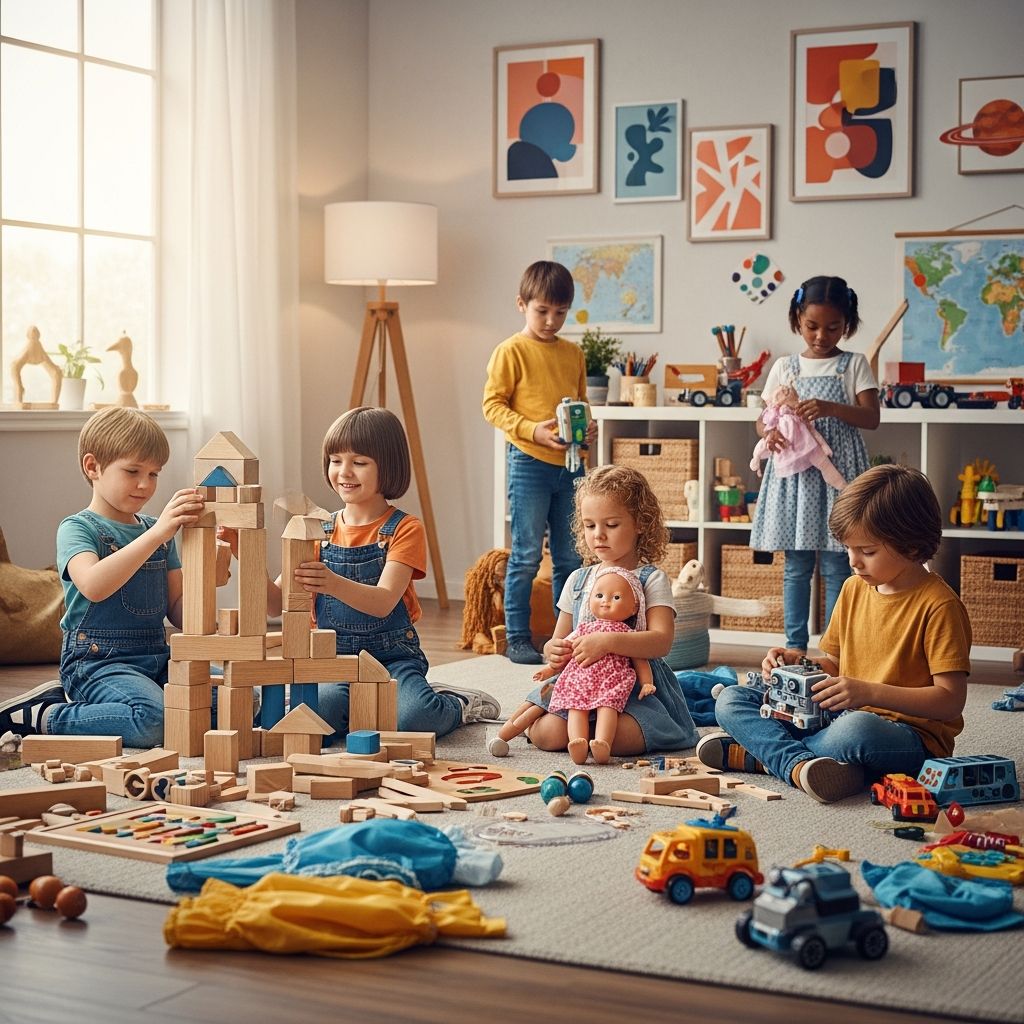
Toddlers throw things—food, toys, cups, even objects that can hurt—and it can push any parent to the edge. At 19 months, your child is not being “bad” on purpose; they are experimenting, overwhelmed by feelings, and still learning self-control. The goal is to keep everyone safe while teaching better behavior without using physical punishment, which research consistently shows is harmful and ineffective over time.
This article offers a complete, practical approach to handling a throwing toddler using calm, respectful discipline. You will learn why physical punishment backfires, what your child’s behavior really means, and specific tools—words, routines, and strategies—you can start using today.
Why Toddlers Throw: What Is Really Going On?
Around 18–24 months, throwing is a normal part of development. Your toddler is discovering that their actions create big reactions: things fall, splatter, break, and get a strong emotional response from adults. They also lack the brain maturity to manage strong impulses and big feelings, so tossing an object can be a quick outlet when they feel frustrated, excited, or tired.
When you understand that throwing is a communication and an experiment—not a moral failure—you can respond with guidance instead of punishment. Your job is to channel this drive into safer behavior and gradually teach self-control.
- Toddlers throw to explore cause and effect.
- They also throw when they are hungry, tired, overstimulated, or seeking connection.
- At 19 months, they understand simple rules but cannot consistently follow them without help.
Why Physical Punishment Makes Throwing Worse
Hitting, spanking, or swatting a child for throwing may stop the behavior in the moment, but it does not teach better choices. Instead, it teaches that big people use their power to hurt when they are upset, which can increase fear, aggression, and resentment. Over time, children who are disciplined physically are more likely to act out, not less, because they have not learned how to handle their feelings or impulses safely.
Physical punishment also damages trust in the parent–child relationship. When children feel unsafe or shamed, they focus on avoiding pain, not understanding or learning. Gentle discipline still includes clear, firm limits—but it separates the behavior from the child’s worth and relies on teaching, not fear.
Core Principles of Gentle Discipline for a 19-Month-Old
Gentle discipline is not permissive or weak. It is firm about boundaries and kind in delivery. For a toddler who throws, the aim is to protect people and property while helping the child feel understood and guided.
- Connection first: A child who feels safe and connected is more open to guidance.
- Calm body, calm voice: Your tone and facial expression teach as much as your words.
- Teach what to do, not just what not to do: Replace throwing with safer actions.
- Repeat, repeat, repeat: Toddlers learn through thousands of gentle, consistent reminders.
Step-by-Step Response in the Moment
When your 19-month-old throws something, you need a simple script for your body and your words. Think of it as a small sequence you repeat every time, so you do not have to decide from scratch while upset.
1. Ensure Safety Immediately
If the object is dangerous (a plate, a block near a sibling’s head, a hard toy), calmly block, move, or take it away. Your first responsibility is to keep everyone safe while trying to stay as neutral as possible on the outside.
- Move your body between your child and another child if needed.
- Gently but firmly remove the object from their hand.
- Say very few words until everyone is safe.
2. Use a Short, Clear Limit
Once the immediate danger is handled, give a brief statement of the rule. At 19 months, shorter is better—few words, simple tone, and repeated consistently.
- “No throwing the cup. Cups stay on the table.”
- “No throwing blocks at people. Blocks are for building.”
- “Throwing hurts. I won’t let you throw that.”
Avoid yelling, lecturing, or long explanations. A tired toddler cannot process a speech; what they need is a calm, steady boundary.
3. Redirect the Throwing Urge
Your child still has the impulse to throw, so you can help by offering an acceptable place for that energy. This is where discipline becomes teaching, not just stopping.
- Provide soft balls or stuffed toys and say, “You can throw these on the floor.”
- Set up a basket and invite, “Let’s throw the soft balls into the basket.”
- Point to a safe area: “Blocks stay here. Balls are for throwing over there.”
4. Follow Through with a Logical Action
If your toddler continues to throw unsafe objects after a clear limit, follow through with a simple, predictable consequence related to the behavior. The goal is not to make them suffer, but to show that choices have outcomes.
- If a cup is repeatedly thrown, end the meal and say, “All done with the cup now.”
- If a hard toy is used to hit or throw at people, put that toy away for a while.
- If they are wildly out of control, move together to a calmer space and stay with them until they settle.
This kind of consequence is different from physical punishment because it is respectful, related to the behavior, and delivered without anger or shame.
Preventing Throwing Before It Starts
The best discipline is often what happens before things go wrong. Small changes to routines, environment, and expectations can greatly reduce the amount of throwing you see.
Adjust the Environment
A 19-month-old has little impulse control, so the environment must carry much of the weight. Make it harder to throw dangerous or breakable items and easier to use safe ones.
- Use unbreakable plates, bowls, and cups during the toddler years.
- Seat your child in a high chair or booster during meals, with only a few items available at once.
- Store heavy or fragile toys and objects out of reach.
- Keep a basket of soft balls, beanbags, or plush toys always available.
Respect Toddler Limits
Much of the wild behavior at this age stems from basic needs. A 19-month-old falls apart quickly when hungry, tired, overstimulated, or bored. Watching for early signs can help you step in before the throwing begins.
- Keep mealtimes frequent and simple; do not expect long table manners yet.
- Limit long outings where your child must sit still with many temptations around.
- Offer physical play every day so they can run, jump, and climb in safe ways.
Sample House Rules for a Throw-Happy Toddler
Family rules help you stay consistent. Even if your child cannot fully repeat them yet, regular phrases build understanding and expectations.
| Family Rule | What You Say | What You Do |
|---|---|---|
| Food stays on the table | “Food stays on the tray. If you throw it, we’re all done.” | End the meal or remove the thrown item after one warning. |
| We don’t throw at people | “No throwing at people. That hurts.” | Move the child or remove the toy; offer soft things to throw elsewhere. |
| Hard toys are for building | “Blocks are for building, not throwing.” | Guide hands to stack, or put blocks away briefly if throwing continues. |
| Balls are for throwing | “Balls are for throwing. Let’s throw them in this area.” | Create a small “throw zone” and practice together daily. |
Staying Calm When You Want to Explode
Parenting a toddler is emotionally intense. When food hits the floor for the fifth time or a toy narrowly misses a sibling, it is normal to feel furious. The key is to prevent your own reaction from becoming part of the problem.
- Pause before you move; take one slow breath in and out.
- Remind yourself, “My child is still learning. I am the adult here.”
- Lower your voice instead of raising it; speak more slowly, not more loudly.
- If you are at your limit and everyone is safe, step back for a few seconds before responding.
Children learn how to manage anger by watching how caregivers handle theirs. Every time you choose not to hit, not to shout, and instead respond firmly and kindly, you are modeling the very self-control you want your child to develop.
Teaching Emotional Skills Alongside Limits
A 19-month-old cannot sit for long conversations, but they can absorb simple emotional language and soothing rituals. Pairing limits with emotional coaching helps reduce throwing that is driven by frustration or overwhelm.
- Label feelings: “You’re mad the toy broke.” “You feel excited.”
- Offer comfort: a hug, a gentle back rub, or sitting together on the floor.
- Show alternatives: “When you’re mad, you can stomp your feet” or “You can say ‘help’.”
- Use simple routines: a short song, a counting game, or a deep breath together before trying again.
Common Situations and How to Handle Them
Throwing Food at Mealtimes
Mealtimes are a prime time for throwing because toddlers get bored fast and love the sensory thrill of splattering food. Plan for short meals and quick, calm responses.
- Offer small portions so there is less to toss at once.
- If they start dropping food, say once: “Food stays on the tray. If you throw, we’re all done.”
- If they throw again, gently remove the tray or plate and end the meal. Stay neutral, not angry.
- Give a snack later if truly hungry, but do not restart the game of throwing.
Throwing Toys at Siblings or Adults
When a toddler throws at people, safety and firm limits come first. You can still stay kind while making it absolutely clear that this is not allowed.
- Physically block the throw or move the sibling if possible.
- State the limit: “No throwing at people. That hurts.”
- Remove hard toys for a short time and offer soft alternatives.
- Stay nearby for a while; close supervision reduces repeat incidents.
Throwing Out of Excitement During Play
Sometimes throwing is a sign your child is thrilled and overstimulated, not angry. You can harness this energy by giving it a safe path.
- Pause the game and reset: “So many throws! Let’s use just the balls for throwing.”
- Change to a more physical activity—dancing, jumping, a short chase game.
- Rotate to calmer play when your child starts looking wild-eyed or out of control.
Frequently Asked Questions
Is a light swat on the hand really that bad?
Many parents were raised with hand-slaps or quick swats and feel they “turned out fine,” so it can be hard to believe these actions are harmful. Even mild physical punishment, however, pairs learning with pain and fear instead of understanding. Over time, this can undermine trust, increase anxiety, and model that hitting is an acceptable response to frustration.
Research consistently finds no long-term benefits of physical punishment and many links to worse behavior, more aggression, and poorer emotional health. Teaching through calm limits, natural consequences, and connection is slower but far more effective in helping children develop real self-control and empathy.
My child laughs when I say no. Does that mean I have to be harsher?
Toddlers often laugh when they feel nervous, overstimulated, or unsure, not because they are mocking you. At 19 months, a child may giggle when corrected simply because they do not know what else to do with their feelings.
You do not need to become harsher; you need to become more consistent. Keep your face calm, repeat the same short limit, and follow through with the same simple action each time. Over days and weeks, your predictable response teaches that the boundary is real, without needing to scare or hurt your child.
What if nothing I do seems to work?
Change is slow at this age. A strategy that “works” does not mean the behavior disappears; it means it gradually happens less often and is easier to redirect. You may not see clear progress for several weeks of steady, calm repetition.
If throwing is extreme, constant, injuring others, or paired with other concerning behaviors, consider consulting a pediatrician or child development specialist. Additional stressors, developmental differences, or sensory needs can intensify throwing, and early support can help you tailor strategies to your specific child.
Putting It All Together
Parenting a 19-month-old who loves to throw is demanding, but it is also an opportunity. Every time you respond without physical punishment—choosing instead to protect, guide, and connect—you are shaping your child’s view of themselves and of relationships. They learn that mistakes are met with boundaries and support, not fear and pain.
Over time, the combination of a safer environment, clear rules, consistent follow-through, and emotional coaching will reduce dangerous throwing and strengthen your bond. Gentle discipline is not about being perfect; it is about returning, again and again, to the values you want your child to grow up with: respect, self-control, and kindness.