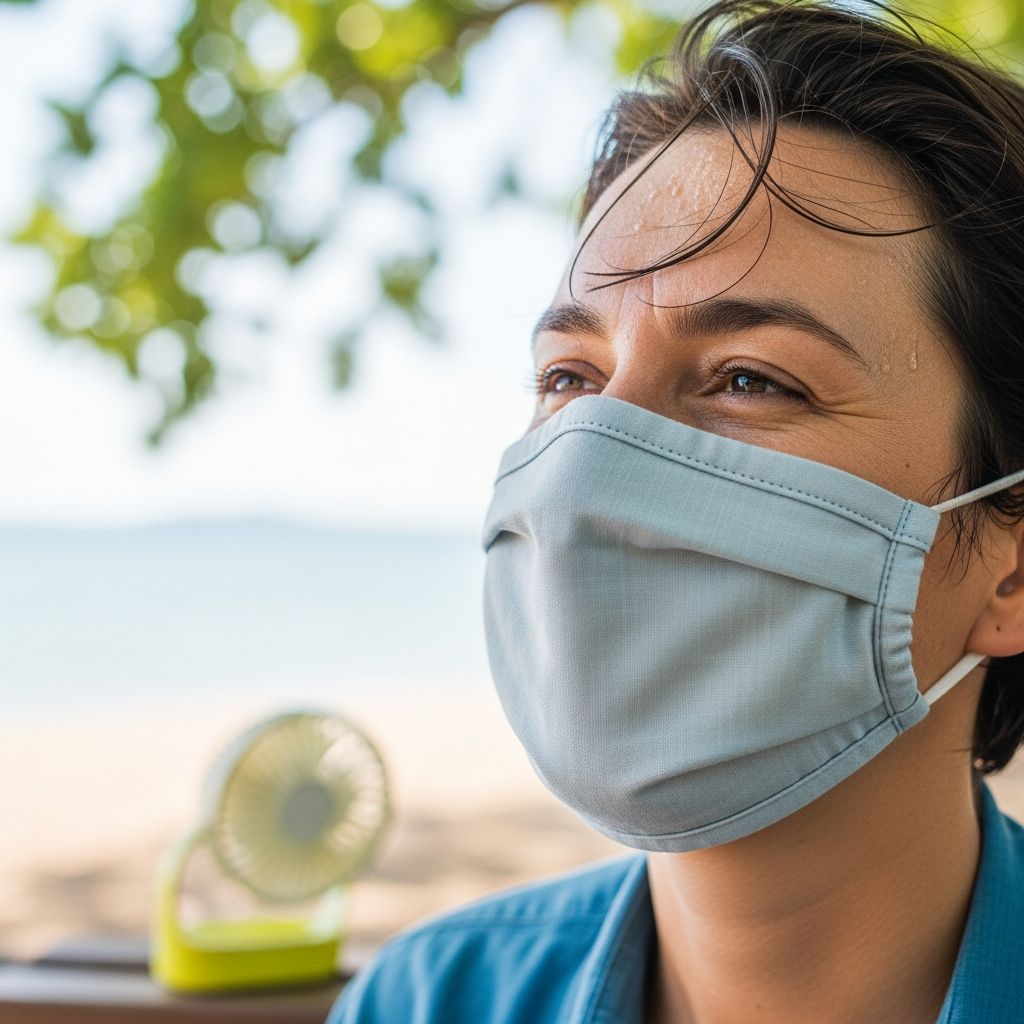
Face masks remain a key tool for health protection in crowded or indoor settings, but high temperatures can make them feel stifling. Rising humidity and sweat exacerbate discomfort, potentially leading to dehydration or reduced compliance. This guide offers science-backed methods to enhance breathability, manage moisture, and maintain overall well-being while masked.
Selecting the Ideal Mask Material for Heat Tolerance
Material choice profoundly impacts how cool you feel. Breathable fabrics like tightly woven cotton excel by allowing air circulation while filtering droplets effectively. Research from the University of Illinois highlights that two-layer cotton masks, such as those from T-shirts, rival surgical masks in filtration yet offer double the breathability.
Avoid synthetic-heavy options like N95s for prolonged hot exposure unless necessary, as they trap heat and moisture. Opt for blends with up to 40% polyester if pure cotton isn’t available, but prioritize natural fibers for superior wicking. Light colors, such as white or pastels, reflect sunlight better than dark hues; tests show black masks reaching 105°F versus 94°F for light blue on a 78°F day.
- Cotton or cotton blends: Absorb sweat, promote airflow.
- Bamboo or hemp: Hold up to three times more moisture than cotton, ideal for humid climates.
- Light shades: Minimize heat absorption during outdoor activities.
Mastering Proper Fit to Maximize Airflow
A well-fitted mask seals tightly at the edges but leaves space over the nose and mouth for breathing room. Snug side seals prevent gaps for exhaled air, while inner looseness avoids restricting inhalation. Adjustable nose wires and soft ear loops enhance this balance, reducing fogging and pressure.
Overly tight masks increase CO2 buildup and heat, prompting quicker fatigue. Test fit by speaking comfortably without lip contact with the fabric. For extended wear, softer linings like those in specialized active masks provide UV protection alongside ventilation.
Carry Extras: Swap Out for Fresh Protection
Sweat-soaked masks lose efficacy and irritate skin as dampness fosters bacterial growth. Health experts recommend packing 2-3 spares for all-day use, swapping every 1-2 hours or when wet. Store used ones in breathable paper bags, not plastic, to dry en route.
Washable options like cotton or hemp dry quickly after laundering in hot water with detergent or a bleach solution, per CDC guidelines. Air-dry in sunlight for added sanitization. This rotation keeps protection high and comfort steady.
Hydration and Body Cooling Essentials
Masks can trick you into under-drinking, as covered mouths reduce sipping cues. In heat, aim for 11.5 cups daily for women and 15.5 for men, sipping frequently through a straw if needed. Dehydration amplifies heat stress, raising risks of dizziness or exhaustion.
Cool the body holistically with loose, lightweight clothing in breathable fabrics. Cooling towels, sprays, or neck ice packs draw heat away without wetting the mask—apply carefully to avoid face touching. Stay shaded, limit sun exposure, and choose ventilated spots to evaporate sweat naturally.
| Quick Cooling Aids | Benefits | Usage Tips |
|---|---|---|
| Handheld fan | Circulates air, evaporates moisture | Use in open spaces, away from crowds |
| Damp cloth on neck | Lowers core temperature | Wring out excess water first |
| Cooling towel | Reusable, evaporative cooling | Soak, wring, snap to activate |
| Ice pack | Rapid heat relief | Wrap in cloth, avoid direct skin |
Strategic Timing and Breaks for Endurance
Schedule outings for cooler periods like early morning or evening, minimizing peak heat exposure. Break errands into segments, returning home to unmask and cool in AC. Outdoors, seek shade or indoor cooled areas for 5-10 minute mask-free pauses, maintaining 6-foot distance.
Monitor for heat illness signs: nausea, confusion, rapid heartbeat. Exit heat immediately if symptoms arise, hydrate, and rest. Older adults face higher risks, so extra vigilance applies.
Cleaning Routines to Prevent Irritation
Post-use, launder masks with regular detergent on warm cycles, drying fully in sunlight or dryers. This kills germs thriving in moist environments. Rotate a week’s supply to ensure complete drying between wears, avoiding mildew or odors.
For quick freshens, spot-clean with soap and air-dry, but full washes prevent buildup. Clean hands before handling to maintain hygiene.
Advanced Innovations for Hot Climates
Emerging designs incorporate moisture-wicking liners, active ventilation layers, or UV blockers for outdoor enthusiasts. Multi-layer breathable masks with replaceable filters balance protection and comfort without bulk. Neck gaiters or bandana-style wraps offer flexible alternatives for low-risk settings.
Research continues on optimal weaves, with cotton-poplin hybrids showing promise for tropical conditions. Pair with wide-brimmed hats to shade the face, reducing overall heat load.
Common Challenges and Solutions
Glasses fogging? Use anti-fog sprays or nose wire adjustments. Ear pain from loops? Try behind-head ties or foam covers. Skin breakouts? Choose hypoallergenic fabrics and nightly skincare routines.
For kids or active users, fun prints on light cotton encourage wear. Educate on why these tweaks matter for collective safety amid ongoing respiratory threats.
Frequently Asked Questions
Can certain masks really keep you cooler in summer?
Yes, cotton-based, light-colored, multi-layer masks with proper fit promote airflow and wick sweat better than synthetics, per engineering studies.
How often should I replace a sweaty mask?
Swap immediately when damp to restore protection and comfort; carry spares and wash used ones promptly.
Is it safe to use fans with masks in heat?
In well-distanced areas, yes—personal fans aid evaporation without recirculating nearby exhaled air.
What if I feel dizzy while masked in the heat?
Remove to a safe, distant spot, hydrate, cool down, and seek help if symptoms persist—could signal heat exhaustion.
Are bamboo masks worth the extra cost?
For heavy sweaters, their superior absorption justifies it, holding 3x more moisture than cotton.
Long-Term Habits for Mask Mastery
Build routines like pre-outing hydration, mask audits, and weather checks. Combine with broad-spectrum sunscreen on exposed skin, as masks don’t cover everywhere. Community norms evolve, but personal comfort sustains adherence.
Empower yourself with these tactics: informed choices yield tolerable wear, protecting health without sacrifice. Experiment to find your optimal setup, prioritizing breathability and hygiene daily.
References
- Tips for Staying Cool While Wearing a Mask When It’s Hot — Cleveland Clinic. 2020-07-15. https://health.clevelandclinic.org/tips-for-staying-cool-while-wearing-a-mask-when-its-hot
- 5 Tips to Keep Cool and Dry While Wearing a Face Mask — AARP. 2020-08-12. https://www.aarp.org/health/conditions-treatments/wearing-face-masks-summer/
- 6 Tips for Surviving Summer Heat While Wearing a Mask — Helmet Fitting. 2021-06-01. https://www.helmetfitting.com/news/6-tips-for-surviving-summer-heat-while-wearing-a-mask/
- How to Stay Cool with Your Mask On — YouTube (ABC News). 2020-07-20. https://www.youtube.com/watch?v=Wd9Xn-A4xMs
- Tips for Making Mask Wearing More Comfortable in Summer Heat — ABC7 News. 2020-07-10. https://abc7news.com/post/tips-for-making-mask-wearing-more-comfortable-in-summer-heat/6217211/