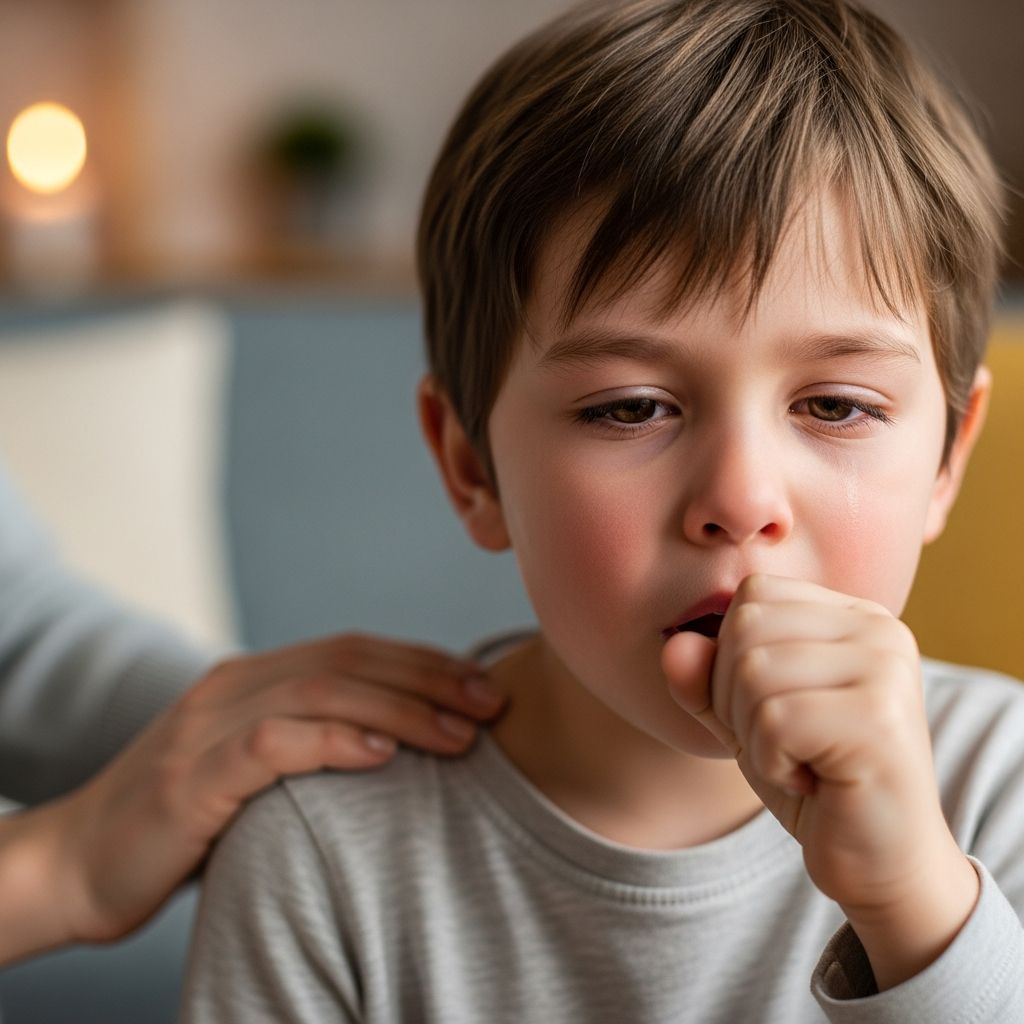
Many caring parents feel shocked by how furious they can become when their child screams, hits, or defiantly says “No!” You love your child deeply, yet in those heated moments you may feel out of control, ashamed, or afraid of repeating patterns from your own childhood. This guide explains why children’s anger can feel so triggering and offers practical, research-informed tools to keep your cool, protect the relationship, and still hold firm limits.
Why Children’s Anger Feels So Threatening to Parents
Before learning strategies, it helps to understand what is happening inside both you and your child. This is not about blaming either of you; it is about bringing compassion and clarity to a very human experience.
What Is Really Going On in Your Child’s Brain
When children melt down, the part of the brain that manages planning, impulse control, and logical thinking (the prefrontal cortex) is still immature and easily overwhelmed by big emotions. They are not choosing to be irrational; their nervous system is flooded.
- Limited self-regulation: Young children especially lack reliable skills to calm themselves and depend on caregivers to help them co-regulate emotions.
- Behavior as communication: Hitting, yelling, or refusing often signals frustration, fear, tiredness, or unmet needs rather than intentional disrespect.
- Skills, not will: Many explosive moments reflect missing skills (like problem-solving or using words) more than a lack of motivation to behave well.
Understanding this does not mean you accept hurtful behavior, but it shifts your stance from “This kid is trying to make me crazy” to “My child is overwhelmed and needs guidance.”
What Is Really Going On in Your Brain
Parents are not robots; you also have a nervous system and a history. When your child yells, throws, or slams doors, several things can happen inside you:
- Threat response: Your body may read loud noise, physical chaos, or defiance as danger and activate a fight-flight-freeze reaction: fast heart rate, tight muscles, racing thoughts.
- Old memories: If you grew up with harsh discipline or emotional neglect, your child’s anger may unconsciously echo past experiences, making your reaction more intense than the situation alone would warrant.
- Beliefs and expectations: Thoughts like “Good children don’t act like this” or “I’m failing as a parent” can pour fuel on the emotional fire.
Recognizing these inner reactions is the first step toward choosing a different response instead of acting on autopilot.
Common Patterns That Make Conflicts Spiral
When both parent and child are dysregulated, arguments can escalate very quickly. Identifying familiar patterns allows you to interrupt them before they take over.
| Pattern | What It Looks Like | Why It Backfires |
|---|---|---|
| Power struggle | “You will do it now!” / “No, I won’t!” with volume rising on both sides. | Both feel unheard, so each doubles down; connection and learning vanish. |
| Shutting down | Parent goes cold, withdraws, or gives in to avoid explosions. | Child loses a sense of safety or clear boundaries; resentment may grow on both sides. |
| Flood of lectures | Long explanations about respect while the child is screaming or sobbing. | The child’s thinking brain is offline; they cannot absorb the message, and you become more frustrated. |
| Harsh discipline | Yelling, name-calling, or physical punishment in reaction to aggression. | Research links harsh punishment to higher child aggression and anxiety over time, not better behavior. |
Building Your Calm: Managing Your Own Anger First
Because children depend on adults for co-regulation, your calm is the foundation for their calm. Evidence-based parenting resources emphasize that parents who can manage their own anger model vital emotion skills for children.
Body-Based Techniques to Pause Reactivity
When you notice your irritation rising, small physical shifts can interrupt the automatic reaction loop:
- Change your breathing: Try inhaling through your nose for a count of four, exhaling for a count of six, three to five times. Slower, longer exhales send a “not an emergency” signal to your nervous system.
- Relax one muscle group: Unclench your jaw, drop your shoulders, or loosen your hands. These cues can reduce physical tension associated with anger.
- Take physical space: When it is safe, step into the hallway or bathroom and say, “I’m going to calm down for a moment, then we’ll talk.” Short breaks can prevent explosive reactions.
- Use a calming phrase: Repeat silently, “I can handle this,” or “Pause first, respond later.” Having a rehearsed line makes it easier to access under stress.
Mindset Shifts That Lower the Emotional Temperature
How you interpret your child’s behavior powerfully shapes your feelings. These reframes are not about excusing behavior but about making it easier to respond constructively.
- From “defiant” to “distressed”: Instead of “She is trying to control me,” try “She is overwhelmed and doesn’t yet know a better way to handle this.”
- From “disrespect” to “skill gap”: Ask, “What skill is missing here—words, flexibility, impulse control—and how can I teach it later?”
- From “I must win” to “We must learn”: See conflicts as practice sessions for lifelong emotion and relationship skills, not battles to win.
Long-Term Self-Care to Reduce Reactivity
Parents are more likely to lose it when exhausted, isolated, or carrying chronic stress. Investing in your own wellbeing is not selfish; it is protective for your child.
- Basic needs: As much as possible, prioritize sleep, regular meals, and some form of movement; these influence mood and impulse control.
- Emotional support: Talk with friends, join a parenting group, or seek counseling if past experiences are being re-triggered. Professional help can be especially useful when your own childhood involved trauma or harsh parenting.
- Reflective time: Journaling or brief check-ins (“What set me off today? What did I need?”) builds awareness and paves the way for change.
Helping Your Child Navigate Anger Without Fear
When you are calm enough, you can become a coach for your child’s big feelings instead of an adversary. Research-informed guidance emphasizes teaching children how to recognize emotions, name them, and use strategies to calm down.
Step 1: Name and Validate the Feeling
Children who learn words for emotions are better able to express frustration without aggressive behavior. You can help by combining observation with empathy:
- “You look really angry that your screen time is over.”
- “You are frustrated that it is hard to build that tower.”
- “It is okay to feel mad. I am here with you.”
Validating does not mean you agree with their demands; it simply communicates, “Your inner experience makes sense to me.” This reduces the intensity of the emotion and increases your child’s willingness to cooperate.
Step 2: Teach Calming Strategies When They Are Receptive
It is easier to learn new emotional skills when children are relatively calm, not in the middle of a meltdown. Regularly practice simple tools so they are available in heated moments.
- Breathing together: Hold your child’s hands and take slow breaths, counting aloud, which has been recommended in evidence-based parenting programs.
- Anger scale: Draw a “thermometer” that goes from cool to very hot and ask where their anger is now; then practice strategies that help the “temperature” drop.
- Calm-down kit: Create a basket with paper and crayons, stress balls, or a favorite book. Encourage your child to use it when they notice early signs of anger.
- Movement breaks: Show them how walking away, shaking out arms, or doing wall pushes can release physical tension linked to anger.
Step 3: Collaborate on Triggers and Solutions
Working with your child on their anger builds trust and helps them feel that the anger is the problem, not that they themselves are the problem.
- Identify patterns: “We both get upset most mornings before school. What makes that time hard?”
- Brainstorm options: “What might help mornings go smoother for both of us?” (E.g., preparing bags the night before, using visual routines.)
- Agree on signals: Create a word or gesture that means “I’m getting close to losing it; I need a break.” Commit to respecting that signal on both sides.
Setting Firm Limits Without Losing Connection
Being calm and empathic does not mean being permissive. Children feel safest when adults are kind and consistent about boundaries. High-quality psychological guidance stresses moderate, predictable consequences rather than harsh or inconsistent discipline.
Use Clear, Respectful Language
Short, specific statements are more effective than long lectures when emotions run high.
- Describe, don’t attack: Say “I see you threw the toy at your brother” rather than “You are bad.”
- Use “I” messages: “I feel worried when toys are thrown because people can get hurt.”
- Stay in the present: Focus on the current incident instead of adding “You always…” or “You never…”
Link Behavior to Predictable Consequences
Children learn when they can connect what they do with what happens next. Consistent, explained consequences are more effective than random punishments.
- Logical outcomes: “Because you hit with the toy, the toy is put away for now to keep everyone safe.”
- Time-limited: Use brief time-outs or removal of a specific privilege (like fifteen minutes of screen time) rather than open-ended bans.
- Always explain: Calmly state, “This is happening because…” so your child understands the connection between action and consequence.
Avoid extreme or frightening measures; studies associate severe, unpredictable discipline with poorer mental health and more behavior problems over time.
Repair After Things Go Wrong
Even with the best intentions, you will sometimes shout, say something you regret, or shut down. Repairing the relationship models accountability and emotional courage.
- Take responsibility: “I yelled earlier. That was not okay. I am sorry.”
- Share your process: “I was very angry and didn’t use my calm-down tools. I am working on that.”
- Invite collaboration: “Next time we both start to get upset, what could help us handle it differently?”
Hearing you apologize and reflect shows children that everyone makes mistakes and that relationships can be mended.
When to Consider Extra Support
All families experience conflict, but sometimes patterns of anger and aggression benefit from additional help.
- For parents: If your anger feels out of control, you feel afraid you might hurt someone, or you are haunted by your own childhood experiences, speaking to a mental health professional can provide tools and healing.
- For children: Seek guidance if your child’s aggression is frequent, intense, causing injury, or interfering with school and friendships. Evidence-based parent programs, such as those designed to improve social-emotional skills and family communication, can be very effective.
Asking for help is a sign of strength and commitment to your child’s wellbeing, not a sign of failure.
Quick-Reference Toolbox for Heated Moments
In the middle of a storm, it can be hard to remember everything you have read. This checklist summarizes key steps.
- Notice: “My heart is pounding; my shoulders are tense. I am getting triggered.”
- Pause: Take three slow breaths, relax one muscle group, or briefly step away if safe.
- Validate: Acknowledge your child’s feeling: “You are really mad right now.”
- Protect: Stop harm quickly and calmly: “I won’t let you hit. I will hold your hands gently until you are safe.”
- Contain: Use few, clear words and remove or limit privileges as needed, explaining why.
- Later: When everyone is calm, reflect together on what happened and practice better strategies.
Frequently Asked Questions (FAQs)
Q: If I stay calm, won’t my child think the behavior is okay?
Calm does not mean permissive. You can be steady and firm at the same time: “I will not let you hit. I love you and we will find another way.” Research suggests that consistent, moderate consequences combined with warmth are more effective than harsh or unpredictable reactions.
Q: My child’s anger reminds me of my own parents. How do I stop repeating the cycle?
Begin by noticing the link: “This feeling belongs partly to now and partly to back then.” Ground yourself with breathing, then decide on one small change, such as lowering your voice instead of shouting. Many parents find therapy or support groups invaluable for breaking long-standing patterns.
Q: Should I ignore tantrums to avoid reinforcing them?
Ignoring your child’s feelings can increase distress. It is often more helpful to stay nearby, ensure safety, and offer simple empathy while not giving in to unreasonable demands. Afterward, calmly follow through on limits and discuss better options for next time.
Q: How can I tell if my child’s anger is more than just a phase?
Temporary spikes in anger are common during developmental transitions or stressful life events. Consider consulting a professional if aggression is severe, happens across settings, disrupts daily life, or you have concerns about self-harm or harm to others.
Q: Is it okay to apologize to my child when I lose my temper?
Yes. Apologizing models responsibility and repair. You might say, “I am sorry I yelled. It is my job to speak respectfully, even when I’m mad.” Then briefly share what you will do differently next time.
References
- Anger Management for Parents: Turn Down the Heat in Your Home — The Center for Parenting Education. 2021-03-15. https://centerforparentingeducation.org/library-of-articles/anger-and-violence/parents-anger-turning-down-the-heat-in-your-home/
- Managing Preschool Aggression — American Psychological Association. 2022-05-10. https://www.apa.org/topics/parenting/managing-preschool-aggression
- A Parent’s Guide to Helping Kids Manage Their Anger — ParentsTogether. 2021-08-01. https://parents-together.org/a-parents-guide-to-helping-kids-manage-their-anger-and-aggression/
- Anger Management: Strategies for Parents and Grandparents — Stanford Children’s Health. 2020-11-20. https://www.stanfordchildrens.org/en/topic/default?id=anger-management-strategies-for-parents-and-grandparents-160-45
- Helping Your Child with Anger Issues — NHS. 2022-07-05. https://www.nhs.uk/mental-health/children-and-young-adults/advice-for-parents/help-your-child-with-anger-issues/
- Managing Anger: Ideas for Parents — Raising Children Network. 2021-09-30. https://raisingchildren.net.au/guides/first-1000-days/looking-after-yourself/anger-management-for-parents