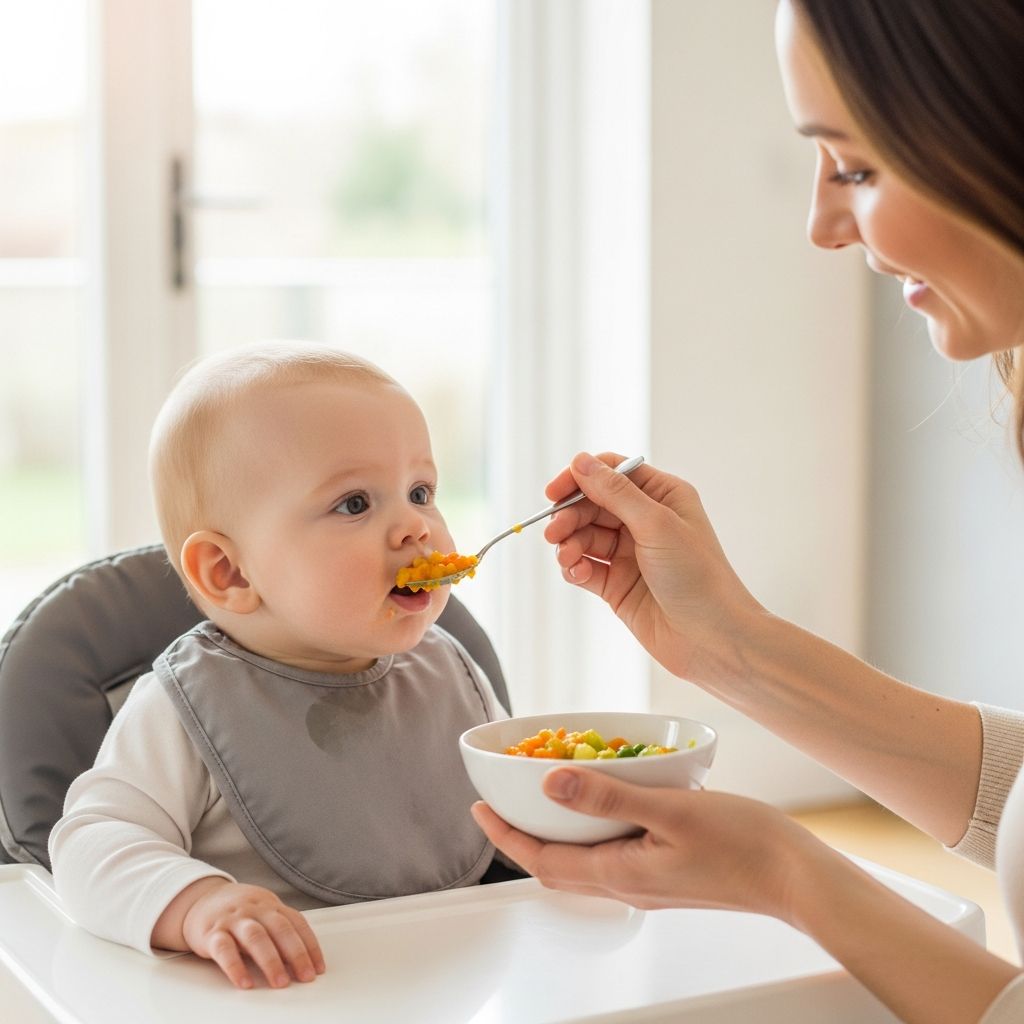
Moving from an all-milk diet to solid foods is a major step in your baby’s first year. This transition supports healthy growth, helps your baby learn important feeding skills, and introduces the flavors and textures they will eat for the rest of their life.
Why Babies Need Solid Foods
In the first months, breast milk or infant formula provides everything your baby needs. As your baby grows, however, their body requires additional nutrients—especially iron and zinc—that are more easily met when solid foods join the menu. Solids also train the muscles used for chewing, swallowing, and later speech.
Solid foods are not meant to replace breast milk or formula overnight. Instead, they gradually add new calories, vitamins, and minerals while your baby continues to drink milk as a main food source at first.
Recognizing Readiness for Solids
Age alone is not the only factor that determines when to start solids. Developmental signs show that your baby can handle thicker textures safely and is interested in more than just milk.
Before offering solids, look for several readiness cues to appear together rather than relying on just one change, such as an increase in appetite or a new sleep pattern.
Common Signs Your Baby Is Ready
- Your baby can sit with support and hold their head steady.
- They show interest in your food, leaning forward or opening their mouth when you eat.
- The tongue-thrust reflex (pushing food out with the tongue) is reduced.
- They can open their mouth for a spoon and close their lips around it.
- They can turn their head away when they are full or not interested.
Getting Mentally Prepared as a Parent
Introducing solids is not just a physical milestone for your baby—it can also feel emotionally significant for parents. You may feel excitement, anxiety, or a mixture of both as feeding becomes more complex and a bit messier.
Approach this transition as a learning journey rather than a test that you or your baby must pass. There will be spills, rejected foods, and days when your baby seems less interested. This is normal and part of the process.
Choosing When and Where to Start
The environment you create matters. A calm, unhurried setting helps your baby explore new foods without pressure. Choose a time of day when your baby is alert but not extremely hungry or tired.
In the beginning, solids are for practice, not full meals. Many families find it easiest to offer a small tasting session once a day, such as after a breast or bottle feed, when babies are more relaxed.
Practical Setup Tips
- Use a stable highchair or seat that allows your baby to sit upright with support.
- Buckle safety straps and keep your baby seated during the entire feeding session.
- Turn off televisions and minimize distractions to focus on the meal.
- Have a small spoon, soft bowl, and bib ready before you begin.
First Foods: What to Offer
There is no single “perfect” first food. Healthy options generally share a few traits: they are soft, smooth or easily mashed, mild in flavor, and rich in key nutrients. Iron-rich foods are especially helpful once your baby’s stored iron begins to decline.
Homemade and store-bought baby foods can both be appropriate if they are prepared safely. Focus on the ingredients and texture rather than the source.
Examples of Nutrient-Rich Starter Foods
- Fortified infant cereals mixed with breast milk or formula.
- Well-cooked and finely mashed meat, poultry, or beans.
- Pureed vegetables such as carrots, sweet potato, squash, or peas.
- Mashed fruits like banana, pear, peach, or avocado.
- Plain, unsweetened yogurt in small amounts when age-appropriate, if tolerated.
How to Prepare Foods Safely
Texture and size are crucial for safe feeding. Early on, food should be smooth or very soft so your baby can move it around the mouth and swallow without needing full chewing skills. Larger, hard, or sticky pieces raise the risk of choking and should be avoided.
Think of the texture you want as similar to a soft puree or thick soup. As your baby gains experience, you can gradually thicken food and introduce small, soft lumps.
Basic Preparation Guidelines
- Cook vegetables until tender, then mash or blend with a bit of water, breast milk, or formula.
- Remove skin, bones, and gristle from meat or fish before pureeing or mashing.
- Avoid adding salt, sugar, honey, or strong seasonings to baby foods.
- Check temperature carefully to prevent burns—foods should be warm, not hot.
Portions and Progression Over Time
Babies have tiny stomachs and variable appetites. At the start, even a teaspoon or two of food is enough to let your baby practice swallowing and tasting new flavors. Over weeks and months, the amount and variety typically increase.
Instead of focusing on exact measurements, pay attention to your baby’s cues. Leaning forward, opening the mouth, and fussing when the bowl is removed can signal hunger; turning away, pushing the spoon out, or losing interest can show fullness.
Sample Progression Table
| Approximate Stage | Texture Focus | Typical Amount per Feeding | Frequency |
|---|---|---|---|
| First weeks of solids | Thin purees, smooth textures | 1–2 teaspoons, increasing as accepted | Once a day tasting session |
| After a few weeks | Thicker purees, soft mashed foods | 1–4 tablespoons, depending on hunger | 1–2 times per day |
| Later in the first year | Soft lumps, tiny pieces, finger foods | Several spoonfuls from each food group | 3 small meals, plus milk feeds |
Balancing Milk and Solid Foods
Breast milk or infant formula remains a major source of nutrition in the early months of starting solids. Many babies continue to have milk feeds before solids at first, then gradually shift to having solids offered at more structured meal times.
Aim to keep milk intake appropriate for age while allowing solid meals to slowly become more substantial. As your baby eats more from a spoon or with their fingers, they may naturally reduce some milk feeds on their own.
Introducing Allergenic Foods
Many parents worry about allergy risks when starting foods such as egg, peanuts, dairy, or wheat. Current thinking often supports introducing common allergenic foods in small, carefully monitored amounts when babies are developmentally ready, unless advised otherwise by a healthcare professional.
Offer one new potential allergen at a time and wait a few days before adding another. This approach makes it easier to spot a link if an allergic reaction occurs.
Possible Allergy Signs to Watch For
- Hives or rash on the skin.
- Swelling of the lips, eyes, or face.
- Vomiting, severe diarrhea, or sudden stomach pain.
- Difficulty breathing, wheezing, or extreme sleepiness.
If any serious symptoms appear after eating a new food, seek urgent medical help immediately.
Choking Risks and Safe Eating Habits
Choking is a serious concern when babies begin to handle solid pieces. The risk can be greatly reduced by choosing appropriate textures, cutting foods into small, manageable shapes, and supervising your baby closely during every meal or snack.
Your baby should always eat sitting upright, never lying down, crawling, walking, or strapped into a car seat while snacking.
Foods That Are High Choking Risks
- Whole nuts, large seeds, and spoonfuls of nut butter.
- Popcorn, hard candies, and chewing gum.
- Whole grapes, cherry tomatoes, or berries that are not cut into smaller pieces.
- Chunks of raw carrot, apple, or other hard raw vegetables.
- Large, rubbery pieces of meat or hot dog.
Creating Positive Mealtime Experiences
Learning to eat should be enjoyable. Babies are more likely to accept new foods when meals feel relaxed and playful rather than pressured. Avoid forcing your baby to eat or insisting that they finish everything on the spoon or in the bowl.
Modeling can also help: when your baby sees you eating a variety of healthy foods with enjoyment, they learn that mealtimes are pleasant and that new tastes are worth trying.
Encouraging Exploration
- Allow your baby to touch, squish, and smell food as part of learning.
- Offer new foods alongside familiar favorites.
- Reintroduce previously rejected foods after a few days or weeks.
- Keep portions small to reduce waste and avoid overwhelming your baby.
Hygiene and Food Safety Basics
Babies are more vulnerable to foodborne illness, so careful hygiene is important. Proper handwashing, clean utensils, and safe storage of food help protect your child from harmful germs.
Leftovers from your baby’s bowl should not be saved, because saliva on the spoon can introduce bacteria into the food.
Key Safety Practices
- Wash your hands and your baby’s hands before meals.
- Use clean bowls, cups, and spoons at each feeding.
- Refrigerate cooked foods promptly and discard items left at room temperature for too long.
- Avoid giving honey in the first year due to the risk of infant botulism.
Finger Foods and Self-Feeding
As your baby develops better control of their hands and mouth, you can introduce soft finger foods to encourage self-feeding. This helps with coordination and allows your baby to decide how much to eat.
Choose items that can be easily squashed between your fingers and are sized to reduce choking risk. Offer only a few pieces at a time so your baby does not overstuff the mouth.
Ideas for Soft Finger Foods
- Small pieces of very ripe banana or avocado.
- Soft-cooked carrot sticks, peas, or green beans.
- Strips of soft omelet or well-cooked pasta.
- Shreds of tender, cooked chicken, fish (without bones), or tofu.
Common Feeding Challenges
Nearly every family encounters some bumps while introducing solids. Babies may gag, make faces at new flavors, or refuse a food they previously liked. Gagging, which is a protective reflex, can be common early on and is different from choking.
Patience and repetition often help. Offering the same food numerous times on different days gives your baby opportunities to accept it when they are ready.
Strategies When Things Get Tough
- Pause and give your baby a break if they seem upset or overwhelmed.
- Try changing the texture or temperature of a food they dislike.
- Combine a new food with a familiar favorite in the same meal.
- Discuss ongoing concerns with a pediatrician or dietitian if feeding remains very stressful.
Frequently Asked Questions
How many times a day should my baby eat solids at first?
In the beginning, one small session a day is enough. You can gradually move to two, then three times daily as your baby becomes more comfortable and shows continued interest in eating.
Does starting solids help my baby sleep through the night?
There is no guarantee that solid foods will improve sleep. Babies wake at night for many reasons, including growth, teething, or simply wanting comfort. Solids are introduced mainly for nutrition and skill development, not as a sleep solution.
Should I offer water when my baby starts solids?
Small sips of water from an open cup or training cup can be introduced with meals, depending on your baby’s age and your healthcare provider’s advice. Milk and solid foods usually remain the main sources of hydration in the first year.
Is store-bought baby food safe?
Commercial baby foods that meet safety regulations are generally safe when used as directed. Read ingredient lists, avoid added sugars or high salt levels, and discard jars or pouches that are damaged or past their expiration date.
What if my baby seems uninterested in solids?
Some babies take longer to warm up to solid food. Try offering small tastes at different times of day, adjusting the texture, or sitting your baby at the table while the family eats so they can observe. If your baby consistently refuses solids or is not growing as expected, speak with a healthcare professional.
When to Seek Professional Advice
While some feeding ups and downs are normal, certain situations warrant extra help. Consistent coughing or choking during meals, poor weight gain, or strong signs of food allergy should not be ignored.
Your child’s doctor, a pediatric dietitian, or a feeding specialist can provide individualized guidance, rule out medical problems, and help you develop a plan that suits your baby’s needs.
Introducing solid foods is the beginning of a lifelong relationship with food. With patience, safety, and curiosity, you can help your baby explore new tastes and textures while building healthy habits for the future.