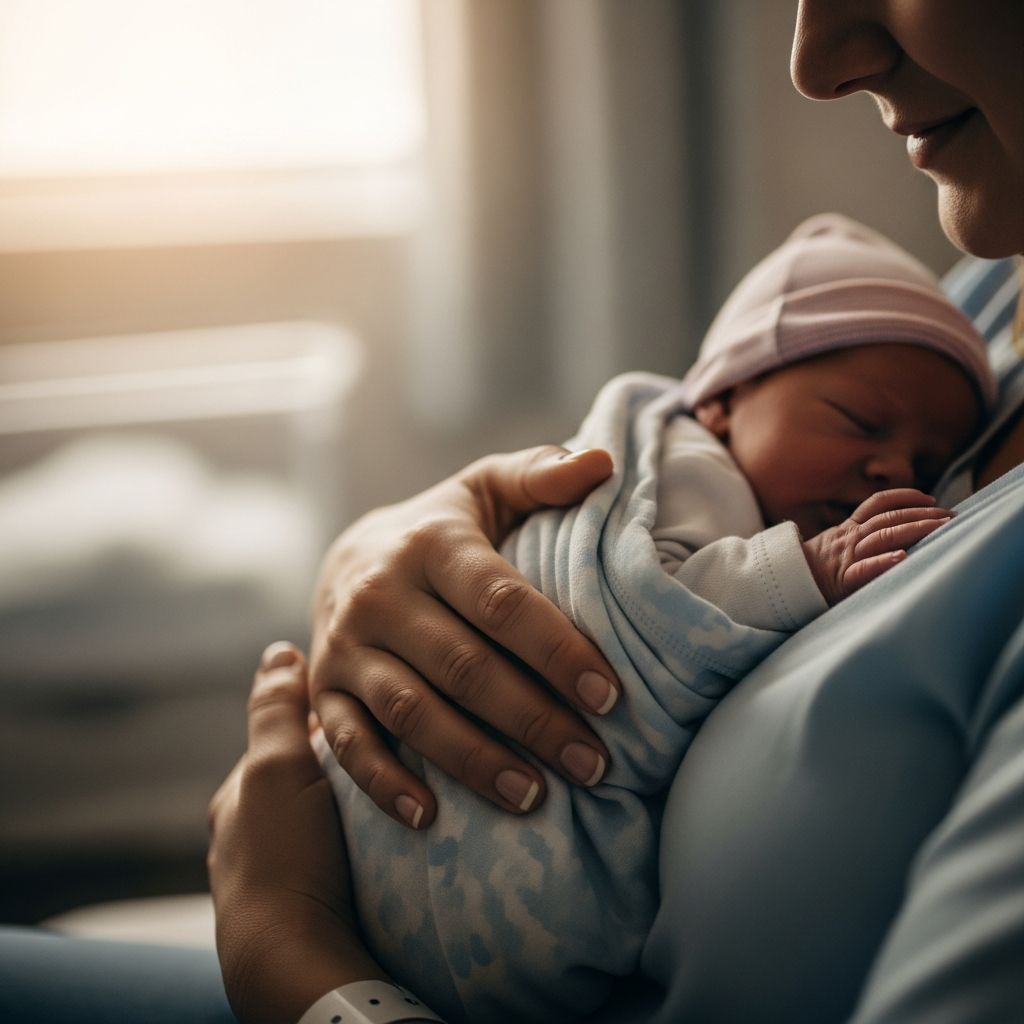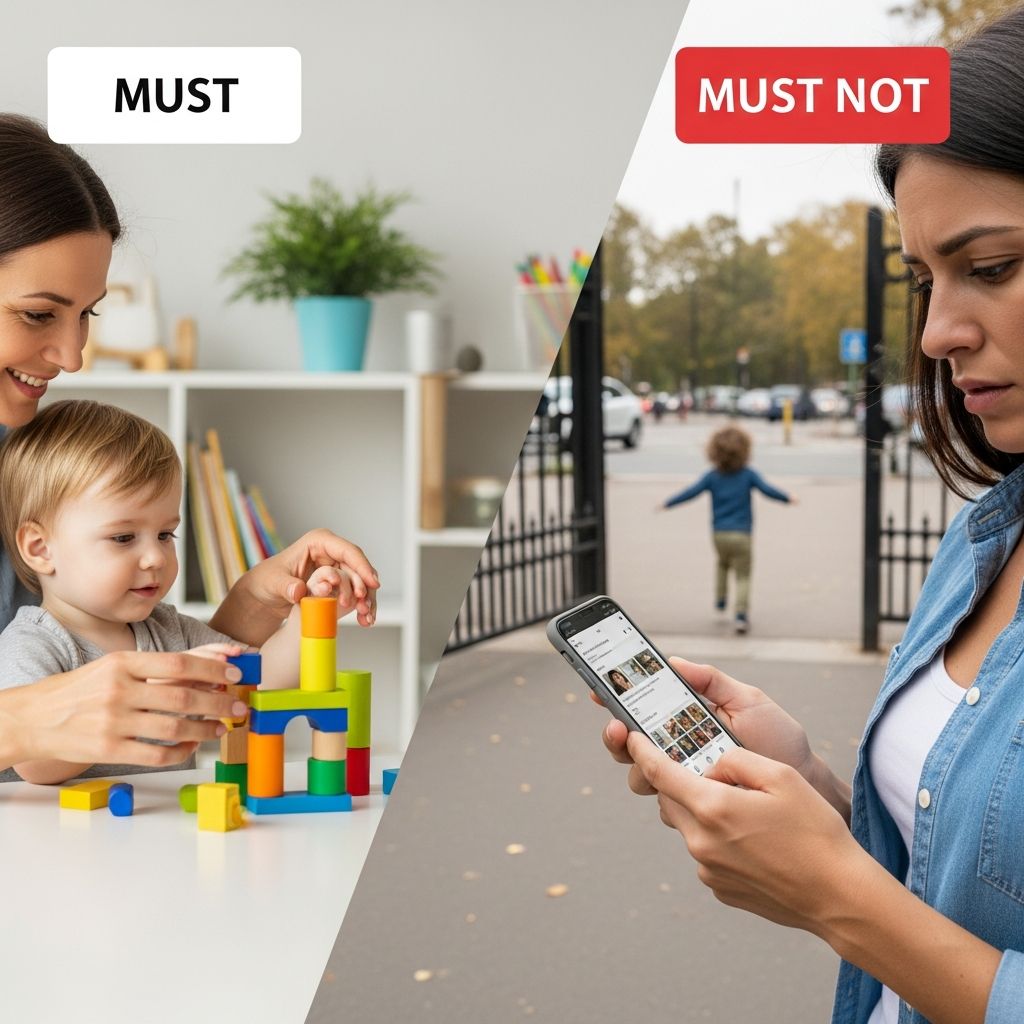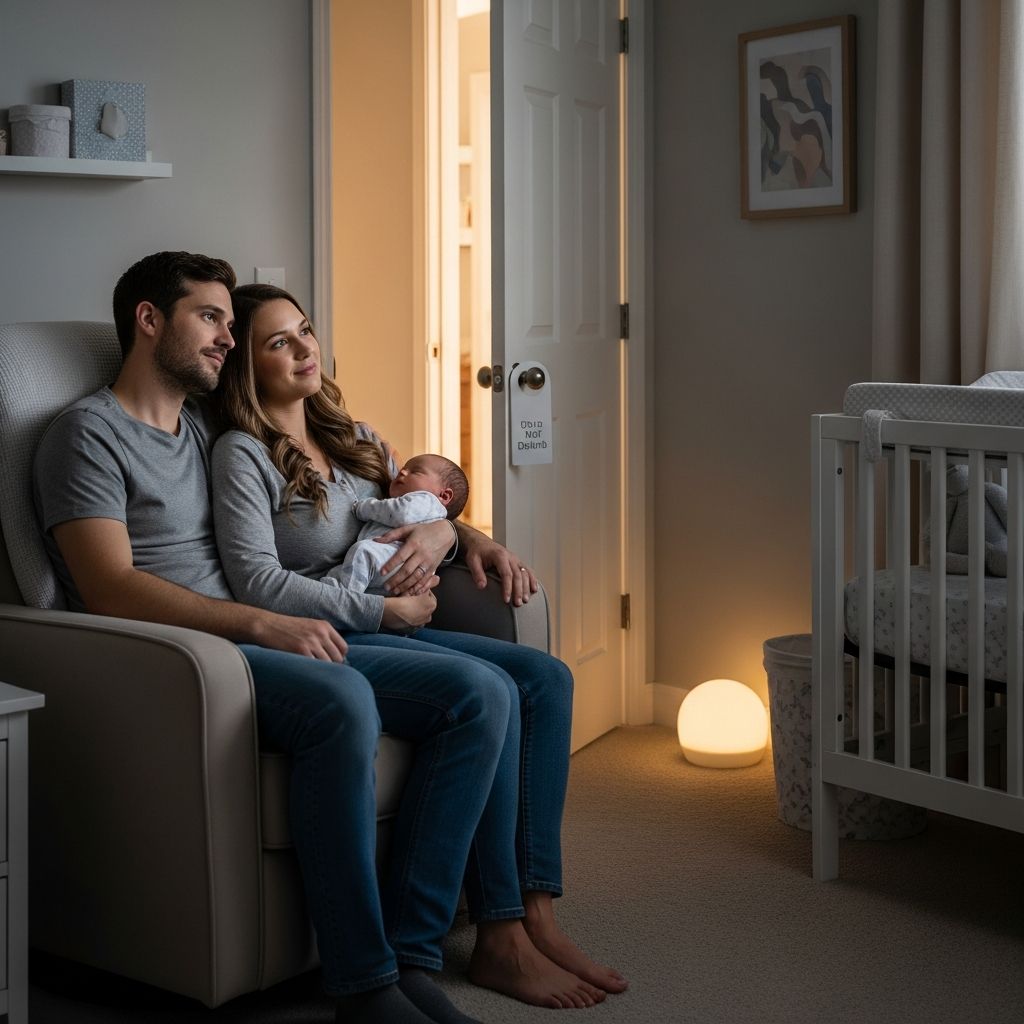
In the joyful chaos following a baby’s arrival, new parents often face pressure from excited relatives eager to visit—and stay overnight. However, prioritizing postpartum recovery, newborn care, and family bonding means it’s not only fair but crucial to decline such requests. This comprehensive guide explores the reasons behind this choice, offers strategies for clear communication, and provides tools to maintain peace during this vulnerable time.
Why Postpartum Recovery Demands Space and Rest
The postpartum period, typically the first 6-8 weeks after birth, is a physically and emotionally demanding phase. New mothers experience hormonal shifts, uterine contraction pains, and potential complications like perineal tears or cesarean incisions that require uninterrupted rest. Sleep deprivation is rampant as newborns feed every 2-3 hours, making overnight hosting exhausting and counterproductive to healing.
According to the American College of Obstetricians and Gynecologists (ACOG), adequate rest is vital to prevent postpartum depression, which affects up to 1 in 7 new mothers. Hosting guests disrupts this by adding noise, shared bathroom use, and meal preparation demands, elevating stress hormones like cortisol that hinder recovery.
Furthermore, newborns have immature immune systems. The Centers for Disease Control and Prevention (CDC) notes that infants under 2 months are at high risk for severe respiratory infections from common viruses adults carry asymptomatically. Overnight visitors increase exposure through close contact, coughing, or shared spaces, potentially leading to hospitalization.
Health Risks of Overnight Guests for Newborns and Parents
- Germ Transmission: Family members may arrive with colds, flu, or stomach bugs, unknowingly passing them via kisses, cuddles, or contaminated surfaces.
- Sleep Interference: Guests’ movements, conversations, or early rising fragment the family’s fragile sleep cycles.
- Overstimulation: Constant handling tires the baby, leading to excessive crying and parental burnout.
- Privacy Loss: Breastfeeding, diapering, and skin-to-skin bonding become awkward or impossible in a crowded home.
A study in the Journal of Obstetrics and Gynaecology Canada emphasizes that limiting visitors in the early postpartum phase reduces infection rates and improves maternal satisfaction. Primary sources like these underscore that protecting the nuclear family unit fosters secure attachment and long-term well-being.
Building a Strong Foundation: Planning Boundaries Before Birth
Proactive planning prevents reactive conflicts. Discuss with your partner what feels right: no overnights for the first month? Day visits only? Include these in birth announcements or a shared family group chat.
| Boundary Type | Example Rule | Reason |
|---|---|---|
| Visit Duration | 1-2 hours max | Allows rest without exhaustion |
| Overnight Stays | No, stay in hotels | Preserves sleep and space |
| Hand Hygiene | Wash hands before holding baby | Reduces germ spread |
| Unannounced Visits | Not allowed | Respects parental schedules |
Share a polite template: “We’re thrilled for your excitement to meet the baby! To focus on our adjustment, visits will be short and pre-scheduled. Please book local accommodations for multi-day trips.” This sets expectations early.
Crafting Polite but Firm Messages for Family and Friends
Communication is key. Use ‘I’ statements to express needs without blame: “I need quiet nights to recover and bond with our baby.” Frame it positively: “We’re saving energy for family time by keeping overnights guest-free.”
For pushy relatives, reinforce with facts: “Health guidelines recommend minimizing visitors to protect the baby’s immune system.” If needed, enlist your partner or a doula to relay messages, providing an objective buffer.
Navigating Pushback: Common Reactions and Responses
Expect resistance: “But I traveled far!” or “I just want to help.” Respond empathetically yet decisively: “We appreciate your support—could you bring meals instead? Overnights would overwhelm us right now.”
Grandparents often cite tradition, but modern evidence from the World Health Organization supports parental autonomy in newborn care decisions. Remind them: “Your understanding helps us thrive as parents.” If boundaries are breached, calmly redirect: “It’s time for us to rest now—safe travels!”.
Alternative Ways Loved Ones Can Support Without Staying Over
Redirect enthusiasm productively:
- Deliver groceries or prepared meals to the door.
- Run errands like laundry pickup or pharmacy trips.
- Offer virtual video calls for baby updates.
- Send care packages with essentials like diapers or frozen meals.
- Help with older siblings via outdoor playdates.
This shifts focus from ‘visiting the baby’ to ‘supporting the parents,’ aligning with expert advice from postpartum specialists.
The Role of Partners and Doulas in Enforcing Limits
Partners should co-own boundaries, fielding calls and managing doors. Professional doulas excel at ‘running interference,’ educating guests on newborn needs and gently enforcing rules. Data from the International Doula Institute shows doula-supported families report 25% less visitor-related stress.
Cultural Considerations in Setting Visitor Boundaries
In collectivist cultures, family help is normative, but adaptation is possible. Blend traditions—like daytime help with meals—while asserting nuclear family needs. Communicate cultural respect: “We value your wisdom and want to incorporate it during short visits.” Global health bodies like WHO affirm individualized postpartum plans regardless of background.
Long-Term Benefits of Firm Early Boundaries
Families who establish limits early build respectful dynamics, reducing future conflicts. Mothers report higher bonding success and lower anxiety per longitudinal studies in Pediatrics journal. Ultimately, rested parents raise happier, healthier children.
Frequently Asked Questions
How soon can family stay overnight after birth?
Most experts recommend waiting 4-6 weeks minimum, or longer if recovery is slow. Prioritize health over hospitality.
What if guests insist on staying nearby?
Suggest Airbnbs or hotels. Offer day visits as compromise, but hold firm on home overnights.
Is it rude to limit grandparents?
No—it’s responsible parenting. Grandparents can contribute meaningfully without cohabiting.
How do I handle guilt over saying no?
Reframe: Boundaries protect your family’s future. True loved ones prioritize your well-being.
What if a guest gets sick during a visit?
Immediately end the visit and enforce quarantine. Prevention via pre-visit health checks is best.
References
- Postpartum Care Guidelines — American College of Obstetricians and Gynecologists (ACOG). 2023-10-17. https://www.acog.org/womens-health/faqs/optimizing-postpartum-care
- Newborn Health and Safety — Centers for Disease Control and Prevention (CDC). 2024-08-15. https://www.cdc.gov/vaccines/vpd/whooping-cough/hcp/recommendations.html
- Postpartum Visitor Guidelines — Journal of Obstetrics and Gynaecology Canada. 2022-05-01. https://doi.org/10.1016/j.jogc.2022.03.005
- Establishing Boundaries for Newborns — Newborn Care Solutions. 2023-11-20. https://newborncaresolutions.com/establishing-boundaries-for-a-new-baby/
- Postpartum Family Planning — World Health Organization (WHO). 2024-02-12. https://www.who.int/publications/i/item/9789240081797
- Doula Support Outcomes — International Doula Institute. 2023-07-08. https://www.internationaldoulainstitute.com/research