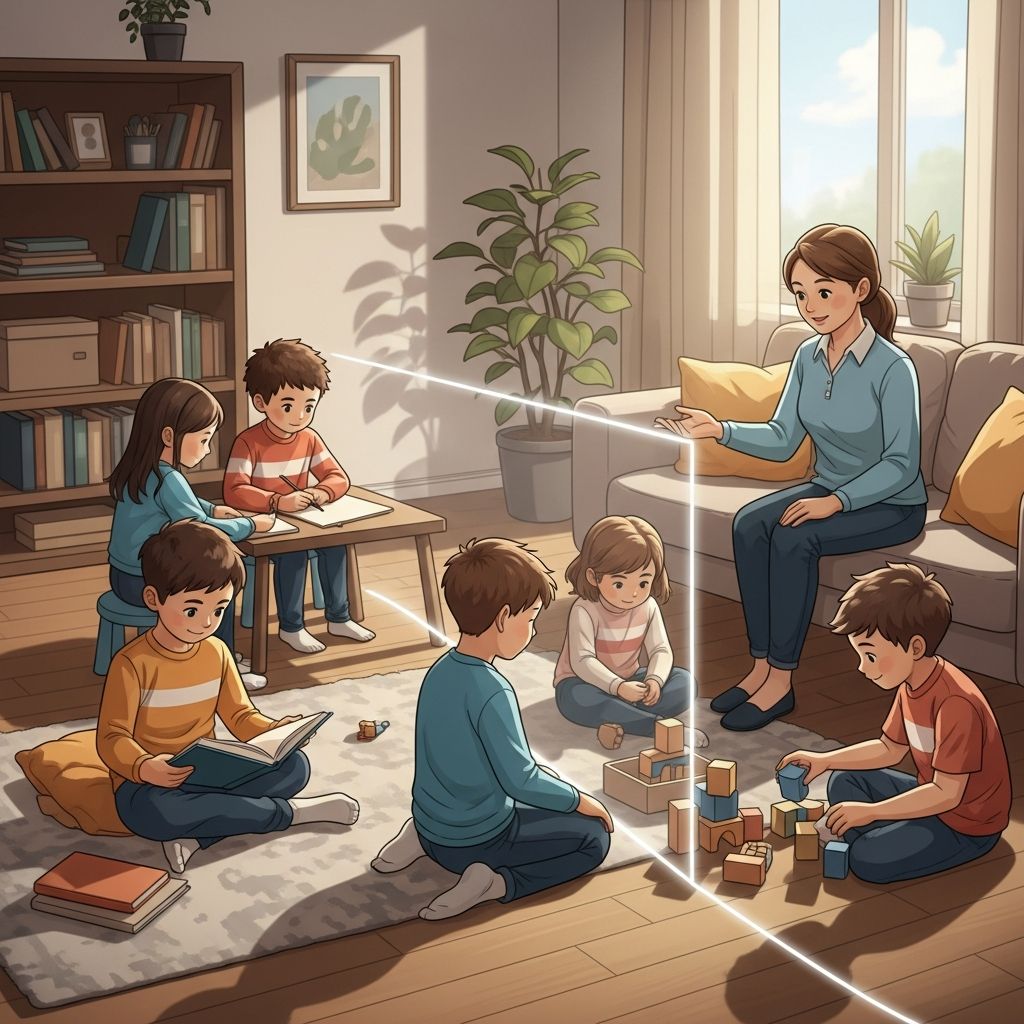
Parenting in close-knit communities brings joy through shared play but also challenges when neighborhood children arrive unannounced. Many parents grapple with balancing hospitality and personal space, especially when kids show up frequently without prior notice. This guide explores thoughtful approaches to define your home’s rules, communicate them effectively, and nurture ongoing friendships.
Recognizing the Need for Home Boundaries
Your home serves as a sanctuary for your family, and it’s essential to protect that environment. Frequent, unplanned visits can disrupt routines, increase supervision demands, and lead to exhaustion. Parents often notice rising anxiety as summer nears or playgroups form naturally among school friends. Acknowledging these feelings validates your right to set parameters without guilt.
Boundaries aren’t about rejection; they promote mutual respect. When children wander freely in safe neighborhoods—a wonderful community trait—it sometimes overwhelms individual households. Identifying specific concerns, like a child’s impulsivity or lack of awareness, helps pinpoint where limits are needed.
Assessing Your Comfort Levels and Family Rules
Begin by evaluating what works for your household. Consider your children’s ages, your supervision capacity, and daily schedules. Do certain behaviors, such as rough play or snack raiding, strain resources? Reflect on past experiences: Has an uninvited child damaged toys or ignored instructions?
- Review supervision needs: Can you safely watch multiple kids alone?
- Examine space usage: Does constant play invade quiet family time?
- Check alignment with values: Do visiting kids follow your home standards?
Discuss with your own children to ensure they understand the upcoming changes. This builds their confidence in voicing needs and models healthy limit-setting.
Communicating Boundaries Kindly Yet Firmly
Direct, polite conversations prevent misunderstandings. Approach the neighbors casually, perhaps during a backyard chat or via text, to express appreciation first. Frame requests around your family’s needs rather than critiquing their child.
Example script: “We love how our kids play together—it’s great for the neighborhood! With summer busyness, I need a heads-up before extra friends join. Could you text me first? That way, I can plan snacks and supervision.” This method honors relationships while asserting control.
If pushback occurs, stay calm and reiterate your stance: “I understand, but this helps me manage our home safely.” Consistency reinforces the message without escalating tension.
Implementing Practical House Rules
Clear rules create structure. Share them upfront with children and parents to set expectations.
| Rule Category | Example Rule | Reason |
|---|---|---|
| Arrival Protocol | Text or call before visiting | Allows preparation time |
| Play Duration | 1-2 hours max per session | Prevents fatigue |
| Snacks and Supplies | Bring own drinks/food | Manages household resources |
| Behavior Standards | No running indoors; ask before using toys | Ensures safety and respect |
| End of Visit | Leave by set time or when called | Respects family schedules |
Enforce these uniformly. For younger kids, gentle reminders suffice; older ones learn from natural consequences like shortened playtime.
Handling Specific Challenges with Visiting Children
Not all kids fit every home dynamic. If a child exhibits destructive tendencies or poor listening, tailor boundaries accordingly. A broad policy like “no uninvited guests” simplifies management without singling anyone out.
For visible differences—such as allowing some kids but not others—prepare explanations: “We’re keeping things low-key today.” Over time, neighbors adapt. Remember, your comfort trumps external perceptions.
Address parental involvement: Encourage reciprocal play at their homes if values align. This distributes responsibility and builds trust.
Fostering Positive Neighborhood Dynamics
Boundaries strengthen communities when handled well. Organize group events like block parties with defined times, allowing supervised fun for all. This shifts from daily drop-ins to planned interactions.
Model grace: If neighbors react poorly, give space. Most appreciate honesty once implemented. Your actions teach children about respectful relationships.
Navigating Emotional Responses and Guilt
Setting limits may stir discomfort. You might worry about seeming unwelcoming or fear friendship strains. Counter this by focusing on long-term benefits: rested parents, safer play, happier kids.
Resentment builds without boundaries; proactive steps prevent it. Validate your needs—your home, your rules. If anxiety persists, journal feelings or consult parenting resources.
Age-Appropriate Strategies for Different Stages
Tailor approaches by age. For preschoolers, visual cues like a “playtime full” sign work. School-age kids respond to direct talks. Tweens benefit from peer-enforced rules.
- Under 6: Parent-accompanied visits only.
- 6-9: Scheduled playdates with check-ins.
- 10+: Limited supervision, clear end times.
Promote independence gradually, like front-yard play within earshot, balancing freedom and oversight.
Building Reciprocal Play Arrangements
Encourage visits elsewhere. Chat with parents: “Your kids are welcome here sometimes—maybe ours can join you next?” Align on supervision philosophies first. This evens the load and exposes kids to diverse homes.
Long-Term Benefits of Consistent Boundaries
Families thrive with defined limits. Children learn respect, parents reduce stress, and neighborhoods endure. Over time, these habits create a culture of consideration, where play enhances rather than exhausts.
Track progress: Note fewer disruptions, calmer days. Adjust as needed, celebrating small wins.
Frequently Asked Questions
What if the neighbor’s child keeps showing up despite requests?
Politely redirect: “Hey, great to see you! We’re not playing inside today—check back with Mom first.” Repeat consistently; involve parents if needed.
How do I avoid offending close neighbors?
Lead with positives and use “I” statements: “I feel better with notice.” Offer compromises like set visiting hours.
Should I let my kids play at other homes?
Yes, if parents share values and supervise well. Start short visits to assess fit.
What about unsupervised outdoor play?
Use fenced areas or stay in earshot. Set yard-specific rules for safety around age 8.
Can boundaries damage friendships?
Rarely, if communicated kindly. True friends respect needs; others self-select.
References
- How to Set Effective Boundaries with Friends & Neighbors — Dr. Sarah Bren. 2023. https://drsarahbren.com/309-qa-how-do-i-set-boundaries-with-my-neighbor-whose-child-keeps-coming-over-uninvited
- Setting Boundaries With Neighborhood Kids — Focus on the Family. 2023. https://www.focusonthefamily.com/family-qa/setting-boundaries-with-neighborhood-kids/
- Understanding Boundaries and Resentment in Parenting — Foundation Worldview. 2023. https://foundationworldview.com/blog/understanding-boundaries-and-resentment-in-parenting
- I Love Being The Neighborhood ‘Fun House,’ But… — Scary Mommy. 2023. https://www.scarymommy.com/ask-scary-mommy-neighborhood-kids-in-my-house-all-day