Building a Foundation for Grocery Savings
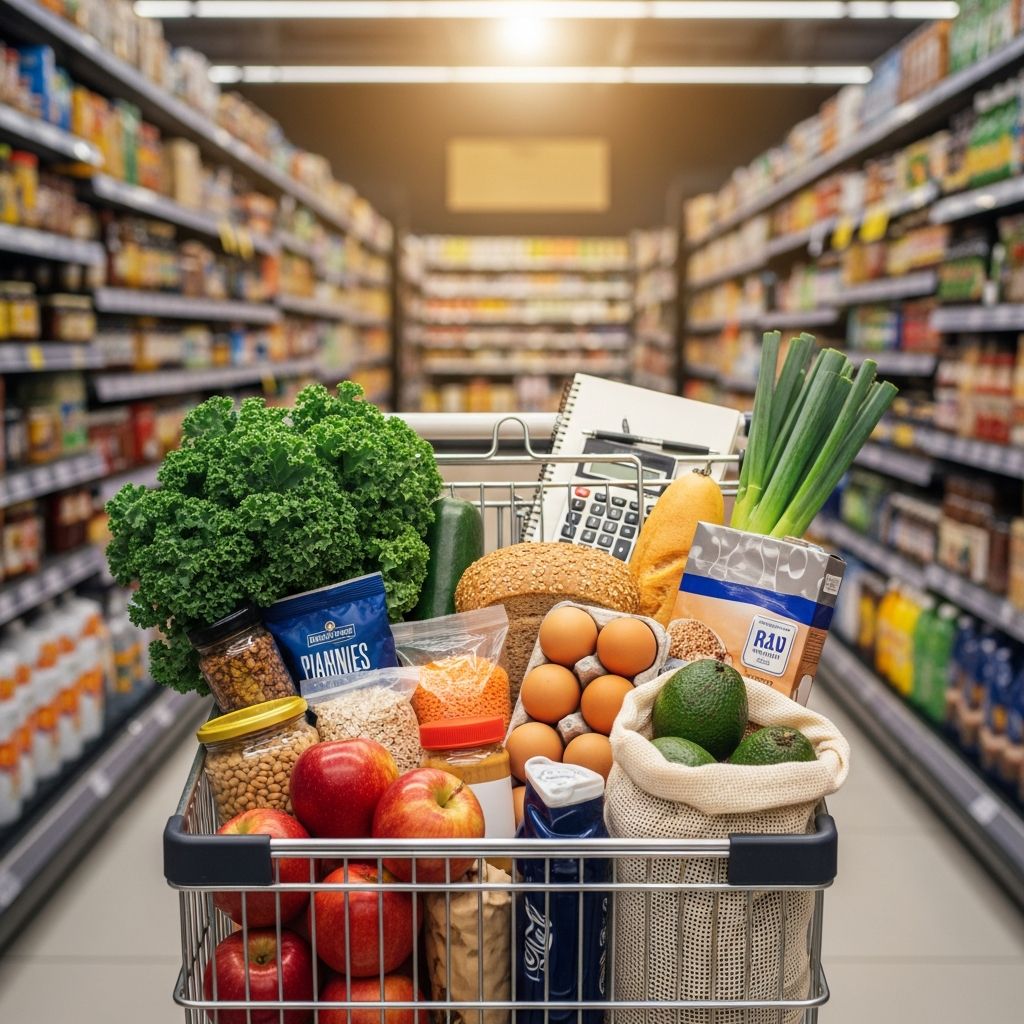
Reducing family grocery expenses doesn’t require extreme measures or sacrificing nutrition. Instead, sustainable savings emerge from establishing deliberate shopping habits and structured planning that align with your household’s actual eating patterns. The most effective approach focuses on creating repeatable systems rather than chasing individual deals or implementing complicated strategies that are difficult to maintain over time.
When families implement basic organizational strategies, they often discover they can maintain their preferred eating standards while spending considerably less. The key lies in understanding your family’s food consumption patterns, establishing clear purchasing guidelines, and maintaining consistency with your approach week after week.
Establishing a Weekly Meal Framework
The foundation of grocery budget management begins with planning what your family will actually eat during the upcoming week. Rather than creating entirely different meals for breakfast, lunch, and dinner each day, consider selecting one or two breakfast options, rotating a handful of lunch choices, and planning four to five dinner meals that can repeat throughout the week. This approach reduces both decision fatigue and overall spending.
When you establish a meal framework before entering the grocery store, you create a purchasing guide that prevents impulse buying and reduces food waste. Write down the specific meals you’ll prepare, then identify the ingredients each meal requires. This process transforms grocery shopping from a reactive activity into a planned, intentional endeavor.
For families with seasonal scheduling variations, adapt your meal planning to match your actual weekly rhythm. If your family has busier evenings during certain seasons, plan simpler meals those weeks. If you have more time for cooking on weekends, prepare components that can be assembled into multiple meals throughout the week.
Inventory Review and Waste Reduction
Before adding items to your grocery list, conduct a thorough review of what already exists in your pantry, refrigerator, and freezer. Items that are approaching their expiration dates or have been in storage for extended periods should be prioritized for upcoming meals. Creating a dedicated “use this soon” list and building at least one or two meals around these items dramatically reduces food waste and stretches your grocery dollars further.
Establish a weekly practice of planning one flexible meal specifically designed around items that need to be consumed. Stir-fries, grain bowls, soups, and frittatas work particularly well for this purpose because they accommodate various combinations of proteins and vegetables without requiring specific proportions or ingredients.
By viewing your existing inventory as a resource before making new purchases, you transform potential waste into intentional meal planning. This practice also reduces the volume of items you need to purchase each week, directly lowering your overall grocery bill.
Organizing Your Shopping List Strategically
How you organize your shopping list directly influences your spending and the time required to complete your grocery trip. Group items by store section—produce, dairy, proteins, pantry staples, and frozen goods—then move through the store following these categories. This organizational approach reduces wandering through aisles and minimizes impulse purchases of items not on your list.
When you move through the store with purpose and focus, you’re less likely to encounter products specifically positioned to capture your attention. Eye-level items are typically placed there because they have higher profit margins; shopping from your organized list helps you avoid these strategically positioned products.
A grouped list also ensures you don’t forget essential items and makes it easier to delegate shopping to family members or service providers if you use online ordering. Digital list apps can enhance this process by allowing you to check items off as you shop and see your running total.
Understanding Unit Pricing and Value Comparison
Many families focus solely on the total price displayed on the shelf tag without comparing the actual cost per unit. Examining the price per ounce or per pound provides a more accurate picture of value. Larger packages and store brand products frequently offer better unit pricing than smaller, name-brand alternatives, though only if your family will actually consume the entire quantity before items expire.
When evaluating bulk purchases, honestly assess your household’s consumption rate. Buying a large package at a lower unit price provides no savings if portions expire or go unused. Calculate approximately how long the quantity will last your family and whether your storage space accommodates the larger package.
Keep a simple price tracker noting the typical costs of your family’s most frequently purchased items across different stores and brands. Over time, this tracker helps you identify which retailers consistently offer better prices on specific categories and reveals when items are actually on sale versus simply displayed prominently.
Selecting Appropriate Store and Name Brands
Store brands often provide comparable quality to name brands at noticeably lower prices, particularly for staple items like oats, rice, canned tomatoes, frozen vegetables, and basic pantry ingredients. These items have minimal variation between brands because the product itself is relatively straightforward. Reserve name-brand purchases for items where you’ve noticed a genuine quality difference that affects your family’s satisfaction or meal outcomes.
Test store brands gradually with items your family doesn’t consider essential. You may discover that store-brand cereals, pasta, baking ingredients, and canned goods meet your standards perfectly. For items like specialty sauces, premium cheeses, or products central to family favorites, name brands may genuinely provide better results worth the additional cost.
Create a mental (or written) list of items where brand doesn’t matter and items where your family notices a difference. This personalized approach to brand selection prevents unnecessary spending while maintaining the food quality and satisfaction your family expects.
Managing Convenience Foods Wisely
Pre-washed salads, pre-chopped vegetables, individually packaged snacks, and ready-to-eat components save time but typically cost significantly more per unit than their unprocessed alternatives. These convenience items have their place in family budgeting—specifically when they prevent you from purchasing takeout or when time constraints make cooking otherwise impossible.
Evaluate convenience purchases against their actual impact on your family’s spending and eating habits. If purchasing pre-cut vegetables means your family actually eats fresh produce instead of ordering delivery, the convenience cost may provide net savings. If convenience items simply sit unused while you order takeout anyway, they’re pure waste.
For snacks and lunch components, consider a middle ground: purchase bulk items and invest minimal time in portioning them into grab-and-go containers. Buying large bags of crackers, pretzels, dried fruits, and nuts, then dividing them into smaller portions using inexpensive storage containers, costs significantly less than purchasing pre-packaged individual servings while providing similar convenience for your family.
Budgeting for Treats and Non-Essential Items
Completely eliminating treats and preferred items often backfires, leading to frustration and eventual abandonment of budget goals. Instead, allocate a specific, modest portion of your grocery budget for discretionary items. Decide in advance how many “fun” items per week fit your budget, then commit to that limit rather than allowing treats to fill your cart unchecked.
This deliberate approach prevents both deprivation and excessive spending. Your family still enjoys preferred items, but they’re conscious choices made within your established budget rather than impulse additions that accumulate during shopping trips.
Leveraging Seasonal Produce and Bulk Freezing
Fresh produce costs substantially less when items are in season locally. Building flexibility into your meal planning allows you to load your cart with discounted seasonal vegetables and fruits, then preserve them for off-season use. When berries are plentiful and affordable, purchase larger quantities and freeze them for use in winter months. Similarly, buy abundant summer tomatoes, peppers, and other seasonal crops to prepare and freeze for future meals.
Dedicate time during abundant seasons to prep and freeze portions. Remove approximately one-third of your seasonal produce purchases for processing—washing, cutting, and portioning—before freezing. This practice ensures you access affordable produce year-round while avoiding premium prices for off-season items.
Strategic Use of Store Programs and Digital Tools
Most grocery retailers offer digital coupon programs, loyalty apps, and online ordering services that provide opportunities to reduce spending. Browse your store’s website or app for digital coupons on items you regularly purchase, then apply them automatically at checkout. Use store loyalty programs to track your spending and identify personalized offers aligned with your purchasing habits.
Online ordering with pickup services eliminates impulse purchasing that occurs when browsing physical aisles. As you add items to your online cart, you see your running total and can make adjustments before checkout. Curbside pickup saves time while preventing the temptation of in-store browsing. If your preferred retailer offers membership programs like Instacart+ or Target Circle, calculate whether annual fees justify the savings generated through reduced delivery costs.
Building Sustainable Shopping Habits
The most effective grocery budget strategies are those your family maintains consistently over months and years. Small, repeatable habits generate more savings than sporadic extreme measures that become overwhelming and unsustainable. Focus on establishing a realistic system that feels manageable within your family’s lifestyle and time constraints.
Document your approach—whether through a simple notebook, digital spreadsheet, or app—so family members can follow the established system. When multiple family members understand the grocery strategy and participate in shopping, execution becomes easier and more consistent.
Review your spending monthly to assess what’s working and identify adjustments. Some families discover certain meal planning structures work better during specific seasons, or that particular stores consistently offer better prices on items their family relies on.
Special Considerations for Larger Families
Families with more members face unique grocery challenges but also have opportunities for increased savings through bulk purchasing and strategic meal planning. Larger batches of soups, stews, casseroles, and grain-based dishes become more economical when serving more people. Bulk purchasing of staple items provides greater savings when consumption is high enough to use items before expiration.
Warehouse clubs and discount stores can deliver legitimate savings for larger families, but only when your purchasing matches your actual consumption. Calculate whether membership fees and potential food waste offset any per-unit savings before committing to bulk retailer memberships.
Frequently Asked Questions
Q: How much time should meal planning take each week?
A: Most families complete effective meal planning and grocery list creation in 15-30 minutes weekly. Start with simple meals using familiar ingredients, then expand as the process becomes routine. Digital tools and templates can further streamline this practice.
Q: Are warehouse club memberships worth the cost for average families?
A: Warehouse club value depends on your family’s consumption, storage space, and commitment to using purchased items before expiration. Calculate whether per-unit savings justify membership fees and any travel costs. For larger families or those committed to bulk freezing, memberships often pay for themselves; smaller households may find traditional grocery stores more economical.
Q: What’s the best way to introduce store brands to my family?
A: Begin with non-essential items or less critical components of meals. If your family doesn’t notice a difference, expand store brand usage to other categories. For items central to family favorites, maintain name brands while substituting in supporting ingredients.
Q: Can I effectively meal plan for a family with diverse food preferences?
A: Yes, by building meals around a simple protein and vegetable base that family members can customize. For example, taco night allows each person to select preferred toppings, or grain bowls let family members choose their components while you prepare the base ingredients.
Q: How should I handle grocery shopping when my schedule is unpredictable?
A: Plan meals around shelf-stable ingredients and frozen components that accommodate scheduling flexibility. Establish a simple rotation of meals that work regardless of when you prepare them during the week, reducing the need for exact meal-timing coordination.
References
- Smart Ways To Save Money On Groceries (2026) — PlanEat AI. 2026. https://planeatai.com/blog/smart-ways-to-save-money-on-groceries-2026
- How to Lower Your Family’s Grocery Bill: Tips on Saving Money — The Every Mom. https://theeverymom.com/how-to-lower-your-familys-grocery-bill/
- 2026 Grocery Hacks: Save Big & Eat Better with These Expert Tips — Scripps News. January 2, 2026. https://www.youtube.com/watch?v=8XENqhkQw7w
- How to Stretch Your Budget Amid Rising Grocery Prices — AARP. https://www.aarp.org/money/personal-finance/how-to-stretch-your-food-budget/
- How To Cut Your Grocery Bill In Half in 2026! (38 Tips) — The Frugal Girls. 2018. https://thefrugalgirls.com/2018/04/how-to-cut-your-grocery-bill-in-half.html