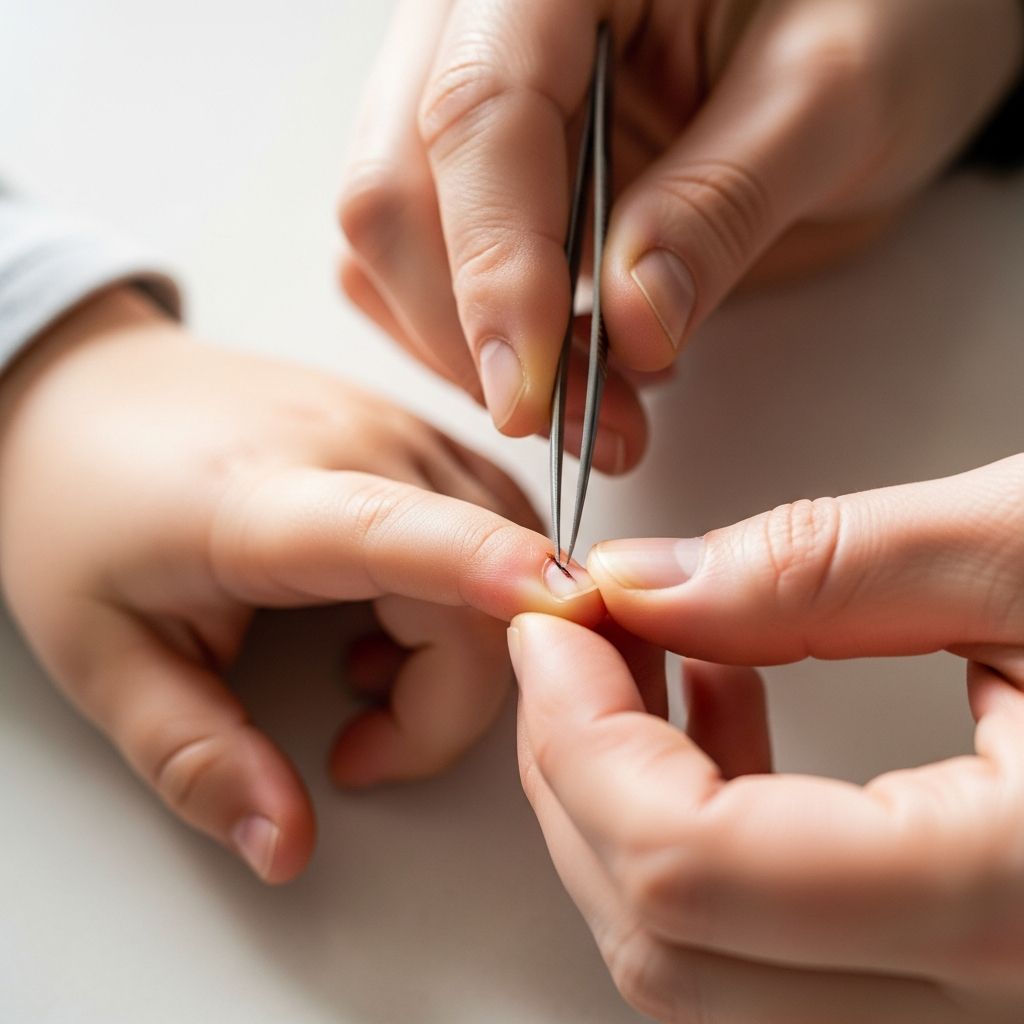
Splinters are common injuries in active children, often occurring during play in gardens, parks, or workshops. These tiny fragments of wood, glass, metal, or other materials can embed in the skin, causing discomfort or pain. Prompt and proper handling at home can prevent complications like infections, while knowing limits ensures timely medical intervention. This guide equips parents with evidence-based strategies drawn from pediatric health authorities.
Understanding Splinters: What Parents Need to Know
A splinter is essentially a foreign object—a sharp piece of material lodged under the skin’s surface. In children, they frequently appear on hands, feet, fingers, or toes due to barefoot running, crafting, or outdoor adventures. While most are superficial, some penetrate deeper, leading to pain or swelling.
Not all splinters require immediate action. Very small, shallow ones near the skin’s top layer, especially if painless, often work their way out naturally as skin cells shed over days. However, ignoring painful or deep ones risks inflammation or bacterial entry. Materials vary: wood absorbs moisture and may splinter further; glass or metal stays intact but can be harder to grasp.
Spotting a Splinter: Key Signs and Symptoms
Children might not always articulate discomfort clearly, so parents should watch for these indicators:
- A visible dot, line, or dark speck beneath the skin, commonly on extremities.
- Tenderness or sharp pain when touching or using the affected area.
- Sensation of something ‘stuck’ inside, even if not visible.
- Mild redness or swelling around the entry point.
In feet, symptoms intensify with weight-bearing, causing limping. Deeper embeds may not show externally but cause throbbing. Differentiate from blisters or insect bites by probing gently—no foreign feel in those cases.
Safe Home Removal Techniques for Splinters
Most splinters can be extracted at home with minimal tools and care. Always start by washing hands and the injury site with soap and water to minimize infection risk.
Tools You’ll Need
| Tool | Purpose | Tips |
|---|---|---|
| Sterilized tweezers | Grasping protruding ends | Wipe with alcohol; fine tips work best. |
| Sterile needle | Exposing embedded tips | Boil or alcohol-clean; use sparingly. |
| Soap and water | Cleaning | Mild, fragrance-free preferred. |
| Antibiotic ointment | Post-removal protection | Over-the-counter like bacitracin. |
| Adhesive bandage | Covering the site | Breathable for moisture control. |
Step-by-Step Removal Process
- Calm and Position: Distract your child with a toy or story. For painful spots like feet, have them sit comfortably.
- Numb if Needed: Apply ice wrapped in cloth for 2-5 minutes to reduce sensitivity and movement.
- Protruding Splinter: Grip the exposed end firmly with tweezers and pull steadily in the entry direction—avoid squeezing skin.
- Shallow Embedded: Gently prick overlying skin with needle tip to free the end, then tweezers out. Avoid digging deeply.
- Post-Extraction: Rewash thoroughly, pat dry, apply thin ointment layer, and bandage loosely.
Success rate is high for superficial cases; stop after 1-2 attempts if unsuccessful.
Special Cases: Tricky Splinters and Locations
Certain splinters demand caution:
- Under Nails: Extremely painful; do not force. Seek professional removal to avoid nail damage.
- Feet or Joints: Walking aggravates; soak in warm water 10 minutes to soften skin first.
- Tiny or Multiple (e.g., Fiberglass): Tape method—press sticky side over area and peel gently. Or leave superficial painless ones.
- Deep or Broken: Risk of fragments remaining; professional tools needed.
For fishhooks or needles, never pull barbs—cut shank if possible and push through, but call experts first.
Aftercare Essentials to Promote Healing
Proper follow-up prevents 90% of complications:
- Keep bandaged 1-2 days, changing daily.
- Apply ointment twice daily until healed.
- Monitor 48 hours: normal mild soreness fades; encourage handwashing.
Soak in warm soapy water if tender persists, aiding natural expulsion. Avoid tight shoes on foot splinters.
Red Flags: When to Contact a Doctor Immediately
Escalate care without delay if:
- Splinter resists after 2 tries or embeds deeply.
- Heavy bleeding won’t stop with pressure.
- Infection signs: expanding redness, warmth, pus, swelling, or fever.
- Under nail/fingernail or near eye/joint.
- No recent tetanus vaccine (within 5 years for dirty wounds).
- Child unwell or wound from animal/rust.
Professionals use imaging (ultrasound for non-visible) or minor surgery for stubborn cases. Antibiotics treat confirmed infections.
Preventing Splinters: Practical Strategies for Families
Proactivity reduces incidents:
- Supervise barefoot play; enforce shoes in woodsy areas.
- Gloves for gardening/crafts with kids.
- Regular yard cleanup of thorns/sticks.
- Teach hazard avoidance: no handling broken glass.
- Keep tetanus shots current per pediatric schedule.
Educate older children on reporting sticks immediately.
Common Myths About Splinter Care Debunked
| Myth | Fact | Why It Matters |
|---|---|---|
| Digging always works | Can worsen embedding/infection | Leads to ER visits unnecessarily. |
| All need removal | Tiny painless ones self-resolve | Avoids trauma. |
| Baking soda draws out | No evidence; soap/water sufficient | Delays proper care. |
| Ignore if small | Monitor for infection always | Prevents abscesses. |
Frequently Asked Questions (FAQs)
What if my child has multiple tiny splinters from plants?
Use duct tape to lift them en masse after washing. For cactus/fiberglass, shower with water first. Leave pain-free superficial ones.
Can splinters cause long-term issues?
Rarely, if untreated: granulomas or infections. Complete removal and hygiene resolve most.
How soon after injury should I act?
Ideally within hours—fresh tracks aid extraction before skin seals.
Is hydrogen peroxide safe post-removal?
Mild use ok, but soap/water preferred to avoid tissue irritation.
What about splinters in toddlers who won’t stay still?
Sedate with snack/video; ice numbs. If impossible, pediatrician visit safer.
References
- Splinters in Children — Stanford Medicine Children’s Health. 2023. https://www.stanfordchildrens.org/en/topic/default?id=splinters-in-children-90-P02851
- Splinters in Children — University of Rochester Medical Center. 2023. https://www.urmc.rochester.edu/encyclopedia/content?contenttypeid=90&contentid=p02851
- Splinters: First Aid — Nemours KidsHealth. 2023. https://kidshealth.org/en/parents/splinters-sheet.html
- Splinter Removal — American Academy of Family Physicians (AAFP). 2003-06-15. https://www.aafp.org/pubs/afp/issues/2003/0615/p2557.html
- Sliver or Splinter — Seattle Children’s Hospital. 2023. https://www.seattlechildrens.org/conditions/a-z/sliver-or-splinter/
- How to Remove Splinters? — Cincinnati Children’s Hospital. 2023. https://www.cincinnatichildrens.org/health/s/splinters
- Splinters and Other Foreign Bodies in the Skin — HealthyChildren.org (AAP). 2023. https://www.healthychildren.org/English/health-issues/conditions/skin/Pages/Splinters-and-Other-Foreign-Bodies-in-the-Skin.aspx