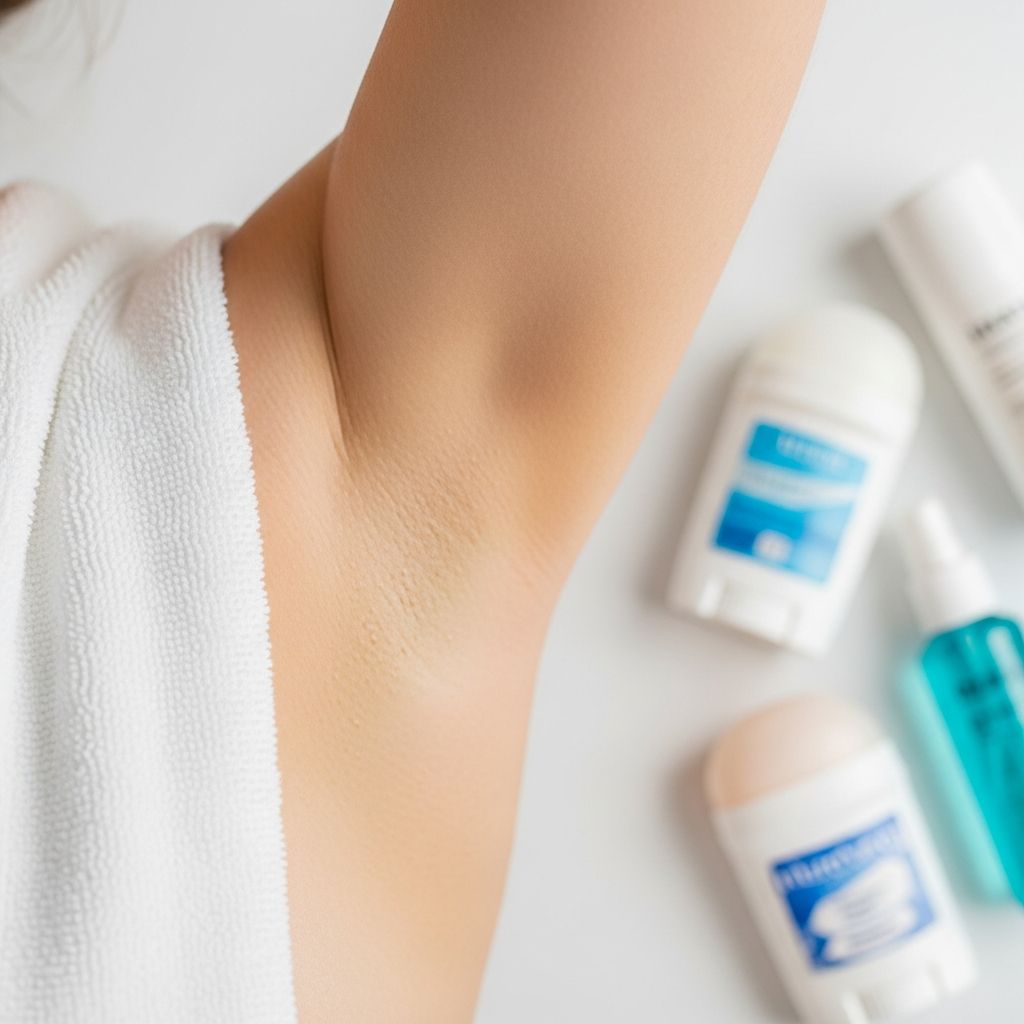
Sticky, waxy pits, shirts that never feel truly clean, and underarms that seem dull or irritated are often signs of deodorant or antiperspirant buildup. Instead of scrubbing your skin raw or throwing away your favorite tops, a smarter strategy is to understand why that residue forms and how to gently reset both your skin and your clothes.
What Is Deodorant Buildup?
Deodorant buildup is the gradual accumulation of product, sweat, skin oils, and dead skin cells in the underarm region and in the fabric that touches it. Over time, the mixture can form a waxy or sticky layer on your skin and stiff, discolored patches on your clothing.
Antiperspirants often contain ingredients that are designed to stay put and block sweat for many hours. That staying power is helpful for odor control, but when fresh layers go on top of older residue, the buildup can eventually interfere with comfort, appearance, and even how well your products work.
Common Signs You Have Buildup
You do not need a microscope or special tools to figure out whether you are dealing with buildup. Your skin and clothing give you plenty of clues if you know what to look for.
- Underarm skin feels waxy, coated, or tacky even after you rinse with water.
- Soap does not seem to lather well in the underarm area compared with the rest of your body.
- Shirts show stiff, crunchy, or discolored patches in the armpit area.
- Odor seems to linger even after showering and putting on fresh clothes.
- Razor blades feel dull faster when shaving your underarms, or shaving tugs at the skin.
Experiencing one of these signs once in a while is normal, but when you notice several of them frequently, it is a strong indicator that buildup is playing a role.
Why Deodorant Buildup Happens
Most people assume residue appears because they are not rinsing thoroughly enough. In reality, even the most diligent shower routine can struggle against formulas designed to be long-lasting and water-resistant.
Deodorant and antiperspirant buildup usually happens due to a combination of these factors:
- Heavy or waxy formulas: Sticks, gels, and creams can contain oils, waxes, and film-forming agents that grip the skin.
- Antiperspirant salts: Ingredients that temporarily plug sweat ducts may not dissolve easily with a quick rinse.
- Layering without removal: Applying new product every day without fully clearing the previous layer leads to gradual accumulation.
- Infrequent exfoliation: Dead skin cells cling to residue, making the buildup thicker and more stubborn.
- Tight or synthetic fabrics: Certain fabrics trap product and sweat, making it harder for your skin and clothing to breathe and release residue.
Short-Term Fix vs. Long-Term Strategy
It can be tempting to attack buildup with aggressive scrubbing or harsh chemicals, especially if your underarms feel coated. While that may deliver short-term satisfaction, it risks damaging your skin barrier and creating more irritation over time.
A better approach combines a gentle but thorough removal routine now with a long-term maintenance plan. The goal is not a one-time “detox,” but a simple system that keeps your underarms clean, comfortable, and low on residue week after week.
Preparing to Reset Your Underarms
Before starting any deeper cleansing routine, it helps to do a quick check of your current habits and products. A few small changes can make your efforts more effective and more comfortable.
Step 1: Pause Heavy Products (If You Can)
If your schedule allows, consider taking a day or two off from your strongest or heaviest antiperspirant. You can switch to a lighter deodorant, use a minimal amount, or choose breathable clothing on days when sweating a bit more is manageable.
Step 2: Gather Gentle Tools
You do not need expensive treatments to reset your underarms. Helpful items might include:
- A mild, fragrance-free cleanser for sensitive skin.
- A soft washcloth or silicone cleansing pad.
- A gentle chemical exfoliant formulated for body use (optional, but useful).
- A soothing, fragrance-free moisturizer or lightweight lotion.
Gentle Routine to Remove Underarm Buildup
The key to lifting residue is combining time, water, and mild exfoliation rather than relying on force. The routine below is designed to be repeated several times over a week, not forced all at once in a single harsh session.
1. Soften the Residue With Warm Water
At the start of your shower, wet your underarms thoroughly with warm (not hot) water and leave them alone for at least a minute or two while you wash your hair or body. Allowing the area to stay damp helps to loosen the bond between product and skin.
2. Cleanse With a Mild, Low-Foam Wash
Apply a small amount of gentle cleanser to the underarm area and use your hands to massage it in circles for 30–60 seconds. Focus on slow, thorough contact rather than scrubbing vigorously. Low-foam formulas often rinse more cleanly and may be less drying than very sudsy washes.
3. Add Soft Physical Exfoliation
Once the cleanser has had time to work, use a soft washcloth or silicone pad in light, short strokes. Limit yourself to one brief pass over each area rather than going over the same spot repeatedly. The goal is to nudge away softened residue and dead skin, not to sand your underarms.
4. Rinse Longer Than You Think
Rinse your underarms with warm water for an extra 20–30 seconds after you think all the cleanser is gone. Product can hide in folds of skin, and residue that is only partially removed tends to build back up quickly.
5. Pat Dry and Moisturize
Gently pat—do not rub—your underarms dry with a clean towel. If your skin feels tight or sensitive, apply a very thin layer of a fragrance-free moisturizer and let it absorb completely before applying deodorant or antiperspirant.
Deep-Clean Options for Stubborn Residue
If your buildup has been accumulating for months or years, a standard shower routine may not be enough on its own. Certain targeted strategies can help, but they must be done with care to protect the delicate underarm area.
Gentle Chemical Exfoliation
Body products containing low levels of alpha hydroxy acids (AHAs) or beta hydroxy acids (BHAs) can help loosen dead skin cells and boost the shedding of surface buildup. Use only formulas made for body use and follow the label instructions.
- Start slowly, such as once or twice per week.
- Apply a small amount to clean, dry skin.
- Discontinue if you notice burning, peeling, or significant redness.
Short “Mask” Sessions With Mild Products
Some people like to use gentle clay or gel masks designed for sensitive skin on the underarms to help lift surface oils and residue. If you try this, keep contact time short and patch test first on a nearby area to ensure your skin tolerates the product well.
How Your Deodorant Formula Affects Buildup
Not all deodorant and antiperspirant formulas behave the same way on your skin. Understanding the main types makes it easier to choose a product that matches your body chemistry and lifestyle while causing minimal residue.
| Type | Typical Texture | Buildup Tendency | General Tips |
|---|---|---|---|
| Solid stick antiperspirant | Waxy, creamy | High (especially with daily layering) | Apply thin layers and cleanse thoroughly; consider periodic underarm “reset” weeks. |
| Gel or clear antiperspirant | Slick, jelly-like | Moderate | Allow to dry fully before dressing to reduce transfer to clothing. |
| Aerosol spray | Light mist | Low to moderate | Hold the can at the recommended distance to avoid overapplication. |
| Traditional deodorant without antiperspirant | Varies (stick, roll-on, cream) | Low to moderate | Focus on controlling odor bacteria; buildup is usually easier to remove. |
| “Natural” or alternative deodorant | Often buttery or balmy | Variable | Even plant-based oils and waxes can create residue, so gentle cleansing is still important. |
Daily Habits to Prevent Buildup From Returning
Once your underarms feel smoother and less coated, you can keep them that way with a few streamlined habits. Prevention is far easier on your skin than repeatedly trying to strip away heavy layers.
- Apply only what you need: A thin, even layer is usually enough; overapplication does not always increase effectiveness.
- Let products dry: Giving deodorant or antiperspirant a minute to set reduces smearing and clothing transfer.
- Incorporate light exfoliation: Use a soft cloth or gentle body exfoliant once or twice a week.
- Rotate formulas if helpful: Some people find that alternating between heavier and lighter products prevents stubborn residue.
- Choose breathable fabrics: Natural or moisture-wicking materials under the arms can help minimize trapped sweat and product.
Protecting Your Clothes From Deodorant Residue
Underarm buildup rarely stays on your skin alone. Over time, it can migrate to your shirts, leading to stains, stiffness, and lingering smells. A few simple practices can extend the life of your wardrobe.
- Allow deodorant or antiperspirant to dry completely before dressing, especially with tight sleeves.
- Turn shirts inside out before washing so detergent reaches the underarm area directly.
- Pre-treat underarm zones on clothes with a gentle detergent or stain solution before laundering.
- Avoid very hot dryer settings, which can set stains if residue is still present.
If certain tops already have noticeable residue, you may need a separate fabric-care routine to address older deposits. Treating clothes and skin together often produces the best long-term results.
When Irritation or Odor Persists
Sometimes buildup is only part of the picture. If your underarms remain very red, itchy, or painful despite gentler care, you may be dealing with sensitivity to a product ingredient, friction from clothing, or a separate skin condition.
In that case, it can be helpful to:
- Switch to fragrance-free or sensitive-skin formulas temporarily.
- Wear looser tops for a few days to reduce rubbing.
- Talk with a healthcare professional if irritation or odor does not improve.
Quick Underarm Buildup Checklist
If you suspect your deodorant is no longer performing well, or your underarms feel “off,” run through this short checklist. A few small adjustments can make your routine feel refreshingly simple again.
- Has it been months or years since you changed your deodorant type or brand?
- Do you reapply multiple times a day without washing in between?
- Are you using very hot water or rough scrubbing instead of gentle, longer rinses?
- Do your shirts feel stiff or look discolored in the underarm area?
- Have you been skipping any kind of exfoliation on your body?
FAQs About Deodorant Buildup and Underarm Care
1. Is deodorant buildup dangerous?
For most people, deodorant or antiperspirant buildup is more of a comfort and cosmetic issue than a serious health threat. The main concerns include irritation, trapped odor, and frustration with clothing stains, all of which usually improve with gentler cleansing and smarter product use.
2. How long does it take to clear old residue?
The timeline depends on how thick the buildup is and how your skin behaves. Some people notice smoother, fresher underarms after a few focused showers, while long-standing residue and clothing deposits can take several weeks of consistent care to fully improve.
3. Do I need to stop using antiperspirant completely?
Not necessarily. Many people successfully continue using antiperspirant after they adopt better cleansing and application habits. If you prefer the dryness it provides, you can focus on applying thinner layers, rotating products, and incorporating mild exfoliation rather than quitting altogether.
4. Are natural deodorants automatically better for buildup?
Natural or alternative formulas can reduce certain types of residue, but they are not a guaranteed solution. Many still rely on oils and waxes that can accumulate if they are applied heavily and not cleansed thoroughly, so you will want to maintain the same gentle, consistent care routine.
5. Can shaving make buildup worse?
Shaving itself does not create buildup, but it can highlight it. Razor blades moving over waxy residue have a harder time gliding, which may lead to tugging, nicks, or irritation. Clearing older layers before shaving and using a fresh, sharp razor can make the process much smoother.
6. Should I scrub my underarms until they squeak?
That squeaky feeling can actually signal an overly stripped skin barrier, not cleanliness. Instead of aiming for squeakiness, aim for skin that feels clean, soft, and calm after washing, with no stinging or tightness.
7. How often should I “reset” my underarms?
There is no universal schedule, but many people find that a focused week or weekend of extra attention every few months—combined with consistent daily habits—is enough to keep residue from becoming a major problem again.