Understanding Baby Spit-Up Stains
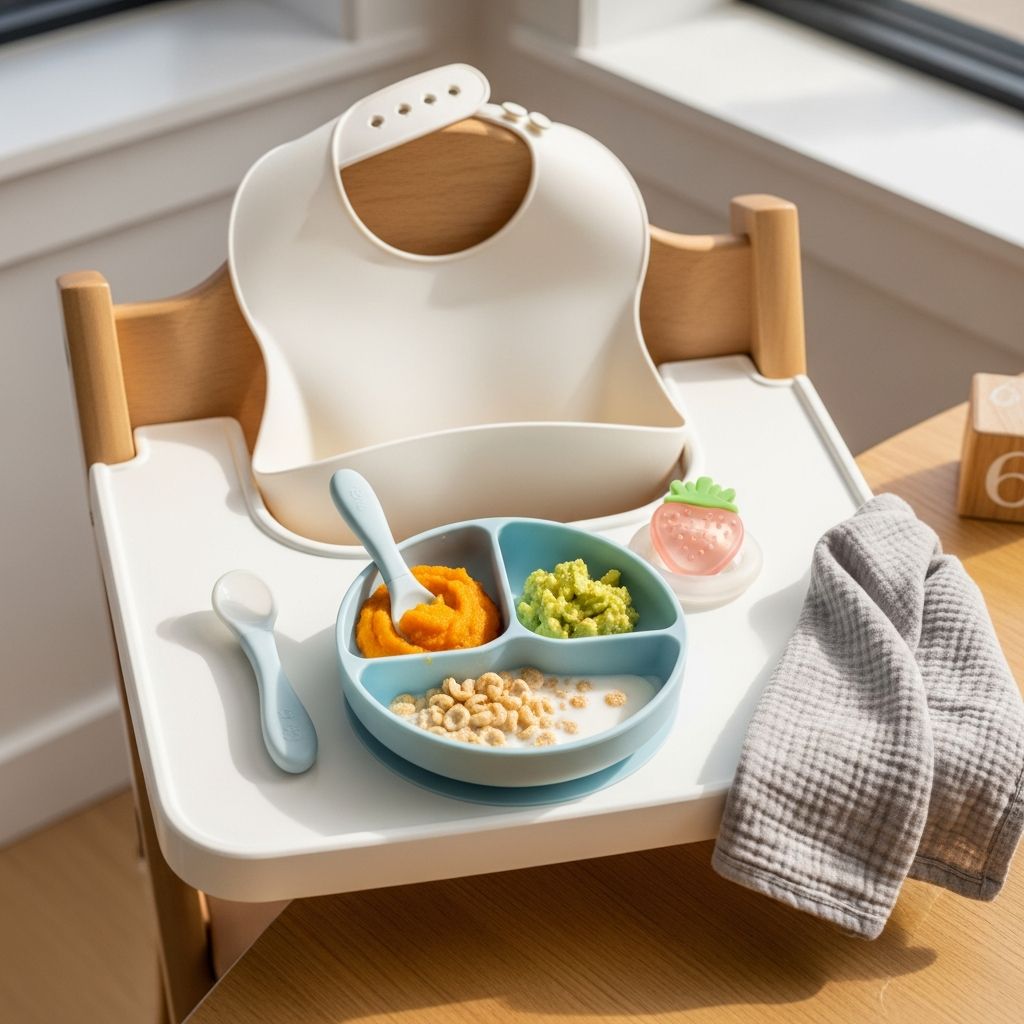
Baby spit-up stains are a common challenge for parents, often appearing on clothing, bedding, and even carpets. These stains are primarily protein-based, which means they can set quickly if not treated promptly. The key to successful removal is acting fast and using the right cleaning agents to break down the proteins without damaging fabrics or surfaces .
Immediate Steps for Fresh Stains
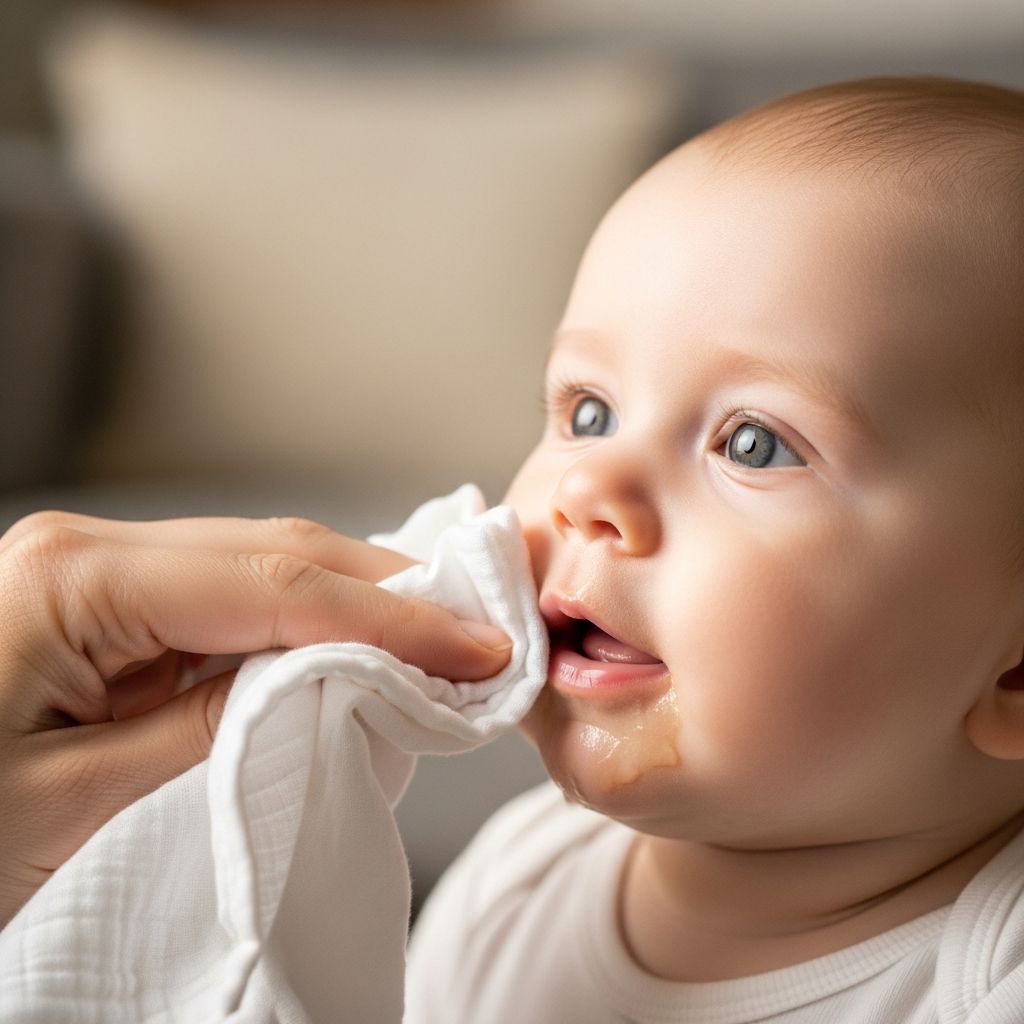
- Blot the area gently with a clean, white cloth or towel to absorb as much of the spit-up as possible. Avoid rubbing, as this can spread the stain further .
- Rinse the affected area with cool water from the reverse side of the fabric to help push the stain out, not deeper in .
- For clothing, avoid using hot water initially, as it can set protein stains. Stick to cool or lukewarm water for the first rinse .
Best Cleaning Agents for Spit-Up Stains
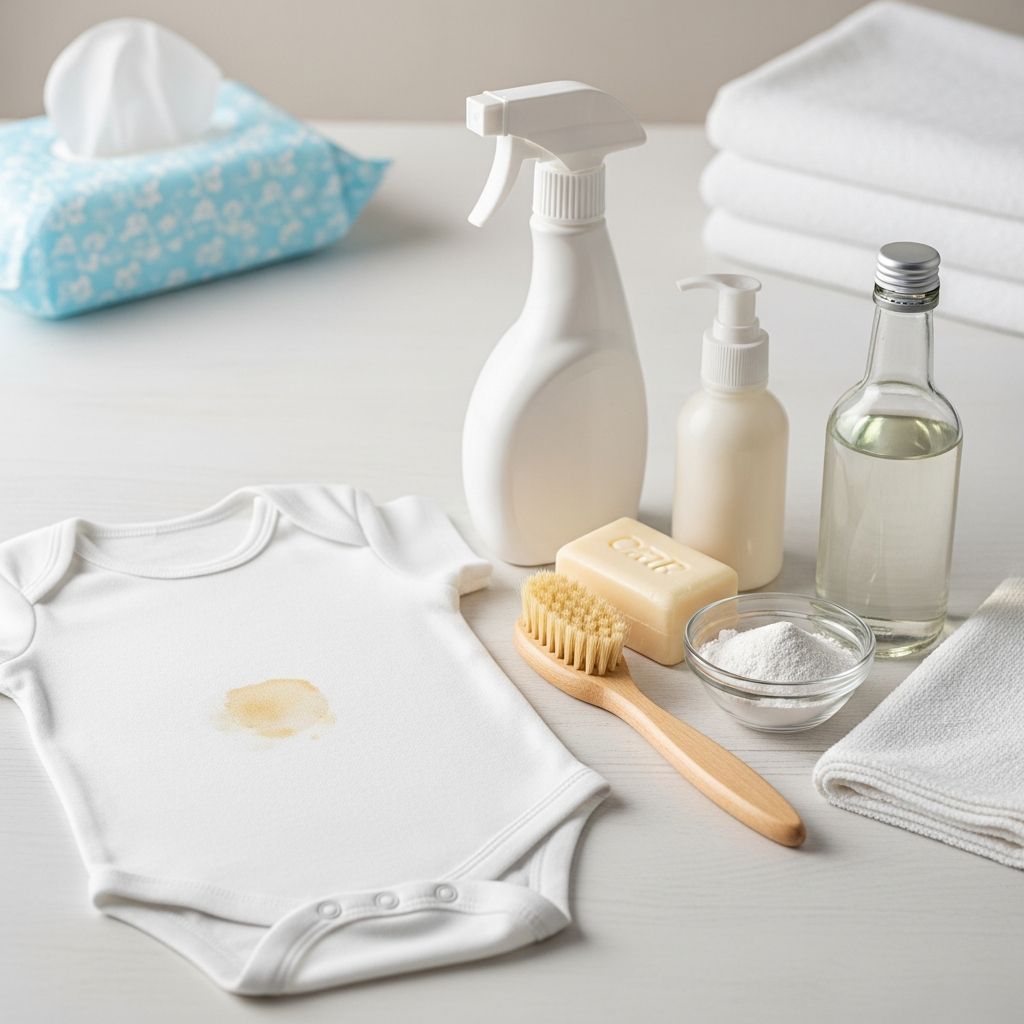
Several household products are effective for removing spit-up stains. The choice depends on the type of fabric and the age of the stain.
- Enzyme-based detergents: These are specially formulated to break down protein stains and are safe for baby clothes. Look for products labeled as baby-safe or hypoallergenic .
- Baking soda: Mix with water to create a paste, apply to the stain, let dry, then scrape off and wash as usual. Baking soda is gentle and effective for both clothes and upholstery .
- Dish soap: A small amount of dish soap (like Dawn) can be applied directly to the stain, gently rubbed in, and left to sit for 20 minutes before washing .
- Oxygen bleach: For older or stubborn stains, oxygen bleach can be used in a soak with cool water. Avoid chlorine bleach, as it can damage fabrics and irritate sensitive skin .
- Vinegar and hydrogen peroxide: These are useful for sanitizing and neutralizing odors after cleaning. Mix with water and spray on the area, then dry thoroughly .
Step-by-Step Removal Methods
Clothing
- Blot and rinse with cool water.
- Apply a small amount of enzyme-based detergent or dish soap directly to the stain.
- Let sit for 15–20 minutes, then wash in the machine using the recommended settings for the fabric.
- For persistent stains, soak in a solution of warm water and baking soda or oxygen bleach for 30 minutes before washing again.
- Air dry and check for any remaining stains before placing in the dryer, as heat can set stains.
Carpets and Upholstery
- Blot up as much of the spill as possible with a clean towel.
- Apply a carpet spot cleaner or a mixture of water and dish soap to the area.
- Let sit for 10–15 minutes, then blot with a damp cloth to remove the cleaner.
- For sanitizing, lightly mist the area with a solution of water and vinegar or hydrogen peroxide, then dry thoroughly.
- Repeat if necessary, and vacuum once dry.
Prevention Tips
- Keep a supply of stain-removal products and clean cloths within easy reach.
- Change baby clothes and bibs frequently to minimize the chance of stains setting.
- Use washable, stain-resistant fabrics for baby bedding and high-chair covers.
- Wash baby clothes as soon as possible after soiling to prevent stains from becoming permanent.
Common Mistakes to Avoid
- Using hot water on fresh protein stains, which can set them permanently .
- Delaying treatment, as older stains are harder to remove.
- Using harsh chemicals or bleach on delicate fabrics, which can cause damage or skin irritation.
- Skipping the blotting step, which can spread the stain and make it larger.
FAQs
Can I use regular laundry detergent for baby spit-up stains?
Yes, but enzyme-based detergents are more effective for protein stains. Regular detergents may not fully remove stubborn stains .
What if the stain is old or yellowed?
Soak the item in a solution of oxygen bleach and cool water for 30 minutes before washing. For very old stains, repeat the process or try a baking soda paste .
Are vinegar and hydrogen peroxide safe for baby clothes?
Yes, when diluted with water. Both are effective for sanitizing and neutralizing odors, but always rinse thoroughly after use .
How can I prevent stains from setting?
Treat stains as soon as possible, use cool water for initial rinsing, and wash clothes promptly after soiling .
Summary Table: Stain Removal Methods
| Stain Type | Recommended Method | Notes |
|---|---|---|
| Fresh spit-up (clothing) | Rinse with cool water, apply enzyme detergent, wash | Avoid hot water |
| Old/yellowed stain (clothing) | Soak in oxygen bleach, wash | Repeat if needed |
| Spit-up (carpet/upholstery) | Blot, apply spot cleaner, sanitize with vinegar/peroxide | Dry thoroughly |
By following these steps and using the right products, parents can keep baby clothes and home surfaces fresh and stain-free. Regular maintenance and prompt action are key to preventing stubborn stains from becoming permanent .