Understanding Sibling Rivalry
Sibling rivalry is a common challenge in many households, often stemming from competition for attention, resources, or parental approval. While some level of disagreement is normal, frequent or intense conflict can disrupt family harmony and impact children’s emotional well-being. Recognizing the root causes—such as jealousy, differences in personality, or developmental stages—can help parents address issues proactively and create a more supportive environment.
Establishing Clear Family Guidelines
Setting clear expectations and rules helps children understand acceptable behavior and reduces confusion about boundaries. Involve children in creating these rules so they feel ownership and are more likely to follow them. Rules should be positive, focusing on how family members treat each other rather than just listing prohibitions. For example, a rule might be: “We use kind words when we talk to each other.” Displaying these rules in a visible place, such as the refrigerator, reinforces their importance.
Encouraging Positive Interactions
Highlighting and praising positive behaviors strengthens sibling bonds and motivates children to repeat those actions. When siblings cooperate, share, or resolve a disagreement peacefully, acknowledge their efforts with specific praise. For instance, “I noticed how you let your brother finish his turn—thank you for being patient.” This approach encourages prosocial behavior and helps children see the value in kindness and teamwork.
Creating Routines and Structure
Consistent routines minimize opportunities for conflict by clarifying expectations and reducing uncertainty. Establishing schedules for activities, chores, and shared spaces helps children know what to expect and reduces arguments over turns or possessions. For example, rotating who chooses the movie or game each day can prevent disputes. Routines also provide a sense of security, making children feel more comfortable and less likely to act out.
Modeling and Teaching Conflict Resolution
Children learn how to handle disagreements by observing adults. Model calm and respectful communication during conflicts, and guide children through resolving their own disputes. Teach them to express their feelings using words, listen to each other, and seek compromises. When conflicts arise, give children time to calm down before discussing the issue, and help them identify solutions together.
Providing Individual Attention
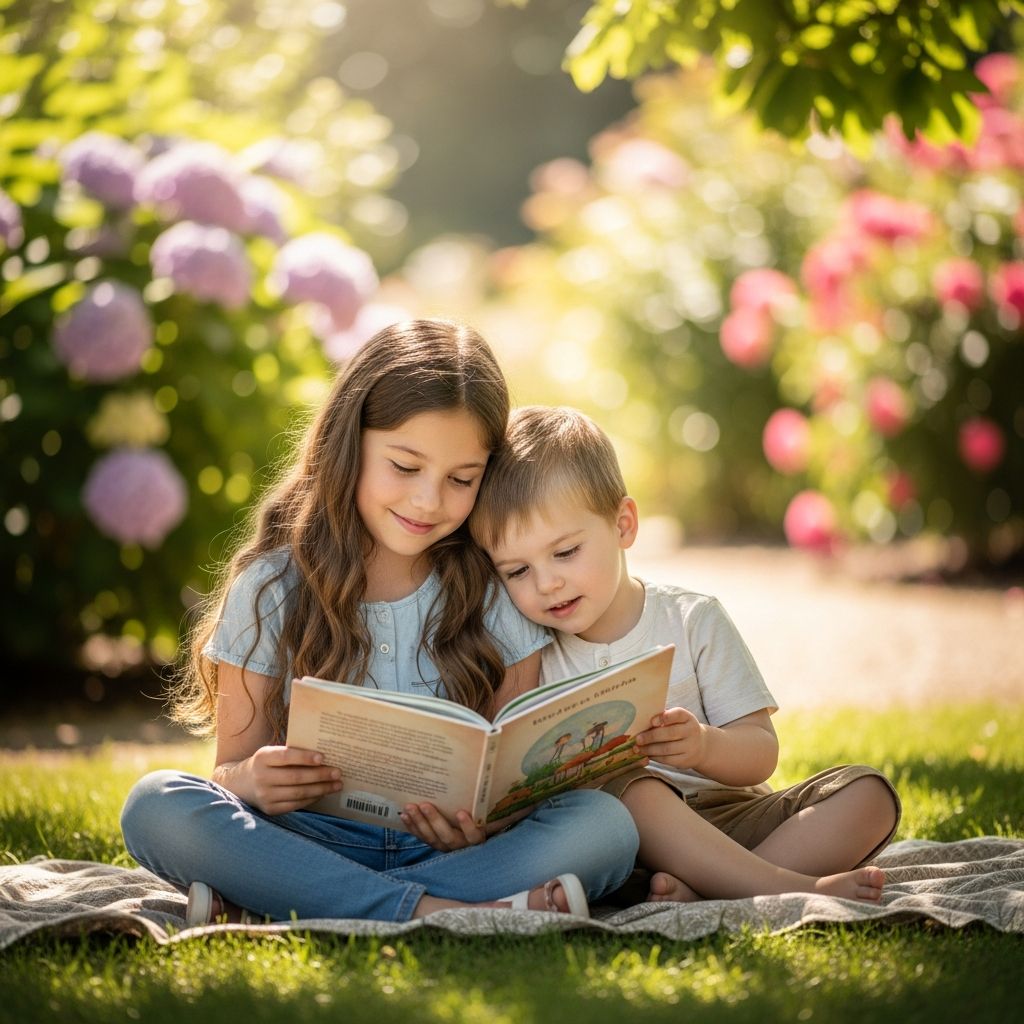
Spending dedicated one-on-one time with each child helps reduce competition for parental attention and strengthens individual relationships. Even short periods of focused interaction—such as reading a book together or taking a walk—can make children feel valued and secure. This individual attention fosters self-esteem and reduces the likelihood of rivalry.
Managing Triggers and Hot Spots
Identify situations that commonly lead to sibling conflict, such as sharing toys or waiting for turns, and plan ahead to minimize friction. Ensure there are enough resources for everyone, and allow children to have some personal items or spaces they don’t need to share. If tensions rise, distract children with a new activity, change the environment, or step in to mediate calmly.
Supporting Emotional Expression
Help children recognize and express their emotions in healthy ways. Encourage them to talk about their feelings, and provide outlets such as drawing, playing music, or physical activity. Validating their emotions and teaching coping strategies helps children manage frustration and reduces the likelihood of aggressive behavior.
Addressing Persistent Issues
If sibling rivalry continues despite efforts to address it, consider seeking professional support. Persistent conflict may be linked to underlying family dynamics or emotional challenges that benefit from expert guidance. Couples counseling can also help parents present a united front, which in turn reduces sibling fighting.
FAQs
- How can I stop my children from fighting over toys?
Ensure there are enough toys for everyone, allow some items to be personal, and teach children to ask before borrowing. Rotate turns and praise sharing. - What should I do when my children argue?
Give them time to calm down, listen to each side, and help them find a solution together. Model calm communication and reinforce positive behaviors. - How can I prevent sibling rivalry?
Establish clear rules, encourage positive interactions, spend individual time with each child, and model healthy conflict resolution. - When should I seek professional help?
If sibling conflict is frequent, intense, or linked to family stress, consider consulting a counselor or therapist.
Key Strategies Table
| Strategy | Benefit | Example |
|---|---|---|
| Clear Family Rules | Reduces confusion and sets expectations | “We use kind words when we talk to each other.” |
| Positive Reinforcement | Encourages prosocial behavior | Praise sharing or cooperation |
| Consistent Routines | Minimizes conflict over turns and resources | Rotate who chooses the movie |
| Individual Attention | Reduces competition for parental attention | Read a book together |
| Conflict Resolution Skills | Teaches healthy ways to handle disagreements | Model calm communication |
By implementing these strategies, families can create a more peaceful and supportive environment where siblings learn to cooperate, resolve conflicts constructively, and build lasting bonds.