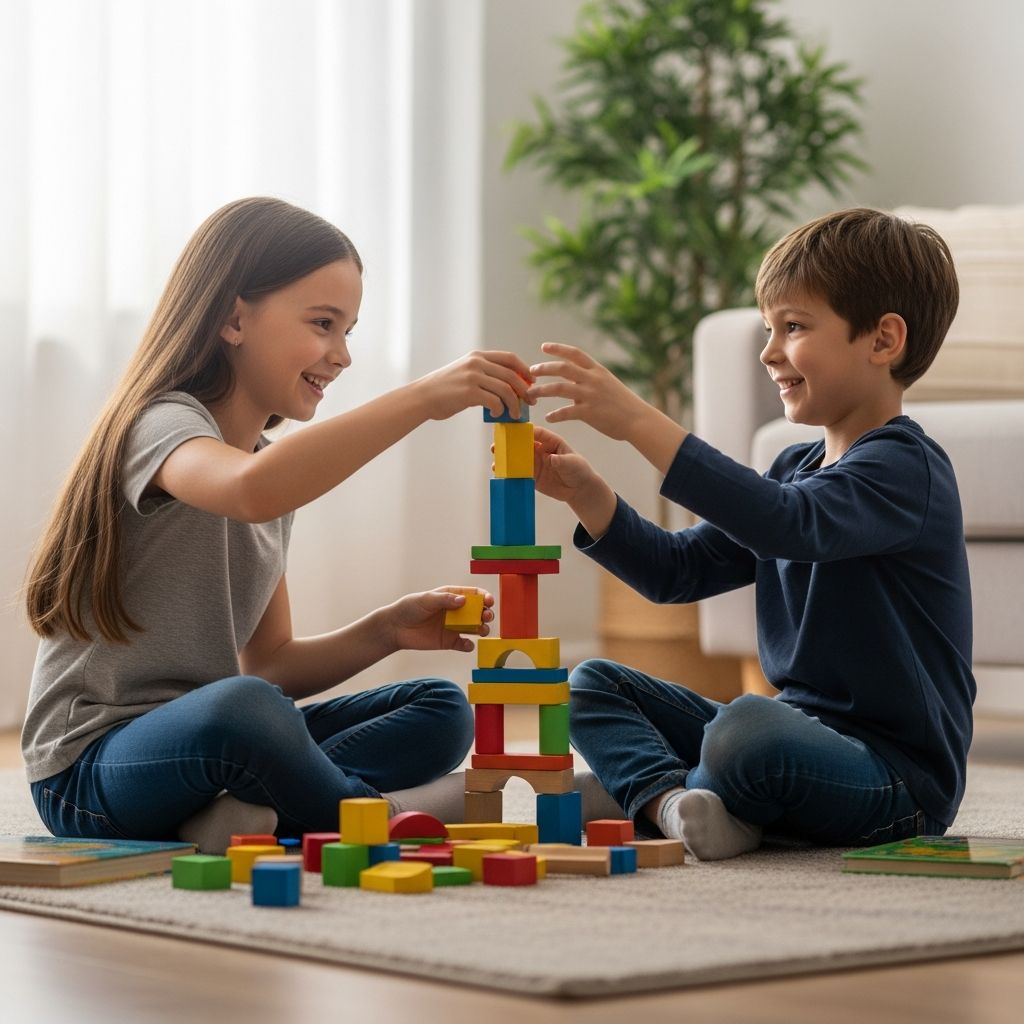
Sibling rivalry is a natural part of family life, often stemming from competition for parental attention, resources, or space. While occasional squabbles build resilience and social skills, constant bickering can strain family relationships. This guide offers original, actionable strategies drawn from expert parenting insights to minimize conflicts and promote cooperation among brothers and sisters.
Understanding the Roots of Sibling Conflicts
Conflicts arise when children vie for limited parental focus or feel overlooked. Younger kids may struggle with sharing due to developmental stages, while older ones test boundaries or seek independence. Recognizing these triggers allows parents to intervene proactively rather than reactively.
Key factors include:
- Attention competition: Children act out to gain notice, as positive behaviors often go unnoticed.
- Developmental differences: Toddlers possess toys before sharing, unlike school-age kids.
- Jealousy triggers: New siblings or uneven praise can escalate tensions.
Addressing these fosters empathy and reduces rivalry over time.
Building Strong Individual Connections
Daily one-on-one time fills children’s emotional needs, curbing rivalry by ensuring each feels valued independently. Dedicate 10-15 minutes per child for undivided attention, focusing on their interests without interruptions.
This ‘special time’—playing games, reading, or chatting—strengthens bonds and preempts attention-seeking fights. Parents report fewer squabbles after consistent implementation, as kids feel secure.
| Age Group | Ideal Activities | Duration |
|---|---|---|
| Under 5 | Playdough, puzzles | 10 min |
| 5-10 | Board games, crafts | 15 min |
| Teens | Talks, walks | 20 min |
Consistency is key; schedule it daily to create anticipation and trust.
Establishing Clear Family Guidelines
Family rules communicate values and prevent escalation. Post simple, enforceable guidelines like ‘no hitting’ or ‘use kind words’ in visible areas.
Rules work best when:
- Created collaboratively with input from all ages.
- Enforced consistently by both parents.
- Paired with positive reinforcement for compliance.
For example, ‘Hands to yourself’ teaches boundaries without stifling play. Logical consequences, like pausing TV over remote fights, reinforce accountability.
Mastering Conflict Intervention Techniques
Assess conflict levels before acting: low-level bickering needs space, while heated exchanges require separation.
Step-by-Step Response Plan:
- Pause and Evaluate: Check for safety—voices rising? Physical contact?
- Separate if Unsafe: Move kids apart calmly until tempers cool.
- Facilitate Dialogue: Acknowledge feelings: ‘You both want the toy— that’s frustrating.’ Guide problem-solving.
- Teach Skills: Model phrases like ‘I feel upset when…’ to build empathy.
Use ‘cool-off’ spots—quiet corners with cushions—for regaining composure, not punishment. Praise resolutions: ‘Great job sharing!’
Promoting Fairness Without Comparisons
Avoid labels like ‘the smart one’ or comparisons, as they breed resentment. Treat each child as unique, praising efforts individually.
Practical tips:
- Celebrate personal milestones separately.
- Assign age-appropriate chores to build responsibility.
- Rotate privileges, like choosing dinner, to ensure equity.
Fairness builds self-esteem, reducing the need to compete.
Teaching Empathy and Sharing Naturally
Empathy develops through modeling and guided practice. Narrate emotions: ‘Your brother looks sad—how can we help?’ Avoid forcing shares; say, ‘She’ll offer when ready,’ encouraging voluntary generosity.
Activities to nurture this:
- Role-playing scenarios.
- Reading books on feelings.
- Family meetings to discuss daily wins.
Over time, kids internalize respect, minimizing possessiveness.
Modeling Calm and Positive Behaviors
Parents set the tone. Stay objective during bickering—intervene only for safety. Demonstrate problem-solving: ‘Let’s figure this out together’.
Self-care matters; take parental timeouts if overwhelmed. Model apologies and forgiveness to teach accountability.
Long-Term Strategies for Lasting Harmony
Beyond immediate fixes, cultivate teamwork:
- Family rituals like game nights.
- Encourage sibling mentorship, e.g., older helping younger with homework.
- Monitor for ongoing issues; seek therapy if aggression persists.
View rivalry as growth opportunity—healthy navigation equips kids for life relationships.
Frequently Asked Questions (FAQs)
Is sibling rivalry normal?
Yes, it’s common and aids social development when managed well.
How much one-on-one time is enough?
10-15 minutes daily per child significantly reduces conflicts.
What if fights involve hitting?
Separate immediately, enforce ‘no hitting’ rules, and teach words over actions.
Can teens still have rivalry?
Absolutely; focus on respect and independence through talks.
When to seek professional help?
If violence or emotional distress continues despite strategies.
References
- How to Reduce Sibling Rivalry: 5 Tips for Fostering Harmony at Home — Positive Parenting Solutions. 2023. https://www.positiveparentingsolutions.com/reduce-sibling-rivalry/
- Coping with Sibling Rivalry — The Center for Parenting Education. 2024-01-15. https://centerforparentingeducation.org/library-of-articles/sibling-rivalry/coping-sibling-rivalry/
- Sibling Rivalry | Helping Hand™ — Nationwide Children’s Hospital. 2025-06-10. https://www.nationwidechildrens.org/family-resources-education/health-wellness-and-safety-resources/helping-hands/sibling-rivalry
- A 3-Step Plan for Navigating Sibling Conflict — Helping Families Thrive. 2024-03-22. https://helpingfamiliesthrive.com/a-3-step-plan-for-navigating-sibling-conflict/