Sibling conflicts are a normal part of family life, but they don’t have to dominate your home. By implementing targeted approaches, parents can significantly decrease arguments and encourage positive interactions among children. This guide draws from established parenting practices to provide actionable steps for lasting change.
Understanding the Roots of Sibling Conflicts
Conflicts between brothers and sisters often arise from competition for parental attention, resources, or recognition. Children may feel overlooked or compared, leading to rivalry that escalates into frequent disputes. Research shows that addressing these underlying causes proactively reduces the frequency and intensity of fights.
Key triggers include unequal perceived attention, labeling children with fixed traits, and lack of personal space. When parents intervene thoughtfully rather than reactively, siblings learn to navigate disagreements independently, building essential life skills.
Building Stronger Connections Through Individual Attention
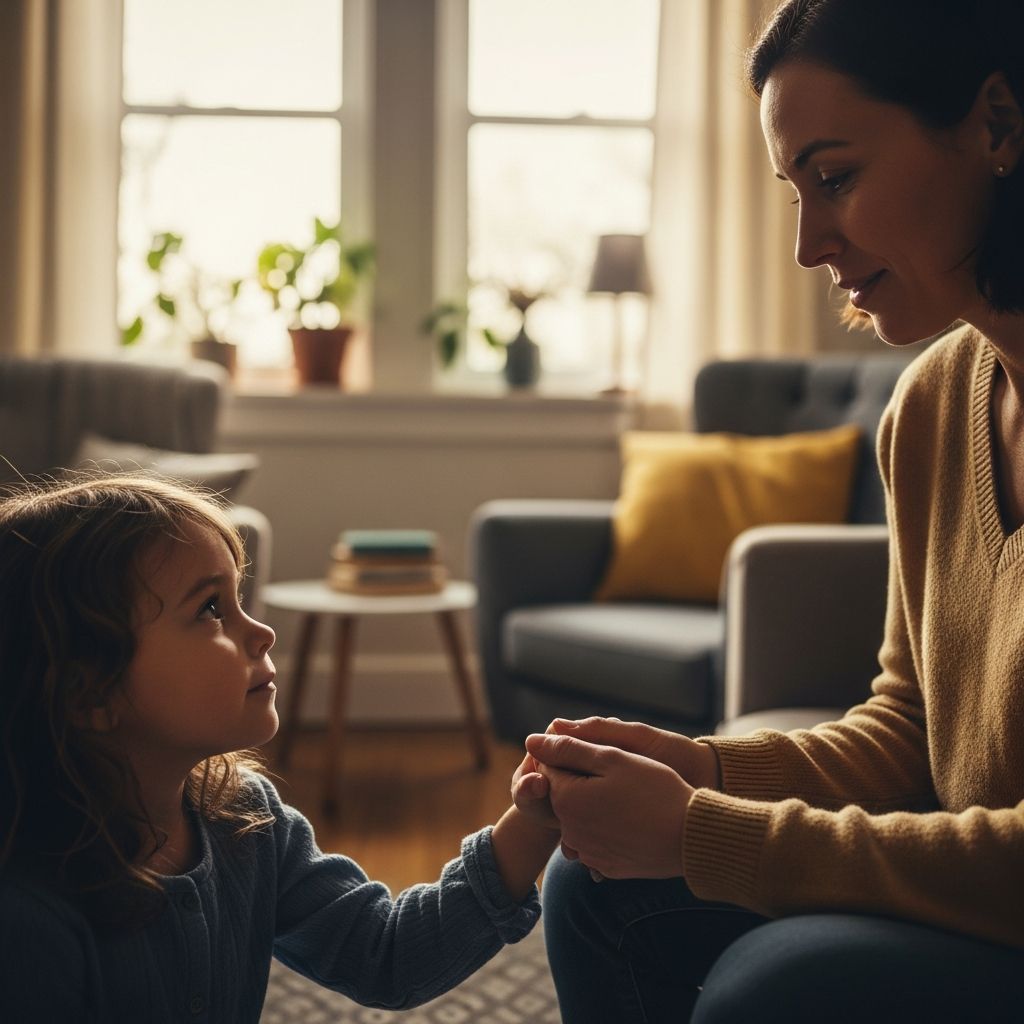
One of the most effective ways to curb rivalry is dedicating short, focused time to each child daily. This ‘special time’ fills their emotional needs, reducing the urge to compete for your focus.
- Schedule 10-15 minutes per child for undivided play or talk, free from distractions.
- Let the child lead the activity to make them feel valued and heard.
- Consistency reinforces security, minimizing attention-seeking behaviors like bickering.
Parents report noticeable improvements in sibling relations after just a few weeks of this practice. It shifts dynamics from competition to cooperation by ensuring each child feels uniquely important.
Avoiding Comparisons and Labels
Labeling children as ‘the shy one’ or ‘the athletic one’ unintentionally fosters division. Such comments create self-fulfilling prophecies and breed resentment among siblings.
| Common Labels | Potential Impact | Better Alternative |
|---|---|---|
| The smart one | Pressure on one, inferiority in others | Praise specific efforts: ‘You worked hard on that puzzle.’ |
| The wild child | Reinforces negative behavior | Focus on positives: ‘I appreciate your energy during playtime.’ |
| The quiet one | Isolates the child socially | Encourage individually: ‘Tell me about your day.’ |
Instead, highlight individual strengths without reference to others. This promotes self-esteem and mutual respect.
Teaching Emotional Regulation and Communication
Equip children with tools to express feelings and calm down during disputes. Start when everyone is relaxed, using role-play with toys to practice scenarios.
- Model calm responses: ‘I see you’re upset. Let’s take deep breaths together.’
- Teach phrases like ‘I feel sad when you take my toy without asking’ to articulate emotions.
- Practice turn-taking and compromise through games that require cooperation.
These skills empower siblings to resolve issues without parental intervention, fostering independence and empathy.
Setting Clear Boundaries and Routines
Consistent rules provide structure, preventing many conflicts. Define expectations for sharing, space, and behavior upfront.
Distinguish between fairness (equal treatment) and equity (based on needs). For example, a tired toddler might need more rest than an energetic teen, explaining decisions transparently reduces accusations of favoritism.
- Establish toy-sharing rules: ‘You can use it when your sibling is done.’
- Create personal zones in shared spaces for downtime.
- Use timers for turns on devices or seats to eliminate debates.
Intervening Effectively During Disputes
Not all fights require stepping in. Minor squabbles build resilience, but intervene for safety or patterns of bullying.
- Ensure physical safety first: Separate if needed.
- Allow cool-down time in separate areas.
- Facilitate dialogue: ‘What happened from your view?’ Validate both sides without blaming.
- Guide to solutions: Brainstorm together and agree on one.
Avoid refereeing or picking sides, as this heightens tensions. Instead, mediate neutrally to teach problem-solving.
Promoting Positive Interactions Daily
Actively reinforce good behavior to make kindness the norm. Praise teamwork immediately and specifically.
- Catch them being good: ‘Great job sharing that game!’
- Plan joint activities they enjoy, like building forts or cooking simple recipes.
- End days positively with bedtime appreciations: ‘What was one nice thing your sibling did today?’.
Capture sweet moments in photos to remind them of their bond during tough times.
Activities to Boost Sibling Cooperation
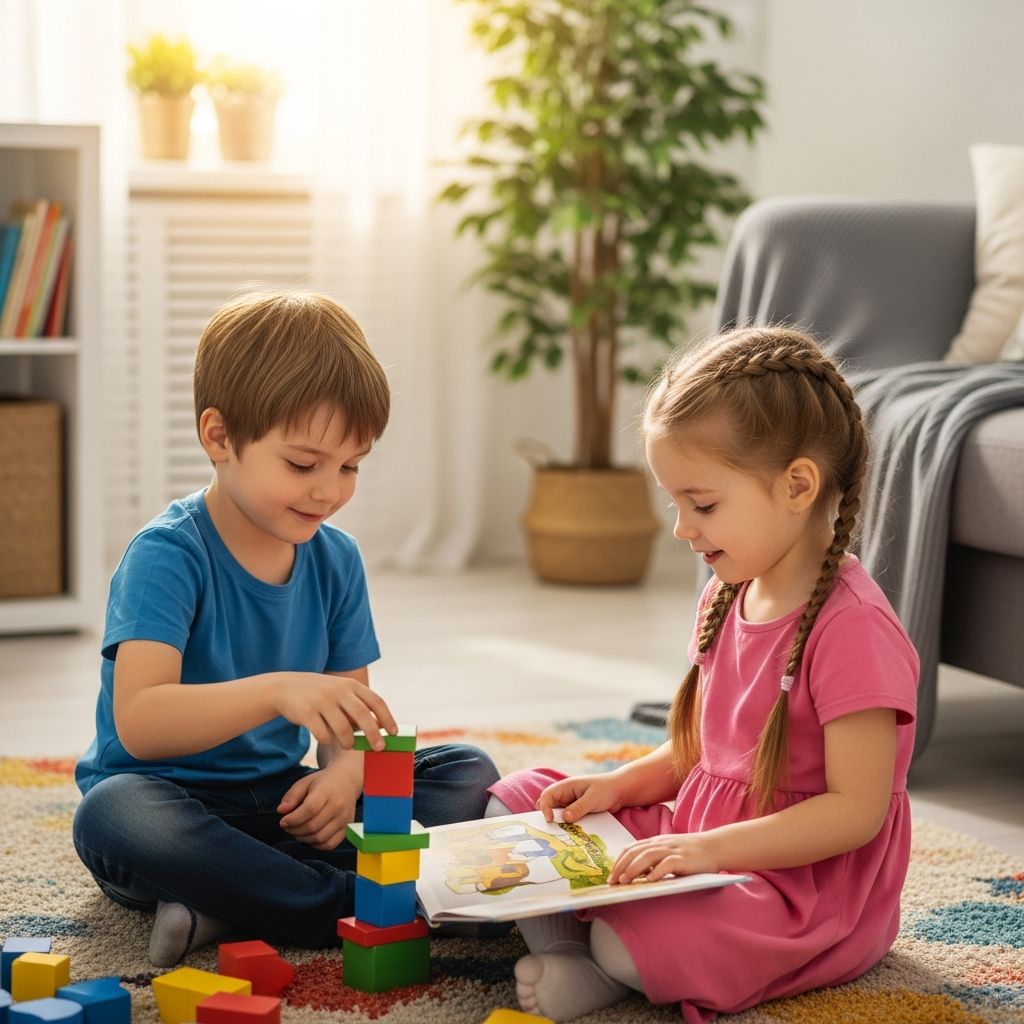
Fun, structured play builds tolerance and joy in togetherness.
| Activity | Skills Developed | How to Play |
|---|---|---|
| Cooperative Challenges | Teamwork, persistence | Build a tower together; no one wins alone. |
| Role-Reversal Games | Empathy | Switch roles in pretend play to understand perspectives. |
| Movement Fun | Energy release | Animal walks or freeze dance, taking turns leading. |
| Story Sharing | Communication | Each adds a sentence to a group story. |
These reduce rivalry by associating siblings with positive experiences.
Long-Term Benefits of Reduced Rivalry
Families using these strategies see deeper bonds, better emotional health, and fewer behavioral issues. Children develop resilience, communication prowess, and lasting friendships with siblings—skills that extend to peers and adulthood.
Consistency is key; combine methods for best results. Track progress weekly to stay motivated.
Frequently Asked Questions
What age is sibling rivalry worst?
It peaks between ages 2-4 when independence emerges, but persists into teens without intervention.
How much one-on-one time is enough?
10-15 minutes daily per child suffices to fill attention needs effectively.
What if one child bullies the other?
Intervene immediately, teach empathy, and monitor patterns; seek professional help if persistent.
Can these work with large age gaps?
Yes, structured short activities bridge gaps and build connections.
How do I stay consistent?
Use reminders, family meetings to review rules, and self-care to avoid burnout.
References
- Sibling Rivalry – Positive Parenting Solutions — Positive Parenting Solutions. Accessed 2026. https://www.positiveparentingsolutions.com/sibling-rivalry/
- How to Manage Sibling Conflict: Practical Strategies for Parents and Caregivers — PracticeWise. Accessed 2026. https://welcome.practicewise.com/how-to-manage-sibling-conflict-practical-strategies-for-parents-and-caregivers/
- Minimizing the Impact of Sibling Rivalry — Colorado CWTS. Accessed 2026. https://coloradocwts.com/minimizing-the-impact-of-sibling-rivalry/
- LADC-Sibling-Rivalry-Handout.pdf — LADC Families. 2024-01. https://ladcfamilies.org/wp-content/uploads/2024/01/LADC-Sibling-Rivalry-Handout.pdf
- Sibling Rivalry – Bright Futures — Bright Futures. Accessed 2026. https://www.brightfutures.org/development/early/rivalry.html