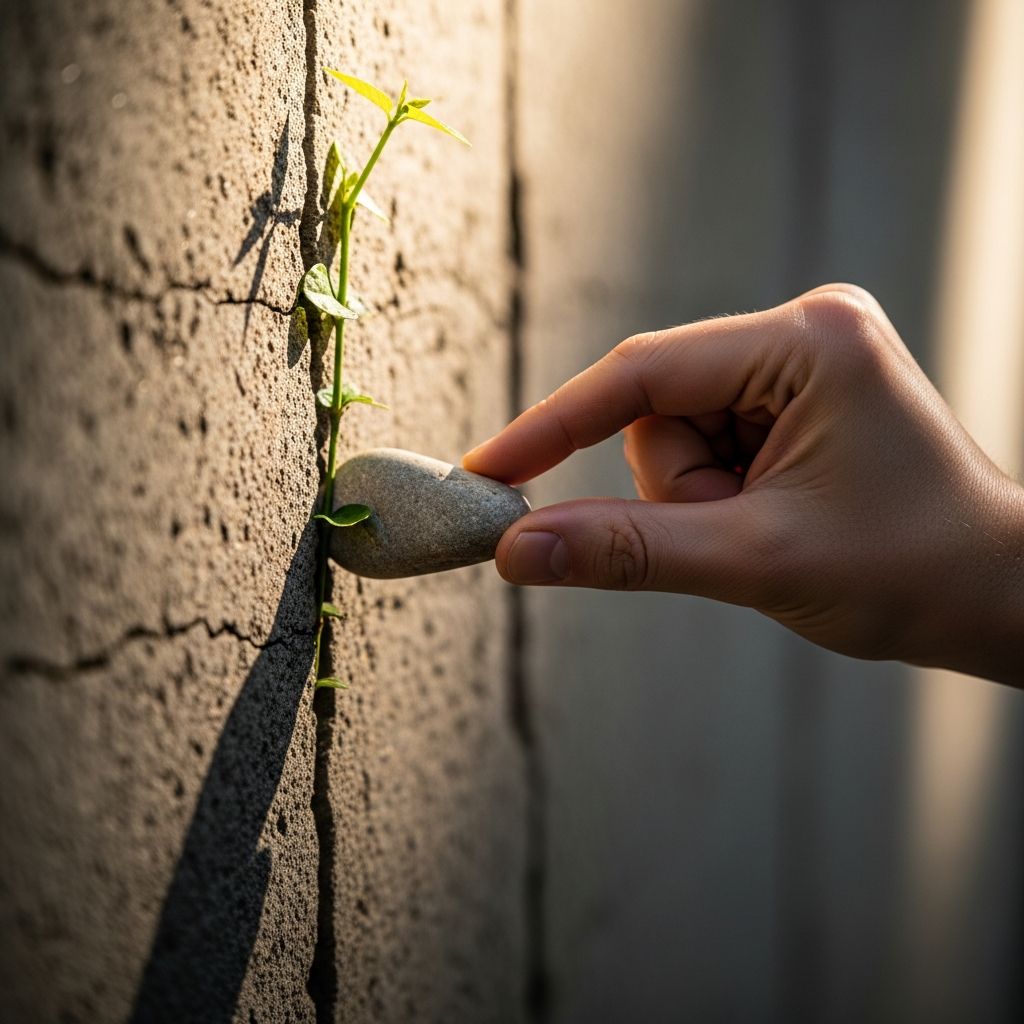
Parenting teenagers involves shifting from hands-on care to empowering them with the tools for self-reliance. This transition builds essential skills like decision-making, accountability, and resilience, preparing them for independent life.
Building a Foundation of Self-Reliance
The journey to responsible adulthood starts with encouraging teens to handle tasks independently. Avoid completing chores or solving problems for them, as this hinders growth. Instead, assign age-appropriate responsibilities, such as managing laundry or preparing simple meals, to instill confidence and capability.
Research from child development experts emphasizes that self-reliance develops when parents step back, allowing teens to navigate challenges. For instance, teaching them to organize their schedules fosters time management skills crucial for future careers and personal life.
- Assign daily chores like dishwashing or room cleaning to build habits.
- Guide them in budgeting pocket money to understand financial responsibility.
- Encourage problem-solving by discussing options rather than providing solutions.
Establishing Clear Family Guidelines
Consistent rules provide structure teens crave amid hormonal changes and peer pressure. Clearly communicate expectations, such as homework completion before screen time, and enforce them uniformly to avoid confusion.
Advance notice for behavioral expectations, like during family outings, helps teens prepare. This clarity reduces conflicts and teaches respect for boundaries, mirroring real-world professional environments.
| Rule Example | Expected Behavior | Consequence for Non-Compliance |
|---|---|---|
| Homework First | Complete assignments before TV or gaming | No electronics until finished |
| Chore Schedule | Handle tasks by 7 PM daily | Lose weekend privileges |
| Curfew | Home by 10 PM on school nights | Grounded for a week |
Mastering Practical Life Skills
Teens need hands-on instruction in everyday tasks. Demonstrate skills like laundry or meal prep step-by-step, then provide written checklists for complex chores such as deep-cleaning. Positive reinforcement, like praising neat folding, motivates repetition.
Create an environment conducive to responsibility: stock accessible cleaning supplies and designate distraction-free study zones. This setup signals trust and supports skill-building.
From evolutionary parenting perspectives, allowing rough play and public outings teaches social awareness and amends-making, vital for interpersonal responsibility.
Embracing Errors as Growth Opportunities
Mistakes are inevitable; treat them as learning moments rather than failures. When a teen forgets lunch money, resist rescuing them—let natural outcomes teach foresight.
Avoid helicopter parenting by permitting safe consequences, building resilience. Discuss post-mistake reflections: “What went wrong? How can we adjust?” This promotes accountability without shame.
- Failed test: Review study habits together.
- Forgotten chore: Natural delay in privileges.
- Peer conflict: Guide apology and resolution.
Modeling Integrity and Adaptability
Teens mirror parental behavior, so demonstrate positive attitudes toward work and chores. Admit errors openly and show corrective actions to exemplify accountability.
For young adults, adaptability is key. Parents should listen actively, offer empathetic guidance, and adjust expectations to modern realities, avoiding comparisons to past generations. Balanced conversations with problem-solving foster healthy parent-teen bonds.
Shifting Responsibilities Across Stages
Parenting evolves in phases: from dependency in early years to expanding autonomy in adolescence. Gradually transfer duties like financial tracking or appointment scheduling, aligning with the teen’s maturity.
This fluid process, guided by observation, ensures teens feel capable without overwhelm. Regular check-ins help redraw boundaries, promoting eagerness for independence.
Financial and Organizational Strategies
Introduce a fixed allowance without extras to teach budgeting. This real-world simulation encourages prioritization. Organizational tools like planners or apps build habits for academic and professional success.
Table of age-based financial milestones:
| Age Group | Allowance Amount | Responsibilities |
|---|---|---|
| 13-15 | $20/week | Track spending, save 20% |
| 16-18 | $50/week | Budget for extras, part-time job |
Maintaining Strong Relationships
Strong parent-adult child ties rely on mutual respect. APA experts note resolving conflicts through open dialogue sustains support networks into adulthood. Encourage adaptability by validating teens’ unique paths amid societal shifts.
Frequently Asked Questions
What if my teen resists chores?
Start small, offer choices, and link to privileges. Consistency and positive feedback build buy-in over time.
How do I handle major mistakes?
Ensure safety first, then facilitate learning. Discuss impacts and solutions collaboratively.
Is it okay to give financial extras?
Limit to fixed allowances to teach real budgeting; extras undermine lessons.
How much independence is too much?
Match to maturity: guide early, observe, and step back as competence grows.
What role does play have in responsibility?
Unstructured play, especially roughhousing, develops social skills and self-motivation.
References
- Ask an Expert: Seven Tips for Raising Responsible Children — Utah State University. 2023-10-12. https://www.usu.edu/today/story/ask-an-expert-seven-tips-for-raising-responsible-children
- Parenting Young Adults: Adaptability — Focus on the Family. 2024-05-15. https://www.focusonthefamily.com/parenting/parenting-young-adults-adaptability/
- Six Ways to Allow Your Child to Become a Responsible Adult — Evolutionary Parenting. 2023-02-05. https://evolutionaryparenting.com/six-ways-to-allow-your-child-to-become-a-responsible-adult-2/
- Tips on Parenting a Child from Zero to Adulthood — Life Over Coffee. 2024-01-20. https://lifeovercoffee.com/tips-on-parenting-a-child-from-zero-to-adulthood/
- Next Stop Adulthood: Tips for Parents — Lansing Pediatric Associates. 2023-11-08. https://lansingpediatrics.com/Resources/Medical-Library/Teens/Next-Stop-Adulthood-Tips-for-Parents
- How parents and their adult children can build strong relationships — American Psychological Association. 2024-09-10. https://www.apa.org/news/podcasts/speaking-of-psychology/parent-adult-children-relationships