In the early months of life, babies thrive when their physical, emotional, and social needs are met consistently. Happiness in infants manifests through contented coos, bright smiles, and relaxed exploration of their world. Parents play a pivotal role by responding promptly to cues, providing stimulation, and establishing predictable routines. This guide draws on expert insights to help you cultivate a joyful environment for your little one.
Building a Strong Emotional Foundation
The cornerstone of a happy baby is a secure attachment with caregivers. From birth, infants seek comfort through eye contact, touch, and responsive interactions. By two months, most babies calm when spoken to or picked up, look at parents’ faces, and smile in response to smiles, signaling early relational health. These moments lay the groundwork for emotional security.
- Engage in frequent skin-to-skin contact to regulate your baby’s heart rate and breathing.
- Respond swiftly to cries, as this teaches trust and reduces stress hormones.
- Mimic facial expressions to encourage social reciprocity, advancing brain development.
Observing your baby’s temperament—whether calm, active, or intense—allows tailored responses. Quiet cuddling balances stimulation, helping babies feel safe amid new experiences.
Understanding Developmental Milestones for Joyful Growth
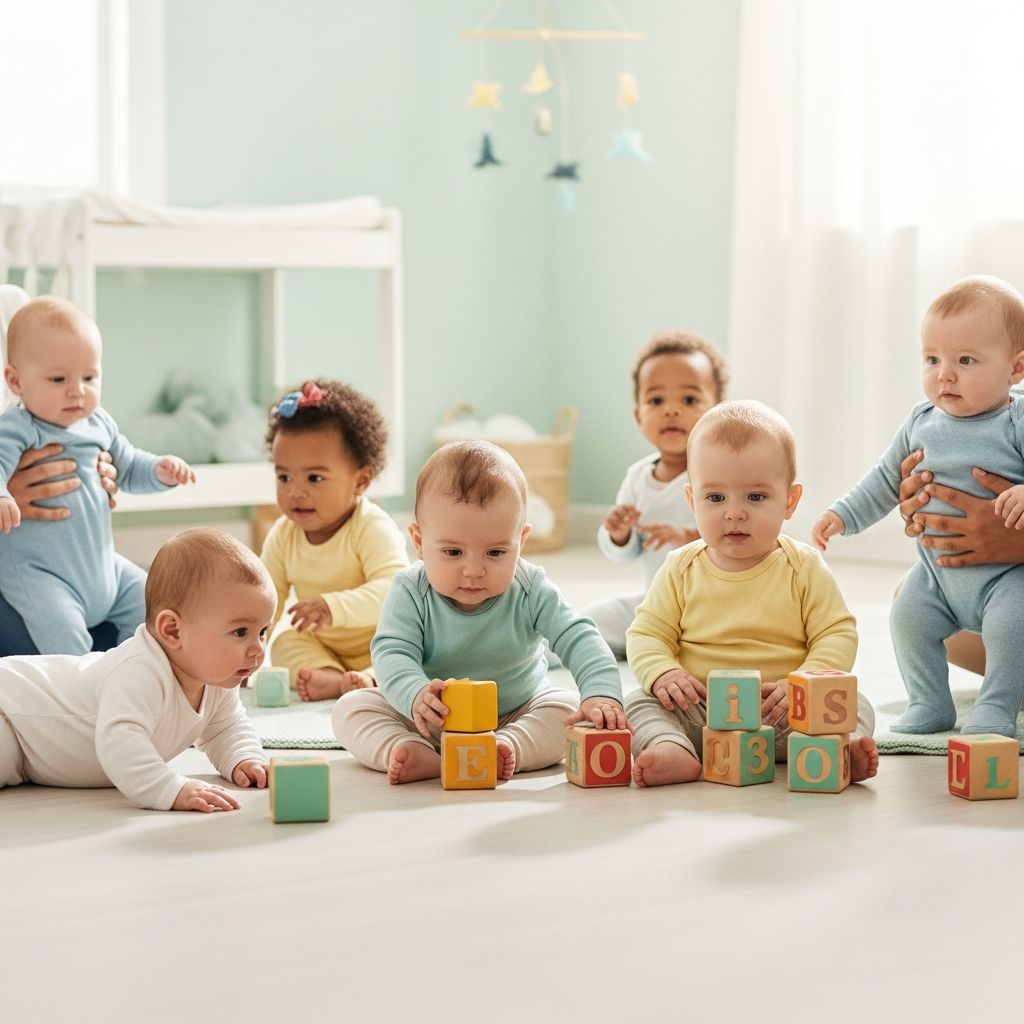
Babies experience rapid changes that fuel happiness when supported appropriately. Tracking milestones ensures needs are met, preventing frustration. Here’s a breakdown of key stages in the first year, based on established health guidelines.
| Age | Gross Motor | Fine Motor | Social/Emotional |
|---|---|---|---|
| 1-2 Months | Moves head side to side on tummy; holds head briefly | Strong grip; opens/closes hands | Smiles responsively; tracks faces |
| 3-4 Months | Pushes up on arms; rolls front to back | Grabs objects; reaches out | Laughs; enjoys play |
| 5-6 Months | Rolls both ways; sits with support | Transfers objects; rakes small items | Babbles; recognizes faces |
| 7-9 Months | Crawls or scoots; sits unsupported | Uses thumb-finger grasp; claps | Plays peekaboo; responds to name |
| 10-12 Months | Stands, cruises, first steps | Turns pages; helps dress | Says mama/dada; imitates play |
These achievements bring delight as babies master skills. Celebrate small wins with enthusiastic praise to boost confidence.
Mastering Sleep: The Path to Restful Nights
Quality sleep is vital for a happy baby, supporting growth and mood. Newborns sleep 16-18 hours daily in short bursts, evolving to longer stretches by 3-6 months. Create a calm routine: dim lights, white noise, and swaddling mimic the womb.
- Distinguish day from night with brighter daytime play and darker evenings.
- Watch for tired cues like yawning or rubbing eyes to avoid overtiredness.
- Encourage self-soothing through brief independent play, fostering longer sleep.
By 6 months, many babies sleep 6-8 hours at night. Consistency prevents disruptions, leading to brighter, more interactive days.
Nutrition Strategies for Contented Feedings
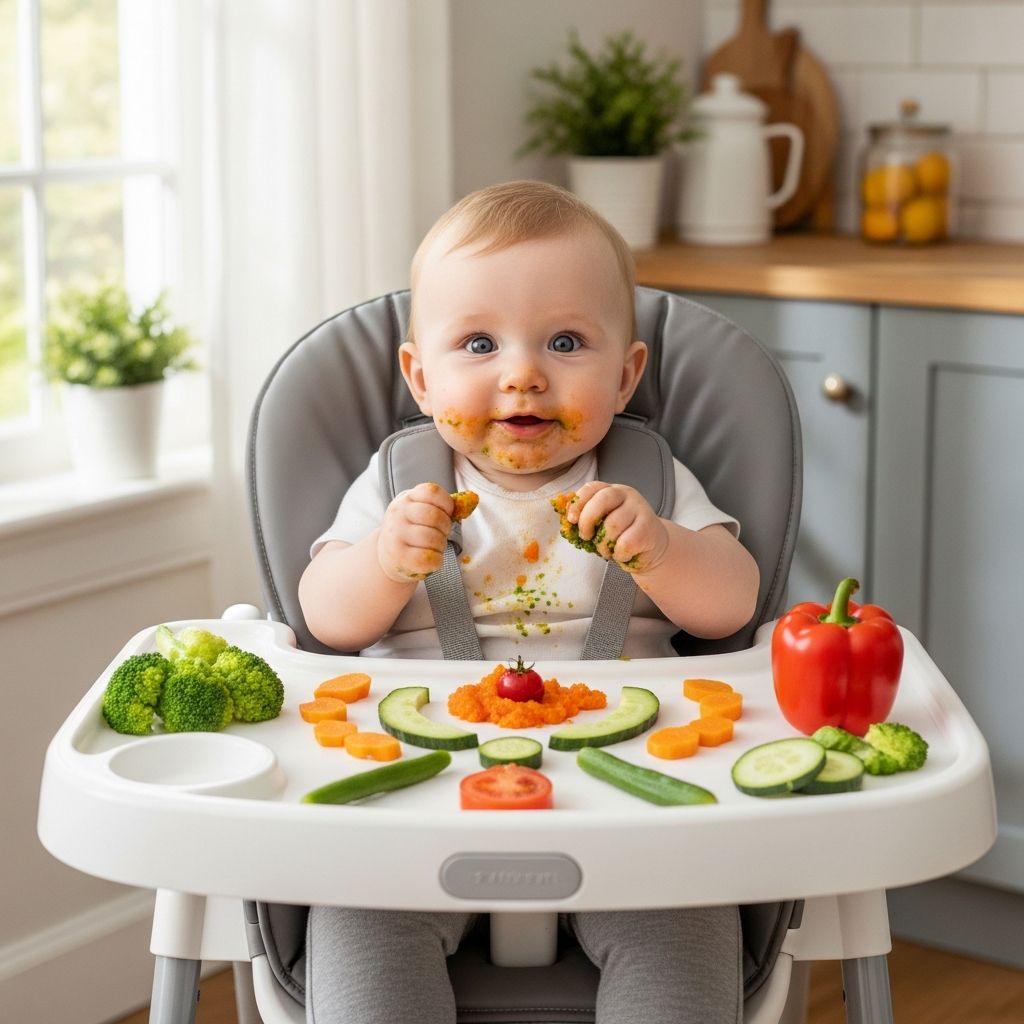
Fed babies are happy babies. Breast milk or formula provides complete nutrition, with hunger cues like rooting or sucking hands guiding timing. Around 6 months, introduce solids alongside milk for varied textures and flavors.
Responsive feeding—offering when hungry and stopping when full—builds healthy habits. By 12 months, babies may express preferences, turning meals into fun games. Hydration matters; offer water in sippy cups post-solids.
Playtime Essentials: Stimulating Mind and Body
Play is a baby’s work, promoting cognitive and physical joy. High-contrast toys in the first months capture attention, evolving to textured items for grasping.
- Tummy time builds strength: start with 3 minutes daily, increasing gradually.
- Sing, read, and narrate daily activities to spark language development.
- Provide safe spaces for rolling and reaching, preventing confinement frustration.
Interactive games like peekaboo emerge around 8 months, eliciting giggles and bonding. Limit screens; hands-on exploration trumps passive viewing.
Soothing Techniques for Fussy Moments
Crying peaks at 6 weeks, often from gas, tiredness, or overload. The 5 S’s—swaddle, side/stomach position, shush, swing, suck—calm 90% of fussies by recreating womb conditions.
- Swaddle snugly to curb startle reflex.
- Shush loudly near ear, mimicking blood flow sounds.
- Swing rhythmically for vestibular soothing.
- Offer pacifier for non-nutritive sucking.
- Hold upright and walk to aid digestion.
Check basics first: diaper, hunger, temperature. If persistent, consult a pediatrician to rule out reflux or colic.
Health Checks and Preventive Care
Regular well-baby visits track growth and vaccinate against illnesses that disrupt happiness. Monitor for milestones; early intervention aids any delays.
- Vaccines protect from preventable diseases, ensuring uninterrupted play.
- Safe sleep: back position, firm crib, no loose bedding reduces SIDS risk.
- Hygiene practices like handwashing curb infections.
Temperature control—68-72°F room—and layered clothing prevent discomfort.
Daily Routines: Predictability Breeds Contentment
Structured yet flexible schedules signal safety. Sample 3-month routine: wake/feed/play/nap cycle repeats 4-5 times daily, with bedtime by 7 PM.
Adapt to your baby’s rhythm. Predictability reduces uncertainty, allowing focus on exploration and smiles.
Parental Well-Being: Happy Parents, Happy Babies
Caregiver joy mirrors in babies. Prioritize sleep, nutrition, and support networks. Share duties if possible; rested parents respond better.
Self-care like short walks recharges, modeling resilience. Seek help for postpartum challenges to maintain harmony.
Frequently Asked Questions
When do babies first smile socially?
Around 2 months, babies smile responsively to faces and voices, marking social engagement.
How much tummy time is ideal daily?
Start with 3-5 minutes several times a day, building to 30-60 minutes by 7 months for strength.
What if my baby cries excessively?
Use soothing techniques; if over 3 hours daily for weeks, see a doctor for colic or health issues.
Can I spoil my baby by responding too much?
No, responsive care in the first year builds secure attachment, not dependency.
At what age do babies sleep through the night?
Many by 6 months, but varies; consistency helps.
References
- Baby Development Stages: The First Year — WebMD. 2023. https://www.webmd.com/parenting/baby/features/stages-of-development
- Baby Development—Week by Week and Month by Month — Happiest Baby. 2024. https://www.happiestbaby.com/blogs/baby/baby-development-by-week
- Infant development: Milestones from 4 to 6 months — Mayo Clinic. 2024-01-15. https://www.mayoclinic.org/healthy-lifestyle/infant-and-toddler-health/in-depth/infant-development/art-20048178
- Emotional & Social Development in Babies: Birth to 3 Months — American Academy of Pediatrics. 2023. https://www.healthychildren.org/English/ages-stages/baby/Pages/Emotional-and-Social-Development-Birth-to-3-Months.aspx
- Developmental milestones for baby — March of Dimes. 2024. https://www.marchofdimes.org/find-support/topics/parenthood/developmental-milestones-baby
- 2 Month – 5 Early Relational Health Developmental Milestone Timeline — American Academy of Pediatrics. 2024. https://www.aap.org/en/patient-care/early-childhood/milestone-timeline/
- CDC’s Developmental Milestones — Centers for Disease Control and Prevention. 2025-06-12. https://www.cdc.gov/act-early/milestones/index.html