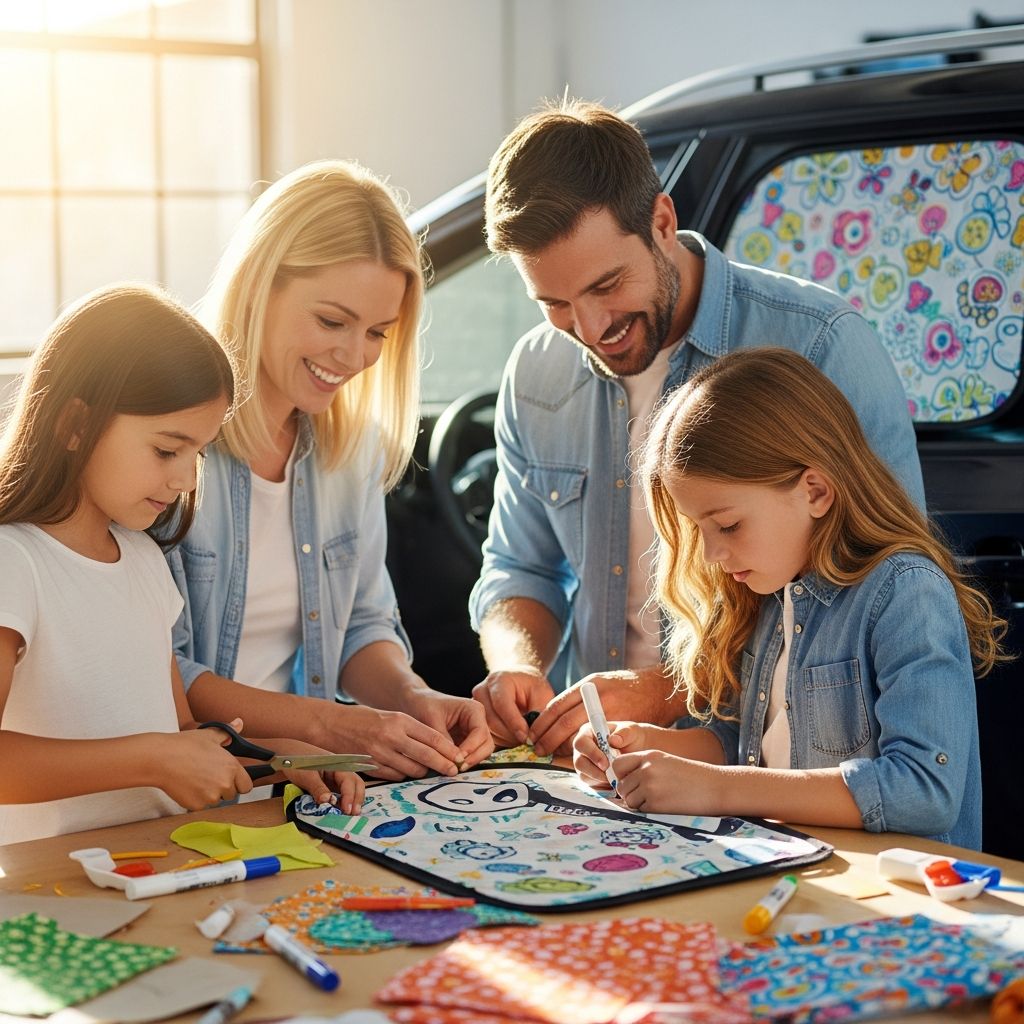
In today’s fast-paced world, equipping girls with the tools to face adversity head-on is more crucial than ever. Fearless daughters grow into women who lead, innovate, and inspire. This guide draws from timeless parenting wisdom and contemporary research to outline actionable steps for fostering resilience, self-assurance, and inner strength in your girl.
Building Unshakable Self-Worth from the Start
The foundation of a fearless daughter lies in her sense of self-worth. From toddlerhood, children absorb messages about their value from parents’ words and actions. Unconditional acceptance—loving them through mistakes and triumphs—creates a secure base for exploration.
- Offer praise focused on effort rather than innate talent to encourage a growth mindset.
- Celebrate unique traits, like creativity or perseverance, to highlight individual strengths.
- Avoid overemphasis on appearance; instead, commend character traits such as kindness and determination.
Research from child development experts shows that children praised for process over ability are more likely to persist in challenges, developing resilience early on.
Cultivating Empathy as a Superpower
Empathy isn’t just a soft skill—it’s the fuel for purposeful action. Girls who understand others’ perspectives become advocates for change, defending the vulnerable and building meaningful connections.
- Share real-life stories of struggle and triumph, from historical figures to everyday heroes, to spark compassion.
- Model empathetic responses in daily situations, like considering why someone might act out of character.
- Involve them in community service, such as helping neighbors or volunteering, to experience impact firsthand.
Studies indicate empathetic children report higher life satisfaction and stronger social bonds, proving this quality enhances personal happiness.
Encouraging Autonomy in Choices
Granting age-appropriate independence teaches decision-making and accountability. Let your daughter choose outfits, meals, or activities within safe boundaries to build trust in her judgment.
- Respect preferences without micromanaging, fostering ownership over her body and choices.
- Discuss consequences naturally, turning everyday decisions into learning opportunities.
- Balance guidance with freedom to avoid rebellion or over-dependence.
This approach mirrors recommendations from family psychologists, who note autonomous kids develop better problem-solving skills.
Inspiring Through Powerful Role Models
Exposure to women who defied odds provides blueprints for success. Biographies of trailblazers like Marie Curie or Malala Yousafzai demonstrate that achievement stems from grit, not magic.
| Role Model | Key Lesson | Achievement |
|---|---|---|
| Marie Curie | Persistent experimentation | Two Nobel Prizes in science |
| Malala Yousafzai | Courage against oppression | Youngest Nobel Peace Prize winner |
| Emmeline Pankhurst | Unwavering advocacy | Suffrage movement leader |
Discuss these stories openly, relating them to your daughter’s life to make inspiration tangible.
Promoting Risky Play for Courage
Unstructured, adventurous play builds bravery and stress management. Allow climbing trees, swinging high, or exploring nature without constant intervention.
- Supervise safely but step back to let them assess risks.
- Debrief after adventures: “What felt scary? How did you overcome it?”
- Incorporate fantasy play like superheroes to role-play heroism.
Pediatric research supports risky play for developing emotional regulation and confidence.
Strengthening Body and Mind Daily
Physical vitality underpins mental toughness. Prioritize nutritious meals prepared together and outdoor activities, even in poor weather.
- Teach nutrition basics—vitamins from fruits, proteins for energy—to empower healthy habits.
- Aim for daily movement: walks, sports, or family hikes.
- Instill discipline through routines that promote self-control, not rigid control.
The CDC recommends at least 60 minutes of daily physical activity for children to support overall health and resilience.
The Vital Role of Fathers in Development
Dads offer a unique perspective on strength and worth. Their affirmation carries profound weight, shaping how girls view themselves in relationships.
- Spend dedicated one-on-one time affirming her capabilities.
- Model respect and equality in family dynamics.
- Encourage pursuits without gender stereotypes.
Family studies show paternal involvement correlates with daughters’ higher self-esteem and ambition.
Addressing Fears and Failures Head-On
Talk openly about fear as a normal sensation, not a barrier. Break big challenges into steps and celebrate small wins.
- Practice “micro-bravery”: trying new foods or speaking up in class.
- Normalize failure as feedback, sharing your own setbacks.
- Foster perseverance by resisting the urge to quit during tough phases.
Experts emphasize naming bravery explicitly to rewire girls’ emotional responses.
Fostering Integrity and Team Spirit
Warriors uphold truth and support others. Teach honesty, grace, and collaboration through example and sports.
- Praise integrity in action, like admitting mistakes.
- Emphasize team success over individual glory.
- Model forgiveness to cultivate mercy.
This builds trustworthy leaders who finish strong.
Frequently Asked Questions
What age should I start these strategies?
Begin in infancy with unconditional love; adapt activities by age for maximum impact.
How do I balance protection with risk-taking?
Supervise without intervening unnecessarily; trust builds through experience.
Can boys benefit from these tips too?
Absolutely—these principles foster resilient humans regardless of gender.
What if my daughter faces bullying?
Empower her with role-play, empathy tools, and assertiveness training.
How much playtime is enough?
Daily unstructured play, at least 1-2 hours, for optimal development.
References
- Physical Activity Guidelines for Americans, 2nd Edition — U.S. Department of Health and Human Services. 2018-11-12. https://health.gov/sites/default/files/2019-09/Physical_Activity_Guidelines_2nd_edition.pdf
- Parenting Knowledge, Attitudes, and Practices — American Academy of Pediatrics. 2023-05-15. https://publications.aap.org/pediatrics/article/142/Supplement_2/S112/38585
- The Role of Fathers in Child Development — National Institute of Child Health and Human Development. 2022-08-20. https://www.nichd.nih.gov/publications/pubs/documents/fatherhood_rpt.pdf
- Focus on the Family: Raising Strong Daughters — Focus on the Family. 2024-01-10. https://www.focusonthefamily.com/parenting/how-to-raise-strong-and-confident-daughters/
- 10 Ways to Raise Brave Girls — Outside Online. 2023-06-05. https://www.outsideonline.com/culture/active-families/10-ways-raise-brave-girls/