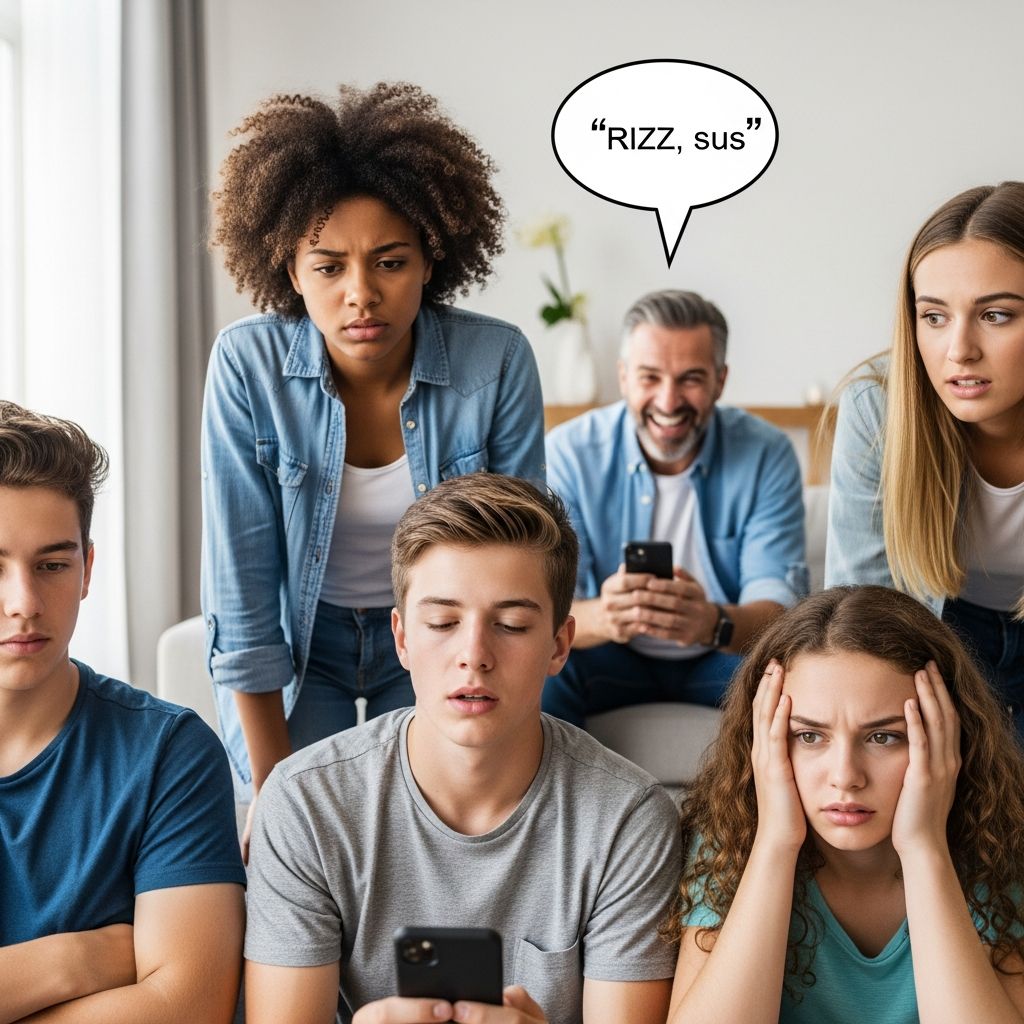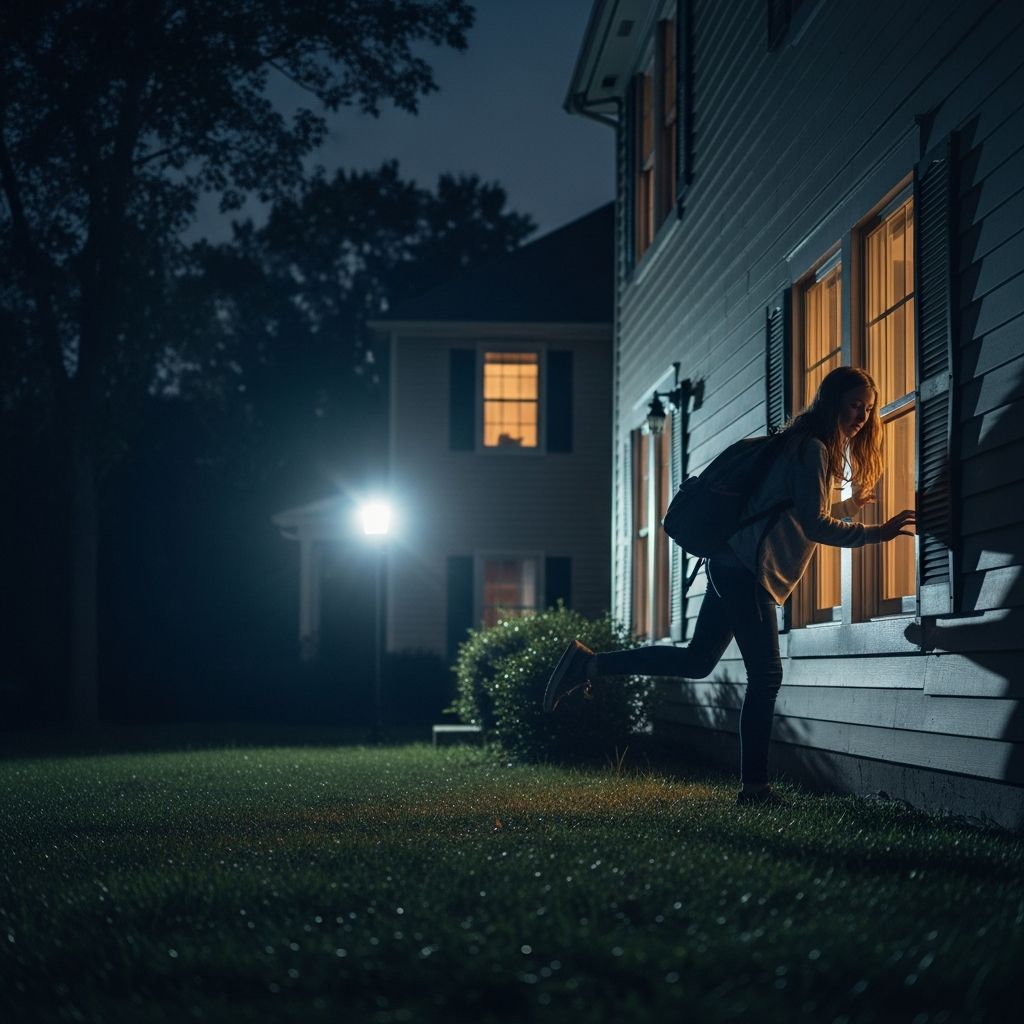
Adolescence brings a surge of independence, but it also introduces challenges like the temptation to sneak out at night. This behavior, often driven by curiosity or social demands, exposes young people to significant hazards that parents must address proactively. By understanding the motivations and implementing targeted strategies, families can reduce these risks and strengthen relationships.
Why Do Teenagers Feel Compelled to Sneak Out?
Teenagers often view nighttime escapades as thrilling adventures, a way to assert autonomy amid strict household guidelines. Surveys reveal that around 19% of high school students admit to leaving home without permission, highlighting how widespread this issue is. Factors such as overly rigid curfews or limited daytime social opportunities push some to rebel covertly.
Peer influence plays a pivotal role. Friends may invite late-night meetups, framing it as harmless fun, yet these gatherings frequently lead to poor decisions. Unlike open defiance, sneaking out allows teens to explore without immediate confrontation, but it erodes trust and invites peril.
- Curiosity and excitement: The allure of the forbidden makes midnight outings feel exhilarating.
- Social bonds: Missing out on group activities creates fear of exclusion.
- Rule frustration: Teens perceive family boundaries as unfair barriers to normalcy.
The Hidden Dangers Lurking After Dark
While teens may feel invincible, statistics paint a grim picture. Motor vehicle accidents remain the top cause of death for ages 15-19, with many linked to impaired driving during unsupervised hours. Crime data further underscores vulnerabilities: walking alone at night heightens risks of assault or encounters with dangerous individuals.
Beyond physical threats, emotional fallout is profound. Discovery often results in shattered parental trust, grounding, or device restrictions, amplifying family tension. A Chicago survey noted 41% of teens experienced bullying, which can intersect with sneaky outings, worsening mental health.
| Risk Category | Potential Consequences | Prevalence Insight |
|---|---|---|
| Traffic Incidents | Fatal crashes from drunk drivers | Leading teen death cause |
| Crime Exposure | Assault, theft | Higher at night |
| Substance Use | Alcohol, drugs at parties | 20% binge drink |
| Family Impact | Loss of privileges, therapy needs | Habitual cases require pros |
Building a Foundation of Trust and Communication
Prevention starts with dialogue. Parents should openly discuss dangers, sharing local curfew laws and accident stats without lecturing. This educates teens on realities, countering their invincibility bias. Regular check-ins about daily lives foster connection, making teens less likely to hide activities.
Empower them against peers by role-playing refusal scenarios. Emphasize personal choice over blame, helping teens recognize when friends push boundaries. Consistent, fair enforcement of rules signals that boundaries protect, not punish.
Practical Steps to Secure Your Home and Routine
Technology aids prevention. Implement a device curfew: phones and laptops charge in communal areas post-bedtime. This blocks midnight texts coordinating escapes and promotes sleep hygiene.
- Establish clear family guidelines with input from your teen for buy-in.
- Negotiate age-appropriate freedoms, like extended curfews for events.
- Install home alarms triggering on doors/windows for whole-family safety.
- Use motion lights outside to deter window exits.
- Set personal wake-up alarms for spot-checks if suspicion arises.
For persistent cases, room-specific alarms sound on exit, providing immediate alerts without invading privacy entirely.
Responding Effectively If It Happens
Discovery demands calm action. Avoid rage; instead, impose agreed consequences like temporary social bans. If location unknown, contact police promptly—it’s a welfare check, not overreaction. This underscores gravity without hysteria.
Post-incident, debrief: explore triggers, reinforce risks, and adjust rules if overly strict. Repeated offenses signal deeper issues like neglect or peer toxicity, warranting counseling.
Long-Term Strategies for a Safer Adolescence
Monitor friendships subtly; encourage positive influences through hosted events. Balance supervision with autonomy to avoid rebellion breeding grounds. Engaged parenting—knowing online habits, school stressors—reduces sneaking incentives.
Community resources aid: school counselors offer peer pressure workshops. National data shows structured homes correlate with lower risk behaviors, affirming proactive approaches.
Frequently Asked Questions
What should I do if I catch my teen sneaking out once?
Enforce pre-discussed consequences calmly, like device removal, and discuss risks to prevent recurrence.
Are house alarms effective against sneaking?
Yes, they alert on unauthorized exits, protecting all family members while teaching accountability.
How can I address peer pressure causing this?
Role-play responses and affirm their right to say no, focusing on personal values over groupthink.
Is sneaking out more common now with social media?
It coordinates plans easily, so electronics curfews are crucial to disrupt late-night plotting.
When to seek professional help for repeated sneaking?
If habitual despite interventions, consult therapists for underlying issues like attention needs.
Empowering Teens for Responsible Independence
Navigating teen years involves guiding toward self-regulation. By blending firmness with empathy, parents curb sneaking while nurturing maturity. Open homes for friends reduce secrecy; tracked online activity prevents digital lures. Ultimately, invested relationships trump surveillance.
Statistics affirm: peak unsupervised hours post-school fuel risks, so fill them with activities. Invest now for safer tomorrows.
References
- The Secret Life of Teens: A Special Report — Chicago Magazine. 2009-09-01. https://www.chicagomag.com/chicago-magazine/september-2009/the-secret-life-of-teens-a-special-report/
- How to Prevent My Teen from Sneaking Out — HelpYourTeens.com. Accessed 2026. https://helpyourteens.com/how-to-prevent-my-teen-from-sneaking-out/
- Does Your Teen Sneak Out? — Middle Earth NJ. 2015-10-19. https://middleearthnj.org/2015/10/19/does-your-teen-sneak-out/