Your child’s first steps into preschool mark a thrilling milestone, blending joy with natural jitters for both parent and child. Proper preparation transforms this shift into a confident adventure, nurturing independence while easing worries. This guide draws from expert insights to outline actionable steps across emotional, practical, and social domains.
Building Anticipation Through Early Conversations
Begin discussions about preschool several weeks ahead to normalize the experience. Describe it as a place for exploration, friendship-building, and discovery using upbeat terms. Share details like group games, art projects, and outdoor play to spark curiosity.
- Highlight positives: New pals, creative crafts, story hours.
- Avoid unknowns: Frame routines clearly, e.g., ‘We’ll hang up coats, then sing songs.’
- Use visuals: Point out playgrounds or classrooms during talks.
Books serve as bridges; select tales depicting school days to make concepts tangible and reassuring.
Site Visits: Familiarizing with the New World
Schedule a preschool tour to demystify the setting. Walk through classrooms, meet caregivers, and note features like nap zones or snack areas. This preview curbs fear of unfamiliarity.
| Visit Activity | Benefits |
|---|---|
| Meet teacher | Builds personal connection |
| Explore playground | Excites with play potential |
| Classroom walkthrough | Reduces spatial anxiety |
Repeat visits if feasible, turning them into fun outings with treats afterward.
Mastering Daily Routines at Home
Align home life with school timings two weeks prior. Shift bedtimes earlier by 15 minutes nightly, aiming for 10-12 hours of sleep crucial for emotional regulation.
Simulate mornings: Wake, dress, breakfast, pack bag. Consistency breeds security; toddlers predict and participate better.
- Bedtime: 7-8 PM, with calming rituals like baths or lullabies.
- Wake-up: Gentle alarms, sunny routines.
- Naps: Match school slots to avoid overtiredness.
Fostering Self-Reliance Skills
Preschool demands basic autonomy; practice now to boost self-esteem. Focus on dressing, hygiene, and simple tasks.
Clothing choices matter: Opt for pull-on pants, Velcro shoes, elastic waists—no belts or laces yet.
- Toileting: Wipe independently, flush, handwashing.
- Dressing: Pull up pants, zip jackets, don socks.
- Hygiene: Brush teeth, blow nose, face washing.
- Eating: Use utensils neatly, open snacks.
Supervise initially, then step back praising efforts: ‘You zipped it yourself!’.
Role-Playing School Scenarios
Pretend play demystifies routines engagingly. Alternate roles as teacher, student, parent to enact arrivals, circle time, snacks, and goodbyes.
This empowers children, letting them direct and query safely. Props like toy backpacks or chalkboards enhance realism.
- Arrival: Hang coat, greet friends.
- Activities: Sing, draw, share toys.
- Departure: Wave bye, recount fun.
Repeat sessions build familiarity and excitement.
Addressing Separation Emotions
Short separations prepare for drop-offs. Start with 30-minute playdates, extending gradually with trusted caregivers.
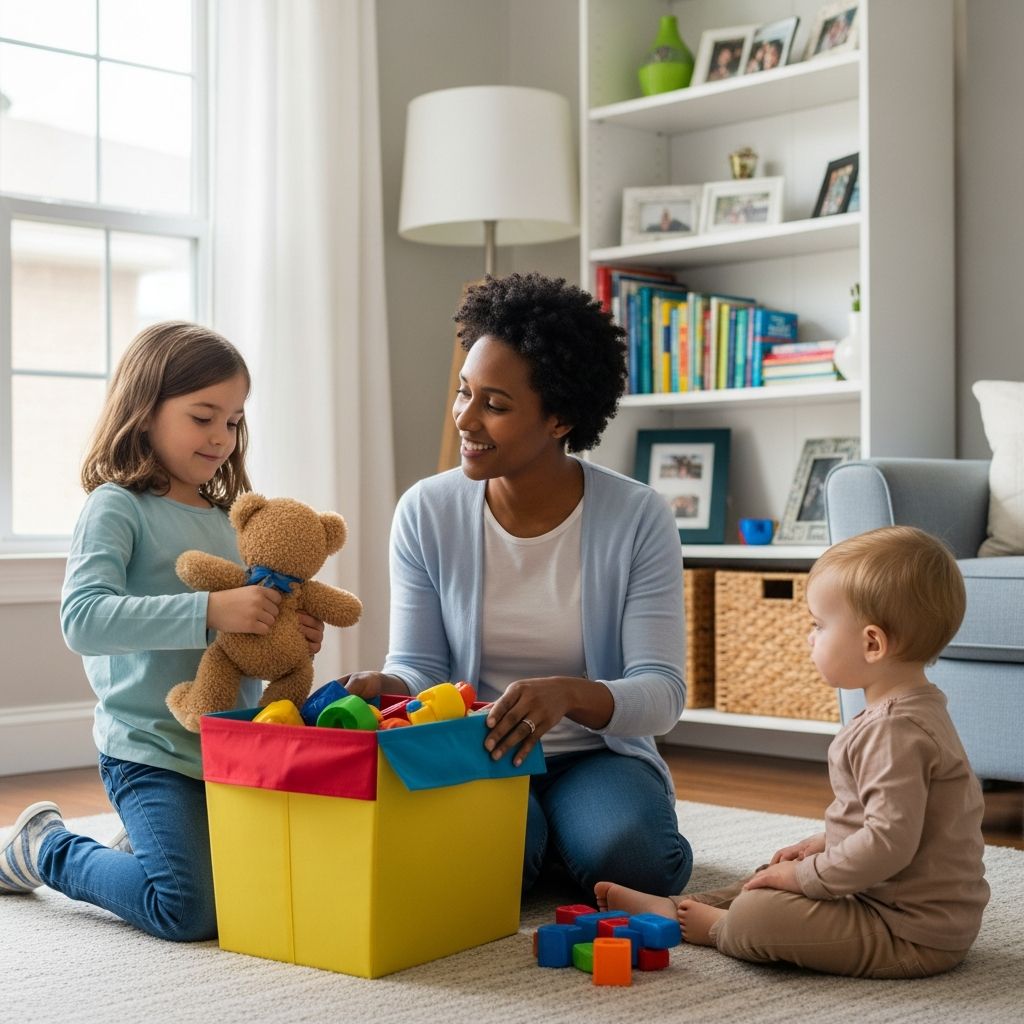
Comfort items bridge gaps: A small toy or family photo offers solace. Practice quick goodbyes: ‘I’ll be back after work—love you!’ Stay 10-15 minutes first day if needed, then exit confidently.
Parents model calm; children mirror positivity.
Pre-Academic Foundations
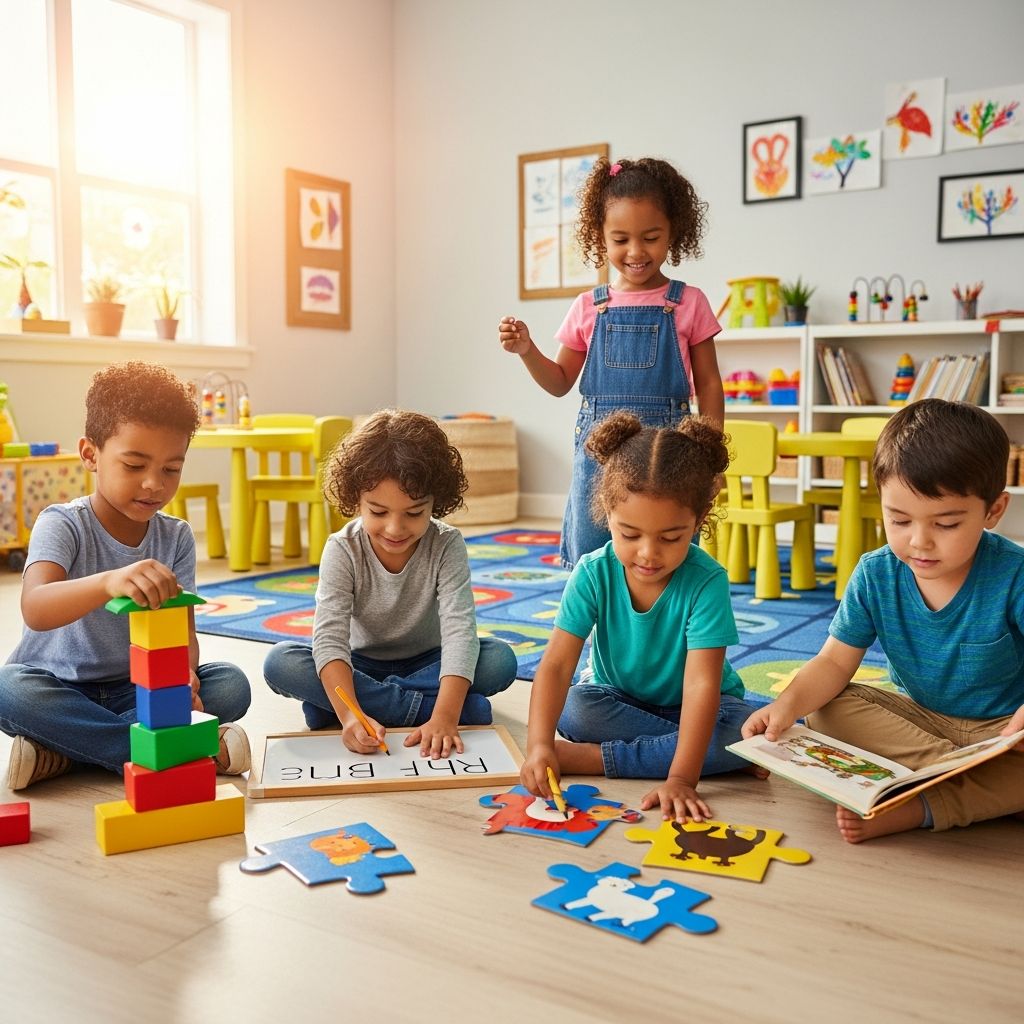
Introduce basics playfully without pressure. Songs teach ABCs, counting games build numbers, color hunts sharpen observation.
| Activity | Skill | How-To |
|---|---|---|
| Alphabet song | Letters | Sing daily, point to print |
| Shape scavenger | Shapes | Find circles in kitchen |
| Number blocks | Counting | Stack and count |
Toys and apps reinforce subtly.
Social Skill Building
Preschool thrives on cooperation; rehearse sharing, turn-taking via playgroups. Role-play conflicts: ‘My turn now?’ Praise empathy.
Home practices: Divide toys, wait politely, express needs verbally.
Night Before and First Day Blueprint
Night Before: Confirm outfits, pack favorites, relax—no last-minute drills. Soothing dinner, early bed.
First Day: Leisurely breakfast together, review routine, affirm readiness. Quick drop-off hug.
- Pack: Labeled lunch, spare clothes, lovey.
- Snack: Familiar fruits, sippy if needed.
Sustaining Momentum Post-Start
Debrief daily: ‘What was your favorite part?’ Extend learning with home activities mirroring school. Watch for adjustment signs; consult teachers if prolonged distress.
Routines solidify over weeks; patience key.
Frequently Asked Questions
What if my child cries on drop-off?
Brief reassurance, confident exit. Most settle quickly; teachers manage well. Call for updates if worried.
How long for adjustment?
Typically 2-4 weeks; varies by child. Consistency aids.
Clothes tips?
Easy-on layers, no ties. Label everything.
Handle biting/hitting?
Practice gentle alternatives pre-school; reinforce at home.
Nap issues?
Align home naps; loveys help transitions.
References
- Preparing Your Child for Their First Day of Preschool: A Parent’s Guide — Malvern School. 2023-08-15. https://malvernschool.com/blog/preparing-your-child-for-their-first-day-of-preschool-a-parents-guide
- Back to school: Here are 8 tips on how to prepare your toddler for preschool — Oakland Family Services. 2018-08-22. https://www.oaklandfamilyservices.org/blog/2018/8/22/back-to-school-here-are-8-tips-on-how-to-prepare-your-toddler-for-preschool
- Preschool Prep: Helping Toddlers Prepare for Preschool — Zero to Three. N/A. https://www.zerotothree.org/resource/preschool-prep-helping-toddlers-prepare-for-preschool/
- PREPARE YOUR TODDLER FOR PRESCHOOL — OT Holly. N/A. https://otholly.com/prepare-your-toddler-for-preschool/
- Getting Ready For Preschool — Illinois Cares for Kids. N/A. https://www.illinoiscaresforkids.org/blog/getting-ready-for-preschool