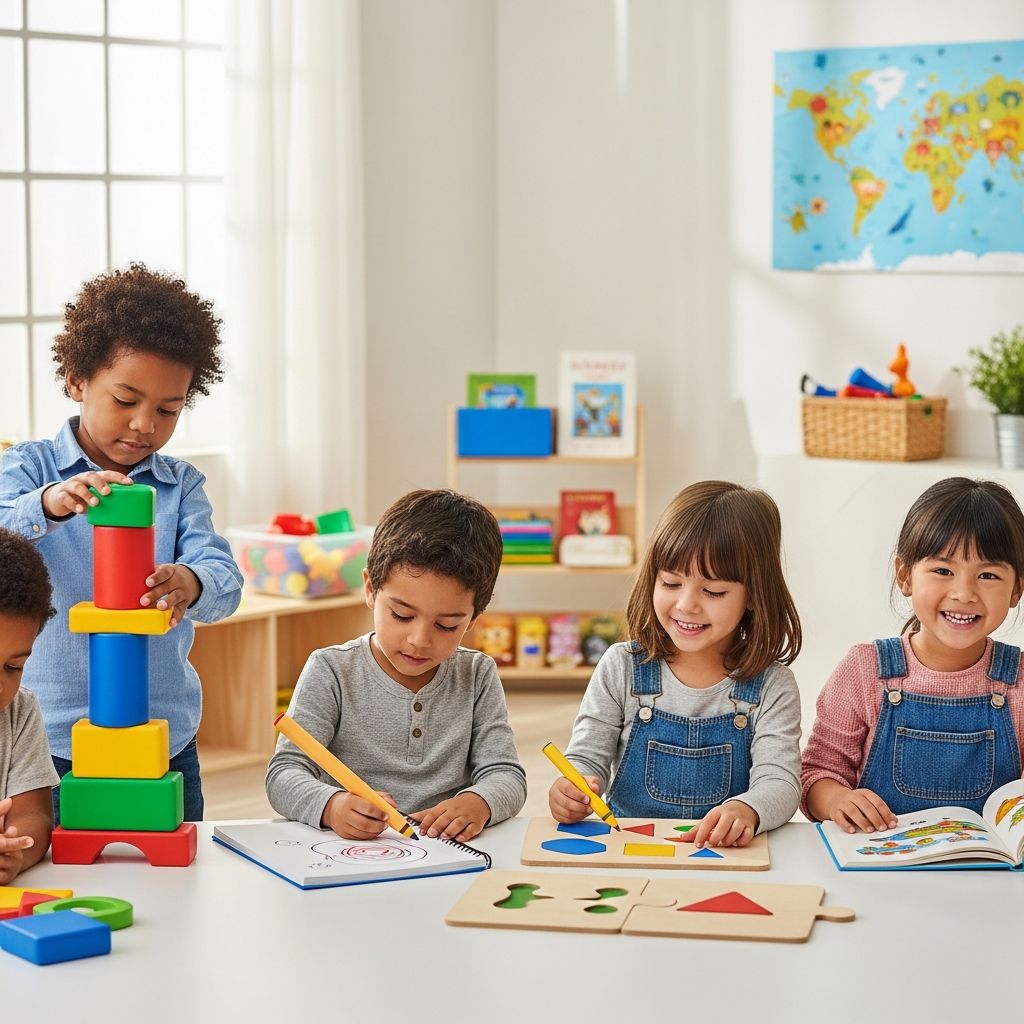
The first day of school is a major milestone for children and parents, filled with excitement, questions, and sometimes nerves. This guide offers practical steps, emotional support strategies, and realistic expectations to help your child start school feeling prepared and confident.
Why the First Day Feels So Big
For many children, the first day of school means new faces, unfamiliar routines, and separation from home, all at the same time. That mix can be both exciting and overwhelming, especially for younger kids or those who struggle with change.
Parents often experience their own worries about safety, adjustment, and whether their child will make friends, which can unintentionally increase a child’s stress if not managed. Treating this day as a transition, rather than a single moment, allows families to prepare gradually and calmly.
Reading Your Child’s Emotions
Children show first-day feelings in different ways, from nonstop questions to sudden silence or even acting out. Recognizing the signs of anxiety or excitement helps you respond in a way that feels supportive rather than dismissive.
- Some kids ask many questions about teachers, classmates, or schedules.
- Others may complain of tummy aches, trouble sleeping, or clinginess.
- Quiet children might not talk about school at all, even if it is on their mind.
Instead of labeling their reactions as “overreacting” or “being dramatic,” focus on validating the feeling: it makes sense to be nervous about something new, and you are there to help them through it.
Planting Seeds of Confidence Early
Confidence on the first day does not appear overnight; it grows from predictable routines, familiar information, and chances to practice independence before school begins. Even small steps at home can make a big difference in how prepared your child feels.
Simple confidence-building strategies
- Practice skills like opening lunch containers, zipping backpacks, or tying shoes.
- Role-play classroom situations, such as raising a hand, asking for help, or introducing themselves to a new friend.
- Read books or tell stories about characters starting school and talk about how they manage their feelings.
Designing a Calm Morning Routine
A predictable morning routine reduces last-minute stress and gives children a sense of control. Mornings run more smoothly when most decisions are made the night before and everyone follows the same sequence of steps each day.
Sample morning flow
- Wake up at a consistent time.
- Bathroom and getting dressed.
- Breakfast at the table, without screens if possible.
- Brush teeth and do a quick check of the backpack.
- Brief check-in about the day and departure plan.
Starting this routine a week or two before school begins helps reset sleep schedules and gives you time to adjust anything that causes daily conflict or delay.
Night-Before Checklist for Parents
Taking care of logistics the night before frees up emotional energy for reassurance and connection in the morning. A simple checklist can prevent common first-day frustrations.
| Task | Why It Helps | Quick Tip |
|---|---|---|
| Lay out clothes and shoes | Reduces decision-making and morning arguments. | Let your child choose between two weather-appropriate outfits. |
| Pack backpack and supplies | Prevents forgetting important items on a rushed morning. | Use a simple list your child can help check off. |
| Prepare lunch and snacks | Saves time and ensures there is food your child can easily manage. | Include at least one familiar favorite food for comfort. |
| Review transportation plan | Reduces anxiety about how they will get to and from school. | Repeat who is picking them up and where you will meet. |
| Choose a small comfort item (if allowed) | Provides emotional reassurance during the day. | Pick something discreet that fits in a pocket or backpack. |
Talking About School in a Supportive Way
The way you talk about school shapes how your child expects it to feel. Balancing honesty with encouragement helps them see school as a place where challenges exist, but support and growth do too.
Conversation tips that build trust
- Ask open questions such as “What are you most curious about?” instead of “Are you scared?”
- Share a brief, age-appropriate story from your own school days to normalize mixed feelings.
- Emphasize that it is okay not to know everything on the first day; learning and figuring things out is part of school.
When children express worries, focus on listening more than fixing. Once they feel heard, you can brainstorm together what might help them feel safer or more prepared.
Preparing for Separation at Drop-Off
For younger children in particular, saying goodbye at the door or classroom can be the hardest part of the day. A clear, consistent plan helps prevent prolonged, stressful goodbyes.
Creating a goodbye ritual
- Decide in advance what your goodbye will look like: a hug, a high-five, a phrase, or a short handshake routine.
- Explain the plan: you will say goodbye, they will go with the teacher, and you will see them again at a specific time or place.
- Avoid sneaking away, which can increase anxiety and reduce trust over time.
Even if your child cries or clings at first, most settle soon after the parent leaves. Keeping your goodbye calm and brief shows confidence in their ability to manage the day.
Supporting Different Age Groups
The first day of school looks different for a kindergartner than it does for a teenager, yet all ages benefit from preparation and understanding. Adjusting your approach to your child’s developmental stage helps meet their specific needs.
| Age Group | Main Concerns | Helpful Parent Actions |
|---|---|---|
| Preschool & Kindergarten | Separation from parents, unfamiliar environment. | Visit the school if allowed, practice brief separations, create a simple goodbye ritual. |
| Early Elementary | Making friends, understanding rules. | Role-play social situations, review basic classroom expectations, highlight opportunities for fun activities. |
| Upper Elementary | Fitting in, academic expectations. | Talk about organization, homework routines, and respectful communication with teachers. |
| Middle School | Changing classes, lockers, social dynamics. | Walk through sample schedules, practice using a planner, discuss peer pressure and respectful boundaries. |
| High School | Grades, future plans, social identity. | Set realistic academic goals, review time management, talk about balancing school, activities, and rest. |
Practical Essentials to Organize
Beyond emotions, practical preparation helps the day go smoothly. Having certain items ready and systems in place reduces the stress of misplaced forms, forgotten snacks, or unclear pickup arrangements.
Key items to prepare
- Backpack that fits comfortably and can carry necessary items.
- Labeled containers for lunch, snacks, and water.
- Change of clothes for younger children or those prone to spills or accidents.
- Completed forms, emergency contacts, and any required health information.
- Written note with pickup plans if your child is anxious about who is coming after school.
Including your child in gathering and labeling these items helps them feel ownership and know where their belongings are during the day.
Handling Setbacks and Tough Moments
Even with careful preparation, some first days include tears, forgotten items, or a child who declares they will never go back. These experiences are common and do not mean you have failed or that your child cannot adjust.
- Acknowledge the hard parts without making them the entire story of the day.
- Ask what helped, even a little, and build on those moments for the next day.
- Stay in communication with the teacher if concerns continue for more than a few days or if your child seems unusually distressed.
Gradual improvement is the goal. Many children need several days or weeks to feel fully comfortable with new routines and expectations.
After-School Decompression and Connection
What happens after the first day is just as important as what happens before it. Children often need time to decompress before they are ready to talk about their experiences.
Creating a gentle after-school rhythm
- Offer a snack and some quiet time before asking detailed questions.
- Use simple prompts such as “Tell me about one thing that surprised you” or “What did you like most about today?”
- Share appreciation for their effort, not only for good behavior or achievements.
If your child does not want to talk much, that can be normal. Keeping communication open and consistent over time is more effective than pushing for a full report on day one.
Supporting Children with Extra Needs
Children with learning differences, health conditions, or social challenges may need additional planning for the first day. Coordinating with school staff in advance helps everyone know how to respond if your child struggles.
- Share relevant information with the teacher or school nurse about allergies, medications, or sensory needs.
- Review any existing support plans and confirm that necessary accommodations are in place.
- Practice specific coping tools your child can use at school, such as breathing exercises or asking for a short break.
Remind your child that needing help is normal and that adults at school are there to support their well-being and learning.
Frequently Asked Questions (FAQs)
What if my child refuses to go into the classroom?
Stay calm and keep your goodbye consistent, even if your child protests. Work with school staff to create a transition plan, such as a staff member walking your child in, using a visual schedule, or allowing a short comfort item. If this continues for more than a few days, schedule a time to discuss patterns and strategies with the teacher or counselor.
How much should I tell my child about school rules beforehand?
Focus on a few core ideas: listening to adults, being kind to others, and taking care of materials and personal space. Too many details can feel overwhelming, especially for younger children. Trust that teachers will explain classroom-specific rules and reinforce them with the group.
Is it okay if I feel more anxious than my child?
Many parents feel emotional or worried about the first day, especially when a child is starting school for the first time. It helps to share your feelings with another adult rather than with your child, so your child can draw confidence from your calm presence. Take care of your own rest, routines, and support system; your well-being affects how secure your child feels.
What if my child has a bad first day?
A tough first day does not predict the entire school year. Listen carefully to your child’s experience, comfort them, and highlight any small positive moments they noticed. Then, make one or two concrete adjustments for the next day, such as changing drop-off routines, clarifying pickup plans, or checking in with the teacher for additional context.
How can I keep the momentum going after the first day?
Continue using consistent sleep and morning routines, prepare the night before, and keep communication open with your child and the school. Celebrate small milestones, like learning a new classmate’s name or navigating a new hallway. Over time, these daily successes create a strong foundation of confidence and resilience.
The first day of school is not about perfection; it is about beginning a new chapter with realistic expectations, caring support, and room for growth. With thoughtful preparation and plenty of reassurance, you can help your child approach this milestone feeling safe, capable, and ready to learn.