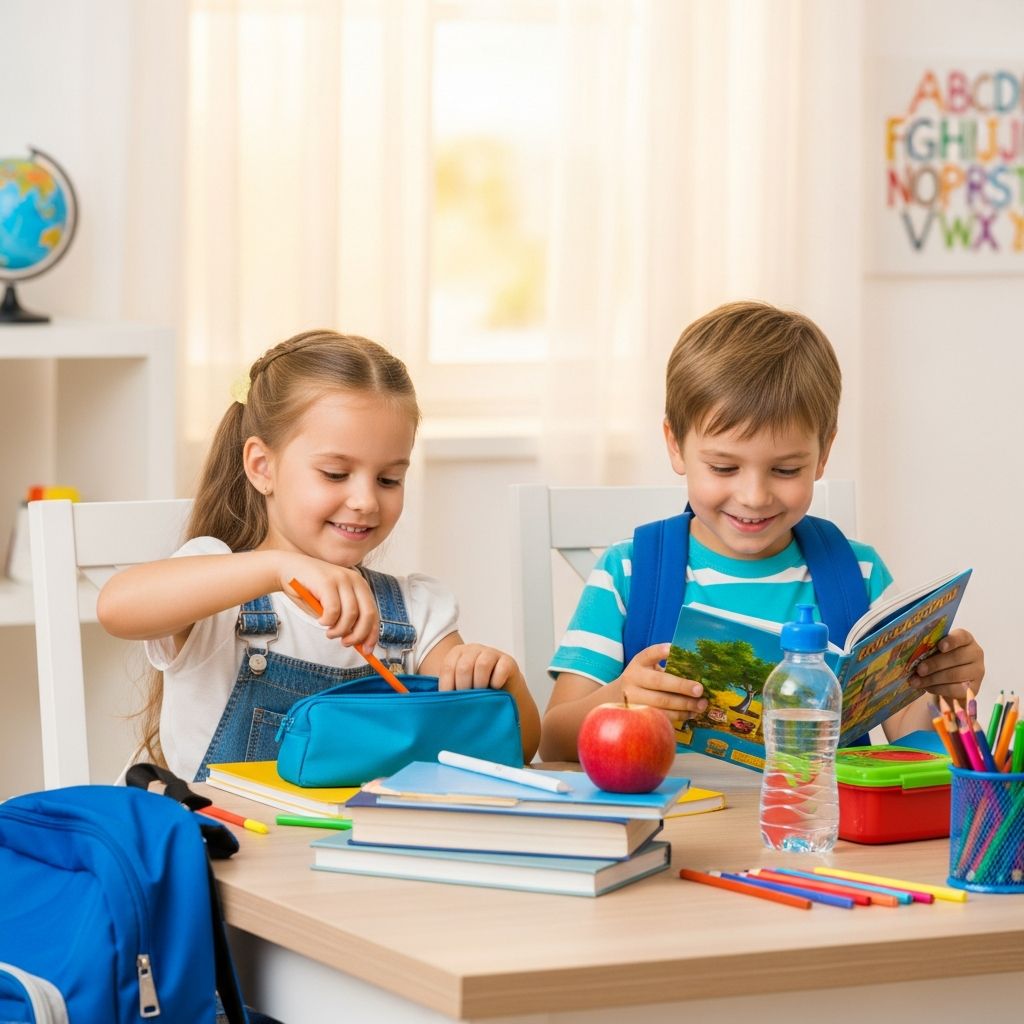
The inaugural day of school marks a pivotal moment in a child’s life, brimming with potential for growth and discovery. Parents play a crucial role in transforming this transition from a source of apprehension into one of eager anticipation. By implementing targeted preparation methods, families can cultivate resilience, independence, and enthusiasm in young learners.
Building Anticipation Through Familiarity
One of the most effective ways to alleviate first-day fears is by demystifying the school environment beforehand. Scheduling a pre-visit allows children to navigate hallways, spot their classroom, and perhaps glimpse playground equipment, significantly diminishing the intimidation factor of novelty.
- Coordinate with the school for an open house or informal tour.
- Point out exciting features like art corners or reading nooks to spark interest.
- Encourage questions during the visit to empower your child.
This proactive exposure not only eases nerves but also plants seeds of curiosity about upcoming adventures.
Shifting Sleep and Daily Patterns Gradually
Summer’s lax schedules often clash with structured school hours, making an early routine adjustment essential. Begin two weeks prior by inching bedtime and wake-up times forward by 15 minutes daily until aligning with school demands.
| Week Before School | Bedtime | Wake-Up |
|---|---|---|
| Week 1 | 8:30 PM | 7:30 AM |
| Week 2 | 8:00 PM | 7:00 AM |
| School Week | 7:30 PM | 6:30 AM |
Such incremental changes prevent shock to circadian rhythms, promoting better rest and alertness. Pair this with consistent meal times to reinforce stability.
Empowering Through Personalized Gear Selection
Involving children in selecting backpacks, notebooks, and lunch containers instills a sense of ownership and boosts morale. This collaborative shopping trip doubles as a discussion on organizational skills, like labeling items or checking daily essentials.
- Opt for durable, age-appropriate items that match their tastes.
- Practice packing and unpacking to simulate real use.
- Review supply lists from the school to avoid last-minute scrambles.
This hands-on approach turns preparation into play, enhancing self-efficacy.
Fostering Independence with Separation Drills
For children unaccustomed to parental absence, gradual separations build emotional fortitude. Start with brief absences, like quick errands, progressing to longer play sessions at friends’ homes or short daycare trials.
Key techniques include:
- Using a special goodbye ritual, such as a high-five and ‘see you soon’ phrase.
- Maintaining composure to model positivity.
- Debriefing post-separation with affirming feedback.
These practices normalize independence, reducing clinginess on launch day.
Crafting Joyful Morning Rituals
A hectic start sets a frantic tone; conversely, a serene one primes success. Prep attire, breakfast ingredients, and bags nightly to reclaim morning calm. Incorporate fun elements like upbeat music or shared stories.
Sample streamlined routine:
- Wake and gentle stretch (5 min).
- Quick wash and dress (10 min).
- Nutritious breakfast together (15 min).
- Bag check and depart (5 min).
Buffer time accommodates spills or dawdles, ensuring everyone departs upbeat.
Leveraging Stories for Emotional Insight
Picture books serve as mirrors and maps for budding scholars, illustrating peers conquering similar hurdles. Titles featuring relatable protagonists normalize jitters while highlighting joys like friendships and discoveries.
- Select age-suited narratives with positive resolutions.
- Prompt discussions: ‘How do you think the character felt?’
- Reread favorites to reinforce coping strategies.
Storytime bridges imagination and reality, equipping kids with vocabulary for their emotions.
Prioritizing Nourishing Meals and Hydration
Fuel matters immensely; a robust breakfast sharpens focus and sustains energy. Introduce school-friendly options early, emphasizing whole grains, proteins, and fruits over sugary fare.
| Meal Type | Ideas | Benefits |
|---|---|---|
| Breakfast | Oatmeal with berries | Sustained energy |
| Lunch | Turkey wrap, veggies | Balanced nutrition |
| Snack | Yogurt and nuts | Quick brain boost |
Pack notes or photos for extra comfort, discussing preferences to encourage healthy choices.
Cultivating Social Confidence Pre-Launch
Peer bonds buffer stress; facilitate introductions via playdates or neighborhood walks. Role-play scenarios like sharing toys or asking to join games to hone interpersonal finesse.
- Host low-key meetups at parks.
- Practice polite phrases and listening.
- Celebrate small social wins.
These interactions weave a safety net of familiarity.
Designing an Optimal Homework Zone
Even minimal after-school tasks benefit from a dedicated nook: well-lit, stocked with supplies, and distraction-free. Co-create rules like ‘no screens until done’ to instill discipline.
Essential setup components:
- Comfortable seating and good lighting.
- Organizers for papers and pencils.
- Timer for focused bursts.
This space signals seriousness, aiding concentration from day one.
Parental Mindset: Your Calm Anchors Theirs
Children attune to parental vibes; unchecked worry amplifies theirs. Journal feelings, confide in peers, or seek support groups to process this rite of passage.
- Breathe deeply during drop-offs.
- Focus on growth opportunities ahead.
- Plan rewarding reunions post-school.
Your steadiness radiates reassurance.
Navigating Arrival and Departure Logistics
Clarify transport protocols—bus stops, car lines, walkers—with visuals or rehearsals. Arrive early to sidestep rushes, reviewing safety basics like looking both ways.
For bus riders: Practice waiting patiently and boarding promptly.
Sustaining Momentum Beyond Day One
First-day prep cascades into habits; monitor adjustment, tweaking as needed. Weekly check-ins gauge needs, celebrating milestones to perpetuate positivity.
Frequently Asked Questions
What if my child cries on the first day?
Reassure briefly with your ritual, then exit confidently—prolonged goodbyes intensify distress. Teachers manage this routinely; trust their expertise.
How early should regimes start?
Two to three weeks prior ensures seamless adaptation without summer truncation.
Is a comfort object okay?
Yes, a small familiar item bridges home-school gaps effectively.
What about dietary restrictions?
Communicate allergies upfront; pack safe alternatives.
How to handle post-school meltdowns?
Provide downtime, snack, then listen empathetically before probing.
References
- Back-to-School Tips for Families — American Academy of Pediatrics (HealthyChildren.org). 2023. https://www.healthychildren.org/English/ages-stages/gradeschool/school/Pages/back-to-school-tips.aspx
- How to Prepare Your Child for Their First Day of School — Child-Focus.org. 2024. https://www.child-focus.org/news/how-to-prepare-your-child-for-their-first-day-of-school/
- 10 Ways to Prepare Your Child for a Great School Year — Mason Preparatory School. 2023. https://www.masonprep.org/news-detail?pk=1293476
- First Day at School: How to Prepare Your Young Learner — Lightbridge Academy. 2024. https://lightbridgeacademy.com/blog/first-day-at-school/
- Preparing Your Child for Their First Day of Preschool: A Parent’s Guide — Malvern School. 2023. https://malvernschool.com/blog/preparing-your-child-for-their-first-day-of-preschool-a-parents-guide