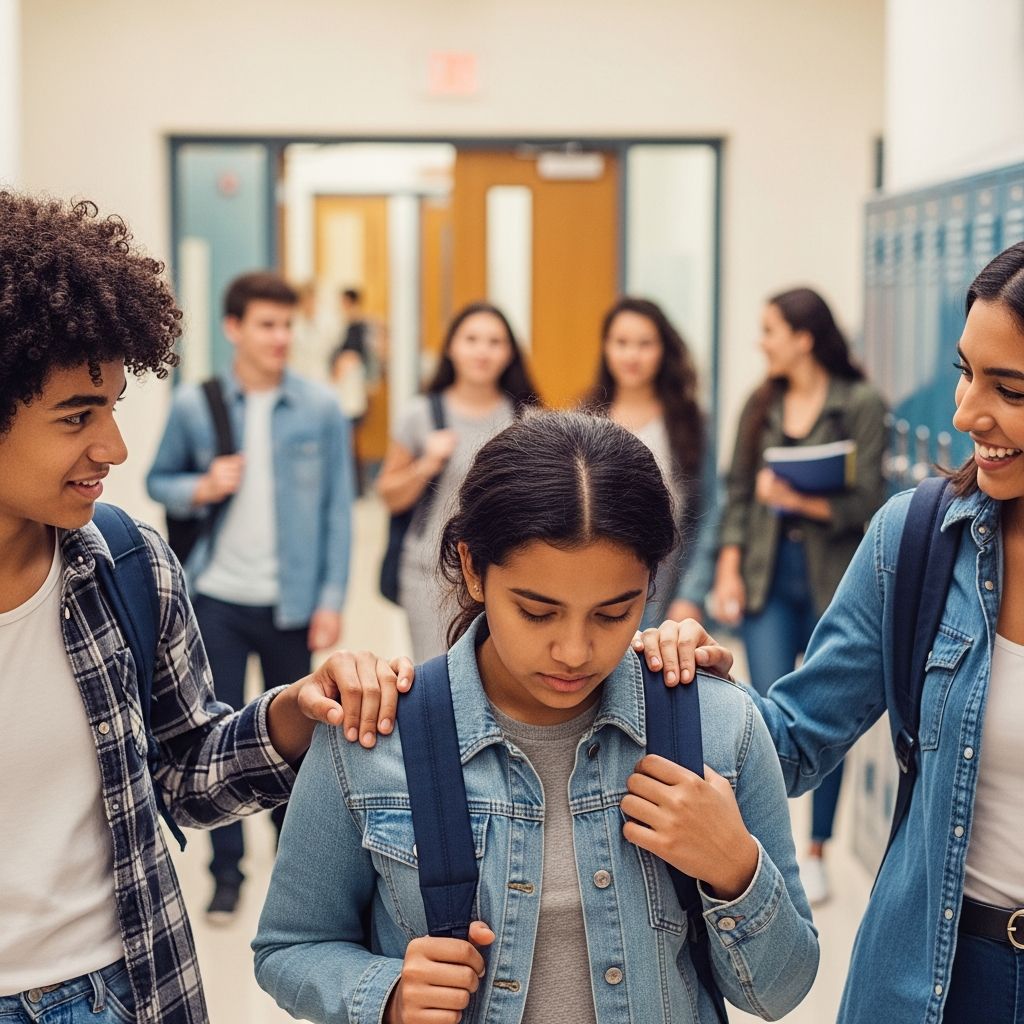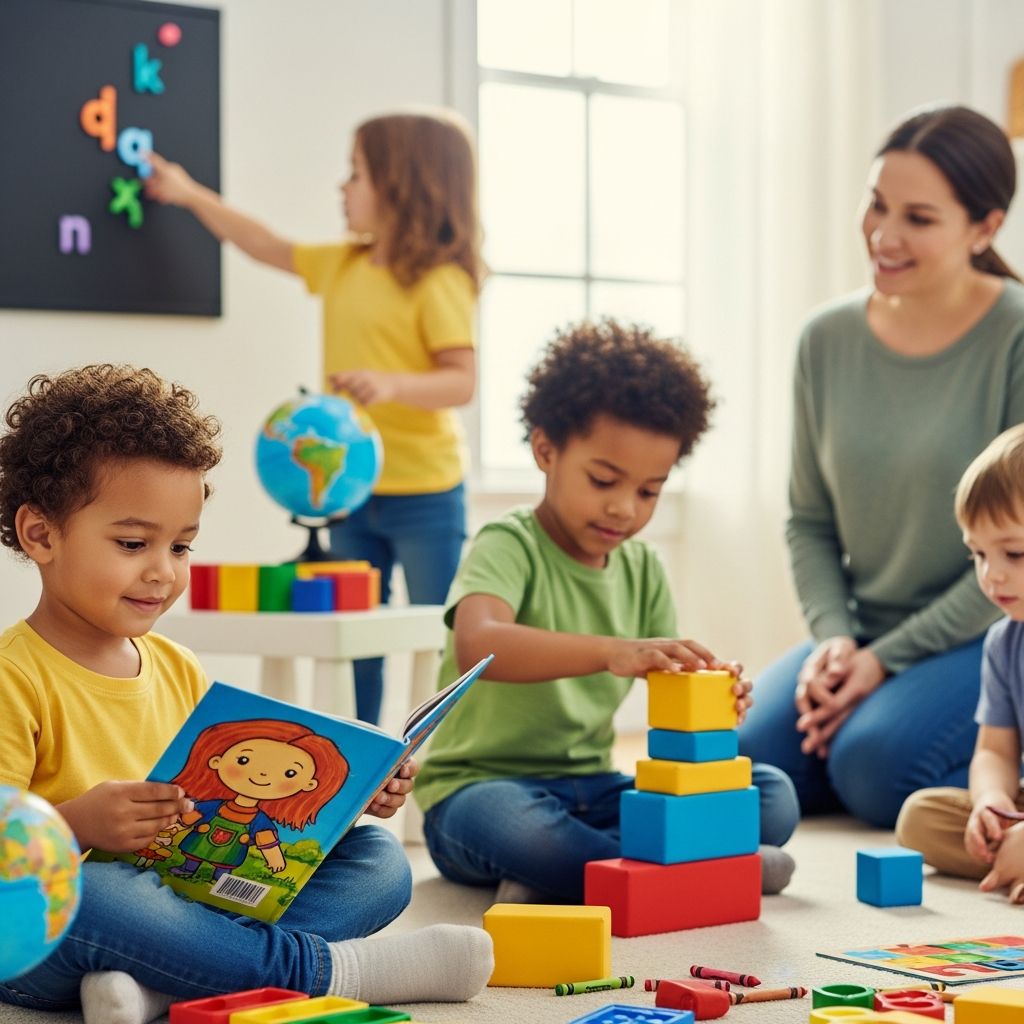
Starting kindergarten is one of the first big milestones in a child’s life—and in a parent’s life too. It is less about mastering academics and more about helping your child feel secure, curious, and capable in a new environment.
This guide focuses on practical, relationship-centered ways to support your child’s emotional, social, and practical readiness so that the transition to school feels exciting rather than overwhelming.
What “Kindergarten-Ready” Really Means
Many parents worry that kindergarten readiness is all about reading, writing, and knowing numbers. In reality, teachers often care even more about a child’s ability to manage feelings, follow simple directions, and get along with others than about academic skills.
A kindergarten-ready child is not a perfectly behaved or fully independent child. Instead, readiness means they have a basic foundation in emotional regulation, social skills, and daily life habits, while knowing that a supportive adult is there to help as they grow.
- Emotional readiness: Can the child recover from upsets with support and separate from caregivers for part of the day?
- Social readiness: Can the child interact with peers, share space and materials, and take simple turns?
- Practical readiness: Can the child handle basic tasks like using the bathroom, washing hands, and managing simple belongings with help nearby?
The Heart of Readiness: Emotional Security
When children feel emotionally secure, they learn better, handle transitions more smoothly, and are more flexible with new routines. Emotional security comes from consistent connection with caregivers and repeated experiences of being soothed and understood when big feelings show up.
Instead of trying to eliminate all worries before school starts, aim to build your child’s confidence that feelings are welcome and that they can handle them with support.
Helping Your Child Name and Understand Feelings
Being able to recognize emotions is a powerful first step in managing them. Children who can notice and name what they feel are more likely to ask for help and less likely to express overwhelm through aggressive or withdrawn behavior.
- Use everyday moments to describe feelings: “You look disappointed we have to leave the park,” or “You seem really excited about seeing your cousin.”
- Use simple, repeated vocabulary such as happy, sad, mad, scared, and worried, then gradually add more nuanced words like frustrated or nervous.
- Normalize mixed feelings about school: “It makes sense to feel both curious and a little unsure about a new place.”
Coaching Calm Instead of Demanding It
Children are still learning how to soothe themselves. Expecting instant calm can backfire and increase anxiety. Instead, think of yourself as a coach: you lend your calm until your child can borrow it.
- Offer physical comfort when welcome: a hug, a hand on their back, or sitting close by.
- Keep your words simple during big emotions: “You are safe. I am here with you.”
- Once your child is calmer, briefly review what happened and what they might try next time, keeping the focus on learning rather than blame.
Building Social Skills Through Everyday Play
Kindergarten is a highly social environment. Children spend much of the day working, playing, and problem-solving with others. You can help your child practice these skills in low-pressure ways long before the first day of school.
Structured lessons about sharing are less effective than real experiences guided by a calm adult. Focus on giving your child chances to practice turn-taking, listening, and solving small conflicts with support.
Key Social Abilities for Kindergarten
| Social Skill | What It Looks Like | How to Practice at Home |
|---|---|---|
| Turn-taking | Waiting briefly while another person has a turn with a toy or activity. | Play board games, card games, or simple ball games and narrate the turns: “My turn, your turn.” |
| Listening to others | Pausing to hear a peer or adult and responding in some way. | During conversations, gently prompt: “Let’s hear what your sister wants to say,” then model listening. |
| Using words to solve problems | Saying “I don’t like that” or “Can I have a turn?” instead of hitting or grabbing. | Role-play simple conflicts with stuffed animals and practice short, respectful phrases together. |
| Joining play | Approaching a group and participating instead of only watching from the side. | Offer scripts such as “Can I play too?” and practice them during family playtimes. |
Supporting Playdates and Group Settings
Playdates, library story times, or park meetups are natural laboratories for social learning. The goal is not perfectly smooth play, but practice handling small disagreements with guidance.
- Keep early playdates short and predictable to reduce overwhelm.
- Stay nearby at first so you can step in calmly if conflicts become too intense, modeling phrases like, “Let’s find a solution that works for both of you.”
- After the playdate, briefly reflect: “When your friend wanted the same truck, you took turns. That was thoughtful.”
Routines: The Hidden Superpower of Kindergarten Readiness
School life is built on routines: arrival, circle time, snack, play, cleanup, and more. Children who are used to simple, predictable patterns at home tend to feel safer and more cooperative in structured environments.
Creating gentle routines now does not mean making your home feel like a classroom. Instead, aim for a few repeated daily rhythms your child can count on.
Daily Rhythms That Make School Easier
- Morning rhythm: Wake up, use the bathroom, get dressed, eat breakfast, brush teeth, and choose one small activity before leaving the house.
- Mealtime rhythm: Wash hands, set the table together, sit and eat, help clear dishes, and wipe the table.
- Evening rhythm: Put toys away, prepare clothes for tomorrow, bathtime, story, and bedtime.
Visual cues can make routines less stressful. Simple drawn pictures—such as a toothbrush, pajamas, and a book—can remind your child what comes next without constant verbal prompting.
Practicing “School-Like” Skills in Playful Ways
Children are more likely to cooperate with expectations they have practiced in fun, low-stakes situations. You can introduce school-like skills through games and pretend scenarios rather than lectures.
- Play “school” with stuffed animals, taking turns being the teacher and the student.
- Practice putting on backpacks, hanging them on a hook, and retrieving lunchboxes during pretend play.
- Use a timer for short activities (such as 5–10 minutes of clean-up or focused play) to get used to transitions.
Growing Independence Without Pressure
Independence for a kindergarten-aged child does not mean doing everything alone. It means slowly increasing the tasks they can attempt with support, so they feel capable and proud rather than rushed or criticized.
Choose one or two areas at a time to build independence, and celebrate effort, not perfection. Small gains—like putting on a jacket with minimal help—have a big impact on school confidence.
Practical Self-Care Skills to Gently Encourage
- Using the bathroom, wiping, and washing hands with soap.
- Putting on and taking off a coat, simple shoes, and a backpack.
- Opening easy containers or snack packages and cleaning up crumbs or spills with help.
- Recognizing and caring for basic body needs: thirst, hunger, feeling too hot or too cold.
When teaching these skills, break them into small steps, demonstrate slowly, and offer encouragement: “You pulled the zipper up halfway all by yourself. That took focus!”
Introducing Letters, Numbers, and Early Learning Gently
While emotional and social skills form the foundation for school success, exposure to language and numbers in everyday life can help your child feel more familiar with classroom activities. The key is to keep learning playful rather than turning it into pressure-filled lessons.
Kindergarten teachers expect a wide range of abilities; some children will know many letters, while others are just beginning to recognize their name. You do not need to “push” academics for your child to thrive.
Simple Ways to Weave Learning into Your Day
- Read picture books together every day, asking open-ended questions such as, “What do you think might happen next?”
- Point out letters in signs, labels, and packaging, starting with the letters of your child’s name.
- Count objects during daily routines: steps on the stairs, apples in the bag, or blocks in a tower.
- Sort items by color, shape, or size while cleaning up toys or folding laundry.
These quick interactions help your child notice patterns, develop vocabulary, and feel comfortable with basic concepts without feeling like they are in constant lessons.
Talking About School in a Reassuring Way
The way you talk about school shapes how your child feels about it. When you describe school as a place where adults care, kids learn through play, and mistakes are part of learning, your child is more likely to approach the first day with curiosity.
Avoid using school as a threat (“The teacher won’t like it if you act like that”), which can create unnecessary anxiety. Instead, frame school as a new community that your child will slowly get used to with caring support.
Practical Conversations to Have Before School Starts
- Explain the general flow of the day: drop-off, time in the classroom, play, snack, and pick-up.
- Reassure your child that it is okay to miss home and that you will always come back at the end of the school day.
- Encourage questions, even repetitive ones, and answer them calmly: repeated questions are a natural way children process change.
Handling Separation Worries with Compassion
Even confident children can feel anxious at drop-off, especially in the first weeks. Tears, clinging, or extra questions are not signs that you did something wrong; they are normal parts of adapting to a big change.
Your goal is not to eliminate all discomfort, but to help your child feel held, understood, and capable of moving through it. A simple, predictable goodbye routine can make this much easier.
Creating a Goodbye Ritual
- Develop a short, consistent routine such as a hug, a high-five, and a special phrase you repeat every day.
- Keep goodbyes brief rather than stretching them out, which can increase tension.
- Send a small comfort object if the teacher and school allow it, such as a tiny family photo or a keychain attached to the backpack.
If your child has a rough morning, focus on reconnection at pick-up: offer a snack, a cuddle, and time to decompress before asking many questions about the day.
Supporting Yourself as a Parent
Kindergarten can stir up strong feelings for parents as well—pride, nostalgia, worry, or even grief at how fast childhood seems to pass. Taking care of your own emotional state helps you stay calm and grounded for your child.
When you are able to acknowledge your feelings and seek your own support from friends, family, or community, you are less likely to expect your child to carry your anxiety about the transition.
Simple Ways to Stay Grounded
- Talk with another adult about your worries rather than processing them in front of your child.
- Give yourself a small ritual on the first day—such as a walk, a favorite drink, or a call to a supportive friend—to mark the transition.
- Remind yourself that adjustment takes time and that ups and downs in the first weeks are normal for both you and your child.
Kindergarten Readiness Quick-Reference Checklist
This checklist is not a test; it is a snapshot to help you see where your child is thriving and where a bit more gentle practice might help. Children develop at different paces, and no child will check every box perfectly.
- Emotional: Can recover from upsets with support; can separate from caregiver with a predictable goodbye routine.
- Social: Has some experience taking turns, listening to others, and joining play with gentle guidance.
- Routines: Is familiar with basic daily rhythms such as mealtimes, bedtime, and simple clean-up.
- Independence: Can attempt basic self-care tasks like using the bathroom, washing hands, and managing a coat or backpack.
- Early learning: Shows curiosity about books, stories, counting, and patterns, even if formal skills are still emerging.
Frequently Asked Questions
Does my child need to read before starting kindergarten?
No. Most kindergarten programs are designed to introduce and strengthen early reading skills. What matters more is that your child enjoys being read to, notices print in the environment, and is curious about stories and language.
What if my child is shy or slow to warm up?
Shyness is a temperament, not a problem to fix. You can support a reserved child by giving them time to observe before joining new situations, offering gentle encouragement, and partnering with teachers so they understand your child’s needs.
How long does it usually take children to adjust?
Adjustment timelines vary widely. Some children settle in within a few days, while others need several weeks or more. Consistency, patience, and ongoing connection at home help most children gradually feel at home in their new classroom.
Should I correct every social mistake before school starts?
No child arrives at kindergarten with flawless social skills. Instead of aiming for perfection, focus on giving your child language for common situations and modeling kindness and repair when conflicts arise.
What if I still feel unsure about my child’s readiness?
If you have ongoing concerns, consider speaking with your child’s future teacher or school staff. They can share what is typical in their program and suggest ways to support your child’s transition without turning readiness into a high-pressure goal.
Above all, remember that kindergarten readiness is a journey, not a single moment. By offering connection, predictable routines, playful practice, and compassion—for your child and for yourself—you are already giving your child a strong foundation for a positive start to school.