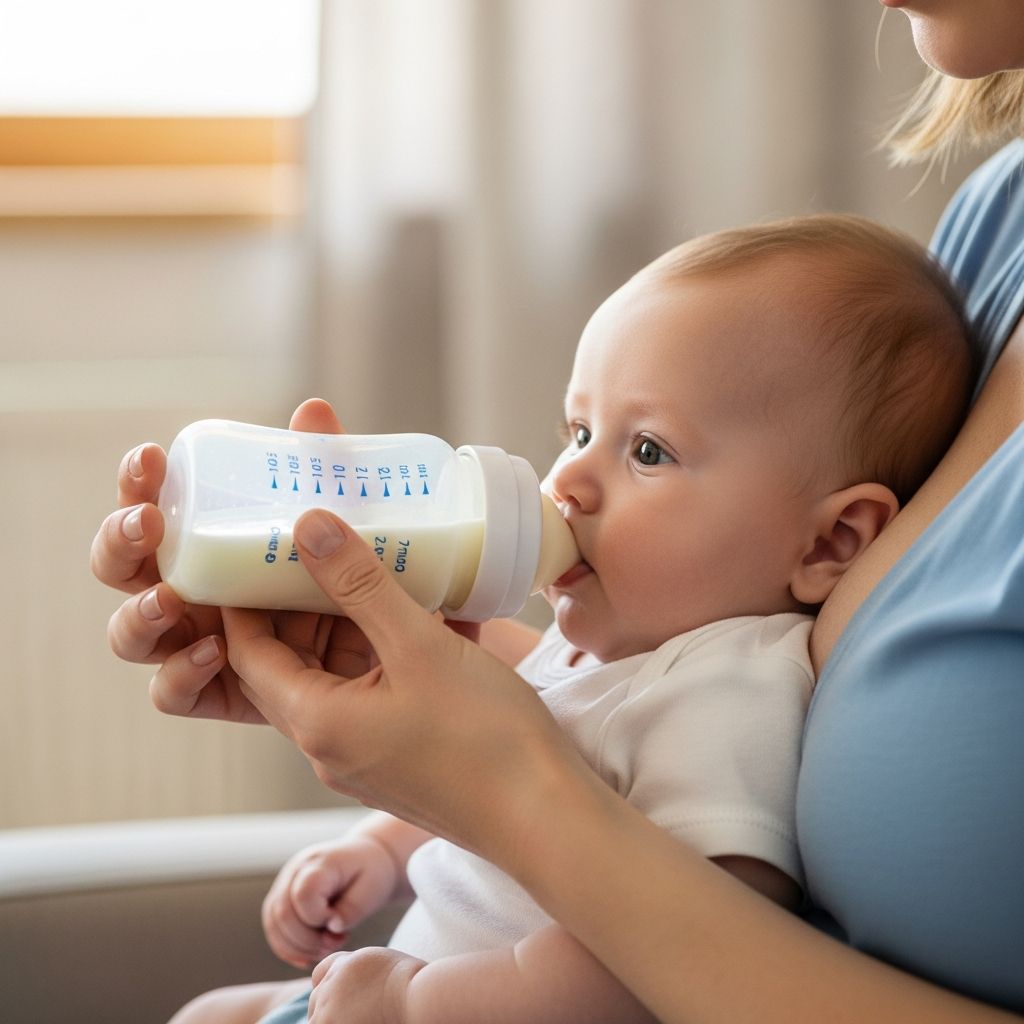
The excitement of welcoming a new baby often comes with challenges for existing family members, especially older children. These kids may experience a mix of emotions, from joy to uncertainty or resentment, as family dynamics shift. Thoughtful preparation can transform this period into an opportunity for growth and closer connections. This guide offers fresh insights into supporting siblings through the journey, drawing on proven strategies to ease adjustments and promote harmony.
Understanding Emotional Responses in Siblings
Children of various ages process the news of a new sibling differently. Toddlers might regress in behaviors like thumb-sucking or bedwetting, while school-age kids could voice worries about divided attention. Recognizing these reactions as normal helps parents respond with empathy rather than frustration.
Jealousy stems from fears of losing their place in the family hierarchy. Younger children often feel displaced by the baby’s demands, leading to acting out. Older ones might intellectualize concerns, asking practical questions about changes in routines. Addressing these head-on builds resilience.
- Toddlers (1-3 years): Expect clinginess or tantrums; they understand little but sense shifts.
- Preschoolers (3-5 years): Fantasize about the baby or express direct competition.
- School-age (6+ years): Worry about personal impacts like shared rooms or less parental time.
Starting Conversations Early and Often
Introduce the idea of a new baby using age-appropriate language. For little ones, simple terms like “a baby is growing in Mommy’s tummy” work best, paired with picture books showing family expansions. Older children benefit from honest discussions about what life will look like post-birth.
Make dialogue ongoing. Regular check-ins allow kids to voice fears, such as “Will you still love me?” Reassure them that love expands, not divides. Use storytelling or role-play to normalize feelings.
| Age Group | Conversation Tips | Example Phrases |
|---|---|---|
| Toddlers | Keep it short, visual | “Baby will play with you soon!” |
| Preschoolers | Answer questions directly | “Baby cries a lot at first, like you did.” |
| School-age | Discuss real changes | “We’ll find special time just for us.” |
Making Pregnancy an Adventure for Everyone
Turn the pregnancy into a shared family experience to spark excitement. Involve kids in tangible ways that make the baby real without overwhelming them.
Doctor Visits and Milestones
Select prenatal appointments where siblings can join. Hearing the heartbeat or viewing ultrasounds creates memorable bonds. Avoid late-stage visits if fatigue sets in for the parent.
Creative Prep Projects
Engage children in nursery setup: painting walls, assembling cribs, or selecting outfits. Let them pack a hospital bag or choose a welcome gift. These activities instill ownership and anticipation.
- Read sibling-themed books together.
- Watch videos of their own babyhood.
- Create a “big sibling” badge or certificate.
Planning the Birth Experience Thoughtfully
As delivery nears, outline clear plans to minimize surprises. Decide on childcare during labor and the first sibling-baby meeting.
Opt for a calm introduction in the hospital or home. Have the older child hold the baby first, with parents focusing praise on them. Coach visitors to greet the sibling before the newborn.
Routine Stability is Key
Maintain daily schedules for meals, play, and bedtime. Delay big changes like potty training or room switches until after settling in.
Navigating Post-Birth Family Life
The initial weeks test family equilibrium. Babies demand constant care, but neglecting older kids breeds resentment. Balance is crucial.
Carving Out Individual Time
Schedule daily one-on-one moments, even 15 minutes, while the baby naps. Use this for undivided play or talks. It reaffirms each child’s value.
Age-Appropriate Involvement
Assign simple baby-care roles: fetching diapers, rocking in a gentle hold, or singing lullabies. Praise efforts to encourage positivity.
Continue preschool or school attendance for structure and parental recharge time.
Cultivating Lifelong Sibling Connections
Beyond infancy, nurture teamwork. Shared chores, joint celebrations, and family outings weave strong ties.
- Celebrate all milestones equally.
- Plan sibling-only playdates.
- Model conflict resolution.
Recognizing When Extra Support Helps
Persistent regression or aggression signals need for professional input. Pediatricians or counselors offer tailored advice. Classes on sibling prep provide tools too.
Frequently Asked Questions (FAQs)
What if my child seems uninterested or hostile toward the baby?
Don’t force interaction; give space. Consistent reassurance and special time resolve most issues over weeks.
How soon after birth should siblings meet the newborn?
Ideally within hours or the first day, in a quiet setting for optimal bonding.
Should I change sleeping arrangements before the baby arrives?
Yes, weeks ahead to avoid linking the move with baby resentment.
Can toddlers safely help with baby care?
Under supervision, yes—tasks like handing items build gentle habits.
What books help explain the new baby?
Titles like “There’s a House Inside My Mommy” or “Hello Baby” suit various ages.
This comprehensive approach empowers families to thrive amid change. Patience and consistency yield rewarding relationships.
References
- Preparing Siblings For A New Baby: A Family Guide — Motherhood Center. 2023-05-15. https://www.motherhoodcenter.com/preparing-siblings-for-a-new-baby/
- Preparing Your Child for a New Sibling — Nemours KidsHealth. 2024-08-20. https://kidshealth.org/en/parents/sibling-prep.html
- Introducing Newborn to Sibling(s) — The Pediatrician Mom. 2023-11-10. https://www.thepediatricianmom.com/blog/introducing-newborn-to-siblings