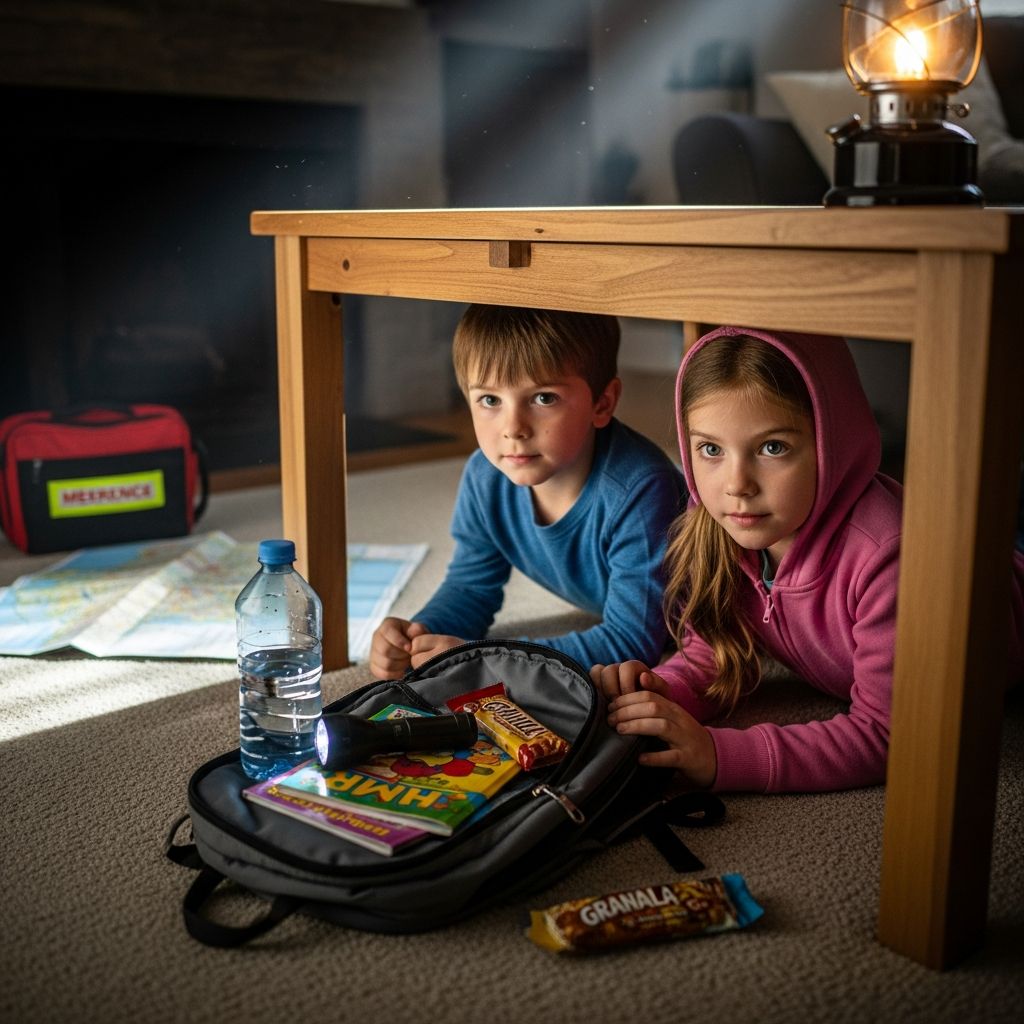
Preparing children for emergencies isn’t about scaring them—it’s about equipping them with knowledge and confidence to navigate challenges. Starting young fosters independence and reduces family stress during crises. Community initiatives, like those in Prince William County, highlight interactive ways to teach kids aged 3-6 about calling for help and recognizing dangers.
Why Start Emergency Education in Early Childhood?
Young minds absorb information quickly, making toddler and preschool years ideal for foundational safety lessons. Programs such as 911 Story Time combine storytelling, crafts, and hands-on truck exploration to demystify emergency response. This approach turns abstract concepts into memorable experiences, helping children memorize vital details like their full name, address, and phone number.
Early prep also builds emotional resilience. Kids who understand basic protocols feel empowered rather than panicked. According to local emergency management, knowing personal identifiers is crucial for 911 operators to dispatch aid swiftly. Beyond facts, it instills calm problem-solving, vital when seconds count.
Core Skills Every Child Should Master
Focus on simple, actionable skills tailored to a child’s developmental stage. Here’s a breakdown:
- Personal Information Recall: Practice reciting name, parents’ names, home address, and emergency contacts daily through games.
- Recognizing Emergencies: Teach signs like fires, strangers, or someone hurt, using age-appropriate stories.
- Calling for Help: Role-play dialing 911, speaking clearly, and staying on the line.
- Safe Behaviors: ‘Stop, drop, and roll’ for fires or hiding during storms.
These skills align with county programs where children interact with 911 operators, learning real-world applications.
Creating a Family Emergency Blueprint
A solid family plan is the backbone of preparedness. Customize it for all ages, including kids’ input to boost buy-in. Key components include:
| Element | Actions for Kids | Adult Responsibilities |
|---|---|---|
| Communication Plan | Memorize two out-of-area contacts | Designate reunion spots |
| Evacuation Routes | Practice ‘follow the leader’ drills | Map primary/backup paths |
| 72-Hour Kit | Pack favorite non-perishables | Stock water (1 gal/person/day), meds, radio |
Prince William County urges building kits for self-sufficiency during disruptions, emphasizing non-perishables and battery-powered radios. Involve kids in packing to make it exciting.
Fun Activities to Reinforce Learning
Games transform prep into playtime. Try these original ideas:
- Emergency Hero Role-Play: Use dolls to simulate calling 911 or escaping smoke.
- Safety Scavenger Hunt: Hide clues around home teaching where to find flashlights or shut off gas.
- Storytime Simulations: Read books about helpers, then discuss ‘what if’ scenarios.
- Truck Touch Events: Attend local demos to climb inside fire engines, mirroring community offerings.
These methods mirror successful library events, blending education with exploration.
Navigating Common Hazards with Kids
Familiarize families with frequent threats. Prince William County identifies thunderstorms, floods, fires, and medical issues as top risks. Tailor talks accordingly:
- Weather Events: Teach indoor safety and alert sign-ups like PWC Alerts.
- Power Outages: Practice flashlight use and battery conservation.
- Home Fires: Install smoke alarms; drill escape plans twice yearly.
Staying informed via official channels ensures timely warnings.
Lifesaving Techniques for Young Learners
Introduce basic first aid simply. County campaigns promote hands-only CPR, bleeding control, extinguisher use, and utility shutoffs. For kids:
- Demonstrate with teddy bears: 30 chest compressions to ‘Disco CPR’ beats.
- Use bandages on toys for wound care.
- Practice ‘PASS’ extinguisher method (Pull, Aim, Squeeze, Sweep) with props.
These empower children to act until pros arrive.
Leveraging Community and School Resources
Schools like Prince William County Public integrate into county plans, supporting drills and education. Seek:
- Library story hours with emergency pros.
- Health district workshops on individual prep.
- Volunteer groups like Red Cross for family training.
Prince William’s ‘Resolve to be Ready’ 2026 campaign rallies year-round involvement.
Addressing Parental Concerns
Parents worry about frightening kids. Counter this with positive framing: ‘Superhero training.’ Monitor reactions; scale back if needed. Evidence from programs shows boosted confidence without trauma.
Age-Appropriate Milestones Table
| Age Group | Key Lessons | Activities |
|---|---|---|
| 2-3 Years | Know name/address; stop/drop/roll | Songs, puppets |
| 4-5 Years | 911 basics; family meeting spot | Role-play, crafts |
| 6-8 Years | Kit packing; simple first aid | Drills, apps |
This progression ensures steady skill-building.
Frequently Asked Questions
How young is too young for emergency talks?
Start at 2-3 with visuals; depth grows with age. Programs target 3-6 effectively.
What if my child gets scared?
Use empowering language and fun elements. Pause and reassure as needed.
Do we need a full kit for apartments?
Yes—compact versions with 72-hour essentials suffice.
How often should we practice?
Monthly drills; review plans seasonally.
Are free resources available?
Yes, via libraries, county sites, and Red Cross.
Steps to Launch Your Family Program Today
1. Assess risks in your area.
2. Draft and share the plan.
3. Build kits collaboratively.
4. Schedule fun practices.
5. Sign up for alerts.
6. Connect with locals.
This roadmap yields prepared, united families.
References
- Helping Kids Be Prepared — Prince William Living. 2023. https://princewilliamliving.com/helping-kids-be-prepared/
- Resolve to be Ready in 2026 — Prince William Living (Prince William County Emergency Management). 2025-12-31. https://princewilliamliving.com/resolve-to-be-ready-in-2026/
- Crisis and Emergency Preparedness — Prince William County Schools. 2026. https://www.pwcs.edu/about/departments/security/crisis_preparedness/index
- Public Health: How Individuals Can Prepare for Emergencies — Prince William Living. 2024. https://princewilliamliving.com/public-health-how-individuals-can-prepare-for-emergencies/