Semen analysis serves as a cornerstone in evaluating male fertility, providing critical insights into sperm count, motility, and overall ejaculate quality. Proper collection techniques ensure the sample’s integrity, directly impacting the accuracy of results used in diagnosing infertility or planning treatments like IVF or IUI.
Understanding the Role of Semen Analysis in Reproductive Health
A semen analysis, often called a spermogram, examines key parameters such as sperm concentration, movement, vitality, and shape to assess reproductive potential. Clinics recommend it as the primary test for men undergoing fertility evaluations because it offers a non-invasive snapshot of sperm health.
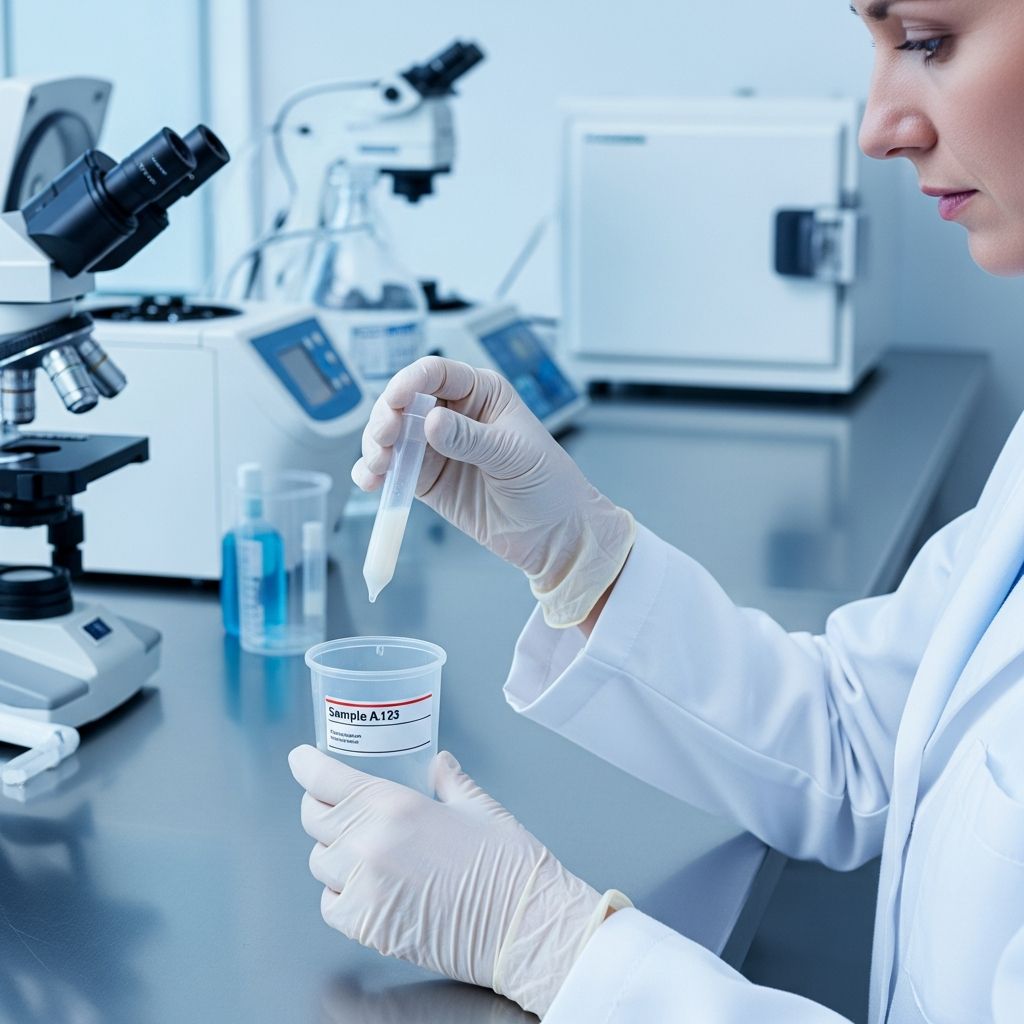
Typically ordered when couples face conception challenges after several months of trying, this test helps identify issues like low sperm production or poor motility. Healthcare providers analyze the sample within hours of collection to preserve sperm viability, making adherence to protocols essential.
Essential Preparation Before Sample Collection
Success begins with meticulous preparation to optimize sperm quality. Begin with a precise abstinence period: abstain from ejaculation for 2 to 5 days prior to collection. This duration balances sperm accumulation without compromising motility—shorter periods yield fewer sperm, while longer ones reduce activity.
Avoid factors that harm sperm during this time:
- Refrain from alcohol, tobacco, and recreational drugs, as they can impair sperm parameters.
- Skip hot baths, saunas, or tight underwear to prevent elevated scrotal temperatures.
- Disclose recent illnesses, fevers, surgeries, or medications to the clinic, as these influence results.
Schedule your appointment during clinic hours, typically weekdays, and confirm if on-site collection is preferred or home production allowed.
Step-by-Step Guide to Producing the Sample
The standard method involves masturbation in a controlled environment. Clinics provide a sterile, wide-mouthed container designed for semen—never use household jars or regular condoms, which contain spermicides that kill sperm.
- Clean thoroughly: Wash hands and penis with mild soap and water, rinsing well to remove residues. Dry completely to avoid contamination.
- Private space: Use the clinic’s designated room if available, equipped with privacy and sometimes visual aids. At home, select a quiet area near the lab.
- No lubricants: Avoid saliva, lotions, or commercial products unless clinic-approved, as they are toxic to sperm.
- Full ejaculation: Masturbate to collect the entire ejaculate directly into the container. The initial portion is richest in sperm, so capture it first. Do not transfer spilled semen.
- Seal immediately: Secure the lid tightly. Label with your name, date of birth, collection time, and date. Note any spillage for the lab.
For those unable to masturbate due to religious or psychological reasons, alternatives include special non-spermicidal condoms for intercourse or medical procedures like electroejaculation.
Safe Transportation and Delivery Protocols
Time is critical—sperm deteriorate rapidly post-ejaculation. Deliver the sample within 1 hour if collected at home.
Maintain body temperature (around 98.6°F or 37°C) during transit:
- Carry in an inner trouser pocket or against your body (e.g., underarm).
- Avoid extreme heat, cold, or direct sunlight.
Upon arrival, present ID, sign consent forms, and inform staff of collection details, including abstinence days and any issues. Labs label samples to prevent mix-ups.
| Collection Location | Time Limit to Lab | Transport Method |
|---|---|---|
| Clinic | Immediate handover | Private room to lab hatch |
| Home | <1 hour | Body warmth (pocket/armpit) |
Alternative Methods for Challenging Cases
Not all men produce samples via masturbation. For azoospermia (no sperm in ejaculate), surgical retrieval like testicular sperm extraction (TESE) or aspiration may be necessary.
Other options:
- Special condoms: Non-toxic versions for intercourse collection, followed by transfer to sterile container.
- Vibrator use: Clinic-approved for those needing stimulation.
- Cryopreservation: Freezing backup samples pre-procedure, recommended for IVF cycles.
Post-vasectomy checks follow similar rules but focus on confirming azoospermia.
What Happens After Delivery: Lab Processing
Labs assess volume (1.5-5 mL normal), pH, viscosity, and sperm metrics within 60 minutes. Results classify fertility potential: normal, oligospermia (low count), asthenozoospermia (poor motility), or teratozoospermia (abnormal forms).
Expect results in days; abnormal findings may prompt repeats or further tests like hormone panels or genetic screening.
Frequently Asked Questions (FAQs)
What if I spill part of the sample?
Inform the lab immediately—partial samples can skew volume and concentration readings, often requiring a retest.
Can I use lubricant?
Only if provided by the clinic; most are sperm-toxic.
How long should I abstain?
2-5 days for optimal results.
Is home collection acceptable?
Yes, if delivered within 1 hour at body temperature.
What if I can’t ejaculate?
Discuss alternatives like special condoms or surgical retrieval with your doctor.
Common Mistakes to Avoid
Errors compromise accuracy:
- Using wrong containers or lubricants.
- Exceeding transport time or temperature fluctuations.
- Forgetting to report illnesses or medications.
Always consult professionals for personalized advice.
References
- Guide to semen sample collection — Next Fertility. 2023. https://nextfertility.es/en/blog/guide-to-semen-sample-collection/
- How are Semen Samples collected? — YouTube (Fertility Clinic Video). 2022. https://www.youtube.com/watch?v=AlljYzZPrtU
- Collecting a semen sample — Progyny. 2024. https://progyny.com/education/male-infertility/collecting-a-semen-sample/
- Collection of Semen — Society for Assisted Reproductive Technology (SART). 2023. https://www.sart.org/patients/a-patients-guide-to-assisted-reproductive-technology/general-information/collection-of-semen/
- Semen Analysis: Purpose, Procedure & Results — Cleveland Clinic. 2025-01-10. https://my.clevelandclinic.org/health/diagnostics/21520-semen-analysis