Understanding the Sacred Transition Into Motherhood
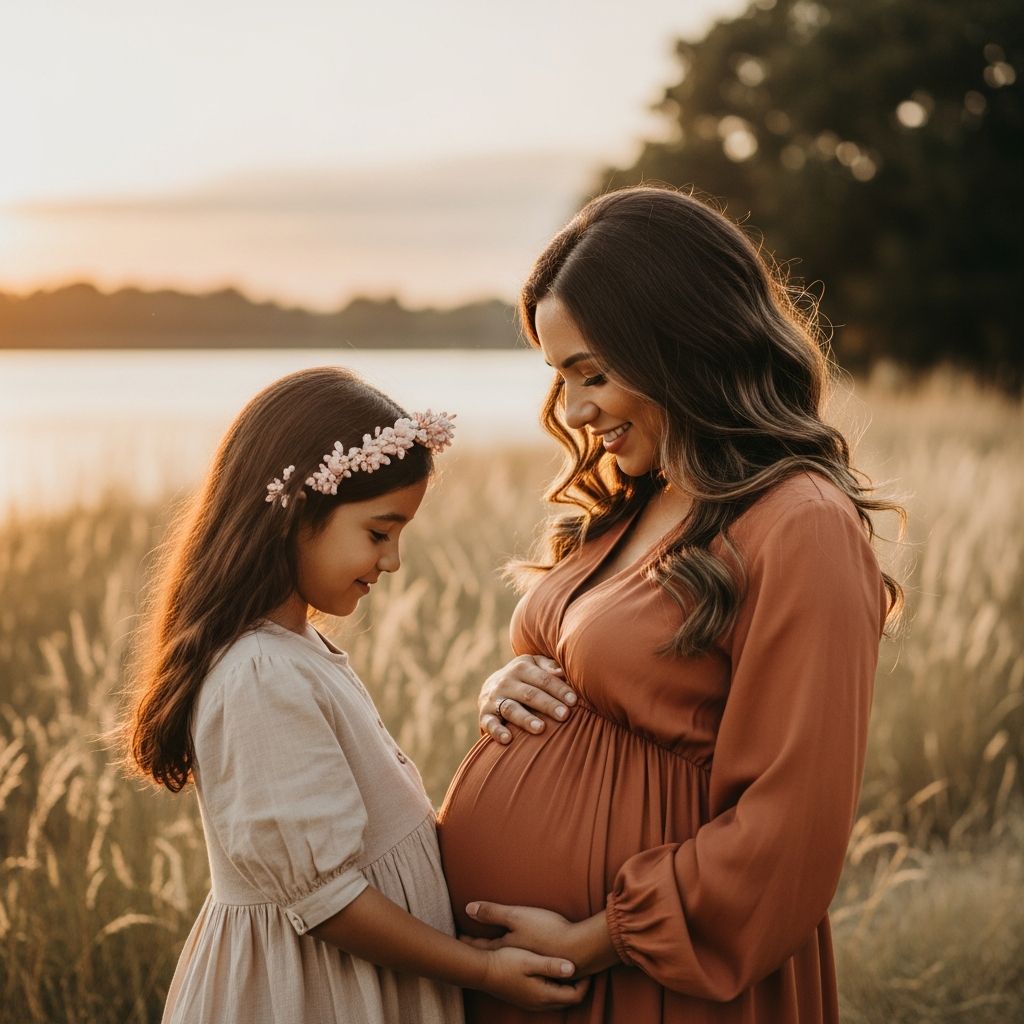
The journey toward becoming a mother represents one of life’s most profound transformations. Throughout history and across cultures, women have gathered to honor this significant milestone through meaningful ceremonies and rituals. A mother blessing ceremony—also known as a blessingway—offers a modern interpretation of ancient traditions, creating a dedicated space where expectant mothers receive love, support, and wisdom from their closest circle of women.
Unlike traditional baby showers that focus on material goods and games, a mother blessing centers entirely on the pregnant woman herself. This celebration acknowledges her courage, recognizes her fears, and strengthens her confidence as she approaches one of life’s greatest adventures. The ceremony draws inspiration from various cultural practices, including Navajo traditions, creating a spiritually grounded experience that feels personal and deeply meaningful.
Laying the Groundwork: Planning Your Ceremony
Creating an intentional mother blessing requires thoughtful planning and clear communication with your guests. Begin by deciding on the intimate size of your gathering—most ceremonies include between 8 and 15 women who represent the most important relationships in your life. Quality matters far more than quantity; select women who understand the significance of the occasion and who you trust to hold space with reverence and authenticity.
Choose a date that feels comfortable for the expectant mother, ideally during the final weeks before her due date. This timing allows her to carry the energy and support from the ceremony directly into her birth experience. Consider the location carefully—whether in someone’s home, a garden, a sacred space, or nature setting—as the environment significantly influences the emotional tone of the gathering.
Send thoughtfully crafted invitations that clearly explain the ceremony’s purpose and any specific requests. Ask guests to arrive with open hearts and, depending on your chosen rituals, specific items such as flowers, beads, written blessings, or food contributions. Provide guidance on appropriate attire and let everyone know what to expect during the gathering.
Creating Sacred Space and Setting the Atmosphere
The physical environment sets the emotional foundation for your ceremony. Begin by cleansing the space with intention—some traditions use sage or palo santo, while others prefer opening windows to allow fresh air to circulate. Arrange seating in a circle, as this formation symbolizes equality, connection, and unity among all participants.
Enhance the sensory experience through thoughtful touches:
- Fresh flowers arranged throughout the space that reflect the season and the mother-to-be’s preferences
- Soft lighting using candles or dimmed lamps to create an intimate atmosphere
- Essential oils or diffused scents that evoke calm and grounding energy
- Gentle background music that remains soft enough to facilitate conversation
- Comfortable cushions, blankets, and seating arrangements that prioritize physical ease
Consider creating a dedicated focal point in the center of your circle—perhaps a beautiful cloth, altar cloth, or arrangement of meaningful items. This visual anchor helps everyone maintain focus on the ceremony’s sacred intention throughout the gathering.
Opening Rituals: Beginning With Intention
Start your ceremony with a grounding meditation or opening ritual that transitions everyone from everyday consciousness into a more sacred headspace. This might involve a guided meditation that honors the maternal lineage—acknowledging all the women who came before and whose strength flows through the pregnant woman. Some ceremonies incorporate spiritual practices that resonate with the group’s beliefs, whether through prayer, affirmation, or connection to ancestral wisdom.
One powerful opening involves a washing of the feet ceremony. Prepare a beautiful foot bath filled with warm water, essential oils, and rose petals. Invite each guest to wash the expectant mother’s feet first, then participants wash their own feet as a symbolic cleansing of fears and worries before entering the sacred space. This ritual creates immediate intimacy and sets a tone of service and love.
Another meaningful opening involves inviting participants to share brief intentions for the ceremony. Allow each woman to speak what she hopes to bring to the gathering and what she wishes for the mother and baby. This collective intention-setting creates a powerful energetic container for everything that follows.
Rituals of Connection and Support
The Red Cord Binding Ceremony
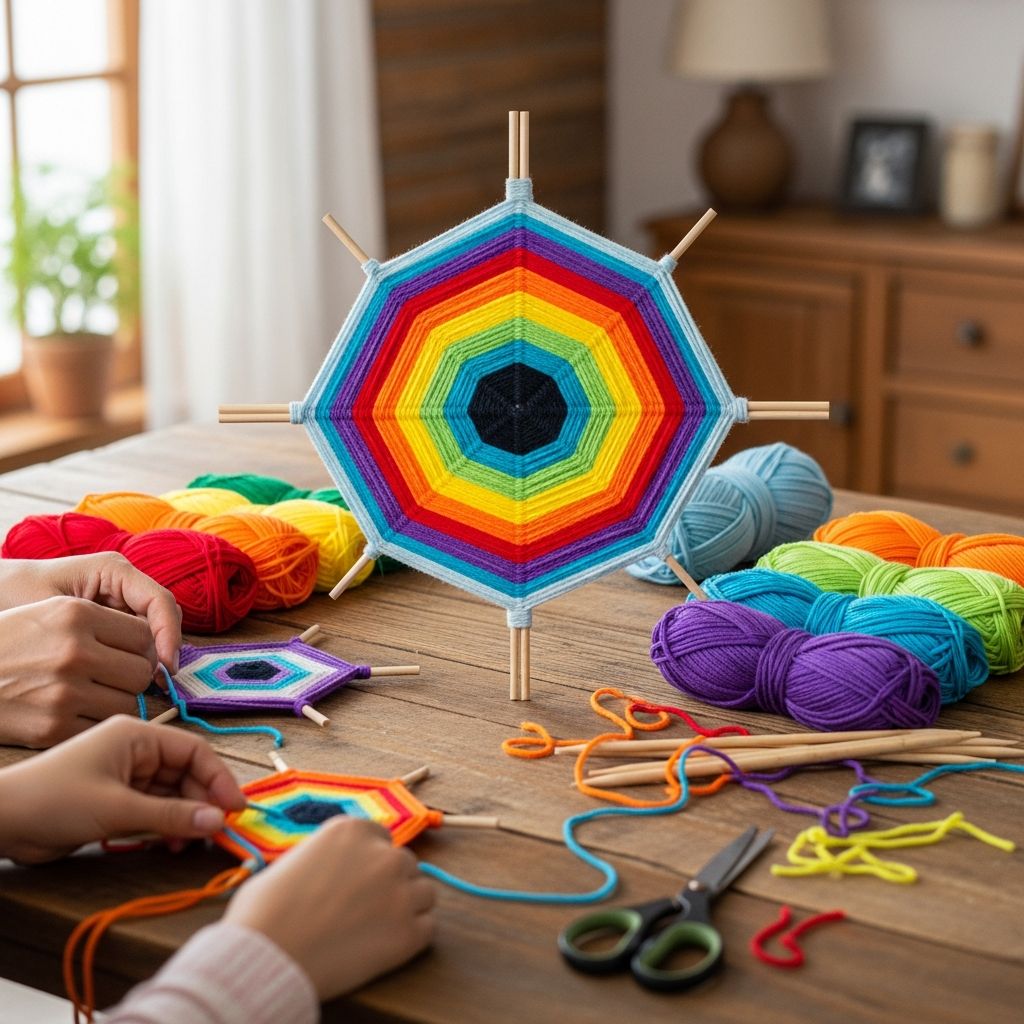
One transformative ritual involves connecting all participants through a red cord or yarn. As the cord passes around the circle, each woman holds it while sharing blessings, affirmations, or words of strength for the expectant mother. By the end, everyone stands connected by this cord, creating a physical representation of the community’s unified support.
After everyone has spoken, the cord is carefully cut between each person. Each participant ties their section around their wrist as a tangible reminder of their commitment. These bracelets remain worn until the mother enters labor, at which point everyone removes theirs simultaneously and sends prayer, love, and renewed intention to the birthing mother.
The Flower and Token Circle
Ask each guest in advance to bring a flower that reminds her of the expectant mother—either because of its appearance, fragrance, or symbolic meaning. As the ceremony progresses, each woman places her flower in the center circle and shares why this particular bloom represents the mother-to-be, along with personal wisdom about motherhood.
These contributions might include stories of strength, gentle advice, or qualities the guest sees in the expectant mother. The gathering of flowers creates a beautiful bouquet that the mother takes home as a living reminder of her community’s love. Alternatively, use small tokens like beads or charms that later become part of a birthing necklace or candle the mother can use during labor.
The Blessed Salt and Herb Infusion
Prepare bowls of magnesium or Epsom salts combined with dried herbs and flowers. Pass these around the circle, inviting each participant to add additional flowers while massaging the mixture gently and infusing it with their blessings, affirmations, wishes, or mantras for the mother. Simultaneously, have guests write their wishes on small pieces of paper and add these to the bowl as well.
The completed mixture becomes a powerful gift the mother can use in baths throughout her pregnancy and postpartum recovery, carrying the energy and support of her entire circle with her during moments of rest and reflection.
Activities Celebrating the Mother’s Body and Spirit
Pampering and Physical Blessing
The mother blessing ceremony explicitly honors the expectant mother’s body as sacred. Organize pampering activities that might include:
- Hand and foot massages performed by multiple guests
- Back and shoulder massage to release tension and stress
- Luxurious foot soaks with oils and petals
- Hair brushing and braiding with flowers woven through
- Belly casting where her pregnant belly is carefully molded to create an art piece celebrating this stage of life
- Henna body painting or belly painting as a way to adorn and honor her body
These activities serve multiple purposes: they provide genuine physical comfort and relaxation, they communicate to the mother that her body is beautiful and worthy of celebration, and they create opportunities for continued bonding and conversation among guests.
Birth Affirmations and Strength Building
Combat fears and build confidence through intentional affirmation activities. Invite each guest to write personalized birth affirmations for the expectant mother—powerful statements that reinforce her strength, capability, and connection to her body’s innate wisdom. These might be collected in a beautiful journal or box that the mother can revisit during labor when she needs encouragement.
Alternatively, guests can decorate birth rocks, flags, or cards with single words of strength like “powerful,” “capable,” “trusting,” or “brave.” Create a collection the mother can display in her birth space as visual reminders of her community’s faith in her ability to birth her baby.
Nourishment and Communal Gathering
Request that each guest contribute a favorite dish—either sweet or savory—that the expectant mother particularly loves. Sharing food together strengthens bonds and creates natural opportunities for conversation, storytelling, and laughter. The meal becomes an act of nourishment and care, ensuring the mother feels fed and supported in every way.
Use this time for informal sharing circles where women discuss their own birth experiences, offer motherhood wisdom, or simply celebrate the expectant mother through conversation and connection. Some ceremonies include singing together, with guests learning simple chants or lullabies specifically for the occasion.
Creating a Birthing Talisman
Many ceremonies culminate in creating a special object the mother carries into her birth. The most popular option involves each guest adding beads to a strand, creating a beautiful birthing necklace or mala. As each woman adds her beads, she infuses them with her love, wishes, and positive intention for the mother and baby.
The mother wears this necklace during labor, using it as a tactile focal point to call upon the energy and support all her sisters contributed. After birth, it becomes a cherished keepsake and reminder of the village that supported her through this transformative experience.
Closing the Ceremony With Intention
End your gathering with a closing ritual that honors everything shared and creates a gentle transition back to everyday life. This might involve a final meditation, a group affirmation spoken together, or a blessing offered by one or more participants. Some ceremonies include lighting candles with a commitment to light them again when the mother enters labor, creating an energetic connection during the birth itself.
Consider exchanging final words of encouragement or singing a closing song together. The goal is to help everyone feel the sacredness of what occurred while also feeling grounded and present before departing.
Personalizing Your Mother Blessing
| Ceremony Element | Traditional Approach | Modern Adaptation |
|---|---|---|
| Opening Ritual | Meditation honoring ancestral lineage | Personal intention-setting circle |
| Main Blessing Activity | Washing of feet ceremony | Group massage and pampering session |
| Gift Creation | Red cord bracelets | Birthing necklace with beads |
| Affirmation Method | Spoken blessings in circle | Written cards in decorative box |
| Closing Practice | Candlelight meditation | Group song or shared affirmation |
The most meaningful mother blessings remain flexible and personalized. Consider what resonates most deeply with the expectant mother and her community. Some groups incorporate spiritual or religious elements, while others keep the ceremony secular. Some emphasize physical pampering, while others prioritize storytelling and wisdom sharing. There is no single “correct” way to honor this transition—only authentic ways that reflect your values and relationships.
Frequently Asked Questions
Q: How many people should attend a mother blessing ceremony?
A: Most ceremonies include 8-15 women who represent the closest relationships in the expectant mother’s life. Smaller groups create more intimate connection, while slightly larger groups provide diverse perspectives and energy. The key is quality over quantity—choose women who genuinely understand the significance of the occasion.
Q: When is the best time to hold a mother blessing?
A: Ideally, schedule the ceremony during the final weeks before the due date, allowing the expectant mother to carry the energy and support directly into her birth experience. However, some women prefer earlier in their third trimester, and some hold blessings for second and subsequent pregnancies at any point in the journey.
Q: Can I hold a mother blessing if I’m not religious or spiritual?
A: Absolutely. While many ceremonies incorporate spiritual elements, you can create a meaningful gathering focused simply on celebrating the woman, sharing practical wisdom, offering physical support, and building community connection without any religious component.
Q: What if the expectant mother prefers smaller or more private gatherings?
A: The ceremony should reflect what feels comfortable for the mother-to-be. Some women prefer intimate gatherings with only 3-5 close friends or family members. The activities and rituals can be scaled to any size, maintaining the essence of support and celebration.
Q: Can I combine a mother blessing with a baby shower?
A: While possible, many women prefer to keep them separate since they serve different purposes. A mother blessing focuses on the woman herself and her transition into motherhood, while a baby shower traditionally celebrates baby gifts and preparation. However, you could host a shorter blessing ceremony before or after a shower if desired.
Q: What should I do if some invited guests cannot attend?
A: Invite them to contribute written blessings, recorded messages, or beads for the birthing necklace that can be included even in their absence. Many ceremonies include a moment where absent guests’ contributions are acknowledged and their presence is honored energetically.
References
- Mother’s Blessing – Village For Mama — Village For Mama. 2024. https://villageformama.com/mothers-blessing-ceremony/
- Planning a Mother’s Blessing Ceremony — Nashville Doula Services. 2024. https://nashvilledoulaservices.com/blog/planning-a-mothers-blessing-ceremony
- Mother’s Blessing Sacred Ceremony — Melissa Ambrosini. 2024. https://melissaambrosini.com/love/mothers-blessing-sacred-ceremony/
- Planning A Mother’s Blessing Ceremony — Mama Malas. 2024. https://mamamalas.com/blogs/news/planning-a-mother-blessing
- How to Plan a Meaningful Mother Blessing Ceremony — Navigating Parenthood. 2024. https://www.navigatingparenthood.com/modern-mother-blessing/