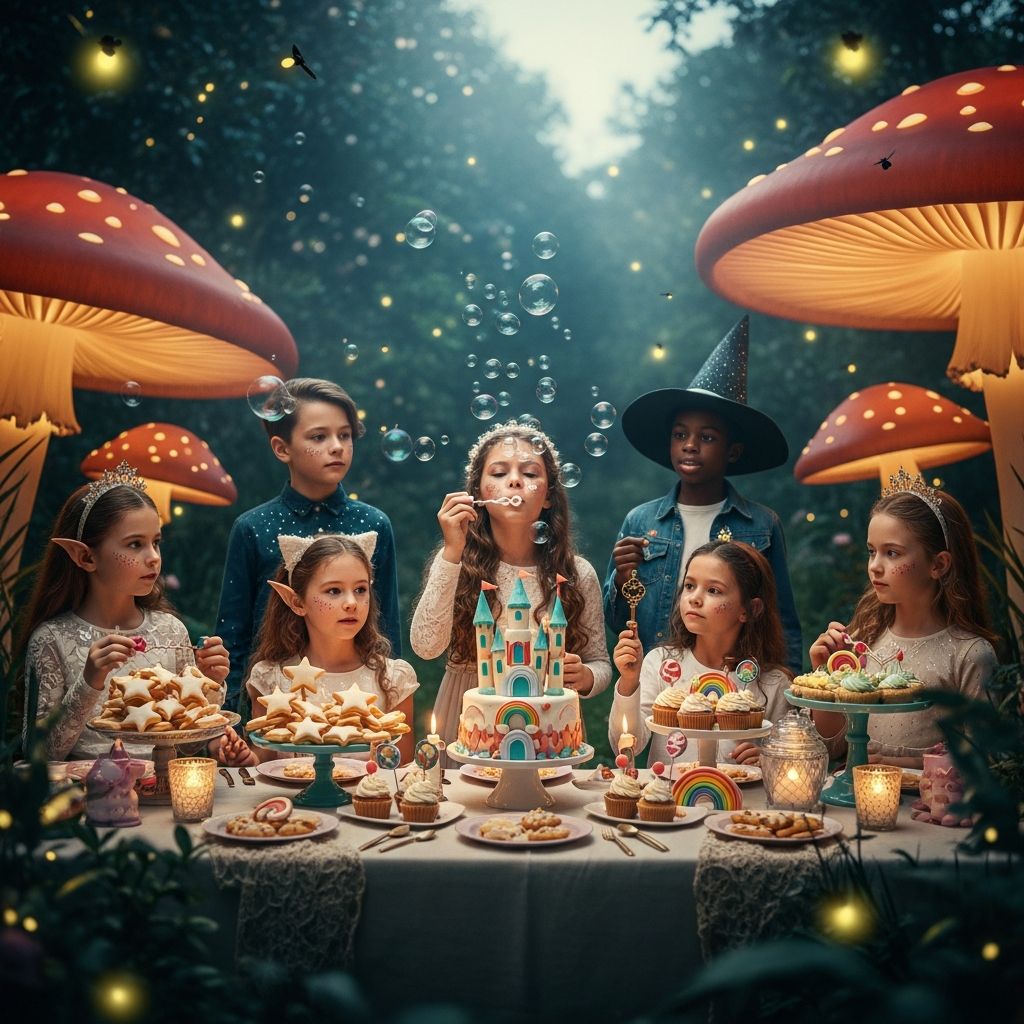
Turning six is a big milestone: kids are more independent, have clear interests, and are ready for longer, more structured games. This guide walks you through themes, activities, food, and scheduling so you can host a joyful, manageable sixth birthday party at home or out and about.
Understanding Six-Year-Olds at Parties
Most six-year-olds can follow simple multi-step directions, take turns with support, and stay engaged in an activity for 15–20 minutes when it is hands-on and fun. They love imaginative play, simple competition, and chances to show what they can do, but still need clear boundaries and adult supervision.
When planning the party, aim for a mix of structured activities and free play. Too much structure can feel overwhelming, while too little can lead to chaos and boredom. A flexible plan with 3–5 main activities usually works best for this age.
Choosing a Theme That Fits Your Child
A theme gives the party a cohesive feel and makes planning easier, because decorations, games, and food can all tie back to one main idea. Focus on what your child genuinely loves rather than what is trending or heavily marketed.
Below are starter ideas you can customize rather than fixed prescriptions. Involve your child in choosing colors, characters, or settings to make the party feel uniquely theirs.
Adventure & Action Themes
- Junior Explorers: Think maps, compasses (toy ones), and a backyard “expedition” to find hidden items or creatures.
- Super Skills Academy: Kids rotate through stations like jumping, balancing, and throwing, earning stickers for each challenge they try.
- Pirate Harbor: Treasure maps, eye patches, and a “sunken treasure” chest filled with small trinkets or snacks.
Creative & Artsy Themes
- Mini Makers Studio: Craft tables with beads, stickers, and simple build-and-decorate projects.
- Color Splash Party: Guests come dressed in bright colors; activities focus on painting, coloring, and rainbow-themed snacks.
- Storybook Celebration: Inspired by your child’s favorite book world, with reading time and related crafts.
Nature & Outdoor Themes
- Backyard Camp-Out (Daytime): Set up tents, tell campfire stories, and do nature scavenger hunts without the overnight commitment.
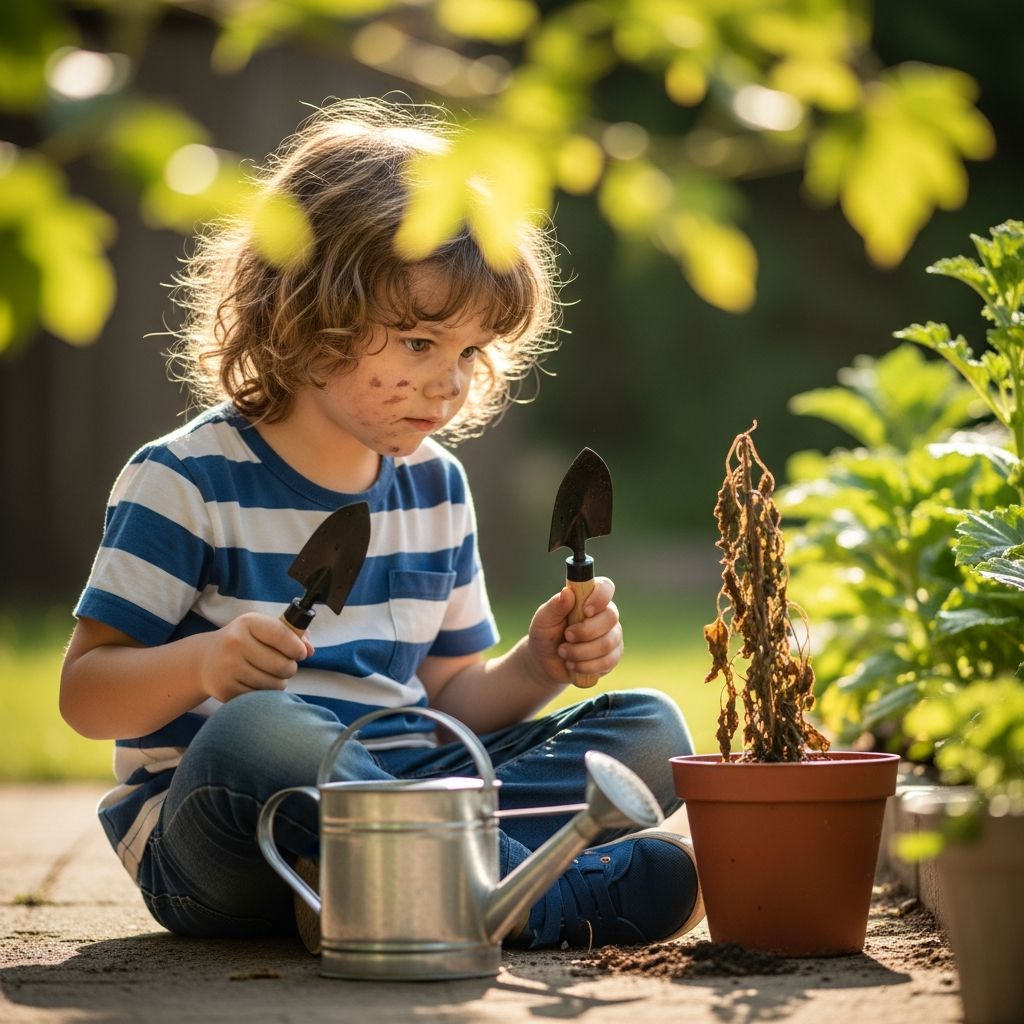
- Garden Party: Kids decorate pots, plant seeds, and search for hidden bugs or flower markers around the yard.
- Wildlife Watchers: Binocular props, animal masks, and a simple “safari” walk looking for toy animals.
How Long the Party Should Last
For most six-year-olds, 1.5 to 2 hours is usually the sweet spot. This is long enough to include a welcome activity, a couple of games, food, cake, and some free play, without pushing kids into meltdown territory.
Shorter weekday parties often work best after school, while slightly longer weekend parties allow more relaxed pacing. Consider your child’s personality; some kids thrive on longer social time, while others do better with a tighter schedule.
| Time of day | Ideal duration | Pros |
|---|---|---|
| Late morning | 1.5–2 hours | Kids are fresh, snacks or light lunch are easy to serve. |
| Afternoon | 1.5–2 hours | Works well for outdoor play and avoids bedtime conflicts. |
| After school | 1–1.5 hours | Short and sweet; ideal for simple games and cake. |
Simple Step-by-Step Party Plan
Having a general flow helps you stay calm and lets kids know what to expect. You do not need to follow a strict clock, but having a sequence of events makes transitions smoother.
Use this sample schedule as a guide and adjust the activities to match your theme and the number of guests.
Sample 90-Minute Party Schedule
- Arrival & Warm-Up (10–15 minutes): Set up a simple table activity like coloring pages, building blocks, or sticker sheets so early arrivals have something to do.
- Group Game #1 (10–15 minutes): Choose a high-energy game that gets everyone moving, such as a themed relay, freeze dance, or a simple obstacle course.
- Craft or Focus Activity (15–20 minutes): Kids decorate something to take home (crowns, masks, mini picture frames, or small bags).
- Snack Break (10–15 minutes): Offer finger foods and drinks while kids sit down and reset.
- Group Game #2 (10–15 minutes): Opt for a calmer but still fun game like a treasure hunt, guessing game, or team challenge.
- Cake & Singing (10–15 minutes): Gather everyone, sing, blow out candles, and serve cake or your chosen dessert.
- Free Play & Goodbyes (10 minutes): Let kids revisit their favorite toys or game area while you hand out favors and chat with parents.
Age-Perfect Games for Six-Year-Olds
Games at a sixth birthday should be easy to explain, quick to start, and flexible, allowing both shy and energetic kids to enjoy themselves. Mix high-energy rounds with calmer options so kids can catch their breath.
Below are game categories you can adapt to nearly any theme with small tweaks in props or story lines.
Movement Games
- Obstacle Run: Use cushions, chairs, hula hoops, or cones to create a path to crawl under, hop over, and weave around. Time each child or run in small teams.
- Themed Tag: Change regular tag into “shark and minnows,” “space freeze,” or “dragon tail” by adjusting the story and rules.
- Balloon Challenges: Kids keep a balloon in the air with elbows or knees, or race while balancing it between two friends.
Team & Cooperative Games
- Treasure Trail: Children follow picture clues or arrows around the house or yard to find a final surprise box.
- Build-It Challenge: Give each small group blocks, cups, or recycled boxes and a simple mission such as “build the tallest tower you can.”
- Puzzle Race: Teams assemble simple jigsaw puzzles or large cut-up pictures related to the party theme.
Quiet or Wind-Down Games
- Guess the Sound: Hide common objects (keys, paper, a shaker) and let kids guess what is making each sound.
- Story Circle: An adult starts a short story and each child adds a sentence as the tale moves around the circle.
- Freeze Poses: Play music; when it stops, kids freeze in a silly pose that fits your theme (robots, animals, statues).
Decorations That Don’t Take Over Your Weekend
Decorations can be colorful and fun without being expensive or time-consuming. Pick two or three main colors and one or two key symbols (stars, animals, shapes) that echo the theme throughout the space.
Focus your efforts on a couple of high-impact areas, like the food table and photo backdrop, instead of decorating every corner of your home.
High-Impact, Low-Effort Ideas
- Use a plain tablecloth and scatter themed confetti, cut-out shapes, or small toys down the center.
- Hang a simple banner with your child’s name and age over the main table or in the photo area.
- Create a DIY backdrop using streamers, balloons, or a large sheet with paper cutouts taped on.
- Use toys your child already owns (figures, stuffed animals, vehicles) as decor pieces around the cake and snack table.
Food and Cake Without the Stress
At a six-year-old’s party, food is best when it is simple, easy to eat, and mostly finger-friendly. Offer a few familiar options plus one or two theme-inspired touches, and keep portions small to reduce waste.
Check for food allergies or dietary needs on the invitations if possible, and label common allergens on the serving table so parents can help their children choose safely.
Kid-Friendly Snack Ideas
- Fruit skewers or small fruit cups.
- Mini sandwiches or wraps cut into bite-sized portions.
- Crackers, cheese cubes, and sliced veggies with dip.
- Popcorn or pretzels as an easy, sharable snack.
Cake and Dessert Options
- A simple sheet cake decorated with sprinkles and a few themed toppers.
- Cupcakes children can choose and decorate with a topping station of sprinkles and small candies.
- Alternative desserts like brownies, cookies, fruit tarts, or ice cream cups if your child is not a big cake fan.
Party Favors That Kids Actually Use
Party favors do not need to be bags of random trinkets that break by the time families reach the car. Choose useful, theme-related items that children can enjoy beyond the party day.
You can also turn activities into favors by letting kids take home what they made or used during the games.
Practical Favor Ideas
- Reusable water bottles or cups decorated with stickers at the party.
- Mini notebooks and colorful pens or crayons.
- Themed accessories like masks, capes, or hats used during games.
- Small activity books or decks of picture cards instead of lots of candy.
Hosting Indoors vs. Outdoors
Choosing between an indoor or outdoor venue depends on your space, weather, and the kind of activities your child wants. Both options can work beautifully with thoughtful planning and a backup plan if the weather is unpredictable.
Consider how far guests will travel and what amenities are nearby, such as bathrooms, shade, or indoor areas in case kids need a break.
| Location | Advantages | Considerations |
|---|---|---|
| Home Indoors | Weather-proof, easy access to supplies, comfortable for shy kids. | Less space for running games; more cleanup afterward. |
| Backyard or Park | Lots of room for active play, natural light, easier noise control. | Weather dependent; may require permits or early arrival to claim space. |
| Rented Venue | Built-in activities and staff, set time limits help with structure. | Higher cost; less freedom to personalize every detail. |
Keeping the Party Inclusive and Calm
A successful sixth birthday welcomes different energy levels, personalities, and comfort zones. Offer choices so children can move between active and quieter spaces as they need to.
Small touches that support shy or sensitive kids help everyone enjoy the day more and reduce behavior challenges later on.
Practical Tips
- Set up a quiet corner with books, puzzles, or soft toys for kids who need a break from noise.
- Announce transitions (“In five minutes we will clean up and start the next game”) so children have time to adjust.
- Use clear, kind rules at the start, such as “We take turns,” “We use walking feet inside,” and “We use gentle hands.”
- Invite a few adults or older kids to help at different stations so no group is unsupervised.
FAQ: Sixth Birthday Party Questions
How many guests should we invite?
There is no fixed number, but many families find that six to ten guests works well for a sixth birthday. This size allows plenty of friends while still making it possible to manage games and keep track of everyone.
Consider the size of your space, your budget, and how comfortable your child is in groups. Some children do better with just a small handful of close friends.
Do we need to invite the whole class?
Inviting an entire class is not required, though some schools have guidelines about handing out invitations at school. A smaller party at home with a few close friends is perfectly acceptable.
If you choose a smaller guest list, send invitations privately, not in front of classmates who are not invited, to avoid hurt feelings.
Should parents stay or drop off their kids?
At age six, both options can work, but many parents appreciate being invited to stay, especially for children who are new to parties or do not know your family well. If you prefer a drop-off event, make that clear on the invitation.
Whatever you choose, collect emergency contact information and any allergy details in advance so you can respond quickly to any issues.
What if my child gets overwhelmed?
Even excited birthday kids can suddenly feel tired, shy, or frustrated. Build brief pauses into the schedule and be ready to step aside with your child for a quiet moment if needed.
Keeping the plan flexible, the group size manageable, and expectations realistic will help your child enjoy their special day without feeling pressured to perform.
With a bit of preparation, a clear but flexible plan, and activities that match your child’s interests, a sixth birthday can be joyful for both kids and adults. Focus on connection, simple fun, and celebrating who your child is at this moment in their life.