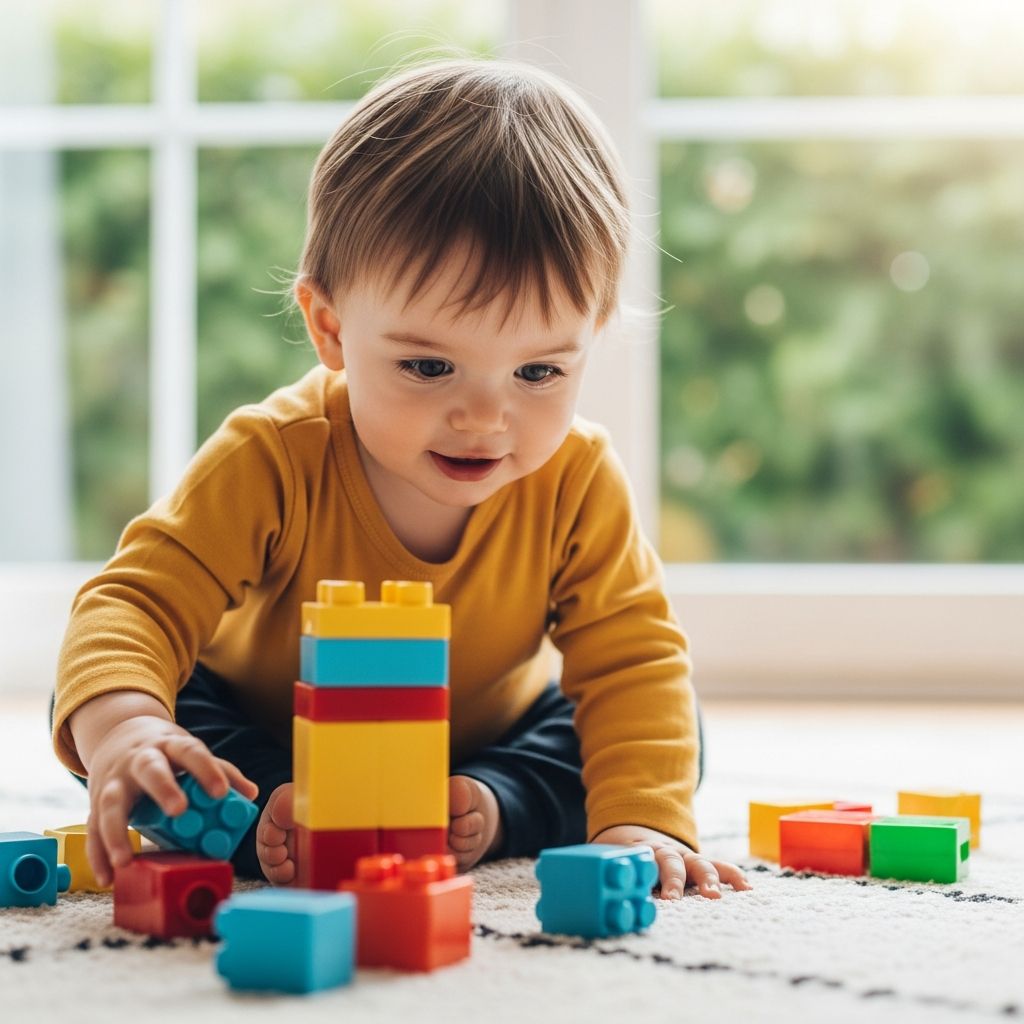
Strong-willed children possess an intense determination that can be both a gift and a challenge for parents. These kids often exhibit persistence, leadership qualities, and creative problem-solving skills, but their resistance to authority can lead to frequent power struggles. Understanding their unique temperament is the first step toward turning potential conflicts into opportunities for growth. This article explores comprehensive approaches to parenting these dynamic personalities, drawing on evidence-based methods to cultivate cooperation without stifling their spirit.
Recognizing the Traits of Strong-Willed Children
Children with strong wills typically display unwavering opinions, a need for autonomy, and emotional intensity from a young age. They may argue passionately about preferences, resist routines, and react strongly to perceived injustices. Research from child development experts highlights that this temperament affects about 10-15% of children and is linked to genetic factors as well as environmental influences. Unlike compliant children who follow directions easily, strong-willed ones thrive on feeling in control, which can manifest as defiance if their needs aren’t met thoughtfully.
Key characteristics include:
- High persistence in tasks they enjoy, often leading to exceptional focus.
- Intense emotional responses, such as big tantrums or deep frustrations.
- A drive for independence, pushing boundaries earlier than peers.
- Creative negotiation skills, turning simple requests into debates.
- Resilience in the face of setbacks, bouncing back with renewed vigor.
These traits, when channeled properly, prepare children for success in adulthood. Parents who recognize them early can implement tailored strategies to guide rather than oppose their child’s natural inclinations.
Building a Strong Emotional Foundation
The cornerstone of effective parenting for strong-willed kids is forging a deep emotional connection. These children need to feel understood and valued to lower their defenses. Start by prioritizing one-on-one time daily, even if just 15 minutes of undivided attention. Engage in activities they choose, like building forts or storytelling, to affirm their importance.
Active listening plays a crucial role. When your child expresses frustration, kneel to their level, maintain eye contact, and reflect back what you hear: “It sounds like you’re upset because you wanted the red cup instead.” This validates their feelings without conceding to demands, reducing escalation. Empathy statements like “I see this is really hard for you” diffuse tension and model emotional intelligence.
Incorporate playfulness to release pent-up energy. Power-reversal games, where parents act silly or less competent, invert typical dynamics and invite laughter. For instance, during a dressing standoff, pretend the socks are “magical” and chase them around playfully. Such interactions build trust and make compliance feel collaborative rather than coercive.
Establishing Clear Boundaries with Empathy
Strong-willed children test limits rigorously, but consistent boundaries provide the security they crave. Communicate expectations upfront: “We brush teeth after dinner to keep them healthy.” Use a calm, firm tone and follow through immediately. Inconsistency invites more challenges, as these kids quickly spot weaknesses.
When defiance arises, stay composed. Take deep breaths to manage your reactions, modeling self-control. Instead of demands, frame situations as shared problems: “We need to leave for school in 10 minutes, and you’re still playing. What can we do to make this smoother?” This invites their input, satisfying their control needs while achieving goals.
Avoid power struggles by offering limited choices: “Do you want to wear the blue shirt or the green one?” This preserves autonomy within your framework. If behavior persists, implement natural consequences calmly, like ending playtime early if toys are mishandled, explaining the link factually.
Positive Discipline Techniques That Work
Traditional punishments often backfire with strong-willed kids, fueling resentment. Shift to positive discipline, emphasizing teaching over retribution. According to the American Academy of Pediatrics, positive reinforcement strengthens desired behaviors more effectively than punishment alone.
| Technique | Description | Example |
|---|---|---|
| Positive Reinforcement | Reward good choices immediately with praise or privileges. | “Great job sharing your toy! Let’s read an extra story tonight.” |
| Time-In | Sit with child during upset to co-regulate emotions. | Hug and breathe together until calm returns. |
| Accountability Systems | Use visual trackers for progress toward rewards. | Marble jar: Add marbles for cooperation, fill for family fun. |
| Natural Consequences | Let logical outcomes teach lessons. | No jacket means feeling cold outside. |
| Restorative Conversations | Discuss feelings post-conflict and repair. | “How did that make you feel? How can we fix it?” |
These methods promote long-term self-regulation. Track patterns in a journal to identify triggers, adjusting approaches accordingly.
Addressing Common Challenges by Age
Toddlers (1-3 Years)
At this stage, defiance stems from emerging independence. Use distraction and humor: Turn cleanup into a game of “toy hide-and-seek.” Short, clear instructions prevent overwhelm.
Preschoolers (3-5 Years)
Tantrums peak here. Employ the “hug and hold” technique: Offer empathy first, then redirect. Problem-solving questions engage their growing minds.
School-Age (6-12 Years)
Arguments intensify. Involve them in family meetings to co-create rules, fostering ownership. Privilege charts link responsibilities to freedoms.
Teens
Autonomy battles escalate. Negotiate contracts for chores or screen time, emphasizing mutual respect. Mentor their passions to build alliance.
Fostering Long-Term Resilience and Cooperation
Beyond daily tactics, nurture skills for life. Teach emotional vocabulary: Label feelings as “frustrated,” “excited,” to aid regulation. Encourage physical outlets like sports or dance to channel energy positively.
Model humility by apologizing after mistakes: “I got upset too quickly; let’s try again.” This teaches accountability. Celebrate strengths publicly—”Your persistence got you through that puzzle!”—boosting self-esteem.
Monitor for underlying issues like anxiety, consulting pediatricians if defiance disrupts daily life. Family therapy can provide tools for entrenched patterns.
Frequently Asked Questions
What if my strong-willed child ignores all consequences?
Reassess for connection gaps. Rebuild trust through play, then reintroduce systems gradually. Consistency paired with empathy often shifts behavior within weeks.
Is it okay to give in sometimes?
Yes, for non-safety issues, flexibility shows respect. Balance with firm limits on essentials like safety and respect.
How do I stay calm during meltdowns?
Practice self-care: Sleep, exercise, support networks. Pre-plan responses and use breathing techniques.
Can strong-willed traits be outgrown?
They evolve into strengths like leadership with guidance. Early intervention prevents negative patterns.
What role does diet/play have?
Balanced nutrition stabilizes mood; ample unstructured play releases energy, reducing outbursts.
Self-Care for Parents of Strong-Willed Kids
Parenting these children demands resilience. Prioritize sleep, nutrition, and hobbies. Join support groups for validation—it’s normal to feel exhausted. Reflect weekly: What worked? Adjust without self-judgment.
Word count: 1728 (excluding HTML tags, metadata, and references).
References
- Peacefully Parenting Your Strong-Willed Child — Peaceful Parent. 2023. https://www.peacefulparent.com/peacefully-parenting-your-strong-willed-child/
- Disciplining the Strong-Willed Elementary Child — Focus on the Family. 2024-01-15. https://www.focusonthefamily.com/family-qa/disciplining-the-strong-willed-elementary-child/
- Getting Your Strong-Willed Child to Listen — Wits End Parenting. 2023-05-20. https://witsendparenting.com/getting-your-strong-willed-child-to-listen-when-connection-isnt-enough-part-i/