Understanding Potty Training Resistance
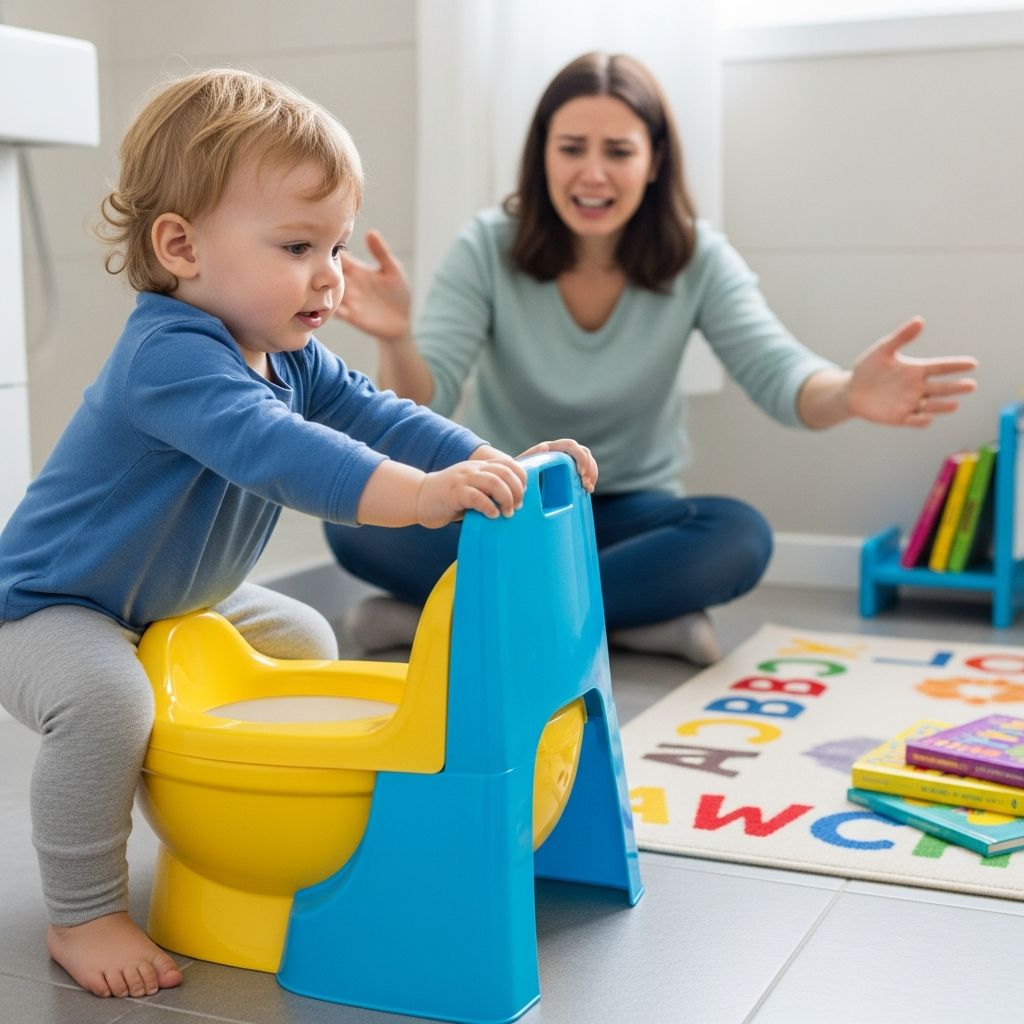
Potty training resistance is a common challenge for parents, especially when a child who seems ready suddenly refuses to use the toilet. This resistance is rarely about defiance; instead, it often stems from a child’s need for control, fear, or simply not being fully ready for the transition . Recognizing the underlying causes is the first step toward effective solutions.
Signs of Potty Training Resistance
- Withholding pee or poop
- Refusing to sit on the potty
- Requesting diapers after previous success
- Crying, tantrums, or hiding during bathroom time
- Showing discomfort or anxiety around the toilet
These behaviors indicate that your child may be struggling with the process, not just being stubborn .
Effective Strategies to Overcome Resistance
Pause and Reset
If potty training has become a battle, taking a break for 1–2 weeks can relieve pressure and frustration. This pause allows both parent and child to reset, reducing stress and rebuilding trust .
Watch for Readiness Signs
Look for physical and behavioral cues that your child is ready, such as:
- Dry diapers for two or more hours
- Showing interest in the toilet
- Hiding to poop
- Asking to be changed
- Following simple instructions
Pushing too hard before these signs appear can lead to resistance .
Positive Reinforcement Only
Avoid shame or punishment. Instead, use a calm, steady voice and:
- Praise for trying or sitting
- Small rewards like stickers or bubbles
- Fun activities while seated, such as reading a book or singing songs
Positive reinforcement helps your child associate the potty with pleasant experiences .
Manage Constipation
Constipation is a common cause of potty training resistance. If your child is avoiding the toilet due to hard stools or straining, consider:
- Increasing water and fiber intake
- Using stool softeners if recommended by a pediatrician
- Encouraging daily potty time after meals
Addressing constipation can make the process much smoother .
Establish Consistent Routines
Consistency is key. Try to:
- Encourage potty use after meals and before bedtime
- Let your child flush or wipe independently
- Allow them to choose their underwear or favorite potty books
Routines help normalize the process and reduce anxiety .
Creating a Supportive Environment
Comfortable Equipment
Ensure your child feels comfortable with their potty setup. Some children prefer a portable potty chair, while others may feel more at ease with a child-size seat on a regular toilet. Let your child choose what works best for them .
Visual Reminders
Place the potty chair in a room where your child spends most of their time. This provides a convenient visual reminder and makes it easier for them to access when needed .
Star Charts and Rewards
Use a star chart to track progress. Let your child place a star on the chart each time they use the potty successfully. Decide on a reward for a set number of stars, such as new underwear or a small toy. This system encourages independence and a sense of accomplishment .
Handling Accidents and Setbacks
Respond gently to accidents and avoid criticism. Pressure and punishment will only delay successful training. Instead, offer support and reassurance, reminding your child that accidents are a normal part of learning .
Consistency Across Caregivers
Request that preschool, daycare staff, and family members use the same strategies. Consistency across environments helps your child feel secure and reduces confusion .
FAQs About Potty Training Resistance
What causes potty training resistance?
Resistance is often due to a child’s need for control, fear, or lack of readiness. It is rarely about defiance .
How long should I wait before trying again after a setback?
A break of 1–2 weeks is usually sufficient to reset and reduce pressure .
What if my child refuses to sit on the potty?
Do not force your child to sit. Instead, try positive reinforcement, fun activities, and let them choose their preferred potty setup .
How can I encourage my child to use the potty without pressure?
Use routines, visual reminders, and positive reinforcement. Avoid reminders or pressure, as these can increase resistance .
When should I seek professional help?
If resistance persists, or if you suspect constipation or other medical issues, consult your pediatrician for guidance .
Conclusion
Potty training resistance is a normal part of the process for many families. By understanding the causes, using positive reinforcement, and creating a supportive environment, parents can help their children overcome resistance and build healthy bathroom habits. Patience, consistency, and empathy are key to success .