Creating a Functional Vehicle Interior Through Smart Organization
The modern vehicle serves multiple purposes beyond transportation. It becomes a mobile office, a traveling storage unit, a dining space, and sometimes even a temporary home. Given these varied demands, maintaining an organized interior becomes essential for both practical functionality and mental well-being. A cluttered vehicle not only creates stress but also reduces usable space and can compromise safety. Understanding the principles of effective vehicle organization allows drivers to reclaim their automotive spaces and transform them into efficient, pleasant environments.
Establishing a Foundation: Initial Vehicle Assessment and Decluttering
Before implementing any organizational system, the first critical step involves a thorough evaluation of your vehicle’s current state. This process requires removing every single item from your car, including items hidden under seats, in door pockets, and tucked away in the trunk. This comprehensive removal allows you to see exactly what you’re working with and creates a blank canvas for implementing new systems.
During this assessment phase, categorize items into three groups: essentials that should remain, items that belong elsewhere in your home, and things that serve no practical purpose. Many vehicles accumulate years’ worth of forgotten receipts, old insurance documents, expired coupons, and random items that occupants thought might be useful someday. The harsh reality is that most of these items will never be needed and only consume valuable space.
Once you’ve removed unnecessary items, evaluate what truly needs to remain in your vehicle. Essentials typically include emergency supplies, basic maintenance items, phone chargers, and seasonal items appropriate to the current weather. Personal items like sunglasses, lip balm, and a change of clothes may also warrant space. However, items you can easily access from home should make rare appearances in your vehicle.
Waste Management Systems: The Foundation of Vehicle Cleanliness
One of the most overlooked aspects of vehicle organization involves waste management. According to organizational experts, approximately 90% of vehicle clutter stems from accumulated trash rather than from legitimate storage needs. Beverage bottles, food packaging, receipts from transactions, and various wrappers accumulate quickly during daily driving.
Implementing a dedicated trash management system addresses this issue directly. Consider placing small trash containers in convenient locations throughout your vehicle. A trash receptacle positioned between front seats provides easy access for the driver and front passenger. Additional trash bins in rear seating areas ensure passengers can dispose of waste properly without allowing debris to scatter across the vehicle floor.
Select trash containers with secure lids to prevent spillage during driving and sharp turns. Containers that attach to existing seat structures offer stability and won’t shift during acceleration or braking. Make emptying these containers part of your regular routine, ideally when you arrive home each day. This simple habit prevents trash from accumulating and eliminates the common excuse for leaving wrappers and waste items on vehicle floors and seats.
Strategic Storage Solutions for Maximum Space Utilization
Modern vehicles contain numerous hidden storage opportunities that remain underutilized by most drivers. The key to effective organization involves identifying these spaces and assigning specific purposes to each storage area.
Console and Dashboard Storage
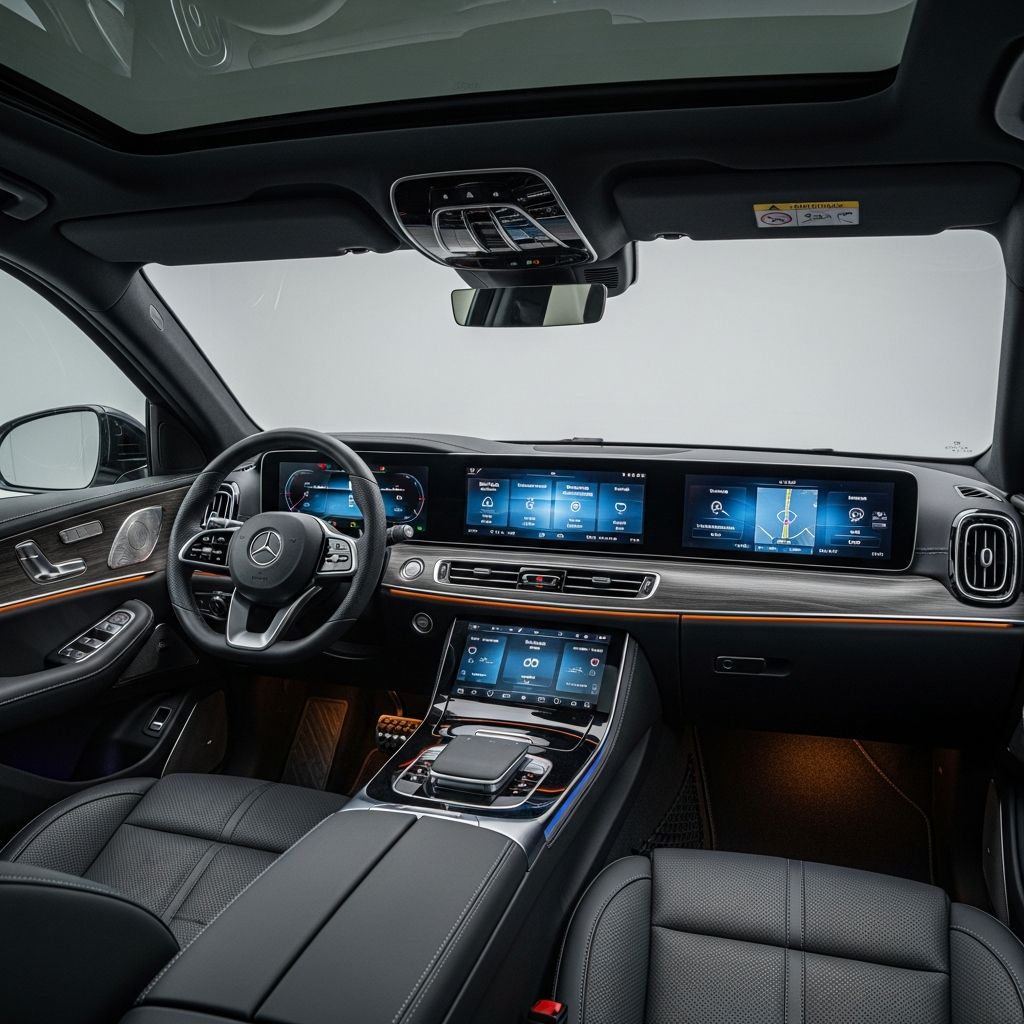
The center console represents prime real estate for frequently accessed items. However, consoles quickly become disorganized junk drawers unless deliberately organized. Specialized console organizers, often made from felt or flexible materials, create individual compartments for different item categories. These organizers keep items standing upright and visible rather than buried in a chaotic pile.
Glove compartments often house insurance paperwork, vehicle registration, and owner manuals. Organize these documents using file dividers or small organizers to prevent the accumulation of unnecessary papers. Use a label maker to clearly identify sections, making it easy to locate important documents quickly during traffic stops or emergencies.
Door Panel and Pocket Organization
Vehicle doors typically feature pockets and cup holders that serve multiple storage functions. These seemingly small spaces can accommodate numerous items if organized properly. Compact organizers or small pouches designed specifically for door pockets prevent items from sliding around and becoming lost. Keep frequently needed items like hand sanitizer, tissues, or emergency supplies within these easily accessible locations.
Seat-Back Utilization
The backs of front seats represent a largely underutilized storage area, particularly beneficial for vehicles with limited interior space. Hanging organizers designed specifically for seat backs can hold umbrellas, shopping bags, reusable totes, and children’s items. These organizers keep items off the floor, maintaining clear floor space for passengers and cargo while reducing clutter visibility.
Trunk Organization: Converting Cargo Space into Functional Storage
The trunk transforms from a catch-all storage zone into a genuinely functional space when organized strategically. Most drivers allow trunk accumulation to occur passively, resulting in spaces filled with forgotten items, broken tools, and miscellaneous gear that hasn’t been used in years.
Categorized Trunk Organization Systems
Implement a zone-based approach to trunk storage. Designate specific areas for emergency supplies, seasonal items, sports equipment, and frequently transported goods. Trunk organizers with separate compartments maintain these zones and prevent items from rolling around during vehicle movement.
Collapsible or pop-up storage baskets serve dual purposes: containing items during regular use and collapsing for flattening when additional cargo space is needed. These flexible solutions adapt to varying trunk usage patterns, accommodating grocery bags during shopping trips while storing sports equipment or travel supplies other times.
Emergency Kit Organization
Emergency supplies deserve dedicated, easily accessible storage. Compact tote bags or labeled containers keep jumper cables, flashlights, first aid supplies, and basic tools organized and ready for unexpected situations. Keep this kit accessible without requiring you to move other items to reach it during emergencies.
Seasonal Rotation Strategy
Different seasons require different vehicle supplies. Winter driving demands ice scrapers, emergency blankets, and extra clothing, while summer activities might require sunscreen, bug spray, and beach equipment. Rather than storing all seasonal items simultaneously, rotate them based on current weather patterns. This practice reduces trunk clutter while ensuring you always have seasonal necessities readily available.
Managing Passenger Compartments: Family-Focused Solutions
Vehicles transporting children present unique organizational challenges. Toys, snacks, books, and clothing items can quickly overwhelm limited space. Effective family vehicle organization requires systems that contain these items while remaining accessible during drives.
Backseat Storage Strategies
Mesh organizers designed for backseat installation hold toys, books, and entertainment items within sight of children but inaccessible during driving. Hanging organizers accommodate water bottles, snacks, and small toys. Kicked-mat organizers serve double duty by providing comfortable foot rests while offering pockets for storing snacks and small items.
Rotation systems prevent backseat item accumulation. Keep a limited rotation of toys and books available, storing additional items in the trunk or at home. Every few weeks, rotate items to maintain novelty and interest while preventing overwhelming clutter.
Food and Beverage Management
Eating in vehicles creates significant mess potential. Implement spill-proof containers for snacks and travel trays that contain crumbs and spills. Designate specific cup holders for beverages only, preventing loose items from contaminating drink areas. Regular removal of used containers, wrappers, and napkins prevents sticky residue and unpleasant odors.
Specialized Storage for Specific Needs
Beyond basic organization, various specialized storage solutions address specific vehicle use cases.
Pet Travel Preparation
Vehicles transporting pets benefit from dedicated pet storage areas. Pet carriers occupy trunk space while keeping animals secure during transit. Collapsible pet gates or barriers contain larger animals safely. Store pet supplies, waste bags, and cleaning supplies in easily accessible locations for convenient management during travel.
Athletic Equipment Management
Families managing multiple children’s sporting activities require systems for storing equipment safely and efficiently. Cargo nets contain loose sports gear, preventing items from rolling around the trunk. Separate bins for each child’s equipment prevent mixing and confusion while making it easy to grab specific items without disturbing everything else.
Work and Professional Materials
Vehicles used for work purposes benefit from dedicated compartments for professional materials. Portable file organizers keep documents organized and protected. Toolkit organizers store work-related equipment safely and accessibly. Tablet holders accommodate technology used during workdays without creating additional clutter.
Maintenance Routines: Sustaining Organization Over Time
Creating organizational systems represents only half the battle; maintaining them requires consistent effort and realistic routines.
Daily Habits
Remove trash and food wrappers each time you exit your vehicle. This simple habit prevents accumulation and keeps your car fresh. Check for personal items accidentally left behind and return them to their designated storage locations.
Weekly Reviews
Dedicate 15 minutes weekly to surveying your vehicle’s interior. Remove items that don’t belong, reorganize sections that have become disarranged, and restock organizational supplies if needed. This preventative approach stops problems before they escalate.
Monthly Deep Assessment
Once monthly, conduct a more thorough evaluation. Review stored items for expired supplies, check emergency kits for functionality, and ensure organizational containers remain effective. Remove items stored for 30+ days that haven’t been used, reconsidering whether they truly need permanent vehicle residence.
Smart Product Recommendations for Vehicle Organization
| Organization Challenge | Recommended Solution | Key Benefits |
|---|---|---|
| Trash Accumulation | Clip-On Trash Containers with Lids | Prevents spillage, easily emptied, multiple placement options |
| Console Clutter | Felt Organizer Inserts or Acrylic Dividers | Keeps items visible and separated, professional appearance |
| Limited Floor Space | Backseat Hanging Organizers | Maximizes space, prevents floor clutter, items remain accessible |
| Trunk Overflow | Collapsible Pop-Up Baskets | Adaptable storage, collapses for space when needed, portable |
| Loose Items Rolling | Cargo Nets or Storage Bins | Contains items securely, prevents movement, organized appearance |
| Scattered Small Items | Tissue Box Repurposing or Small Pouches | Budget-friendly, compact, multiple storage options |
Frequently Asked Questions About Vehicle Organization
Q: How often should I reorganize my vehicle?
A: Conduct quick weekly assessments and more thorough monthly reviews. Full reorganization typically needs addressing every 3-6 months depending on vehicle usage patterns and how many people regularly travel in the vehicle.
Q: What should I always keep in my vehicle?
A: Essential items include phone chargers, a first aid kit, emergency supplies (jumper cables, flashlight), vehicle registration and insurance documents, one change of clothes, tissues, and basic tools. Adjust based on your climate and vehicle type.
Q: How can I prevent my vehicle from becoming cluttered again?
A: Establish consistent habits including daily trash removal, weekly item reviews, and regular evaluation of what truly needs vehicle storage. Avoid using your vehicle as long-term storage for items better kept at home.
Q: What organizational solutions work best for small vehicles?
A: Small vehicles benefit most from vertical storage solutions like seat-back organizers, hanging systems, and compact containers. Collapsible items that flatten when not in use maximize flexibility. Prioritize essential items only, limiting non-critical storage.
Q: Should I use commercial organizers or DIY solutions?
A: Both approaches work effectively. Commercial products offer durability and specialized design, while DIY solutions using existing containers or upcycled items provide budget-friendly alternatives. Choose based on your budget, vehicle type, and organizational preferences.
Q: How do I organize a vehicle shared among family members?
A: Establish clear zones for each person’s items, use labeled containers to prevent mixing, and communicate expectations about maintaining organization. Regular rotation prevents any individual from dominating shared space.
Conclusion: Transforming Vehicle Spaces Into Organized Environments
Vehicle organization extends far beyond aesthetic appeal. Functional, organized interiors reduce stress, improve safety by eliminating distractions, and maximize available space for legitimate storage needs. By implementing systematic approaches to waste management, strategic storage utilization, and consistent maintenance routines, any driver can transform their vehicle into an organized, efficient space that supports daily life rather than complicating it. The key lies not in purchasing expensive solutions but in developing sustainable habits and systems that adapt to individual lifestyle patterns and vehicle types.
References
- 12+ Tips to Keep Your Car Clean and Organized — Soapy Shark. Accessed 2026-04-02. https://soapyshark.com/tips-to-keep-your-car-organized/
- 6 Tips For Organizing Your Car — Lela Burris. Accessed 2026-04-02. https://www.lelaburris.com/car-organization-tips/
- 10 Clever Car Organizing Hacks for Parents — Happiest Baby. Accessed 2026-04-02. https://www.happiestbaby.com/blogs/parents/car-organizing-tips
- 11 Tips to Keep Your Car Organized — Safe in the Seat. Accessed 2026-04-02. https://www.safeintheseat.com/post/tips-to-keep-your-car-organized
- How to Organize Your Car Like a Pro – FAQ — Dana Meyer Auto Care. Accessed 2026-04-02. https://www.danameyerautocare.com/how-to-organize-your-car-like-a-pro-faqs-answered-by-dana-meyer-auto-care