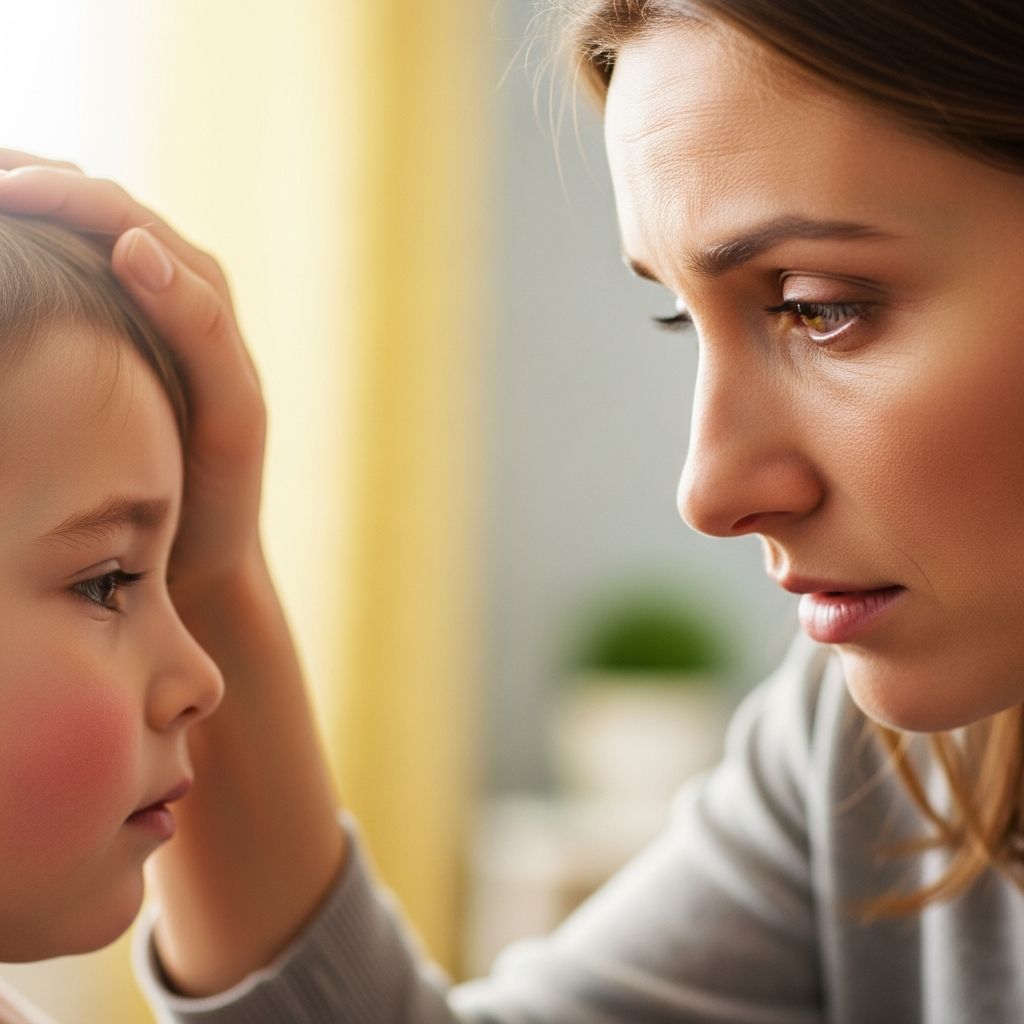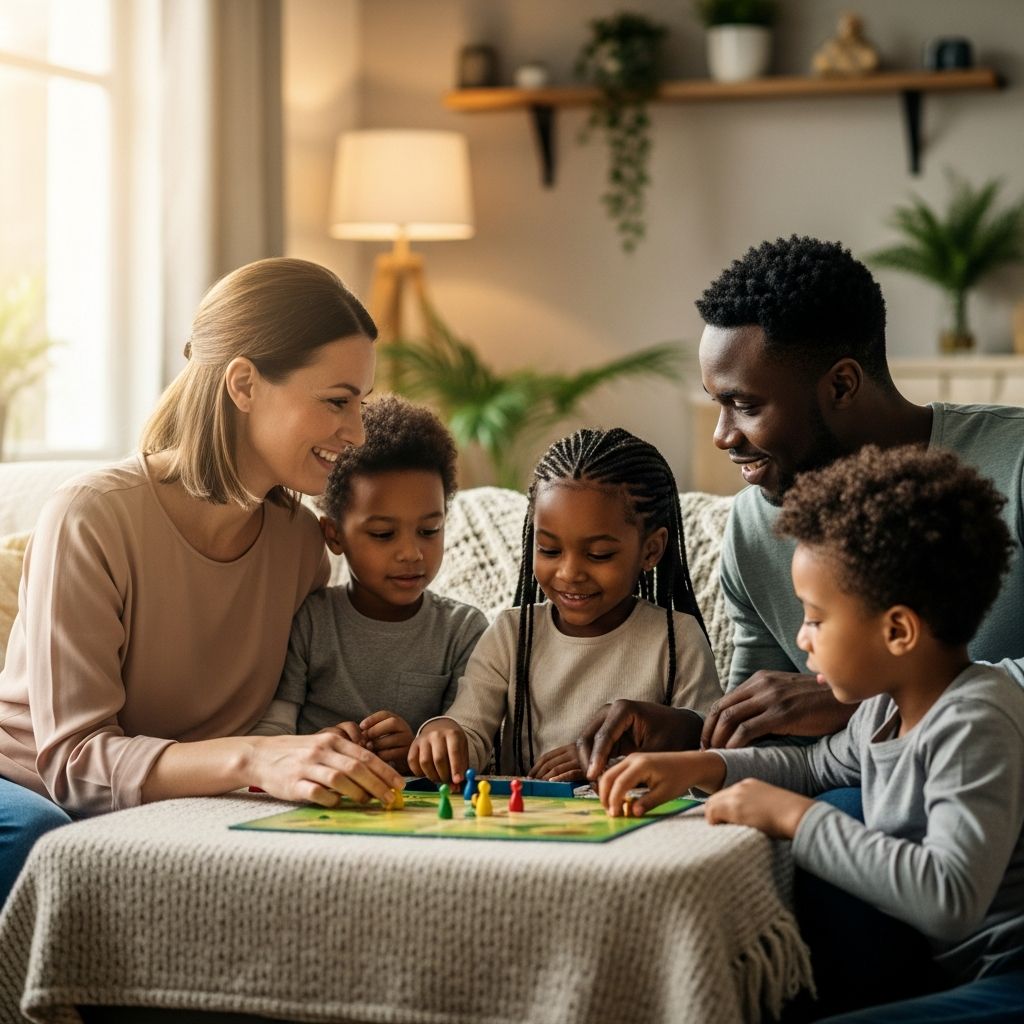
Children learn far more from what adults do than from what adults say. Every interaction kids observe becomes part of their internal blueprint for love, friendship, and future family life.
Why Relationship Role Modeling Matters
From a very young age, children watch how their caregivers speak to each other, handle disagreements, offer help, and repair hurt feelings. Over time, these observations shape their expectations of what is normal and acceptable in relationships.
- Kids imitate the tone, body language, and words they see adults use.
- Consistent, respectful behavior teaches them that safety and kindness are non-negotiable.
- Unhealthy patterns, if repeated, can be carried into friendships, school life, and future romantic relationships.
Core Principles of Healthy Relationships
Before looking at specific relationship types, it helps to identify universal qualities that make any relationship healthy. Parents can refer to these principles whenever they are unsure how to respond in front of their children.
- Respect: Valuing the other person’s feelings, time, and boundaries.
- Honesty: Speaking truthfully in age-appropriate ways, even when it is uncomfortable.
- Empathy: Trying to understand another person’s point of view and emotional experience.
- Responsibility: Owning mistakes, apologizing sincerely, and making changes.
- Safety: Ensuring no one feels threatened, shamed, or harmed.
| Quality | Healthy Relationship | Unhealthy Relationship |
|---|---|---|
| Communication | Calm, clear, and respectful; listening and responding thoughtfully. | Yelling, sarcasm, silent treatment, or avoiding all difficult topics. |
| Boundaries | Personal space and limits are respected. | Privacy invaded, limits ignored, or control used as a weapon. |
| Conflict | Problems discussed and resolved; apologies and repair are common. | Blame, insults, or threats; conflicts remain unresolved or are denied. |
| Power | Decisions and responsibilities shared when appropriate. | One person dominates, manipulates, or coerces the other. |
| Emotional Climate | Mostly warm, supportive, and predictable. | Chaotic, tense, or emotionally distant. |
Modeling a Healthy Relationship with Your Partner or Co-Parent
The way you treat a spouse, partner, or co-parent is often a child’s first and strongest lesson about intimate relationships. Even in separated or blended families, children notice whether adults cooperate or compete.
- Speak with courtesy, even when annoyed. Children quickly copy the tone and words they hear most often.
- Handle disagreements in a calm, solution-focused way rather than attacking the other person’s character.
- Show everyday affection and appreciation so children see that love involves effort and gratitude, not just big gestures.
You do not have to be perfect. What matters most is consistently returning to respect and repairing conflicts instead of letting resentment linger.
Modeling a Secure Parent–Child Relationship
The bond between parent and child lays the foundation for how kids will see themselves and others. When children experience secure, reliable care, they are more likely to believe they are worthy of love and that people can be trusted.
- Respond to emotional needs as predictably as possible, especially in early childhood.
- Use warm, firm boundaries rather than harsh punishment or complete permissiveness.
- Offer comfort after conflict, letting children know that relationships can stretch without breaking.
Parents model emotional security when they stay regulated enough to guide children, even when kids are dysregulated, melting down, or pushing limits.
Modeling Friendships and Social Connections
Children do not only learn from family relationships; they also observe how adults interact with friends, neighbors, and extended family. These everyday interactions teach kids what friendship should feel like.
- Maintain a few healthy friendships and let your child occasionally see you being supportive, generous, and trustworthy.
- Avoid gossiping or speaking cruelly about friends in front of children, as this normalizes betrayal.
- Show that it is acceptable to walk away from friendships that are repeatedly disrespectful, controlling, or unsafe.
By modeling balanced friendships, parents help children learn that they can be kind and loyal without tolerating mistreatment.
Modeling Conflict Resolution and Healthy Disagreement
No relationship is free of conflict. What children learn from watching disagreements is often more powerful than what they hear about kindness on peaceful days. Adults can transform conflict into a living lesson in problem-solving and emotional regulation.
- Pause a heated argument and return when calmer, explaining briefly to kids that everyone is taking a break to cool down.
- Use “I” statements, such as “I feel frustrated when…” instead of “You always…” style accusations.
- Let children witness sincere apologies and concrete efforts to change behavior.
When children see conflicts end with understanding, compromises, and repaired connection, they learn that disagreement is not the same as disaster.
Modeling Boundaries and Self-Respect
Healthy relationships require clear boundaries. Parents sometimes focus so much on being generous and loving that they forget to show children what self-protection and limits look like. Yet boundaries are a crucial part of teaching kids that mutual respect is essential.
- Say no calmly when needed, and avoid long justifications that sound like guilt.
- Follow through on stated limits, such as screen time rules, bedtime, or family expectations.
- Respect your child’s age-appropriate boundaries too, such as knocking before entering a bedroom or listening when they say they need space.
When parents demonstrate healthy boundaries, children learn that they can both care about others and protect their own well-being.
Modeling Self-Relationship: How You Treat Yourself
An often-overlooked relationship that parents model is the relationship with themselves. Children notice whether adults speak kindly about their own bodies, abilities, and mistakes, or whether they constantly criticize and neglect themselves.
- Avoid harsh self-talk out loud, such as calling yourself “stupid” or “a failure,” especially in front of kids.
- Schedule reasonable self-care—sleep, movement, medical appointments, quiet time—and explain briefly that caring for yourself helps you care for others.
- Show persistence and self-compassion when learning new things, instead of giving up immediately.
By treating themselves with dignity, parents help children internalize that they, too, deserve nurturing and patience.
Modeling Community, Kindness, and Responsibility
Beyond family and close friendships, children form ideas about their relationship to community and society. Parents model these connections every time they respond to a stranger, participate in community life, or talk about people who are different from them.
- Show everyday courtesy in public spaces—thanking service workers, holding doors, and waiting your turn.
- Involve children, when appropriate, in age-friendly community activities such as volunteering or neighborhood events.
- Speak respectfully about people with different backgrounds, beliefs, or abilities, emphasizing curiosity and shared humanity instead of fear or contempt.
These small moments teach kids that relationships extend beyond the home and that they are part of a larger human network.
Practical Daily Habits That Teach Healthy Relationships
Parents do not need elaborate systems to teach kids about relationships. Consistent, small rituals often have the biggest impact. Choosing just a few routines and repeating them is more powerful than making big promises and abandoning them.
- Family check-ins at meals, where everyone shares a high and low point of the day.
- Weekly one-on-one time with each child, even if it is only 15–20 minutes.
- Regular gratitude moments where family members thank each other for simple acts of kindness.
Over time, these habits show children that attention, listening, and appreciation are central to strong relationships.
Recognizing and Repairing Harmful Patterns
Many adults did not grow up with healthy relationship models themselves. It is common for parents to notice that they are repeating patterns they once promised to avoid. The key is not perfection but willingness to notice, change, and repair.
- Identify recurring harmful behaviors—yelling, withdrawing, sarcasm, or controlling actions—and take them seriously.
- Seek support when needed, whether through trusted friends, parenting classes, counseling, or support groups.
- Apologize to children when your behavior misses the mark and clearly state how you intend to do better next time.
By openly working to improve, parents demonstrate to kids that growth is always possible and that love includes accountability.
Simple Relationship Role-Modeling Checklist
To make this practical, parents can use a short checklist once a week to reflect on how they have been modeling relationships. This can help turn vague goals into specific, observable actions.
- Did I speak respectfully to my partner, co-parent, or other adults in front of the kids?
- Did I listen to my child without multitasking at least once today?
- Did my child see me handle a small conflict calmly?
- Did I show appreciation or affection to someone in our family?
- Did I respect at least one of my own limits or needs in a healthy way?
Parents can choose one area to celebrate and one area to improve each week, turning relationship role modeling into an ongoing, manageable practice.
Frequently Asked Questions
1. Do I have to be a perfect role model for my child?
No one is a perfect role model, and children do not need flawless parents. What matters more is that you show effort, consistency, and genuine repair when mistakes happen. Admitting your errors and showing how to make amends can be one of the most powerful lessons you offer.
2. What if my child has already seen a lot of unhealthy behavior?
Change is still possible even if kids have witnessed yelling, disrespect, or instability. Over time, new patterns of calm communication, boundaries, and warmth can gradually rebuild their sense of safety. It can also help to talk simply and honestly about changes you are trying to make, without oversharing adult details.
3. How can separated or divorced parents model healthy relationships?
Even when parents live apart, they can model respect by avoiding insulting each other in front of the child and by sticking to agreed-upon plans as much as possible. Cooperative communication, flexible problem-solving, and keeping the child out of adult conflicts send a clear message that the child’s well-being comes first.
4. What if my partner refuses to change harmful behaviors?
While it is ideal when all adults participate in healthy role modeling, you still have significant influence over what your child experiences with you. You can set and enforce your own boundaries, seek outside support, and calmly explain to your child (in age-appropriate ways) the values you hold about respect and safety.
5. How early should I start modeling relationship skills?
Role modeling begins from infancy, because babies are already sensitive to tone, touch, and emotional climate. As children grow, you can add more explicit teaching—naming feelings, explaining conflicts, and inviting them to practice skills such as sharing, apologizing, and asking for help.
Final Thoughts
Modeling healthy relationships for children is not about grand speeches or perfect homes. It is about the daily choice to treat yourself and others with respect, honesty, and kindness, especially when life is stressful. When kids repeatedly see adults communicating, setting boundaries, resolving conflict, and repairing connection, they develop a powerful internal template for building safe, loving relationships of their own.