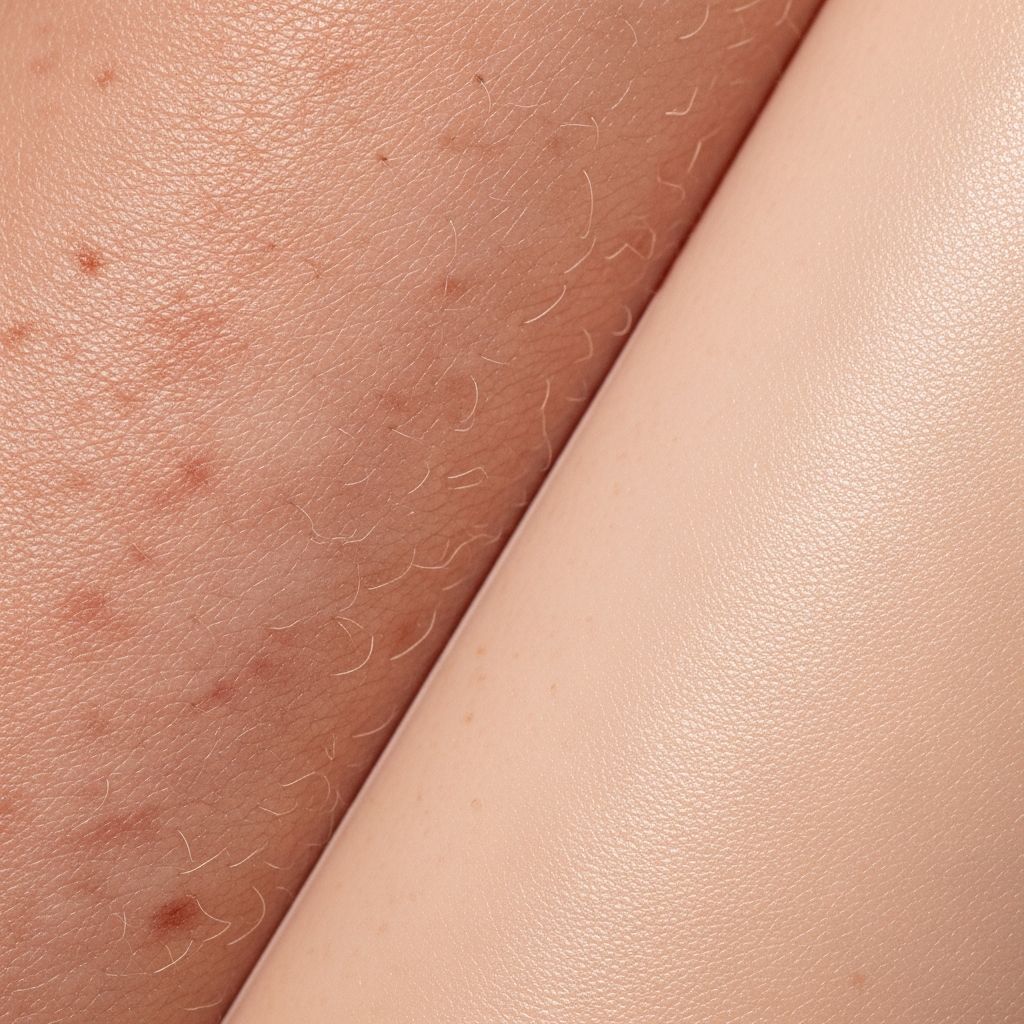
Visible, uneven pores and old acne marks can feel like tiny craters you notice every time you pass a mirror. While no product can *erase* your pores, the right information and habits can dramatically soften their appearance and help your skin look smoother, healthier, and more confident.
Why Your Pores Look Like “Potholes”
Pores are small openings in the skin that allow oil and sweat to reach the surface; they are a normal part of skin anatomy and cannot be removed. However, when they are stretched, clogged, or surrounded by scar tissue, they can look like deep pits or “potholes” in certain lighting.
Enlarged or uneven pores often have several overlapping causes rather than a single culprit. Understanding the mix of genetics, oil production, aging, and acne history is the starting point for choosing realistic, effective solutions.
Common Causes of Pothole-Like Pores
- Genetics: Oily or thicker skin types often inherit naturally larger, more visible pores.
- Excess oil and congestion: When pores are repeatedly filled with oil and dead skin, they can stretch and remain enlarged over time.
- Acne and scarring: Inflammatory breakouts can damage deeper layers of the skin, leaving permanent depressions or icepick scars.
- Loss of collagen: As skin ages, collagen declines, reducing the support structure around pores and making them appear larger and more sunken.
- Sun damage: UV exposure accelerates collagen breakdown and roughens skin texture, which highlights irregularities.
Myths About Pores You Can Stop Believing
Marketing often promises to “shrink” or “erase” pores, which sets impossible expectations and leads to disappointment. Pores do not open and close like doors, and they cannot be permanently reduced in size by a single mask or serum.
What you *can* do is keep them clear, improve the quality of the surrounding skin, and support collagen so they look smoother, tighter, and less obvious in everyday life.
Pore Myths vs. Reality
| Myth | Reality |
|---|---|
| Steam opens pores, cold water closes them. | Heat can soften debris and make extraction easier, but it does not open pores; cold may temporarily constrict blood vessels, not permanently tighten pores. |
| Pores can be permanently shrunk with a single product. | No topical product can permanently resize a pore; consistent care can make them appear smaller and smoother over time. |
| Scrubbing hard will buff away pothole-like pores. | Harsh scrubbing can inflame and damage skin, which can worsen texture and make pores more noticeable. |
| Only teenagers have pore problems. | Adults of all ages deal with enlarged pores, especially those with a history of acne, sun exposure, or oiliness. |
Setting Realistic Skin Goals
Perfectly airbrushed, poreless skin does not exist in real life, even on people with great genetics and elaborate routines. What is achievable is a noticeable improvement in texture, fewer visible pits, and a healthier, more even glow.
Instead of aiming for “no pores,” aim for:
- Smoother skin that looks more even from a conversational distance.
- Less frequent congestion and fewer new breakouts, which prevents further damage.
- A comfortable, balanced skin barrier that is less reactive and less red.
- Gradual improvement in scars and depressions over months, not days.
The Foundation: Daily Routine for Rough, Pitted Skin
Your daily routine does not need 12 steps, but it does need consistency and the right categories of products. Each category has a specific role, from clearing debris to protecting collagen and calming inflammation.
Step 1: Gentle But Thorough Cleansing
Over-washing or using harsh cleansers can strip the skin, trigger more oil production, and inflame existing damage. A gentle, pH-balanced cleanser removes sunscreen, makeup, and oil without leaving the skin tight or squeaky.
- Use a mild gel or cream cleanser twice daily, morning and night.
- If you wear heavy makeup, consider a separate oil-based makeup remover before your regular cleanser.
- Avoid bar soaps and cleansers that leave a tight, dry, or burning sensation.
Step 2: Chemical Exfoliation Instead of Scrubbing
Exfoliation helps dissolve the mix of oil and dead skin that can widen pores and make texture look rough. Chemical exfoliants like salicylic acid or lactic acid penetrate more evenly than physical scrubs and are less likely to create micro-tears.
- Salicylic acid (BHA): Oil-soluble; ideal for congested, oily, and acne-prone skin.
- Lactic or mandelic acid (AHA): Water-soluble; good for dryness, dullness, and mild texture.
- Start with 1–3 times per week at night and adjust based on tolerance.
Step 3: Targeted Treatment Serums
Once skin is clean and slightly dry, treatment serums can better reach where they need to act. The most helpful categories for pothole-like texture focus on regulating oil, boosting cell turnover, and rebuilding collagen.
- Niacinamide: Helps regulate oil, reduce redness, and support the barrier, which can soften the look of enlarged pores.
- Retinoids (retinol, retinal, adapalene): Increase cell turnover, encourage collagen production, and gradually improve scars and texture.
- Azelaic acid: Calms inflammation, helps with post-acne marks, and supports an even surface.
Step 4: Moisturizer That Supports, Not Smothers
Even oily, textured skin needs moisture; dehydration can make pores look more pronounced and skin more fragile. The key is using lightweight, non-comedogenic textures that support repair without clogging.
- Look for gels or light lotions with ingredients like ceramides, glycerin, and hyaluronic acid.
- If your skin is combination, use a richer cream only on drier areas and a lighter product on the T-zone.
- Avoid heavily fragranced or thick, occlusive formulas if they tend to cause breakouts for you.
Step 5: Daily Sunscreen to Protect Collagen
Sun exposure is one of the fastest ways to deepen existing texture and slow down any progress you make with treatments. Broad-spectrum sunscreen shields collagen and keeps hyperpigmentation from becoming more obvious around scars and pores.
- Apply a broad-spectrum SPF 30 or higher every morning, rain or shine.
- Choose non-greasy, non-comedogenic formulas to avoid clogging pores.
- Reapply during long days outdoors or when you are exposed to direct sunlight for hours.
Spotlight on Key Ingredients for Smoother Texture
Some ingredients have more evidence than others when it comes to refining texture and improving the appearance of scarring and enlarged pores. Building a routine around these options can help you see more meaningful changes.
| Ingredient | Primary Benefit | Best Suited For |
|---|---|---|
| Salicylic Acid (BHA) | Clears inside pores and reduces congestion. | Oily, acne-prone, blackheads and whiteheads. |
| Retinoids | Boosts collagen, improves scars, and smooths rough texture over time. | Post-acne marks, fine lines, sun damage. |
| Niacinamide | Balances oil and supports a stronger skin barrier. | Sensitive, red, or combination skin with visible pores. |
| Azelaic Acid | Calms redness and brightens uneven tone around scars. | Red, blotchy, or easily irritated skin. |
| Lactic/Mandelic Acid | Gently resurfaces and increases radiance. | Dry, dull, or mildly textured skin. |
Lifestyle Habits That Quietly Shape Your Skin
Products matter, but daily habits influence how quickly your skin heals and how resilient it becomes. Think of lifestyle changes as the invisible support system that makes every serum and cream more effective.
- Hands off your face: Picking at spots and squeezing pores can deepen scars and create new ones.
- Consistent sleep: Nighttime is when skin repairs micro-damage; irregular or poor sleep can slow recovery.
- Balanced diet and hydration: While no food causes pores, a nutrient-rich diet supports collagen and reduces inflammation.
- Stress management: Stress hormones can worsen breakouts in some people, creating more opportunities for scarring.
- Regular exercise: Movement supports circulation, which helps bring nutrients to the skin and clear waste products.
When At-Home Care Is Not Enough: Professional Options
Deep, long-standing acne scars and very pronounced pits are often beyond the power of over-the-counter products alone. In these cases, consulting a dermatologist or qualified skin professional can open up more intensive possibilities.
Common In-Clinic Treatments for Pitted Texture
- Chemical peels: Controlled exfoliation that smooths the surface and stimulates renewal over a series of sessions.
- Microneedling: Tiny needles create micro-injuries that encourage collagen production and gradually soften scars.
- Laser resurfacing: Uses light energy to target deeper layers of the skin and remodel texture.
- Subcision and fillers: For certain depressed scars, a specialist may release tethered tissue and use fillers to lift indentations.
These treatments typically require multiple sessions, aftercare, and patience, and they may not be suitable for everyone or every skin tone. A professional consultation is the safest way to match the right method to your specific skin concerns, medical history, and budget.
Makeup Tricks to Blur Pores Without Clogging Them
Makeup cannot fix structural texture, but it can soften its appearance and help you feel more polished when you want extra confidence. The key is choosing formulas that blur rather than cake and removing them completely at the end of the day.
- Use a lightweight, non-comedogenic primer that gently blurs rather than filling pores with heavy silicone.
- Apply foundation in thin layers with a damp sponge or brush, pressing rather than dragging over textured areas.
- Choose finely milled, translucent powder and tap it lightly where you get shiny, avoiding thick buildup.
- Always double cleanse at night to remove makeup and sunscreen so they do not sit in pores while you sleep.
Tracking Progress and Adjusting Expectations
Texture change is often slow and subtle; it is easy to overlook progress when you stare at your skin daily. Taking periodic photos in the same lighting can help you notice gradual improvements in smoothness, redness, and the depth of pits.
Pay attention to signs that your routine is working, such as fewer new breakouts, more even tone, makeup sitting more smoothly, and less shine or tightness. If you see ongoing irritation, stinging, or worsening texture, consider simplifying your routine and consulting a professional.
Frequently Asked Questions About Pothole-Like Pores
Can enlarged pores ever go back to normal size?
Pores that are stretched mainly from congestion and excess oil can sometimes look smaller again when they are kept clean and the surrounding skin is healthier. However, pores that are enlarged due to long-term damage, aging, or scarring may never fully return to their original size, though their appearance can still improve.
How long does it take to see results?
Surface-level congestion can improve within a few weeks of consistent cleansing, exfoliation, and sunscreen use. Deeper texture issues, like old acne scars, often require several months of steady care and sometimes professional treatments before changes are clear.
Is it okay to use physical scrubs for texture?
Occasional, very gentle physical exfoliation may be tolerable for some people, but harsh scrubs and rough tools can worsen inflammation and damage fragile skin. Chemical exfoliants are usually safer and more uniform for people struggling with visible pores and pitted areas.
Will drinking more water fix my pores?
Hydration is important for overall health and can help skin look plumper and less dull, but it does not directly change pore size or erase scars. Think of water as a supportive habit, not a standalone cure for texture concerns.
Are pore strips a good idea?
Pore strips can temporarily remove surface debris and make the nose look smoother for a short time. However, they do not address the deeper causes of enlarged pores and can sometimes irritate sensitive or reactive skin.
When should I see a dermatologist?
If at-home care does not improve your texture after several months, or if you have very deep, emotionally distressing scars, it is worth seeing a dermatologist or licensed professional. They can rule out underlying conditions, design a tailored plan, and discuss in-office options that match your goals and tolerance for downtime.
Embracing Your Skin While You Improve It
Working on skin texture is not just a cosmetic project; it often involves unlearning harsh self-criticism and unrealistic standards. You can actively improve your pores and scars while also choosing kinder language about your face and focusing on what your skin does for you every day.
Small, consistent decisions—wearing sunscreen, resisting the urge to pick, choosing soothing formulas—add up over time. Your goal is not to erase every mark, but to help your skin function well, feel comfortable, and reflect a version of you that looks cared for rather than perfected.