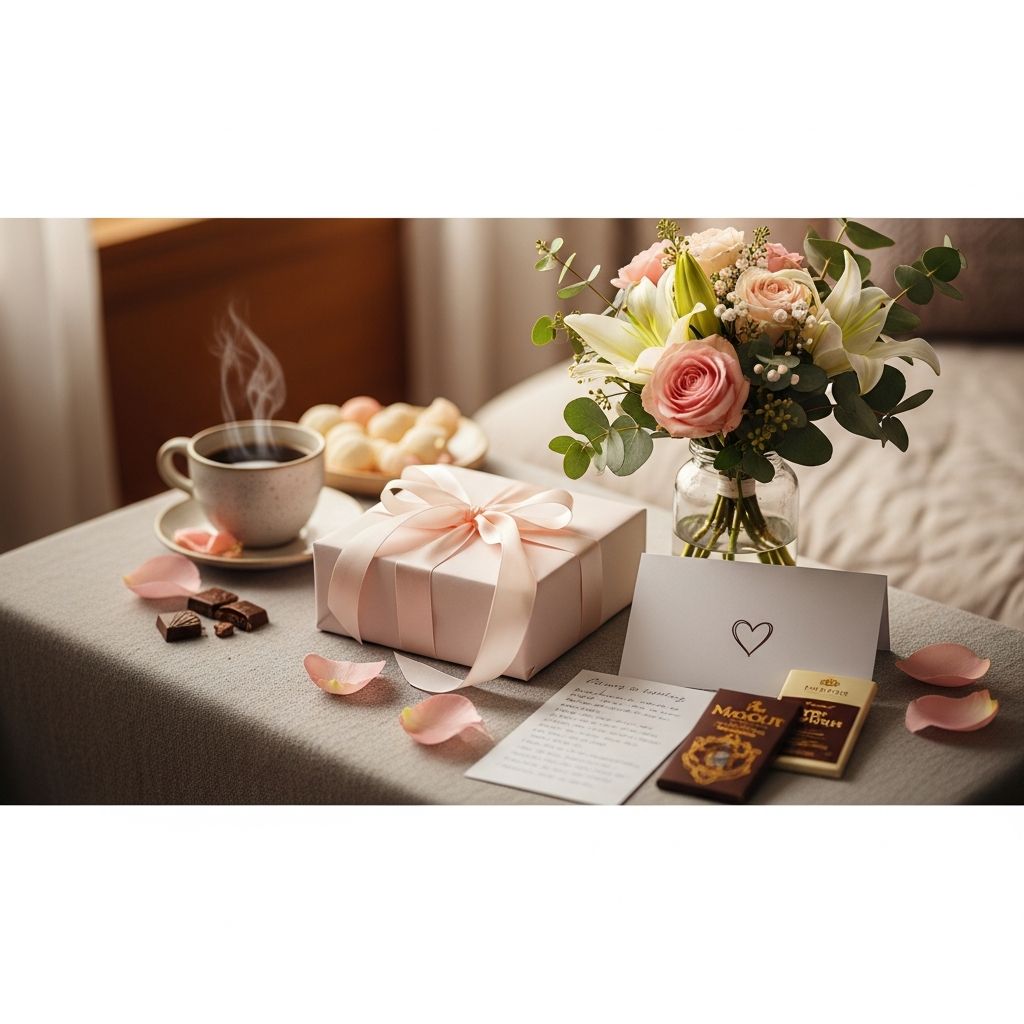
Valentine’s Day does not have to be expensive, dramatic, or stressful to be meaningful. Many women feel most loved when their partner is attentive, emotionally present, and thoughtful in small everyday ways, not just when big gifts appear once a year.
This guide offers practical, down-to-earth ideas inspired by that mindset: simple ways to make your wife feel cherished on Valentine’s Day and beyond, without relying on clichés or grand gestures alone.
Why Small Gestures Matter More Than Big Productions
Research on long-term relationships consistently finds that everyday expressions of affection and appreciation predict higher relationship satisfaction, stability, and resilience. It is not only what you do once a year, but how you show up regularly that shapes how loved your partner feels.
Thoughtful, repeated gestures can:
- Increase feelings of emotional safety and trust
- Reduce conflict by building a positive “emotional bank account”
- Deepen intimacy and friendship in your marriage
- Help both of you navigate stress and life changes more smoothly
With that in mind, here are concrete ways to turn Valentine’s Day into a meaningful expression of love rather than a performance.
Start With Emotional Connection, Not Just Activities
Before planning surprises, focus on how you want your wife to feel at the end of the day: loved, understood, relaxed, admired, desired, or supported. That intention should guide everything else.
- Ask yourself: What has she been going through lately—stress at work, parenting overload, family worries?
- Notice: What does she complain about missing—sleep, time alone, date nights, help with chores, feeling appreciated?
- Remember: What gestures have lit her up in the past—notes, surprise coffee, touch, gifts, quality time?
Align the day with her current emotional needs, not with what social media or advertisements say Valentine’s “should” look like.
Morning Gestures That Set a Loving Tone
The first moments of the day shape how the rest of it feels. Use the morning to quietly communicate: “You are my priority today.”
Ideas for a Gentle, Loving Start
- Bring her favorite breakfast to the table or bedside, even if it is simple toast and coffee.
- Leave a short handwritten note by the sink, mirror, or coffee machine describing one thing you love about her.
- Take over one of her usual morning tasks (packing lunches, walking the dog, getting the kids ready) so she can enjoy a slower start.
- Offer a genuine compliment that goes beyond appearance: her strength, kindness, humor, or resilience.
Studies on positive communication show that specific appreciation (“I admire how patient you are with the kids”) strengthens closeness more than generic praise.
Acts of Service: Lightening Her Load
For many women, nothing feels more romantic than a partner who notices what needs to be done and quietly does it. These are classic “acts of service,” one of the commonly discussed love languages.
Practical Ways to Help on Valentine’s Day
- Handle the unglamorous chores she usually manages: dishes, laundry, kids’ bedtime routines, or house cleaning.
- Pre-plan meals so she is not the one asking, “What are we doing for dinner?”
- Organize one small area that stresses her out, like a cluttered counter or messy entryway.
- Give her a true break by protecting an uninterrupted hour or two where she can read, nap, or do something just for herself.
These efforts communicate, “Your time and energy matter. I see how much you do.”
Thoughtful Communication: Words She Can Keep
In an age of quick texts and emojis, taking time to express love in deeper words can be powerful. Writing down your feelings can also improve your own emotional awareness and connection.
Meaningful Ways to Say “I Love You”
- Write a short letter describing specific memories and qualities you appreciate.
- Create a “10 things I adore about you” list and tuck it in her bag, car, or nightstand.
- Send intentional messages throughout the day that are more than “Happy Valentine’s”—for example, “Thinking of how hard you’ve worked this week and how proud I am of you.”
- Use your words in person at dinner or before bed: name one way she makes your life better.
Quality Time: Being Fully Present Together
Quality time is not just about being in the same room; it is about undivided attention. Many couples find that putting away devices and focusing on each other improves satisfaction and emotional intimacy.
Simple, Screen-Free Ideas
- Plan a walk together—around the neighborhood, in a nearby park, or somewhere meaningful from your past.
- Cook dinner as a team, even if it is a basic meal, and treat it as an activity rather than a chore.
- Play a board game or card game you can laugh over with a drink or dessert.
- Have a “remember when” conversation about early dates, favorite trips, or funny disasters you have survived together.
Romantic Touch Without Pressure
Physical affection—holding hands, hugging, sitting close—can reduce stress and help partners feel more bonded. On Valentine’s Day, focus on touch that feels loving, safe, and tuned-in to her comfort level.
| Gentle Affection | More Intimate Ideas |
|---|---|
| Hold her hand when you are out together | Offer a slow back or foot massage with relaxing music |
| Give a long, lingering hug when she gets home | Share a candlelit bath if that is something she enjoys |
| Sit next to her and lean in during a movie | Surprise her with a new set of cozy pajamas or lingerie only if you know she will like it |
Always prioritize her comfort and consent; the goal is for her to feel cherished, not obligated.
Low-Pressure Date Ideas for Different Personalities
Not every woman wants a fancy restaurant or crowded event. Consider her personality, energy level, and current season of life, then choose something that fits.
For the Homebody
- A cozy movie night with her favorite snacks and a blanket fort on the couch
- A do-it-yourself tasting (chocolate, tea, wine, cheese) with scorecards for fun
- An at-home “spa evening” with face masks, candles, and comfy robes
For the Adventurer
- A hike or waterfront walk followed by a simple picnic
- Trying a new class together—dance, pottery, cooking, or rock climbing
- A surprise mini road trip to a nearby town, lookout point, or beach
For the Overwhelmed or Exhausted
- An early night with no responsibilities: you manage everything so she can rest
- A quiet bookstore or café date where she can breathe and you can talk
- Arranging childcare so she gets a few hours of solitude before your evening together
Personalized Gifts That Show You Pay Attention
Thoughtful gifts do not have to be extravagant. What matters is that they reflect what you know about her preferences, hopes, and hobbies.
- Memory-based gifts: a framed photo from a favorite trip, a small scrapbook of your story, or a printed playlist of “your” songs.
- Experience gifts: tickets to a show she has wanted to see, a class she is interested in, or a day pass for something she enjoys.
- Comfort gifts: a luxurious blanket, high-quality tea or coffee, a candle with a scent she loves, or a new book by a favorite author.
- Supportive gifts: something that helps with her goals—workout gear, a language app subscription, or supplies for a creative hobby.
When you give the gift, explain why you chose it. The explanation can be as meaningful as the item itself.
Including the Kids (Without Losing the Romance)
If you are parents, Valentine’s Day can be both chaotic and sweet. You can let the children be part of the celebration while still carving out time as a couple.
- Have a family “love dinner” where everyone shares one thing they appreciate about each family member.
- Help the kids make simple cards or drawings for their mom and present them at breakfast.
- After bedtime, switch to couple-mode with dessert, a special drink, or a movie you both love.
Carrying the Spirit Beyond February 14
The most powerful thing you can do is treat Valentine’s Day as a starting point rather than the whole story. Research suggests that consistent positive interactions—compliments, shared activities, affectionate touch—accumulate over time to strengthen a marriage.
Mini-Habits to Keep Love Visible
- Say one specific “thank you” every day for something she does.
- Schedule a weekly or biweekly “us” time, even if it is only 30 minutes.
- Do one small unexpected kindness each week: her favorite snack, a clean car, or a surprise coffee.
- Check in regularly with questions like, “Is there anything you need more of from me lately?”
Frequently Asked Questions (FAQs)
How can I make Valentine’s Day special if we are on a tight budget?
Focus on time and attention rather than money. Cook at home, write her a sincere letter, plan a walk, and handle the chores so she can rest. Thoughtful words and practical help often feel more meaningful than expensive gifts.
What if my wife says she does not care about Valentine’s Day?
Take her at her word about not wanting pressure or grand gestures, but still show that you care. A handwritten note, her favorite snack, or a relaxed evening together communicates, “I respect your preferences, and you are still important to me.”
We are exhausted parents. Is it okay if Valentine’s looks very simple?
Yes. Your goal is connection, not performance. A quiet meal after bedtime, a shared show, or simply talking on the couch with phones away can be deeply nurturing when you are both tired.
How do I know what kind of gesture my wife would appreciate most?
Think about what she appreciates throughout the year—help with tasks, quality time, affection, thoughtful gifts, or verbal encouragement. You can also gently ask her in advance, “If I wanted to make Valentine’s really feel good for you, what would that look like?”
Is it important to do something romantic even if we are going through a tough time?
Small, respectful gestures can help keep communication open during difficult seasons. Avoid pretending everything is perfect, but showing care—through listening, acts of service, or simple kindness—can support the healing process alongside honest conversations or, if needed, professional help.
References
- 10 Things to Do as a Couple Every Day — John Gottman Institute. 2023-02-14. https://www.gottman.com/blog/10-things-to-do-as-a-couple-every-day/
- The Sound Relationship House: A Model for Healthy Relationships — The Gottman Institute. 2021-09-01. https://www.gottman.com/blog/the-sound-relationship-house-build-love-and-trust/
- Marriage and Family — American Psychological Association. 2019-01-01. https://www.apa.org/topics/romance-relationships/marriage-family
- Improving Relationships to Improve Health — Harvard Health Publishing. 2010-12-01. https://www.health.harvard.edu/newsletter_article/improving-relationships-to-improve-health