Introduction to Personal Sticker Creation
The appeal of personalized stickers extends far beyond children’s crafts. Whether you’re looking to decorate planners, customize gifts, or add unique touches to personal projects, creating stickers at home offers an economical and creative solution. The beauty of sticker-making lies in its accessibility—most methods require only common household items or inexpensive craft supplies available at dollar stores or online retailers. This comprehensive guide explores multiple approaches to sticker production, from ultra-simple tape methods to more polished printable options, ensuring that anyone can find a technique matching their skill level and available resources.
Understanding Sticker Paper Options and Materials
Before selecting a sticker-making method, it’s important to understand the various materials available for creating stickers. Each material type offers distinct advantages depending on your intended use and desired aesthetic. The choice of material significantly impacts both the production process and the final appearance of your stickers.
Matte white sticker paper serves as an excellent choice for indoor applications, offering a clean, smooth finish ideal for crafts, packaging, and planner decoration. This material works particularly well when you’re printing designs and want a professional appearance without excessive shine.
Clear and polyester sticker sheets provide a more elevated aesthetic, allowing background colors or images to show through the transparent material. These options are particularly popular for creating stickers that showcase intricate details or layered designs.
Vinyl sheets represent the most durable option for sticker production, offering waterproof properties and exceptional longevity suitable for outdoor applications or items requiring extended durability. If you plan to use stickers on water bottles, outdoor vehicles, or weather-exposed surfaces, vinyl is the superior choice.
Beyond commercial sticker paper, ordinary household materials can serve as effective sticker bases. Parchment paper, wax paper, and even regular sketch paper create functional alternatives when coated with appropriate adhesive materials. Experimenting with different paper types helps you discover which options best suit your preferred creative style and intended applications.
The Packing Tape Method: Simplicity at Its Core
The packing tape technique stands as perhaps the most accessible sticker-making approach, requiring only items most households already possess. This method eliminates the need for specialized equipment or purchases, making it ideal for spontaneous creative projects or testing designs before committing to larger quantities.
Essential Materials for Tape-Based Stickers:
- Clear packing tape (standard packaging tape works perfectly)
- Parchment paper or wax paper (acts as a non-stick backing surface)
- Images or artwork (hand-drawn, printed, or cut from magazines)
- Scissors or cutting tools
- Markers, colored pencils, or paint for creating original designs
Step-by-Step Process:
Begin by preparing your workspace with a clean, flat surface and laying down a sheet of parchment paper. This paper prevents the tape from adhering to your work surface and allows easy removal of finished stickers. Next, create or gather your sticker designs. You can hand-draw images directly onto copy paper, print downloaded graphics, or color existing artwork from coloring books. Hand-drawn designs offer unlimited creative freedom, while printed images provide consistency and complexity difficult to achieve through drawing alone.
Once your artwork is ready, cut a length of packing tape slightly larger than your image and place the sticky side directly onto the parchment paper backing. Position your prepared artwork on top of this first tape layer, ensuring proper alignment. Now apply another strip of packing tape over the top, creating a sandwich-like structure: parchment paper, adhesive tape, artwork, adhesive tape. This layering ensures your sticker has adhesive on all sides while the artwork remains protected and sealed.
The final step involves carefully peeling your sticker away from the parchment paper backing and trimming around the design edges with scissors or a craft knife. Leave a small border of clear tape around your image—this border provides the adhesive surface necessary for sticking your creation to other surfaces. The transparency of the tape creates a subtle frame around your design while maintaining functionality.
Exploring Printable Sticker Solutions
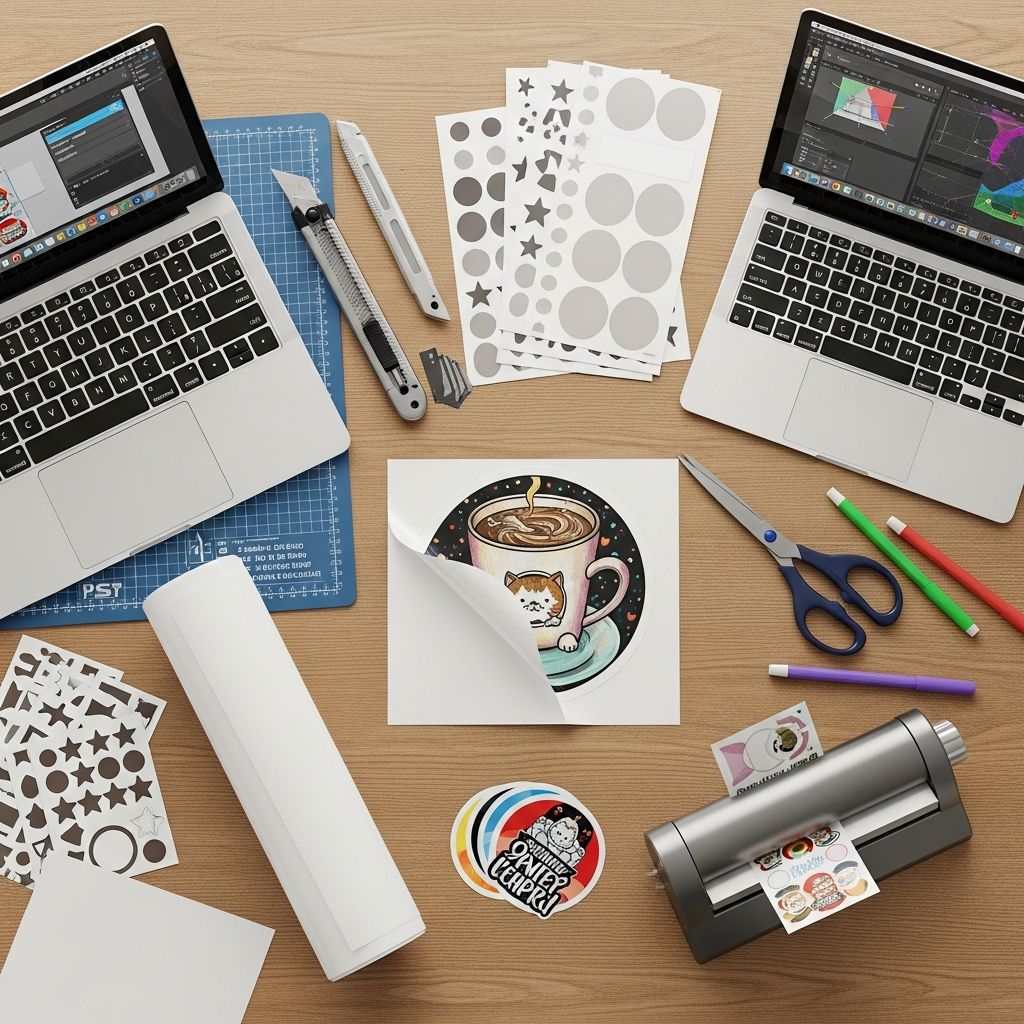
For those seeking a more polished, professional appearance, printable sticker methods offer significant advantages. These approaches involve using specialty sticker papers designed specifically for home printers, eliminating the need for manual drawing or coloring while producing consistently high-quality results.
Choosing Design Software:
Creating printable sticker designs requires some form of design software, ranging from simple to sophisticated options. Free web-based tools provide adequate functionality for basic designs and text arrangements, while professional software like Adobe Illustrator offers advanced capabilities for complex graphics. The appropriate choice depends on your design complexity and technical comfort level.
Formatting and Printing Considerations:
Once your designs are finalized, proper formatting ensures optimal printing results. Using design software specifically created for sticker production, or Avery Design and Print Online tools, helps you arrange multiple designs efficiently on a single sheet, minimizing wasted material. This planning stage is crucial for economical sticker production, particularly when creating larger batches.
Standard desktop printers—whether laser or inkjet models—successfully print onto specialty sticker papers. Inkjet printers work well with most sticker materials, while laser printers offer faster processing and superior color vibrancy in many cases. Always consult the sticker paper packaging to verify compatibility with your specific printer type.
Finishing Your Printed Stickers:
After printing, simply cut around your designs using scissors for a rustic aesthetic or a craft-cutting machine for precise, professional edges. No additional sealing or lamination is necessary—the adhesive backing on commercial sticker paper provides built-in protection and durability. Simply peel and apply your finished stickers to desired surfaces.
Alternative Materials and Creative Approaches
Beyond conventional sticker-making methods, several alternative materials enable creative variations that add texture, dimension, and visual interest to your sticker collection.
Self-Adhesive Foam and Glitter Materials:
Self-adhesive foam sheets and glitter-covered sticker materials transform basic designs into three-dimensional creations. These materials work exceptionally well for children’s crafts, decorative cards, and embellishment projects. You can cut foam sheets freehand or use stencils for consistent shapes, then arrange them for added depth and tactile appeal.
Cork and Textured Backing Materials:
Cork board adhesive sheets and other textured materials provide unique visual and tactile experiences that differentiate your stickers from standard options. Drawing or printing designs on these surfaces creates distinctive stickers suitable for planners, gift decoration, and personal collection displays.
Mixed-Media Approaches:
Layering different materials—combining paper cutouts with foam sheets, for example—creates sophisticated stickers with enhanced visual complexity. These mixed-media designs work particularly well when seeking something truly unique that reflects individual artistic style.
Paper Selection and Durability Considerations
The type of paper used as your base significantly influences both the sticker-making process and the longevity of your finished products. Understanding these distinctions helps you select materials appropriate for your specific application.
Lightweight sketch paper produces flexible stickers with a casual appearance, suitable for personal use and decorative purposes. If you prefer stiffer, more durable stickers that maintain their shape without curling, multimedia or watercolor paper provides superior structure and longevity. For printed images intended as sticker bases, combining rubber cement with plain paper creates a sturdy foundation that resists damage and handling wear better than single-layer paper designs.
Experimentation with different paper types helps identify the materials that best align with your creative preferences and intended applications. Your choices regarding paper weight, texture, and finish ultimately determine whether your stickers appear whimsical and delicate or sturdy and long-lasting.
Practical Applications and Customization Ideas
Homemade stickers serve countless purposes beyond simple decoration. Understanding potential applications helps you design stickers that maximize their utility and appeal.
Common Uses for Custom Stickers:
- Planner decoration and organization
- Personalized gift embellishment
- Water bottle and laptop customization
- Scrapbooking and journaling projects
- Party favor decoration and gift wrapping
- Personal collection curation and display
- Reward systems and motivation tools for children
Consider your intended end use when selecting materials and designs. Stickers destined for outdoor surfaces should utilize waterproof vinyl, while interior planner stickers can employ standard printed paper. Gift stickers might emphasize aesthetic appeal and personalization, while organizational stickers prioritize clarity and functionality.
Budget-Friendly Tips for Economical Sticker Production
Creating stickers at home offers significant cost advantages compared to purchasing pre-made options. Strategic material selection and production planning further maximize savings while maintaining quality.
Dollar stores consistently stock packing tape, scissors, and basic paper supplies at minimal cost, making them ideal sourcing locations for budget-conscious creators. Online retailers offer bulk sticker paper options at reduced per-unit pricing, beneficial for those planning extensive sticker production. Digital design tools remain free or low-cost, and most households already possess printers capable of producing quality sticker output. By leveraging existing resources and purchasing only essential specialty items, you can create impressive sticker collections with minimal investment.
Quality Control and Finishing Touches
Attention to finishing details significantly enhances the professional appearance of homemade stickers. Taking time to perfect these elements distinguishes quality creations from hastily assembled projects.
Precise cutting with sharp scissors or craft knives produces clean edges that enhance overall appearance. Leaving consistent borders around designs creates intentional framing effects while ensuring adequate adhesive coverage. For tape-based stickers, smoothing out air bubbles and wrinkles ensures flat application and improved aesthetic presentation. Testing sticker adhesion on inconspicuous surfaces before applying to valued items prevents damage to important belongings.
Frequently Asked Questions
Can I make waterproof stickers using household materials?
Clear packing tape creates water-resistant stickers suitable for temporary outdoor use, though vinyl sticker sheets provide superior waterproofing for permanently outdoor applications. The packing tape method produces functional water-resistant stickers, while commercial vinyl materials offer maximum durability for weather-exposed surfaces.
What’s the best approach for creating stickers with young children?
The packing tape method offers the safest, most kid-friendly approach, requiring minimal supervision and no electricity or specialized equipment. Hand-drawing designs and applying clear tape creates engaging creative experiences while producing usable stickers with minimal frustration.
How long do homemade stickers typically last?
Tape-based stickers generally last several months with normal handling, while printable sticker paper stickers remain durable for a year or longer depending on environmental conditions. Vinyl stickers provide the longest lifespan, lasting multiple years even with outdoor exposure.
Can I use my inkjet printer with regular paper and packing tape instead of sticker sheets?
Yes, printing on regular paper and coating with packing tape produces functional stickers, though the results won’t match commercial sticker paper quality. The tape-and-paper method works adequately for personal use, though it requires more labor than printing directly onto prepared sticker sheets.
What design software should beginners use for sticker creation?
Free tools like Canva or web-based design platforms offer intuitive interfaces requiring no previous experience. Those seeking more advanced capabilities can explore professional software, though the learning curve becomes steeper with increasingly sophisticated options.
Conclusion and Creative Inspiration
Creating stickers at home transforms ordinary materials into personalized artistic expressions while providing significant economic advantages over commercial alternatives. Whether you choose the simplicity of packing tape methods, the polish of printable materials, or creative alternatives incorporating mixed media, accessible options exist for every skill level and budget. Begin with basic techniques and gradually explore advanced methods as your confidence and interest develop. Your homemade sticker collection becomes a unique reflection of personal creativity, suitable for decorating planners, customizing gifts, or simply enjoying the satisfaction of handmade creations.
References
- Make Stickers From Scratch (Without a Machine) — Instructables. Retrieved from https://www.instructables.com/Make-Your-Own-Stickers-From-Scratch-Without-a-Mach/
- How to Make Your Own Stickers — Love Your Abode. Retrieved from https://loveyourabode.com/crafts/how-to-make-your-own-stickers/
- 7 Methods for Easy DIY Stickers — YouTube. Retrieved from https://www.youtube.com/watch?v=1AOs4PsznhM
- Printable DIY Stickers: 4 Easy Steps to Make Your Own — Avery. Retrieved from https://www.avery.com/blog/printable-diy-stickers/
- DIY Sticker-Making Guide: 5 Fun and Easy Methods — Love Life and Beyond. Retrieved from https://lovelifeandbeyond.in/2025/04/23/diy-sticker-making-guide-5-fun-and-easy-methods/
- 3 Ways to Make DIY Stickers Using Stuff You Have At Home — YouTube. Retrieved from https://www.youtube.com/watch?v=cIytk16-mIM