Creating an Environment Where Every Child Can Celebrate Halloween
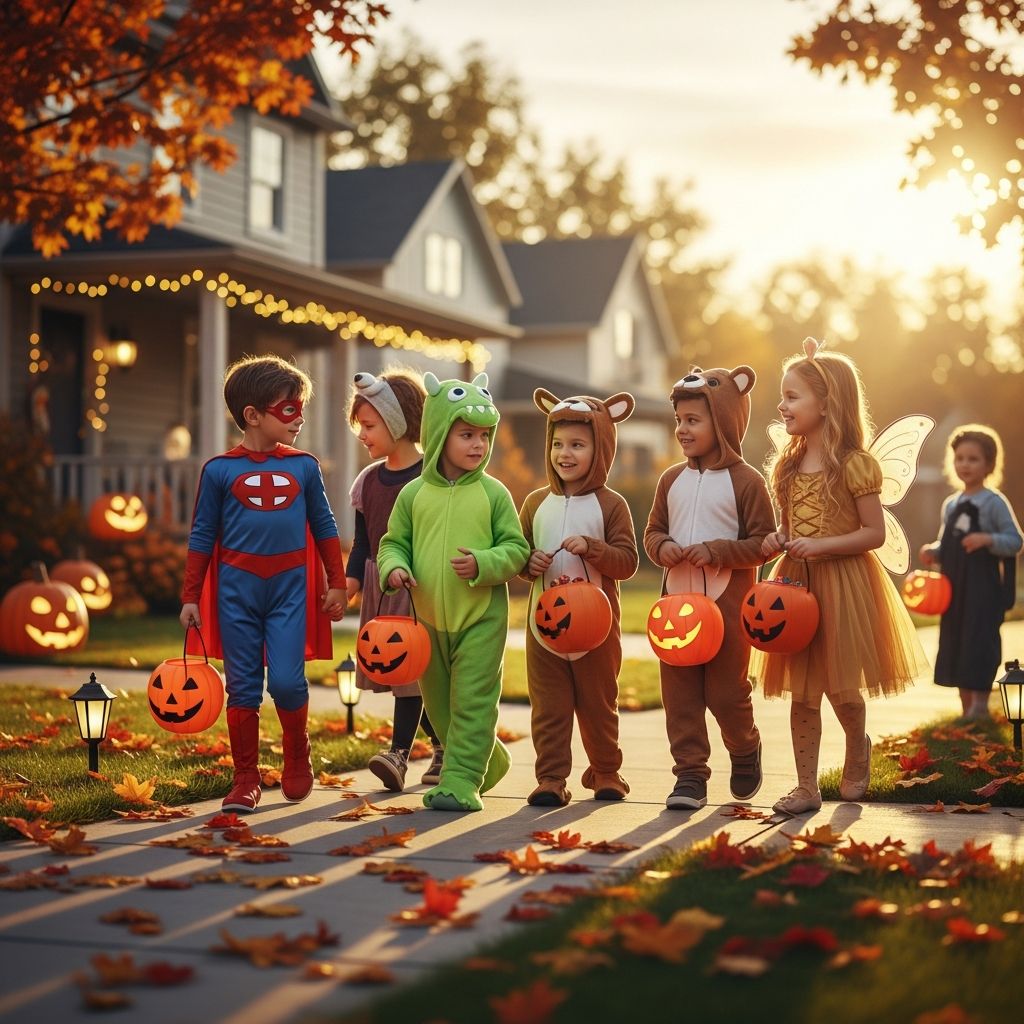
Halloween represents one of the most anticipated celebrations for children, filled with costume creativity, community engagement, and the excitement of exploration. However, for families supporting children with disabilities, neurodivergent conditions, sensory sensitivities, or dietary restrictions, the holiday can present significant obstacles that diminish participation and enjoyment. The good news is that thoughtful planning and community collaboration can transform Halloween into an experience where all children feel valued, safe, and genuinely included.
Understanding Sensory Challenges During Halloween
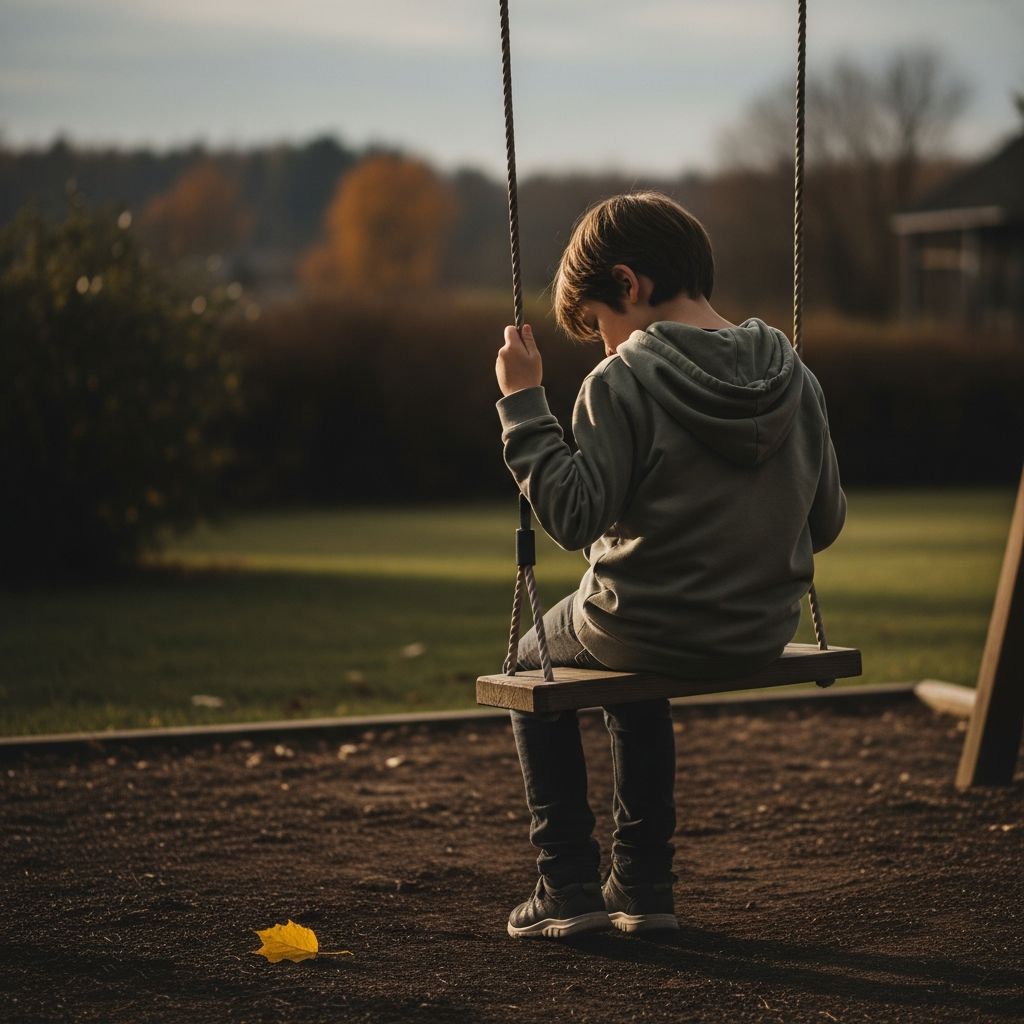
The sensory landscape of Halloween—flashing lights, sudden loud sounds, crowded neighborhoods, and unexpected decorative elements—can overwhelm children who process sensory information differently. Children with autism spectrum disorder, sensory processing differences, or anxiety disorders may find the intense stimulation of traditional trick-or-treating distressing rather than enjoyable. Understanding these challenges is the first step toward meaningful accommodation.
Families can work proactively to minimize sensory overwhelm by selecting quieter times for trick-or-treating, typically earlier in the evening when fewer neighbors are participating. Visiting neighborhoods during daylight hours or choosing less densely decorated areas reduces unexpected stimuli. Preparing children in advance through visual schedules, social stories, or practice walks helps normalize the experience and reduces anxiety about what to expect.
Planning and Preparation Strategies
Successful Halloween experiences for children with disabilities begin well before October 31st. Advanced communication with children about the evening’s activities, combined with gradual exposure to elements they’ll encounter, significantly improves comfort and participation.
- Visual preparation: Show children pictures of costumes, Halloween decorations, and the specific route you’ll be taking. This concrete preparation reduces uncertainty and builds confidence.
- Costume trials: Practice wearing costumes multiple times before Halloween to ensure comfort and identify any sensory issues with textures, tightness, or visibility.
- Route familiarity: Walk your intended trick-or-treating path in advance, preferably during daylight, so the environment feels less novel and unpredictable.
- Behavior rehearsal: Practice the specific behaviors involved in trick-or-treating—knocking on doors, saying thank you, waiting politely—to build competence and reduce performance anxiety.
Selecting Routes and Environments
The choice of neighborhood and route dramatically affects accessibility and enjoyment for children with various disabilities. Rather than attempting the most popular trick-or-treating areas, families should prioritize routes that match their child’s specific needs.
For children with sensory sensitivities, neighborhoods with fewer elaborate decorations, minimal special effects, and quieter residents provide a more manageable experience. For children using mobility devices, routes featuring well-maintained sidewalks, minimal stairs or obstacles, and level surfaces prove essential. Some communities specifically map accessible routes or host sensory-friendly trick-or-treating events during alternative times, which family members should research and utilize when available.
Managing Sensory Regulation During the Evening
Even with careful planning, children may experience sensory overwhelm during Halloween activities. Families should prepare concrete strategies for maintaining regulation throughout the evening.
- Noise management: Bring noise-canceling headphones for children sensitive to sudden sounds or loud music from decorated houses.
- Comfort items: Pack a favorite toy, stuffed animal, or fidget tool that provides self-soothing during stressful moments.
- Scheduled breaks: Plan frequent pauses in quiet spaces—a parked car, a friend’s home, or a calm public space—where children can decompress and reset their sensory systems.
- Exit plan: Establish a clear signal or phrase your child can use to communicate that they need to leave, and be prepared to end activities earlier than planned if needed.
Addressing Food Allergies and Dietary Considerations
Children with food allergies or dietary restrictions often feel excluded when Halloween treats are assumed to be universally edible. The Teal Pumpkin Project offers an elegant solution: participating homes display teal pumpkins on their porches to signal that non-food treats are available.
Non-food alternatives include stickers, temporary tattoos, pencils, glow sticks, bouncy balls, bookmarks, and small puzzles. These items cost minimal amounts but significantly expand participation opportunities for children with allergies. Families should educate their children about identifying which houses participate and making safe choices. Some families proactively create allergy-safe treat bags to distribute from their own homes, demonstrating community commitment to inclusion.
Physical Accessibility Considerations
Children with mobility challenges face structural barriers that prevent traditional trick-or-treating participation. Many residential neighborhoods include steep front steps, narrow walkways, uneven terrain, or other features that make door-to-door candy collection impossible for children using wheelchairs, walkers, or other mobility aids.
Neighbors can significantly improve accessibility by setting up treat tables on their driveways or front lawns rather than requiring children to approach front doors. This simple adjustment allows children with mobility devices to participate fully while eliminating the anxiety of navigating unfamiliar entrance areas. Some communities have expanded participation through trunk-or-treat events, where decorated vehicles gather in parking lots with level surfaces, eliminating navigation challenges entirely.
Communication and Community Engagement
Building community support for inclusive Halloween celebrations requires transparent communication. Parents of children with significant disabilities or sensory needs may benefit from informing neighbors in advance about their child’s characteristics and needs.
A simple note explaining that a child wears a costume that makes direct eye contact difficult, or that they may not verbally respond to typical trick-or-treating interactions, helps neighbors respond with appropriate support rather than frustration. Some neighborhoods establish informal accessibility maps, identifying which homes have accessible entrances, offer teal pumpkin treats, or maintain quieter decorative environments. This information sharing builds collective responsibility for inclusion.
Supporting D/Deaf and Hard of Hearing Children
Children who are deaf or hard of hearing benefit from Halloween environments designed with clear communication in mind. Families can take several concrete steps to support accessibility:
- Facial visibility: Ensure your face is clearly visible and well-lit when communicating with trick-or-treaters, supporting those who lip-read.
- Visual signals: Post simple written signs like “Happy Halloween!” alongside verbal greetings to ensure communication clarity.
- Background noise reduction: Keep background noise minimal so children using hearing aids or cochlear implants can hear what you’re saying.
- ASL familiarity: Learn a few basic American Sign Language phrases to demonstrate welcome and inclusion for deaf families in your community.
Alternative Celebration Formats
Traditional trick-or-treating does not represent the only valid Halloween experience. Many families discover that alternative formats better suit their children’s needs and preferences.
Trunk-or-treat events gather decorated vehicles in accessible parking lots, eliminating navigation challenges and allowing families to control the environment more completely. Indoor Halloween parties hosted by schools, community organizations, or friends’ homes provide Halloween celebration in controlled sensory environments. Home-based scavenger hunts allow children to experience the excitement of searching for treats within their own familiar, predictable home environment. Halloween-themed movie marathons or costume parties provide social celebration without navigation or sensory demands. Families should feel empowered to modify or replace traditional trick-or-treating with formats that genuinely support their child’s wellbeing and enjoyment.
Costume Selection and Safety
Costumes present both opportunities and challenges for children with various disabilities and sensory sensitivities. Thoughtful costume choices maximize comfort and safety.
| Costume Consideration | Why It Matters | Implementation Strategy |
|---|---|---|
| Sensory-friendly fabric | Rough, itchy, or tight materials can cause distress for children with sensory sensitivities | Select soft, breathable fabrics; avoid scratchy lace or tight elastic |
| Visibility and mobility | Oversized costumes can cause tripping; poor visibility limits ability to navigate safely | Ensure costumes fit properly; add reflective tape for visibility |
| Hearing aid accommodation | Masks and hats can cover or dislodge hearing devices | Choose costumes that keep ear areas clear or incorporate hearing aids creatively |
| Wheelchair compatibility | Long costumes can catch on wheels; capes can tangle | Choose shorter costumes or adapt designs to avoid mobility device interference |
Safety Guidelines for All Participants
While focusing on inclusion for children with disabilities, families should maintain awareness of general Halloween safety practices that protect all children.
- Active supervision: Maintain continuous, attentive supervision without distraction from phones or conversations with other adults.
- Group participation: Children aged 12 and older should trick-or-treat with at least one other child, preferably in groups of three or more.
- Lighting and visibility: Carry flashlights and wear bright clothing or reflective materials to remain visible to vehicle traffic.
- Candy inspection: Examine all collected treats before consumption, removing unwrapped items or anything appearing potentially contaminated.
- Clear communication: Teach children to communicate with trusted adults about their location and activities throughout the evening.
Creating a Sensory-Friendly Home Stop
Homeowners can transform their properties into welcoming, accessible stops that families specifically seek out. Implementing sensory-friendly practices benefits all trick-or-treaters, not only those with diagnosed disabilities.
- Gentle lighting: Use steady, warm lighting rather than flashing or strobe effects that can trigger seizures or sensory overwhelm.
- Minimal sound: Play soft background music or maintain quiet environments rather than blasting horror sound effects.
- Clear pathways: Remove obstacles, ensure level surfaces, and keep walkways well-lit for safe navigation.
- Accessible treat presentation: Place candy bowls on tables at reachable heights rather than requiring children to reach into high containers or navigate crowded doorways.
- Welcoming signage: Post simple signs identifying your home as a “Sensory-Friendly Stop” or advertising available non-food treats.
Home Safety Considerations
Beyond welcoming trick-or-treaters, homeowners should maintain safe environments for all children who approach their doors.
- Clear exterior pathways of tripping hazards, cords, or obstacles
- Ensure porches and walkways receive adequate lighting
- Supervise pumpkin carving activities to prevent accidental cuts or burns
- Secure pets in separate rooms to prevent unexpected interactions or injuries
- Position candy distribution stations to avoid creating bottlenecks or requiring children to enter homes
Community-Level Initiatives
Creating genuinely inclusive Halloween celebrations requires coordination across entire neighborhoods and communities. Successful initiatives include:
- Sensory-friendly event scheduling: Communities can sponsor designated sensory-friendly trick-or-treating times with participating homes pre-identified and prepared.
- Accessibility mapping: Neighborhood groups can create maps identifying homes with accessible entrances, teal pumpkin availability, or sensory-friendly environments.
- Event alternatives: Communities can organize trunk-or-treat events, costume parades, or indoor parties that complement traditional trick-or-treating.
- Education campaigns: Information about disability inclusion, sensory sensitivities, and accessibility accommodations helps build community understanding and commitment.
Frequently Asked Questions About Accessible Halloween
How can I determine whether my child will handle traditional trick-or-treating?
Consider your child’s sensory sensitivities, anxiety levels, communication abilities, and physical capabilities. Practice with shorter outings, monitor their responses to sensory stimulation, and be prepared to pivot to alternative formats if traditional trick-or-treating proves distressing.
What if my child cannot communicate through typical trick-or-treating interactions?
Inform neighbors in advance that your child may not respond verbally or make eye contact. Many neighbors appreciate understanding why their typical trick-or-treating interactions might look different and will respond with appropriate support rather than frustration.
How do I find sensory-friendly Halloween events in my community?
Contact local schools, disability organizations, community centers, and municipal recreation departments. Many communities now sponsor sensory-friendly trunk-or-treats or Halloween parties designed specifically for children with disabilities and sensory sensitivities.
Can I modify costumes to accommodate specific disabilities or sensory needs?
Absolutely. Costumes can be adapted with softer fabrics, modified fit, removed sensory triggers, or creative incorporation of mobility devices or assistive technology. Focus on your child’s comfort and sensory preferences rather than achieving a “perfect” costume appearance.
How can I support wheelchair users who want to participate in trick-or-treating?
Set up treat distribution stations on driveways or front lawns rather than requiring approach to front doors. Clear walkways of obstacles and maintain level surfaces. Offer to hand out treats rather than requiring children to reach into high bowls.
References
- Creating a Safe and Inclusive Halloween — Active Parenting Publishers. 2024. https://activeparenting.com/halloween-tips-blog/
- Accessible and Inclusive Trick-or-Treating: A Guide for Families and Communities — InnoCaption. 2024. https://www.innocaption.com/recentnews/accessible-and-inclusive-trick-or-treating-a-guide-for-families-and-communities
- Tips to Support Families Impacted by Disability This Halloween — Thrive Pediatric Therapy. 2024. https://thrive-peds.com/tips-to-support-families-impacted-by-disability-this-halloween/
- Five Easy Tips for an Accessible & Inclusive Halloween — Speech-Language-Hearing Association Lab. 2024. https://www.sralab.org/articles/blog/five-easy-tips-accessible-inclusive-halloween
- Making Halloween More Accessible & Inclusive — Ability Hive. 2024. https://abilityhive.com/blogs/resources/making-halloween-more-accessible-inclusive-tips-and-tricks-from-ability-hive
- How To: Hosting an Inclusive Halloween — Connecting for Kids. 2024. https://www.connectingforkids.org/Halloween