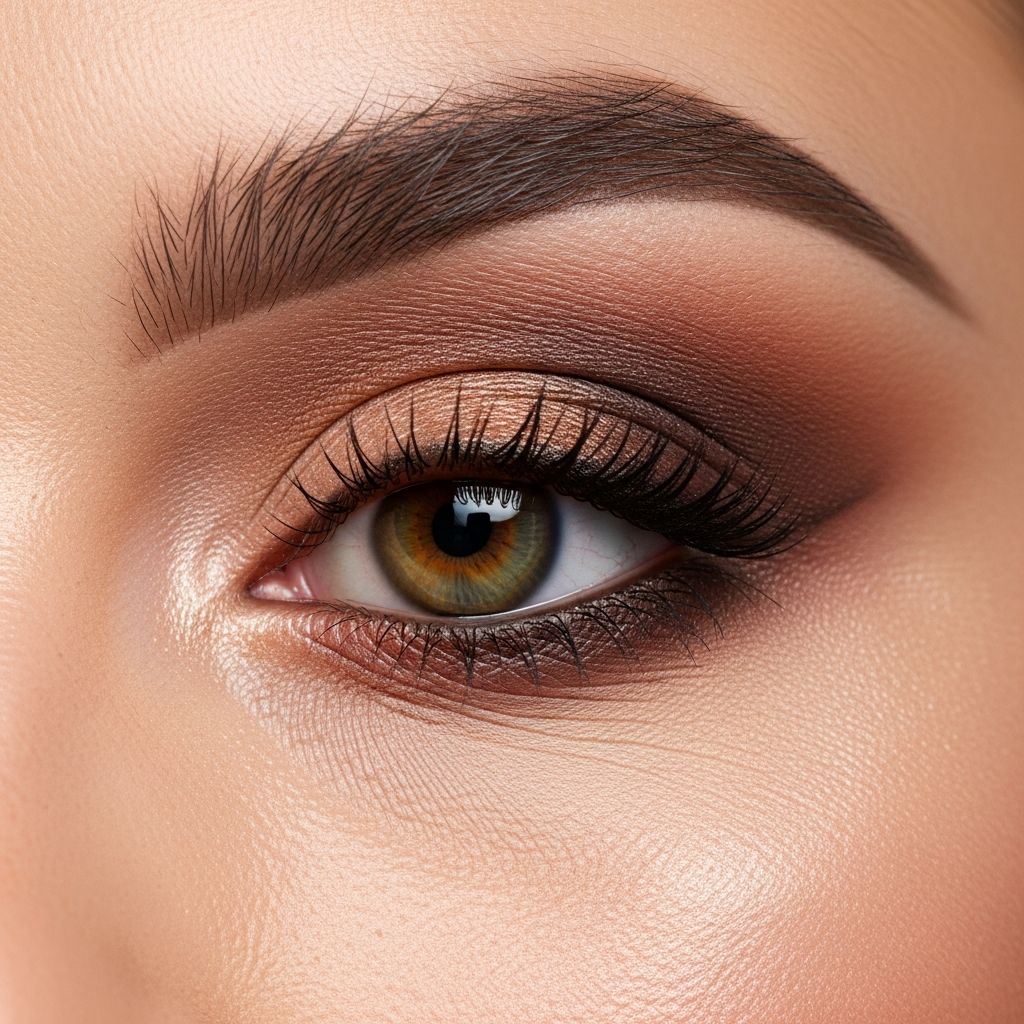
Few things are more frustrating than spending time on a beautiful eye look only to see it crease, fade, or smear within a couple of hours. If your eyeshadow seems to vanish by lunchtime, the problem usually isn’t just the product—it’s the combination of skin type, prep, and technique. The good news: with a few simple changes, nearly any shadow can last far longer and look fresher.
Understanding Why Eyeshadow Won’t Stay Put
Before jumping into fixes, it helps to understand why eyeshadow breaks down. When you know the cause, the solution becomes much easier to customize to your own eyes.
Common Reasons Eyeshadow Fades or Creases
- Oily eyelids: Natural oils dissolve pigment and break apart cream or powder formulas over time.
- Heavy skincare around the eyes: Rich eye creams and facial oils can create a slippery surface that makeup cannot grip.
- No base or primer: Applying shadow directly to bare skin gives it nothing to cling to and makes creasing more likely.
- Too much product at once: Thick layers are more likely to bunch up in lines and settle into creases.
- Unsuitable formulas for your skin type: The wrong texture (for example, very oily cream on oily lids) will move around instead of setting.
- Rubbing your eyes or constant blinking: Normal movement plus friction wears away pigment, especially along the lash line and crease.
Know Your Eyelid Type
Your eyelids have “skin types” just like the rest of your face. The routine that works for someone with dry lids may be a disaster for someone with very oily lids. Take a look at your bare lids (without skincare or makeup) after an hour of being awake to get a sense of your baseline.
| Eyelid Type | How It Looks | Typical Problems |
|---|---|---|
| Oily | Shiny, slippery, makeup slides off quickly. | Creasing, fading, smudged liner. |
| Normal | Balanced, not overly shiny or tight. | Mild creasing, slight fading by end of day. |
| Dry | Matte, sometimes flaky or tight-feeling. | Patchy application, dull color, shadows clinging to dry spots. |
| Combination | Oily in the center/crease, drier near brow bone. | Creasing in one area, patchiness in another. |
Step 1: Smart Skincare Around the Eyes
Long-lasting eyeshadow starts before you open a single palette. The way you care for the skin around your eyes can either help your makeup grip or guarantee that it slides away.
Prep Without Overloading
If you love thick eye creams, keep them for night. In the morning, especially if your makeup needs to last, use lighter textures and apply them sparingly below the orbital bone rather than all over the mobile lid.
- Use a gel or light lotion near the eyes and avoid coating the actual eyelid when you plan to wear shadow.
- Wait several minutes after skincare before applying any makeup; this allows products to absorb and reduces slip.
- Blot any excess shine from the lids with a tissue before applying primer.
Clean, Dry Lids Are Essential
Because natural oils accumulate overnight and throughout the day, starting with freshly cleansed lids can make a dramatic difference. A gentle, non-stripping cleanser is enough; harsh cleansers can cause irritation, which might lead you to rub your eyes and disturb your makeup.
Step 2: The Power of Primers and Bases
If your shadows refuse to stay, an eye base is usually non-negotiable. Primer doesn’t just keep pigments in place; it can also even out discoloration and intensify color payoff.
Choosing the Right Eye Primer
- For oily lids: Look for a mattifying, long-wear primer marketed as crease-resistant or oil-controlling.
- For dry lids: Choose a hydrating or satin-finish primer that grips without emphasizing texture.
- For mature skin: Lightweight, smoothing primers that blur fine lines help prevent product from gathering in creases.
Apply a tiny dot to each lid, blend in a thin, even layer from lash line to just above the crease, and allow it to set for a minute before adding any color.
Alternatives to Traditional Primer
If you do not own an eye primer, you can still create a base that extends wear time. These options may not be as effective as a dedicated product, but they are helpful in a pinch.
- A small amount of long-wear concealer set with a translucent powder.
- A cream shadow or eye pencil in a neutral shade blended thinly across the lid as a “grip” layer.
- A face primer that dries down and is labeled as suitable for use around the eyes (always check instructions first).
Step 3: Picking Shadows That Actually Last
The formula you choose makes as much difference as the base beneath it. Not every texture is suited to every eyelid type or climate, and the wrong choice can sabotage even the best technique.
Powder vs. Cream vs. Liquid Shadows
| Formula | Best For | Pros | Cons |
|---|---|---|---|
| Powder | Most skin types, especially oily or combination lids. | Easy to blend, buildable, can be layered, generally less creasing with a good base. | Can look chalky on very dry lids; fallout if not tapped off brush. |
| Cream | Normal to dry lids; quick one-and-done looks. | Often more intense color, smoother on textured skin, fast to apply. | May crease on oily lids without primer; some formulas stay tacky. |
| Liquid | Bold metallic or glitter looks; special occasions. | High impact shine, can be very long-wearing once set. | Less room for error; can flake if layered too thickly. |
Finishes and Their Staying Power
- Matte: Often the longest-wearing, especially for transition shades and crease colors.
- Satins: Slight sheen, usually blend easily while still holding up over time.
- Shimmers and metallics: Beautiful but prone to fallout and creasing if overapplied or not grounded by a base.
- Glitter: Dramatic but high-maintenance; typically needs a sticky base specifically designed to hold particles.
Step 4: Application Techniques That Lock Color In
Even the best products will fail if they are applied in a way that encourages creasing or patchiness. Small adjustments in how you place and layer shadow can dramatically improve wear time.
Layer in Thin, Controlled Steps
- Start with a small amount of product on your brush or fingertip and build gradually.
- Blend each layer completely before adding more, especially in the crease where product tends to accumulate.
- Use a clean brush to diffuse edges so you are not just pushing excess pigment into fine lines.
Pat, Then Blend
For maximum color payoff and staying power, press or pat pigment onto the lid rather than dragging it back and forth immediately. After packing color where you want the intensity, use soft, circular motions at the edges to blend. This reduces fallout and helps the product mesh with the primer instead of skimming over it.
Try a Damp Brush for Extra Grip
Lightly misting your brush with water or a setting spray before dipping into shimmer or metallic shades can amplify color and help it adhere more firmly. Avoid soaking the brush; a lightly damp texture is enough to transform the finish and reduce fallout.
Step 5: Setting and Sealing Your Look
Once your shadow is in place, a few finishing touches can help lock everything down so it can withstand heat, humidity, and long days.
Powder Where It Counts
- On very oily lids, a translucent, finely milled powder tapped lightly onto the crease before and after shadow can limit shine.
- A skin-toned matte shadow swept over the primer can act as a dry base for other colors, improving blend and longevity.
Use Setting Spray Wisely
A setting mist helps fuse powders into the skin and extends wear. For eyeshadow specifically, you can: lightly mist your face after makeup, or spray a brush, pick up shimmer shadow, and press it onto the lid for a foiled, locked-in effect.
Special Situations: From Workday to Night Out
Not every day demands bulletproof, all-night makeup, but when it does, a few extra strategies keep your eye look intact through long hours and high activity.
All-Day Office Wear
- Stick to matte and satin textures for the crease and outer corner; reserve subtle shine for the center of the lid.
- Use neutral, medium-depth shades; slight fading is less noticeable with soft colors than with intense brights.
- Keep blotting papers or oil-absorbing sheets on hand to dab the brow and T-zone without disturbing eye makeup.
Evenings, Events, and Humid Weather
- Layer a long-wear cream shadow under a matching powder shade for extra grip.
- Choose waterproof or water-resistant formulas for liner and mascara to avoid transfer onto the lid.
- Avoid heavy shimmer all the way into the crease if your lids are hooded; place reflective shades slightly above the fold instead.
Quick Troubleshooting Guide
If you are already following some of these steps and still struggling, use this mini checklist to pinpoint what to adjust.
Problem: Creasing Within a Few Hours
- Check whether eye cream or facial oil is touching your lids; if so, limit it to nighttime or apply further from the lash line.
- Use less primer—too much can remain tacky and grab product unevenly.
- Choose more matte formulas and avoid heavy shimmer in the area that creases the most.
Problem: Shadow Fades or Disappears
- Switch to long-wear, higher-pigment products that specify extended wear on the packaging.
- Press rather than sweep your main lid color, especially with softer, powdery formulas.
- Add a final light mist of setting spray from a distance of about 20–30 cm to help anchor the pigments.
Problem: Patchy or Skippy Application
- Allow your primer or base to dry fully before applying shadow so it is not overly sticky.
- Use a transition shade close to your skin tone in the crease to help brighter colors blend smoothly.
- On dry lids, opt for creamier formulas and avoid packing too much powder on at once.
Frequently Asked Questions
How do I stop eyeshadow from creasing on hooded eyes?
On hooded eyes, the mobile lid folds onto itself, so friction and warmth are higher in the crease. Use a thin layer of a strong eye primer, set the crease with a matte, skin-toned shade, and keep heavy shimmer or cream textures slightly above the deepest part of the fold. Lighter layers and strategic placement matter more than sheer amount of product.
Can I use concealer instead of eye primer?
Yes, a small amount of long-wear concealer can stand in for primer, especially to neutralize redness or veins. Just be sure to blend it very thinly and set it with a light dusting of translucent powder or a matte shadow so it doesn’t remain wet and cause more creasing.
Why does my eyeshadow look dull by midday?
Natural oils, environmental humidity, and friction all slowly break down pigment and soften edges. To keep color vibrant, start with a gripping base, choose more pigmented formulas, and consider layering a cream or pencil under powder to preserve intensity for longer.
Is it okay to touch up eyeshadow during the day?
Absolutely. Before adding more product, gently blot any oil from the lid with a tissue or cotton bud so you are not layering fresh pigment onto a slippery surface. Then use a small brush to reapply color precisely where it has faded, and finish with a tiny bit of setting spray if desired.
Do I need different products for day and night looks?
You can use the same core products for both, adjusting mainly intensity and placement. For daytime, keep layers sheer and finishes more matte or satin; for night, build up depth, add more shimmer, and lock in the look with an extra pass of setting spray or a cream base under key shades.
Bringing It All Together
Long-lasting eyeshadow is less about perfection and more about thoughtful steps: clean, lightly prepped skin, the right base, formulas that suit your eyelids, and careful, thin layers. When you understand how your skin behaves and how your products work, you can adapt any trend or color story into a look that stays put from the moment you apply it until you decide to take it off.