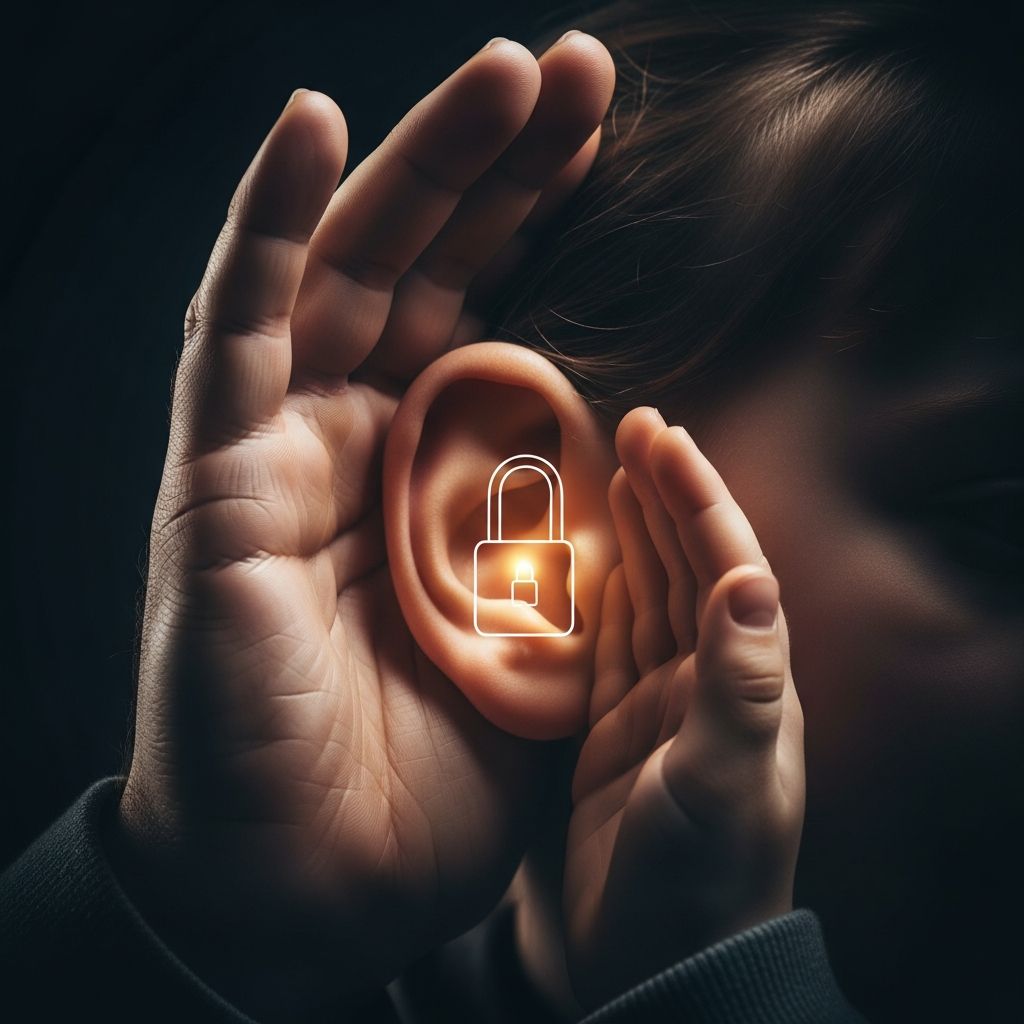
True listening goes far beyond merely hearing words—it’s an intentional practice that validates emotions, builds trust, and strengthens bonds in every type of relationship. By honing this skill, individuals can create spaces where others feel genuinely seen and understood, leading to more fulfilling interactions.
Why Listening Matters More Than You Think
In a world filled with distractions, the ability to listen deeply is a rare gift that can revolutionize how we connect with partners, family, friends, and colleagues. Research shows that our brains form snap judgments about others’ intentions in mere fractions of a second, making first impressions heavily reliant on perceived attentiveness. Active engagement signals respect and value, laying the groundwork for trust essential to collaboration and intimacy.
Consider romantic partnerships: responsive communication, where partners acknowledge each other’s words through nods or affirmations, correlates with long-term success, while unresponsive exchanges predict dissolution. Similarly, in workplaces, empathetic listening fosters teamwork and innovation by demonstrating that diverse viewpoints are welcomed. The ripple effects extend to parenting, friendships, and even self-reflection, proving listening’s universal impact.
Distinguishing Hearing from Genuine Listening
Hearing is passive—sound waves enter the ears without further processing. Listening, however, demands active involvement: interpreting tone, body language, and underlying emotions. This distinction is crucial because superficial hearing often leaves speakers feeling dismissed, while true listening affirms their vulnerability and promotes mutual understanding.
Psychological studies emphasize that deep listening satisfies primal human needs for validation, enhancing emotional security. When we listen to comprehend rather than respond, we access the ‘reality inside another person’s head and heart,’ enabling authentic empathy over assumptions.
Core Principles for Becoming an Exceptional Listener
Mastering listening requires deliberate habits. Here are foundational principles drawn from expert insights:
- Presence Over Distraction: Eliminate multitasking; silence devices and maintain eye contact to convey full commitment.
- Curiosity as Fuel: Approach conversations with genuine interest, resisting preconceptions that block openness.
- Emotional Attunement: Observe nonverbal cues like facial expressions and posture to grasp unspoken feelings.
- Non-Judgmental Space: Suspend advice-giving or rebuttals; focus solely on understanding the speaker’s world.
Implementing these shifts mindset from self-centered reaction to other-focused reception, dramatically improving relational dynamics.
Practical Techniques to Elevate Your Listening Game
Armed with principles, apply these actionable techniques for immediate results:
1. Harness Backchanneling and Responsiveness
Use subtle verbal cues like ‘uh-huh,’ ‘I see,’ or nods to signal engagement without interrupting. These micro-affirmations encourage speakers to elaborate, fostering a sense of being valued. In one study, couples employing responsive listening sustained relationships lifetimes longer than non-responsive pairs.
2. Master Open-Ended Inquiry
Replace yes/no questions with expansive ones: ‘What was that experience like for you?’ or ‘How did that make you feel?’ This invites depth, refining your grasp while showing investment. Avoid closed queries that stifle dialogue.
3. Reflect Content and Emotions
Paraphrase to confirm accuracy: ‘It sounds like you’re frustrated because…’ Then validate feelings: ‘That must have been incredibly challenging.’ This duo—reflecting what was said and felt—builds bridges of empathy, reducing misunderstandings.
4. Embrace Strategic Silence
After poignant statements, pause. Silence invites further revelation, allowing speakers to process and often self-resolve. Pair it with attentive body language to maintain connection.
5. Practice Self-Disclosure Mindfully
Share relatable experiences sparingly to bond: ‘I’ve felt that overwhelm too.’ This reciprocity deepens ties without shifting focus.
| Technique | Purpose | Example |
|---|---|---|
| Backchanneling | Shows engagement | ‘Mm-hmm, go on.’ |
| Open-Ended Questions | Encourages detail | ‘Tell me more about that.’ |
| Content Reflection | Confirms understanding | ‘So, you’re saying…’ |
| Emotion Reflection | Validates feelings | ‘You sound excited about this.’ |
| Silence | Allows processing | Attentive pause after key point |
Navigating Common Listening Barriers
Even skilled listeners falter against hurdles like defensiveness, agenda-driven hearing, or emotional flooding. When triggered, practice self-soothing: deep breaths or mental notes to regulate before responding. Journaling a partner’s words alongside your reactions clarifies perspectives, preventing knee-jerk defenses.
Other pitfalls include premature problem-solving, which feels patronizing, or mental rebuttals that drown out the speaker. Counter these by recommitting to curiosity: listen to learn, not win.
Applying Listening Skills Across Life’s Arenas
In Romantic Relationships: Prioritize agenda-free absorption to make partners feel cherished. Responsive bids for connection predict enduring love.
With Family and Friends: Curiosity combats assumptions, enriching bonds. Reflecting teens’ turmoil, for instance, validates their autonomy.
At Work: Undivided attention during meetings signals respect, boosting collaboration and trust.
Self-Listening: Extend skills inward via journaling to process personal emotions, enhancing overall relational health.
The Transformative Outcomes of Proficient Listening
Consistent practice yields profound rewards: heightened intimacy, conflict resolution, and resilience. Speakers feel empowered, speakers gain clarity, and relationships evolve into safe havens of mutual respect. In professional realms, it drives innovation through inclusive dialogue.
Empathic listening equips us with precise interpersonal data, replacing projections with reality. Over time, it cultivates emotional intelligence, making us better equipped for life’s complexities.
Frequently Asked Questions (FAQs)
What if I feel defensive while listening?
Slow down, breathe deeply, and self-soothe to prevent emotional overwhelm. Write down your partner’s points and your feelings to regain composure.
How do I listen when I disagree?
Remove the ‘rebuttal button’—focus on understanding their view first. Curiosity over correction builds bridges.
Can listening fix every relationship issue?
No, but it dramatically improves communication and understanding, often preventing escalation. In irreparable cases, it aids graceful closure.
How long until I see improvements?
Noticeable shifts occur within weeks of daily practice. Consistency compounds benefits.
What’s the biggest listening mistake?
Multitasking or planning responses instead of absorbing. Full presence is key.
References
- Building Stronger Relationships at Work: The Power of Effective Listening — Innovative Human Capital. 2023-05-15. https://www.innovativehumancapital.com/article/building-stronger-relationships-at-work-the-power-of-effective-listening
- Six Essential Practices to Improve Listening Skills in Relationships — Esther Perel. 2024-02-10. https://estherperel.substack.com/p/six-essential-practices-to-improve
- Relationship Advice: 4 Listening Skills For Relationships — YouTube (Relationship Advice Channel). 2022-11-20. https://www.youtube.com/watch?v=6v99qpHBiok
- Teaching Clients Active Listening Skills to Improve their Relationships — Psychotherapy.net. 2023-08-12. https://www.psychotherapy.net/blog/title/teaching-clients-active-listening-skills-to-improve-their-relationships
- Relationships: The Importance Of Being Able To Listen — The Online Therapist Blog. 2024-01-05. https://theonlinetherapist.blog/relationships-the-importance-of-being-able-to-listen/
- 5 Listening Skills That Will Improve All of Your Relationships — Cult of Pedagogy. 2023-03-18. https://www.cultofpedagogy.com/listening-skills/
- How to Listen Without Getting Defensive — The Gottman Institute. 2023-07-22. https://www.gottman.com/blog/listen-without-getting-defensive/
- Deep Listening in Personal Relationships — Psychology Today. 2017-08-15. https://www.psychologytoday.com/us/blog/the-empowerment-diary/201708/deep-listening-in-personal-relationships