Why Leaving Home with a Baby Feels Like a Major Victory
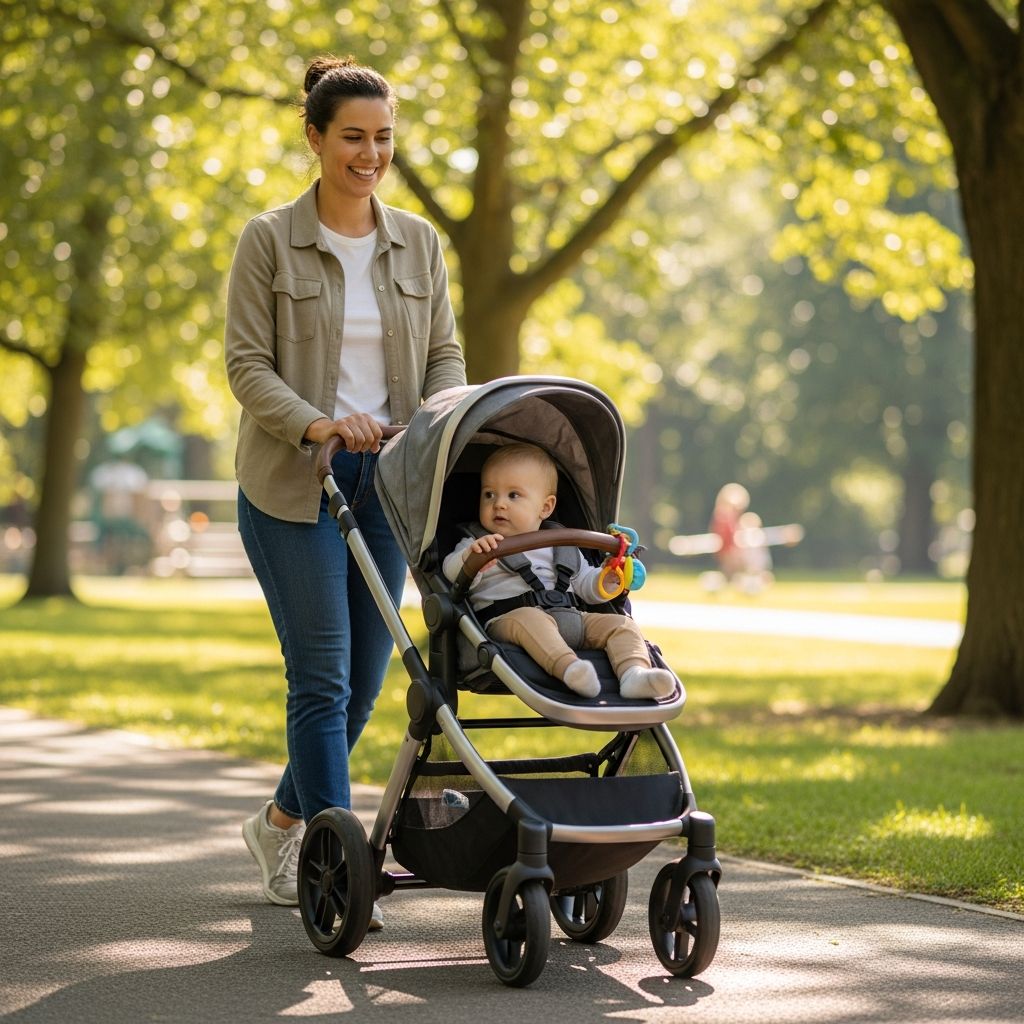
For many parents, successfully getting out the door with a baby represents far more than simply stepping outside the house. It marks an accomplishment that involves coordinating multiple elements simultaneously: assessing the infant’s needs, gathering necessary supplies, managing the child’s emotional state, and navigating the logistics of departure. What might take a childless person minutes can consume hours when caring for a dependent who cannot communicate their needs clearly or cooperate with the process.
The psychological weight of managing these moving parts cannot be understated. Parents often feel relief once they’ve successfully left home, as if they’ve completed a complex puzzle. This sense of achievement stems from the reality that countless variables must align for a smooth exit. Recognizing that getting out the door is indeed an accomplishment helps parents celebrate their efforts rather than viewing the process as something they “should” complete without difficulty.
Building Your Pre-Departure Foundation
The path to successful outings begins long before you approach your front door. Strategic preparation during calmer moments sets the stage for smoother departures when the stakes feel highest.
Establishing Your Home Launch Zone
Designate a specific area in your home—ideally near your primary exit—as your departure preparation station. This space should contain everything you need for an outing without requiring you to scatter throughout your house searching for items.
- Keep your diaper bag in this location, restocked regularly rather than frantically assembled right before leaving
- Store backup essentials like extra clothes, additional diapers, and wipes in designated containers
- Maintain your personal items (keys, wallet, phone) in a consistent spot for quick retrieval
- Keep weather-appropriate accessories immediately accessible, including hats, mittens, and lightweight blankets
- Position your stroller or baby carrier where you can grab it without disturbing a sleeping infant
This organizational approach eliminates the frantic searching that transforms a manageable task into a stressful scramble. When everything resides in one location, you spend less mental energy locating items and more energy attending to your baby’s needs.
The Strategic Approach to Timing Your Departure
Understanding your infant’s patterns and rhythms represents one of the most valuable tools for successful outings. Rather than fighting against your baby’s natural cycles, working with them dramatically improves the likelihood of a calm exit.
Reading Your Baby’s Optimal Window
Babies function best during windows when they’re naturally calm and content. These moments typically occur after feeding and diaper changes, when their basic needs have been met. During these windows, infants are more likely to remain settled during the transition of leaving home.
Attempting to leave when your baby is hungry, uncomfortable, or overtired almost guarantees resistance. A baby who needs a diaper change will communicate this discomfort through fussiness, making the entire departure process exponentially more challenging. Conversely, timing your departure for these optimal moments means your baby is already in a cooperative state before you even approach the door.
Planning Around Sleep Schedules
As your baby develops, establishing a predictable sleep routine provides invaluable information about when you can successfully leave home and how long you’ll have before they become fussy. Understanding these sleep patterns allows you to plan outings that either avoid wake times entirely or schedule them during periods when your baby is most agreeable.
Essential Packing Strategy: What Actually Goes in Your Bag
Overpacking creates its own problems—your bag becomes unwieldy, you can’t locate items quickly, and you’ve burdened yourself with unnecessary weight. Conversely, underpacking almost guarantees you’ll encounter a situation where you lack something critical. The solution lies in categorizing what you need.
Core Items That Live in Your Bag Permanently
Establish a baseline collection of essentials that remain in your diaper bag between outings. This prevents the error of forgetting fundamental supplies:
- Adequate diapers for your expected duration outside plus 25 percent extra
- Wipes and diaper cream for quick changes
- An extra complete outfit for your baby
- A lightweight blanket or muslin cloth that serves multiple purposes
- One age-appropriate toy or entertainment item
- Backup feeding supplies (bottle, formula, or snacks depending on your baby’s age)
Trip-Specific Additions
Beyond your baseline kit, consider the specific parameters of your planned outing. Where are you going? How long will you be out? What time of day? Based on these factors, add targeted items:
| Outing Type | Duration | Key Additions |
|---|---|---|
| Quick errand (grocery store) | Under 1 hour | 2-4 diapers, snacks, one toy |
| Extended outing (park visit) | 2-3 hours | 4-6 diapers, snacks, activity items, sun protection |
| Appointment or social visit | 1-2 hours | 3-5 diapers, change of clothes, quiet toys |
| All-day adventure | 4+ hours | 6+ diapers, multiple outfit changes, varied entertainment |
This tiered approach prevents you from carrying your entire home while ensuring you have what you genuinely need.
The Final Minutes: Your Exit Sequence
The moments immediately before departure deserve a structured approach. This final sequence eliminates last-minute scrambling and ensures nothing critical gets overlooked.
Step-by-Step Pre-Departure Checklist
- Minutes 0-3: Perform a quick assessment of your baby’s current state. Check if they’re dry, recently fed, and comfortable. Address any immediate needs before putting on exterior layers.
- Minutes 3-8: Pack any trip-specific additions into your bag. Do this before dressing your baby to avoid the situation where your infant overheats in a warm house while waiting.
- Minutes 8-12: Dress your baby in exterior layers only at the final moment before stepping outside. This prevents the common problem where babies become overheated and fussy indoors while wearing full outerwear.
- Minutes 12-16: Gather your soothing tools—pacifier with clip, familiar cloth, any comfort items your baby associates with calm moments.
- Minutes 16-20: Put on final accessories like shoes, do one last mental check that you have your keys and wallet, and move toward the door with purpose.
Calming Tools That Buy You Time and Reduce Stress
Certain tools prove invaluable for transforming near-meltdowns into manageable moments. These aren’t luxuries but rather practical investments in smoother outings.
The Pacifier System
If your baby uses a pacifier, integrating it into your departure routine provides a reliable reset button. A clip attached to your baby’s clothing prevents drops that necessitate sanitizing or searching under furniture. This single tool eliminates multiple friction points in your exit process.
The Multipurpose Cloth
A soft muslin or cotton cloth serves multiple functions that make it worth its minimal space in your bag. It can soothe a fussy baby, protect your baby from sun exposure, cover your shoulder during nursing, wipe up minor spills, and provide a familiar object that calms your infant. This versatility makes it an essential packing item.
Gentle Movement and Familiar Sounds
Maintain a calm demeanor in your hallway and entryway. Your baby responds to your energy and the environment you create. Soft bouncing or gentle rocking combined with quiet, familiar sounds creates the soothing environment that helps babies remain settled through the transition of leaving home.
Addressing Common Departure Challenges
Your Baby Cries When Departure Approaches
Crying during the departure process indicates something specific your baby needs. Consider whether your infant is too warm (babies often fuss when dressed in heavy outerwear indoors), uncomfortable in their clothing, hungry, or tired. Address the specific cause rather than attempting to force departure.
Balancing Baby’s Safety with Practical Requirements
When weather becomes extreme, prioritize your baby’s wellbeing over outing plans. Medical professionals recommend limiting outdoor exposure when temperatures drop below 40 degrees Fahrenheit, as cold air can stress developing lungs. Conversely, protect your baby from sun exposure and dehydration during hot weather.
Managing Exposure to Crowds and Illness
While brief outings to less crowded locations like grocery stores are generally manageable, extended time in crowded environments exposes your young baby to unnecessary germs. If crowds are unavoidable, keep your baby close and use a carrier that allows you to position your infant facing inward while ensuring clear airways for breathing.
Building Confidence Through Strategic Practice
Your first outings with your baby don’t need to be complex adventures. Start with short trips to familiar locations. Success builds confidence, which reduces the anxiety surrounding departures. Each successful outing adds to your competence and reduces the stress of future attempts.
Consider coordinating early outings with trusted friends who have experience with infants. Their presence provides practical support and emotional reassurance that you’re managing the process appropriately.
Preparation Strategies That Reduce Last-Minute Panic
Much of the stress surrounding departures stems from attempting to gather everything while your baby demands attention. Instead, prepare key elements during calm moments:
- Restock your diaper bag every evening or every other day rather than before each outing
- Lay out outfit options the night before rather than searching through drawers while your baby cries
- Prepare bottles or feeding supplies before your planned departure time
- Check weather forecasts the evening before to plan appropriate clothing and gear
- When visiting unfamiliar locations, call ahead to ask about facilities like changing stations or quiet nursing areas
When Multiple Children Complicate the Departure
Parents managing toddlers and infants simultaneously face compounded challenges. Strategic approaches help manage this complexity. Establishing your toddler as your “departure ally” transforms a potential obstacle into an asset. Toddlers enjoy helping and being given responsibilities. Asking your older child to help gather items or perform specific tasks makes them feel important while actually lightening your mental load.
For families with very young children in close age ranges, prioritize safety by securing the oldest child first in a stroller or carrier before managing the infant. This ensures both children remain safe while you transition between managing each one.
Adjusting Your Mindset About What Constitutes Success
Sometimes departures don’t proceed according to plan. Your baby has an unexpected blowout. You forget something important. Your infant becomes fussier than anticipated. These moments don’t represent failures but rather normal components of parenting. Releasing the expectation of perfection reduces the stress you place on yourself.
Instead of measuring success by achieving a perfect departure, measure it by safely getting yourself and your baby outside and managing whatever arises. This more realistic standard acknowledges the inherent unpredictability of caring for infants while still celebrating your genuine accomplishment.
Frequently Asked Questions About Getting Out with Your Baby
Q: How many diapers should I pack for different outing lengths?
A: For quick errands under one hour, carry 2-4 diapers. For outings lasting 2-3 hours, bring 4-6 diapers. Extended all-day adventures warrant 6 or more diapers plus a change of clothing. Adjust based on your baby’s individual patterns, packing extra if your baby has frequent bowel movements.
Q: At what age can babies safely go outside?
A: Babies can typically go outside shortly after birth if you feel ready. However, follow safety guidelines regarding temperature extremes, sun protection, and crowd exposure. Avoid extremely cold temperatures and crowded environments like malls with newborns under 8 weeks.
Q: What should I do if my baby cries every time we try to leave?
A: Assess whether your baby is too warm in indoor outerwear, hungry, uncomfortable, or tired. Dress your baby’s outer layers only at the last moment. Use consistent soothing cues like a favorite pacifier or familiar cloth. Ensure your baby has recently eaten and had a diaper change before departure.
Q: How can I prepare my home to make departures easier?
A: Establish a designated launch pad near your exit where you keep your diaper bag, stroller, your personal essentials, and weather-appropriate items. Restock this area regularly rather than assembling supplies right before leaving. This eliminates searching throughout your home when time is limited.
Q: What’s the most important item to keep in your diaper bag?
A: A soft multipurpose cloth serves numerous functions—soothing your baby, protecting from sun, providing familiarity, and addressing various minor issues. This versatile item deserves permanent space in your bag.
References
- How to get out the door with a baby in under 20 minutes — BIBS World. 2024. https://bibsworld.com/blogs/care/how-to-get-out-the-door-with-a-baby-in-under-20-minutes
- How to Get Out the Door with a Toddler and Baby — Married with Style. 2018. https://marriedwithstyle.com/2018/10/22/how-to-get-out-the-door-with-a-toddler-and-baby/
- How to Get out the Door with 2 Under 2 — Home Plain and Simple. https://homeplainandsimple.com/how-to-get-out-the-door-with-2-under-2.html
- When Can Newborns Go Outside? First Outing Tips & Checklist — Babylist. https://www.babylist.com/hello-baby/baby-first-outing
- 15 Tips That Make It Easier for New Parents to Leave the House — Healthline. 2023. https://www.healthline.com/health/parenting/15-practical-tips-that-make-leaving-the-house-easier
- Getting out of the house with your new baby — Pregnancy Birth Baby. Government of South Australia. https://www.pregnancybirthbaby.org.au/getting-out-of-the-house-with-your-new-baby
- My 10 Tips for getting out and about with a baby — Jess Keys. https://jesskeys.com/my-10-tips-for-getting-out-and-about-with-a-baby/