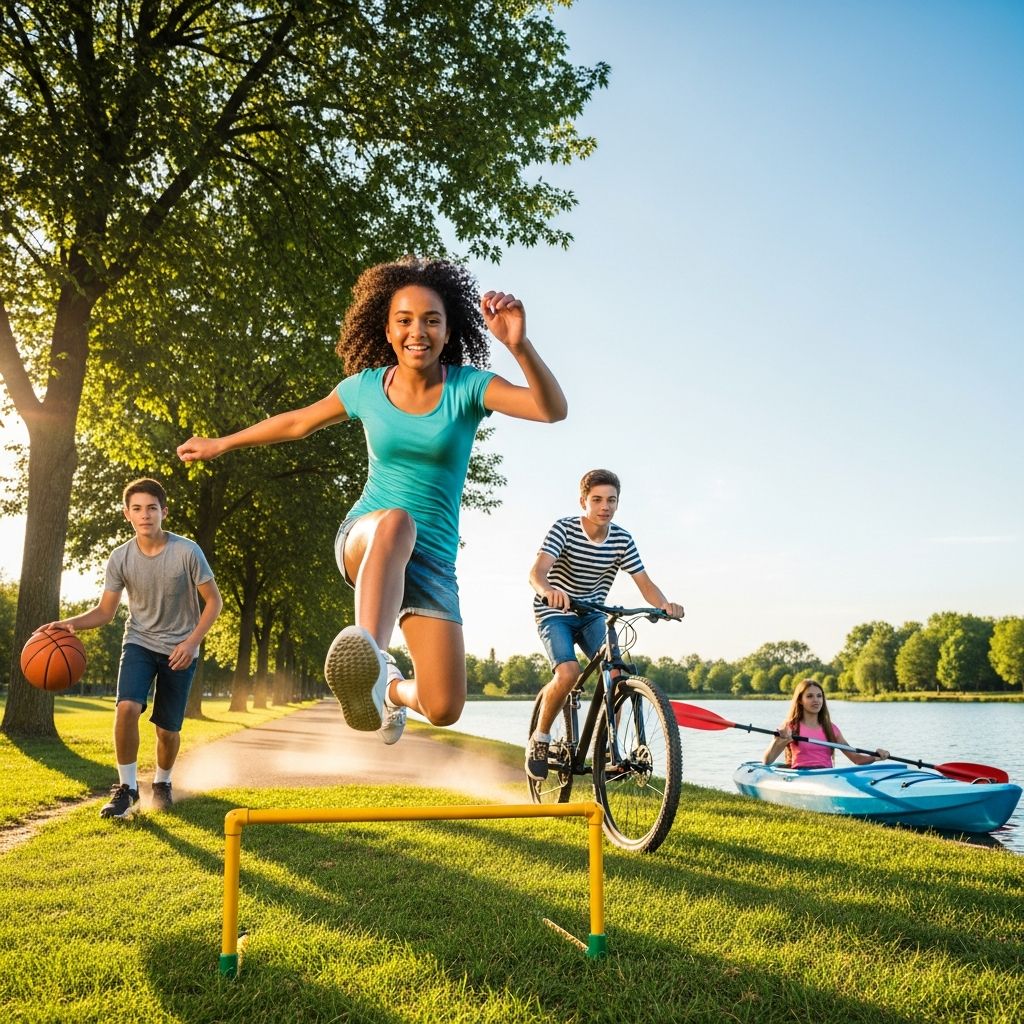
Summer break offers teenagers a prime opportunity to break free from sedentary routines and embrace physical vitality. With structured school days behind them, parents play a pivotal role in channeling this freedom into meaningful movement. By blending enjoyment, structure, and family involvement, caregivers can foster habits that enhance physical health, mental well-being, and social skills. This guide explores practical approaches to spark enthusiasm for activity, drawing on expert insights to ensure teens thrive amid warmer months.
Understanding the Importance of Summer Activity for Teens
Adolescence marks a critical window for establishing lifelong fitness patterns. Regular physical engagement helps teens maintain healthy weights, bolsters cardiovascular health, and sharpens cognitive functions. Federal health guidelines from the U.S. Department of Health and Human Services recommend that youth aged 6-17 accumulate at least 60 minutes of moderate-to-vigorous activity daily, encompassing aerobic, muscle-strengthening, and bone-building exercises.
During summer, unstructured time often leads to increased screen exposure, which correlates with higher risks of obesity and mood dips. Conversely, active pursuits counteract these trends by promoting endorphin release, improving sleep quality, and reducing anxiety. Pediatric experts emphasize that summer flexibility allows access to outdoor resources, making it ideal for building resilience against risk-taking behaviors through community and family ties.
Building a Foundation: Lead by Parental Example
Teens mirror the behaviors of their guardians. When parents prioritize movement, it normalizes activity as a family norm rather than a chore. Engage in joint walks, bike rides, or home workouts to demonstrate commitment. This modeling not only motivates but also strengthens relational bonds.
- Schedule shared morning jogs or evening strolls to kickstart routines.
- Involve teens in meal prep with nutritious, energy-sustaining foods like lean proteins and fresh produce.
- Share personal fitness stories to highlight long-term rewards, such as increased stamina or stress relief.
Consistency from adults reinforces that exercise is integral to daily life, encouraging teens to adopt similar discipline.
Strategic Planning for Consistent Engagement
Proactive scheduling combats summer lethargy. Dedicate weekly planning sessions to map out activity slots, treating them with the same priority as social commitments. Tools like shared digital calendars can empower teens to claim ownership.
| Day | Morning Slot (7-9 AM) | Afternoon Slot (3-5 PM) | Evening Slot (7-9 PM) |
|---|---|---|---|
| Monday | Bike ride | Swim practice | Family yoga |
| Tuesday | Park run | Basketball pickup | Walk dog |
| Wednesday | Rest/mobility | Volleyball | Indoor strength |
| Thursday | Hike | Tennis | Dance session |
| Friday | Fun run | Pool games | Rest |
| Weekend | Family outing | Community event | Free active play |
This framework accommodates heat by prioritizing cooler times, ensuring recovery days prevent burnout.
Infusing Fun into Fitness Routines
Repetition breeds boredom, so variety is key. Transform exercise into play by exploring novel pursuits that align with teen interests. Summer’s bounty of outdoor options—from beach volleyball to trail hiking—provides natural motivation.
- Water-based adventures: Swimming laps, paddleboarding, or water aerobics offer low-impact cardio while beating the heat.
- Team sports: Organize informal soccer matches or frisbee games with friends for camaraderie and competition.
- Adventure challenges: Try rock climbing, kayaking, or geocaching to ignite exploratory spirits.
- Creative movement: Dance classes, skateboarding, or martial arts blend skill-building with exertion.
Apps tracking steps or virtual challenges gamify progress, appealing to tech-savvy youth. Emphasize enjoyment over intensity to sustain long-term interest.
Leveraging Social Connections for Momentum
Peer influence powerfully drives teen participation. Facilitate group activities to harness this dynamic, such as neighborhood sports leagues or buddy workouts. Friends amplify accountability and fun, turning solo efforts into shared triumphs.
Community hubs like YMCAs offer teen programs fostering new friendships through group fitness. Volunteering—coaching younger kids in sports or leading park cleanups—instills purpose while keeping bodies active.
Adapting to Summer Challenges: Heat and Hydration
High temperatures demand smart adjustments. Opt for dawn or dusk sessions when UV rays wane, and select shaded trails or indoor alternatives like gym classes for peak heat. Proper attire—breathable fabrics and supportive shoes—enhances comfort and performance.
Hydration underpins endurance; teens should sip water hourly and incorporate electrolyte drinks post-sweat. Balanced nutrition with complex carbs fuels sustained energy, preventing mid-day slumps.
Setting Goals and Celebrating Wins
Collaborative goal-setting empowers teens. Discuss barriers like motivation dips, then craft realistic targets: “Three bike rides weekly” or “Master a 5K run.” Track via journals or apps, rewarding milestones with non-food incentives like new gear.
Reflect weekly on achievements to reinforce positive loops. If resistance arises, probe underlying issues and adjust—perhaps swapping runs for dance if preferences shift.
Overcoming Common Roadblocks
Resistance often stems from perceived tedium or fatigue. Counter by diversifying options and starting small—10-minute bursts build momentum. Family buy-in addresses scheduling conflicts, while highlighting benefits like better mood counters apathy.
For screen-addicted teens, integrate tech: fitness games or outdoor AR hunts bridge digital and physical worlds.
Long-Term Benefits and Habit Formation
Beyond physical gains—stronger muscles, denser bones—active summers cultivate discipline and confidence. Social skills flourish through teamwork, and mental health improves via nature exposure. These foundations equip teens for academic year vigor and adulthood wellness.
Parental patience yields dividends; gradual integration trumps mandates, nurturing intrinsic motivation.
Frequently Asked Questions
What if my teen hates traditional sports?
Shift to alternatives like hiking, dancing, or yoga. Focus on enjoyment to build positive associations.
How much daily activity is ideal?
Aim for 60 minutes of moderate-to-vigorous movement, mixing aerobic, strength, and flexibility.
What about extreme heat?
Train early/late, hydrate rigorously, and use indoor options like strength training.
Can rewards help?
Yes, use them for behavior shaping, like outings after goal hits, but pair with intrinsic growth.
How do I involve reluctant siblings?
Start with low-pressure family walks, gradually ramping to games for collective fun.
References
- Physical Activity Guidelines for Americans, 2nd edition — U.S. Department of Health and Human Services. 2018-11-12. https://health.gov/sites/default/files/2019-09/Physical_Activity_Guidelines_2nd_edition.pdf
- How (and Why) to Keep Teens Active During the Summer — Lurie Children’s Hospital. 2023-06-15. https://www.luriechildrens.org/en/blog/motivating-teens-to-stay-active-during-summer/
- 5 Tips for Getting Your Teen Active and Healthy — Lamoille Health Partners. 2024-05-20. https://www.lamoillehealthpartners.org/5-tips-for-getting-your-teen-active-and-healthy/
- 25 Ways to Move More in Warmer Months — American Heart Association. 2025-04-10. https://www.heart.org/en/healthy-living/fitness/getting-active/25-ways-to-move-more-during-summer
- How to Stay Motivated in Your Fitness Journey During the Summer Heat — Iron Legion SC. 2024-07-01. https://ironlegionsc.com/how-to-stay-motivated-in-your-fitness-journey-during-the-summer-heat/