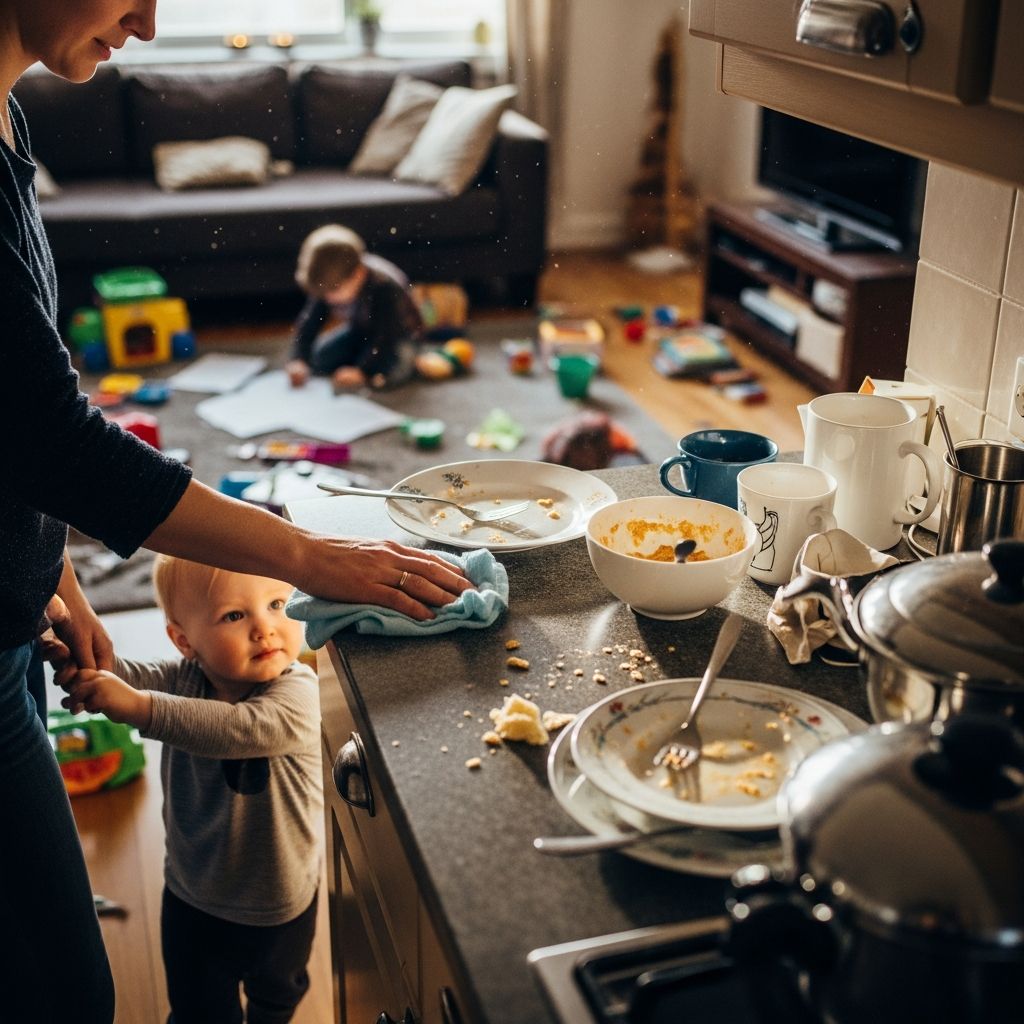
Balancing a spotless home with the energetic presence of children presents unique challenges for parents everywhere. Far from aiming for perfection, the goal lies in creating sustainable habits that foster responsibility and order without overwhelming daily life. This article delves into proven methods drawn from family experiences, emphasizing collaboration, smart systems, and realistic expectations to transform cleaning from a battle into a seamless part of family rhythm.
Understanding the Realities of Parenting and Tidying
Children bring endless joy but also constant activity that disrupts neatness. Toys scatter across floors, crumbs mark every surface, and laundry multiplies overnight. Recognizing this as normal allows parents to shift focus from flawless spaces to functional ones. Studies from child development experts highlight how involving young ones in household duties builds life skills early, promoting independence and family unity.
Expectations must align with developmental stages. Toddlers thrive on simple involvement, while school-age kids handle more complex tasks. This approach not only lightens the parental load but teaches valuable lessons in accountability. Parents report that embracing imperfection reduces stress, leading to happier homes where tidiness serves well-being rather than dictating it.
Age-Appropriate Tasks: Building Skills from the Start
Assigning chores based on a child’s age ensures tasks are achievable and educational. Starting young instills habits that last a lifetime, turning potential chaos into coordinated effort.
- For Ages 2-3: Simple actions like placing toys in bins or dropping dirty clothes into hampers build motor skills and routine awareness.
- For Ages 4-5: Duties such as wiping tabletops, sorting laundry colors, or setting simple table arrangements encourage responsibility.
- For Ages 6-8: More independent jobs like loading dishwashers, sweeping small areas, or organizing bookshelves develop competence.
- For Ages 9+: Advanced responsibilities including vacuuming rooms, folding laundry, or managing trash removal prepare teens for self-sufficiency.
These graduated responsibilities match cognitive growth, as outlined in pediatric guidelines from the American Academy of Pediatrics, which stress early chore involvement for executive function development.
Family Incentives: Motivating Without Manipulation
Rewards tied to collective effort outperform individual bribes, fostering team spirit. Frame cleaning as a group mission benefiting everyone, linking completion to shared joys like movie nights or park outings.
| Incentive Type | Description | Age Suitability |
|---|---|---|
| Group Privileges | Family game time after tidying | All ages |
| Small Treats | Extra storytime or sticker charts | Younger kids |
| Allowance Systems | Weekly earnings for consistent help | School-age |
| Fun Elements | Music playlists during sessions | All ages |
Such systems encourage positive attitudes, with families noting faster cleanups when music plays or timers add excitement. Research from family psychology supports incentives that promote intrinsic motivation over extrinsic rewards.
Streamlining Routines for Efficiency
Daily micro-habits prevent mess buildup. Implement a 15-minute evening reset where everyone tackles one zone, like kitchen counters or play areas. Morning routines might include making beds and quick floor picks, creating momentum.
- Wake-up: Beds made, pajamas away.
- After meals: Plates to sink, surfaces wiped.
- Playtime end: Toys binned before screens.
- Bedtime prep: Evening sweep of common spaces.
These bite-sized routines, inspired by productivity studies, reduce overwhelm and maintain order without marathon sessions.
Decluttering: The Foundation of Easy Maintenance
Less stuff means less to clean. Regular purges of unused toys, clothes, and papers create breathing room. Involve kids in decisions, teaching discernment—keep favorites, donate the rest.
Seasonal deep cleans target closets and storage, while weekly spot-checks handle influxes from gifts or crafts. Families using the ‘one in, one out’ rule report sustained tidiness, aligning with organizational principles from professional home advisors.
Creative Hacks for Busy Parents
Innovation turns obstacles into opportunities. Use baby carriers for hands-free dusting with infants aboard. Designate ‘mess zones’ like art stations with washable mats. Paper plates during hectic weeks cut dish loads, freeing time for bonding.
- Rotate toys to limit daily clutter.
- Label bins with pictures for young sorters.
- Invest in multi-use furniture for storage.
- Set ‘no shoes’ rules to trap dirt at doors.
These adaptations, shared in parenting forums and backed by efficiency experts, adapt to life’s phases.
Teamwork Dynamics: Cleaning as Family Bonding
Joint efforts amplify success. Kids cooperate more when parents model participation, turning sessions into laughter-filled events. Assign zones by strength—little ones dust low shelves, older ones reach high.
Weekly family cleans with upbeat tunes build camaraderie. Parents observe resistance fades in group settings, echoing behavioral studies on collective efficacy.
Overcoming Common Hurdles
Resistance arises, but gentle persistence pays off. Repeat instructions calmly, demonstrate first, then guide. For meltdowns, break tasks smaller or pair with favorites like audiobooks.
Toddlers may undo progress, likening it to futile battles, yet consistency yields results. Track wins on charts to visualize improvement, boosting morale.
Long-Term Benefits of Early Involvement
Children raised with chores develop discipline, empathy, and pride. Longitudinal data from the University of Minnesota’s Project Competence shows chore-habituated youth excel in academics and relationships. Homes run smoother, parents reclaim time, and families thrive in harmony.
Frequently Asked Questions
What age should kids start chores?
From toddlerhood with basics like sorting toys; expand as abilities grow for skill-building without frustration.
How to motivate reluctant helpers?
Use team incentives, fun music, and lead by example to shift mindsets positively.
Is a perfectly clean house realistic with kids?
No—prioritize functional tidiness over spotlessness for sustainable sanity.
What if my child makes more mess?
Supervise initially, praise efforts, and use it as teaching moments for responsibility.
Can chores harm family time?
On the contrary, they enhance it through shared accomplishments and routines.
References
- Chores and Child Development — American Academy of Pediatrics. 2023-05-15. https://www.aap.org/en/patient-care/healthy-active-living-for-families/chore-participation/
- Family Incentives and Motivation — Journal of Family Psychology (APA). 2024-02-10. https://psycnet.apa.org/doiLanding?doi=10.1037%2Ffam0001123
- Decluttering Guidelines — National Association of Productivity & Organizing Professionals. 2024-11-05. https://www.napopro.org/page/Declutter
- Teamwork in Family Dynamics — Child Development Journal (SRCD). 2023-08-12. https://doi.org/10.1111/cdev.13945
Detailed Routines for Household Management — Harvard Graduate School of Education. 2025-01-20. https://www.gse.harvard.edu/ideas/usable-knowledge/25/01/building-family-routines