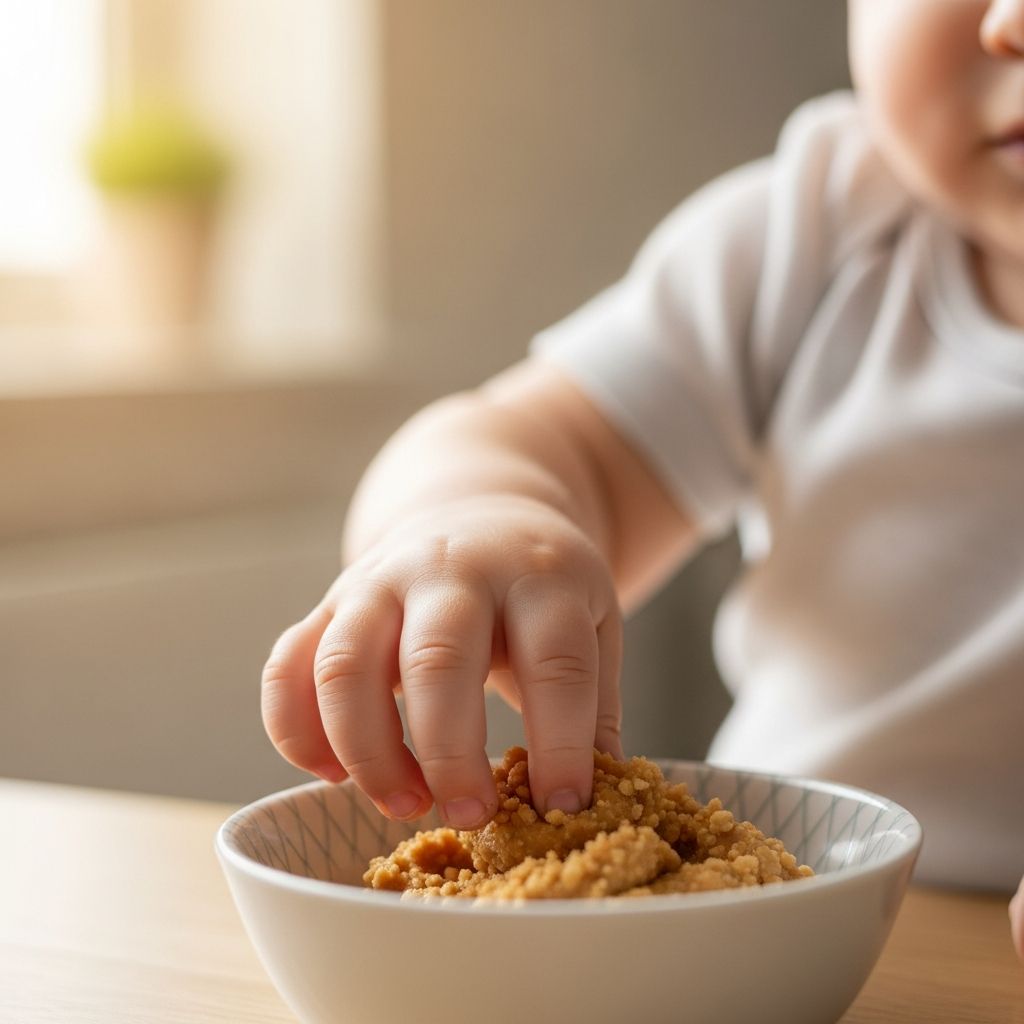
Introducing peanuts to infants during the early stages of solid foods can significantly lower the risk of developing peanut allergies later in life. Health experts now recommend starting with peanut-containing foods around 6 months of age for most babies, shifting from previous advice to avoid them entirely.
Understanding the Shift in Guidelines
Pediatric organizations have updated their recommendations based on recent clinical trials showing that early exposure reduces allergy incidence by up to 80% in high-risk infants. Previously, parents were advised to delay common allergens like peanuts until age 3, but evidence now supports proactive introduction when babies begin solids.
This change stems from studies like the Learning Early About Peanut Allergy (LEAP) trial, which demonstrated that regular peanut consumption in infancy prevents sensitization. For low-risk babies, integration into regular meals is straightforward, while high-risk cases—those with severe eczema or egg allergy—may need medical consultation first.
Signs Your Baby is Ready for Solids and Allergens
Babies typically show readiness for solid foods between 4-6 months, but optimal timing aligns with 6 months per guidelines. Key developmental signs include:
- Good head and neck control while sitting with support.
- Interest in watching others eat and reaching for food.
- Loss of tongue-thrust reflex, allowing them to swallow rather than push out food.
- Doubling of birth weight and ability to sit briefly unassisted.
Once these cues appear, incorporate peanut products alongside breast milk or formula, which remains the primary nutrition source until 12 months.
Safe Ways to Introduce Peanuts
Begin with small amounts of smooth peanut preparations to minimize choking risks. Recommended forms include:
- Thinned peanut butter mixed with breast milk, formula, or pureed vegetables (start with 1/4 teaspoon).
- Dissolved smooth peanut butter puff cereal in warm liquid.
- Peanut powder blended into oatmeal or yogurt.
Avoid whole peanuts, chunks, or thick peanut butter until age 4-5 years due to choking hazards. Introduce one new food every 3-5 days to monitor for reactions like hives, vomiting, or swelling.
| Age Range | Peanut Product Examples | Portion Size | Frequency |
|---|---|---|---|
| 6 months | Smooth PB puree, PB puffs | 1/4 – 1/2 tsp | 2-3 times/week |
| 7-9 months | PB in mashed foods, thinned spreads | 1/2 – 1 tsp | Daily if tolerated |
| 9-12 months | Soft finger foods with PB | 1 tsp+ | Regular meals |
This table outlines a progressive approach, ensuring gradual texture introduction while prioritizing safety.
Recognizing and Responding to Allergies
Food allergies affect about 8% of children, with peanuts being a top culprit. Watch for mild symptoms like rash or tummy upset, or severe anaphylaxis signs such as wheezing or difficulty breathing. If reaction occurs, stop feeding and seek immediate medical help.
For high-risk infants, consult a pediatrician or allergist before starting. They may recommend an oral food challenge in a supervised setting. Skin prick tests are not always predictive for future allergies, so early feeding trials are preferred.
Building a Balanced First Foods Menu
Peanuts fit into a diverse diet including iron-rich cereals, pureed meats, fruits, and vegetables. Offer a rainbow of foods to foster healthy taste preferences:
- Proteins: Pureed chicken, tofu, or lentil puree alongside peanut intro.
- Grains: Iron-fortified oatmeal or barley mixed with allergens.
- Fruits/Veggies: Mashed avocado, sweet potato, or apple for variety.
Follow baby-led cues: feed when hungry (leaning in, opening mouth) and stop at fullness (turning away, fussing).
Common Myths About Early Allergen Introduction
Myth 1: Waiting avoids allergies. Fact: Delaying increases risk; early exposure builds tolerance.
Myth 2: All babies need allergy testing first. Fact: Most can start at home after doctor approval; testing for low-risk isn’t routine.
Myth 3: Peanut butter is unsafe before 1 year. Fact: Smooth, thin versions are recommended from 6 months.
Practical Tips for Parents
Start during the day when alert, pairing with familiar milk feeds to ease acceptance. Make mealtime social—model enjoyment to encourage trying new flavors. If rejected initially, retry later without force; persistence pays off as taste buds adapt.
Store peanut products properly to avoid contamination, and choose unsweetened, natural options without added sugars or salts. For family history of allergies, track intake in a food diary shared with your pediatrician.
Frequently Asked Questions
What if my baby has eczema?
Consult a doctor first; they may advise graded introduction under supervision due to higher allergy risk.
Can I use commercial baby food with peanuts?
Yes, if labeled single-ingredient or clearly listed; check for smooth texture and no honey.
How often should I offer peanuts after introduction?
Aim for 2-3 grams weekly initially, building to regular inclusion in meals for sustained protection.
Is it okay right after hospital discharge?
No, wait until solids readiness around 6 months; newborns rely solely on milk.
What other allergens to introduce early?
Egg, dairy, wheat, soy, fish, and shellfish alongside peanuts, one at a time.
Long-Term Benefits of Early Exposure
Consistent early peanut inclusion not only cuts allergy rates but supports overall nutrition with healthy fats and proteins. Children exposed young often develop broader palates, preferring diverse foods into toddlerhood and beyond.
Parents report fewer mealtime battles and confident eaters. Combined with responsive feeding, this approach lays a foundation for lifelong healthy habits. Always prioritize pediatric guidance tailored to your child’s needs.
References
- Ages 0-2 Feeding Recommendations — Healthy Eating Research. 2023. https://healthyeatingresearch.org/tips-for-families/ages-0-2-feeding-recommendations/
- Infant Food and Feeding — American Academy of Pediatrics. 2023-11-28. https://www.aap.org/en/patient-care/healthy-active-living-for-families/infant-food-and-feeding/
- Starting Solid Foods — HealthyChildren.org (AAP). Accessed 2026. https://www.healthychildren.org/English/ages-stages/baby/feeding-nutrition/Pages/Starting-Solid-Foods.aspx
- Starting Solid Foods: 6–12 Months — Healthy Parents Healthy Children (Canada). Accessed 2026. https://www.healthyparentshealthychildren.ca/im-a-parent/older-babies-6-12-months/feeding-starting-solid-foods/
- When, What, and How to Introduce Solid Foods — Centers for Disease Control and Prevention. Accessed 2026. https://www.cdc.gov/infant-toddler-nutrition/foods-and-drinks/when-what-and-how-to-introduce-solid-foods.html
- A Guide to Starting Solids — Gerber Medical Hub. Accessed 2026. https://medical.gerber.com/sites/default/files/flmngr/pdf/guide-to-starting-solids.pdf
- Readiness for Babies to Start Solid Food — Solid Starts. Accessed 2026. https://solidstarts.com/readiness/