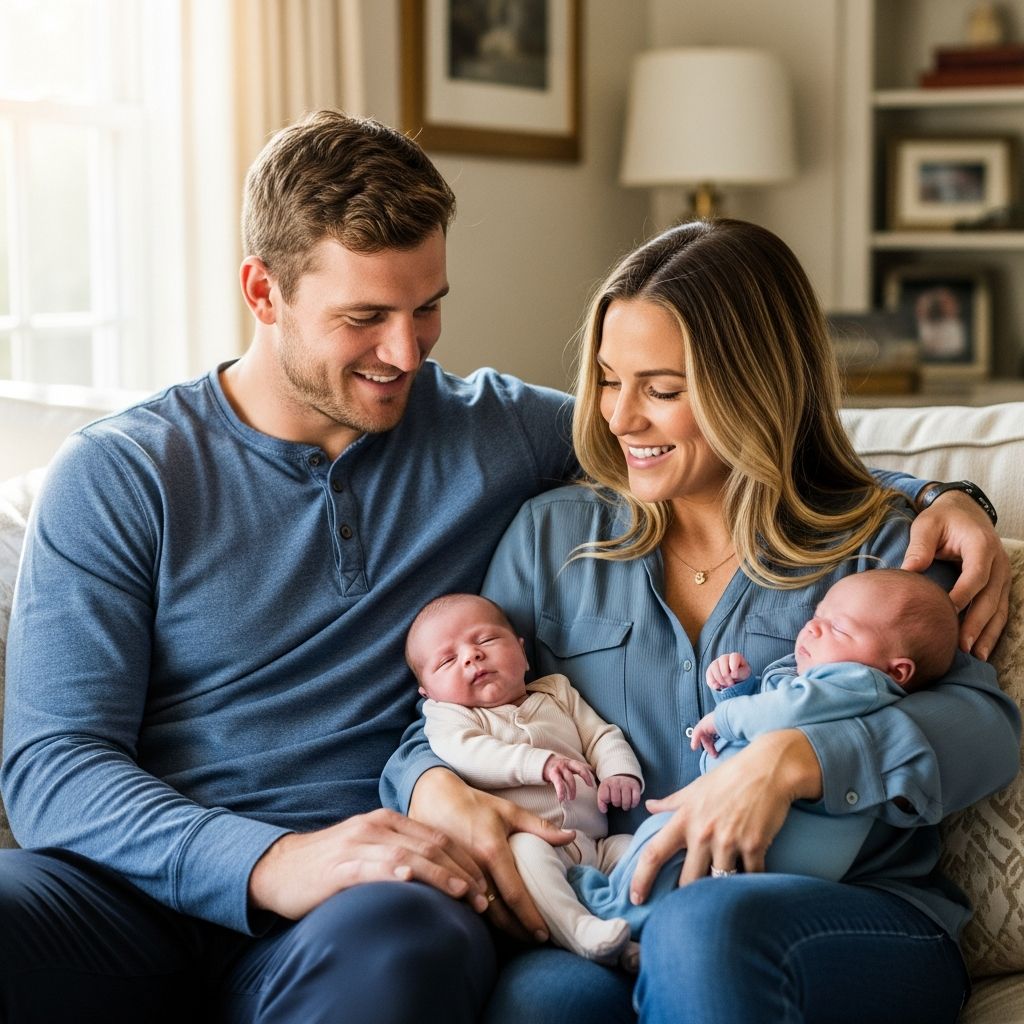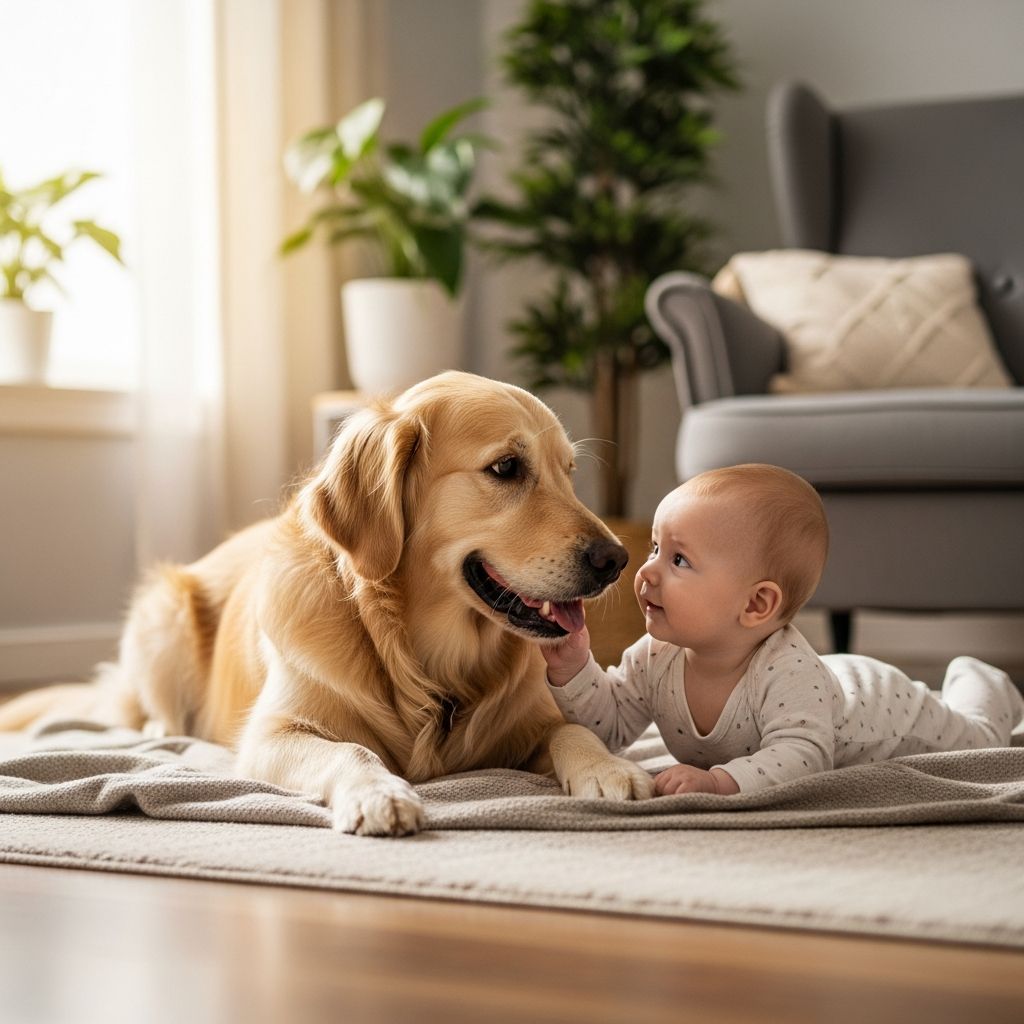
Welcoming a newborn into a home with a dog requires thoughtful planning to foster a positive relationship from the start. Proper preparation helps prevent stress for both the pet and the infant, promoting a secure environment where they can coexist peacefully. This guide outlines comprehensive strategies drawn from veterinary and behavioral experts to make the transition smooth.
Begin Preparations Months Before Arrival
Start adjusting your dog’s routine well in advance of the baby’s due date to minimize disruptions. Gradually introduce changes to the household environment, such as setting up the nursery, to help your dog acclimate without feeling displaced.
- Establish new boundaries early, like restricting access to the baby’s room using gates or doors.
- Update your dog’s health checkups, ensuring vaccinations are current and overall wellness is optimal before the baby arrives.
- Modify sleeping and lap privileges; if your dog shares the bed, transition them to a floor bed nearby to prepare for limited space.
These steps reduce anxiety by signaling that the home structure is evolving predictably. Consistency reinforces that the dog remains valued while new priorities emerge.
Simulate Baby Presence with Training Tools
Desensitize your dog to infant sounds, smells, and sights using realistic props. Play recordings of baby cries at low volumes, gradually increasing intensity while rewarding calm responses with treats or praise.
- Use a life-sized doll to mimic baby movements; teach commands like ‘sit’ and ‘stay’ around it, only permitting investigation when composed.
- Bring home hospital-scented items like blankets for your dog to sniff under supervision, associating the aroma with positivity.
- Practice daily routines, such as feeding or walking, while incorporating doll props to normalize baby-inclusive activities.
Positive reinforcement during these sessions builds associations between baby elements and rewards, encouraging gentle behavior long-term.
Plan the Homecoming Introduction Carefully
The first meeting sets the tone, so orchestrate it in a controlled manner. Have a helper carry the baby in a car seat or arms while you greet the dog first to address their excitement.
- Choose a quiet room; keep the dog on a loose leash held by a second adult to maintain gentle control without tension.
- Position the baby at a distance initially, allowing gradual approach only if the dog remains relaxed; speak softly to convey calm.
- Limit sniffing to brief moments, intervening calmly if overexcited, and reward composure with treats.
Remain neutral and composed—dogs mirror human energy. Avoid forcing proximity; end positively even if short.
Recognize and Address Warning Signals
Monitor your dog’s body language closely to interpret reactions accurately. Signs of discomfort include stiff posture, lip licking, yawning, or avoidance, indicating a need to pause interactions.
| Positive Signals | Concern Signals |
|---|---|
| Relaxed ears, soft gaze, wagging tail | Stiff body, staring, raised hackles |
| Play bows, gentle sniffing | Whining, growling, lunging |
| Calm lying down nearby | Obsessive following or prey-like fixation |
If predatory cues appear, such as intense staring or chasing instincts, separate immediately and consult a veterinarian promptly. Early intervention prevents escalation.
Establish Daily Routines Post-Arrival
Integrate your dog into baby-centered life without neglect. Maintain exercise and play schedules, involving the baby indirectly to strengthen bonds.
- Provide long-lasting chews or toys during baby feedings, linking the infant’s presence to enjoyment.
- Include the dog in stroller walks, leashed at a safe distance, rewarding parallel calm behavior.
- Secure hazardous items like lotions or diapers out of reach, as ingestion risks toxicity.
Daily attention prevents resentment, while structured inclusion promotes harmony.
Implement Unwavering Safety Protocols
Supervision is non-negotiable—never leave dog and awake or sleeping baby unattended, regardless of prior good behavior. Use gates for nursery access and baby gates as positive training tools.
- Opt for flat collars over prong or choke types to avoid injury during restraint.
- Delay close physical contact until toddlerhood for many dogs, prioritizing visual familiarity first.
- Employ calming aids like pheromone diffusers during high-visitor periods.
These measures safeguard against unpredictable accidents, even from well-meaning pets.
Long-Term Harmony Building Strategies
Beyond initial weeks, nurture ongoing positive interactions through training refreshers and family involvement. Teach children gentle handling as they grow, always supervised.
Enroll in professional classes if challenges arise, focusing on canine good citizen programs adapted for baby households. Regular vet visits monitor stress levels, adjusting as family dynamics shift.
Common Challenges and Solutions
| Challenge | Solution |
|---|---|
| Dog jumping or licking excessively | Train ‘off’ command; redirect with toys, limit access |
| Jealousy or attention-seeking | Maintain routines, quality one-on-one time daily |
| Fearful avoidance | Slow desensitization with rewards, no forcing |
| High energy overwhelming baby | Increase exercise pre-baby time, crate training |
Addressing issues proactively sustains safety and affection.
Frequently Asked Questions
What if my dog shows prey drive toward the baby?
Separate immediately, consult a vet or behaviorist; constant separation may be needed initially.
Can I ever leave them alone together?
No, full supervision is required indefinitely when baby is unsupervised.
How long does adjustment take?
Weeks to months; patience and consistency are key.
Is crate training helpful?
Yes, provides a secure retreat space exclusively for the dog.
What about multiple dogs?
Introduce sequentially, monitor group dynamics closely.
References
- Baby and Dog Introductions — UC Davis School of Veterinary Medicine. 2023. https://www.vetmed.ucdavis.edu/sites/g/files/dgvnsk491/files/inline-files/Babies_and_dogs.pdf
- Dog Meets Baby Founder’s Tips for Introducing a Dog to a Newborn — Dog Meets Baby. 2024. https://www.dogmeetsbaby.expert/post/dog-meets-baby-founders-tips-for-introducing-a-dog-to-a-newborn
- Expecting Baby: What You Need to Know If You Have a Pet — Northeast Animal Hospital. 2024. https://northeastanimalhospital.com/news/expecting-baby-what-you-need-know-if-you-have-pet
- How to Safely Introduce Dog to Newborn — Humane Society Silicon Valley. 2023. https://hsslc.org/safely-introduce-dog-to-newborn/
- Preparing Your Pet for a New Baby — Animal Humane Society. 2024. https://www.animalhumanesociety.org/resource/preparing-your-pet-new-baby