Many new mothers face challenges in maintaining adequate breast milk production, especially when relying on pumping. Understanding how to optimize pumping sessions can signal the body to produce more milk, mimicking a baby’s natural feeding patterns. This guide explores evidence-based approaches to enhance lactation through targeted pumping methods, equipment selection, and complementary practices.
Understanding Milk Supply Dynamics
Breast milk production operates on a supply-and-demand principle. Frequent and effective removal of milk tells the body to generate more, preventing engorgement and stimulating prolactin, the key hormone for lactation. Pumping replicates this demand, particularly useful for mothers separated from their babies or those with latch difficulties.
Initially, colostrum transitions to mature milk around days 3-5 postpartum. Consistent pumping from early days establishes a robust supply. Factors like stress, dehydration, or improper technique can hinder output, but targeted adjustments often yield noticeable improvements within days.
Optimal Pumping Schedules for Maximum Yield
Frequency trumps duration in building supply. Aim for 8-12 sessions daily, spaced every 2-3 hours during the day and including at least one nighttime pump when prolactin peaks.
- Pump every 2 hours for 15 minutes per breast during a 48-72 hour boost period, then resume normal routine.
- Incorporate nighttime sessions; even brief pumps upon waking maintain momentum.
- Short, frequent bursts—such as 10 minutes on, 10 off for an hour—simulate cluster feeding effectively.
Power pumping, a popular cluster-pumping variant, involves one intensive hour daily: pump 10-20 minutes, rest 10 minutes, repeat for 60 minutes total. Perform this in lower-supply afternoons for best results, continuing 4-5 days to observe gains.
Selecting the Right Breast Pump
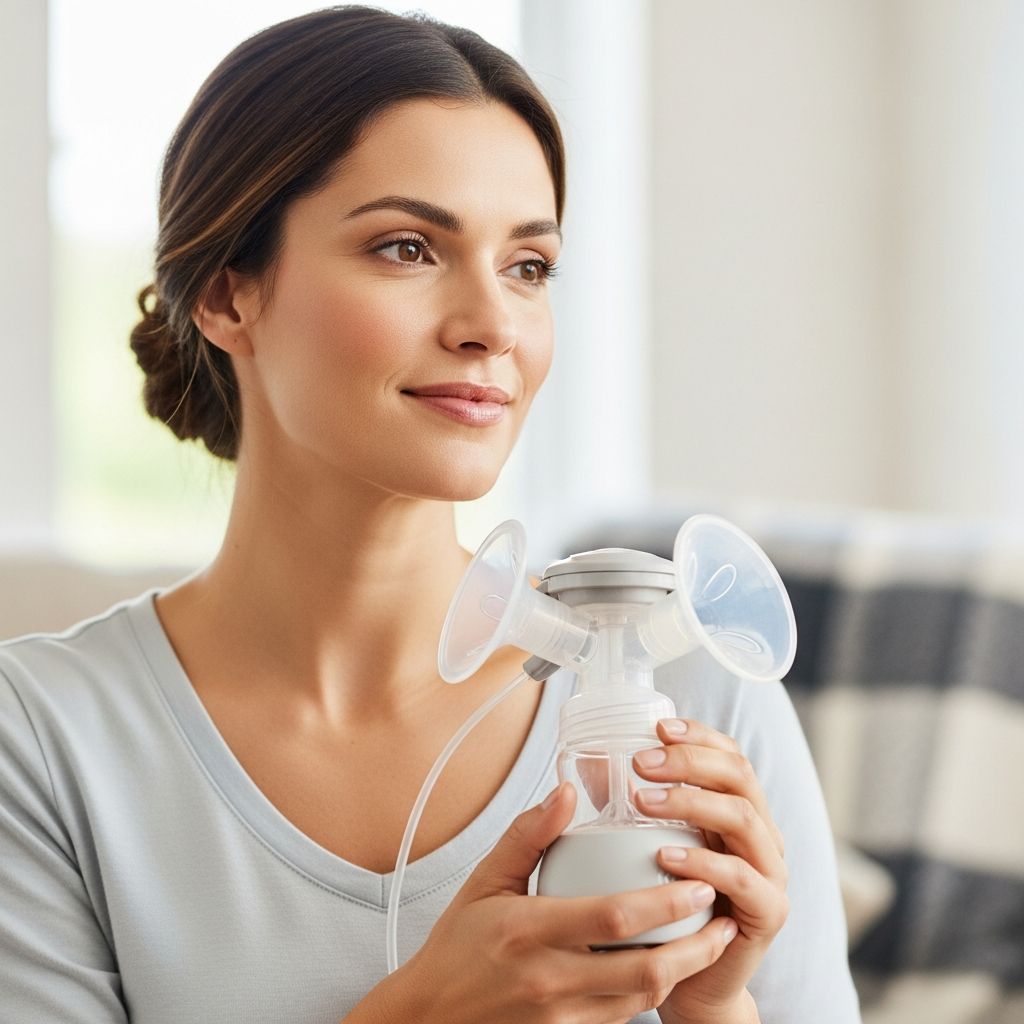
Equipment quality directly impacts efficiency. Hospital-grade double electric pumps extract more milk faster by simultaneously draining both breasts, outperforming manual or single-side models.
| Pump Type | Pros | Cons | Best For |
|---|---|---|---|
| Double Electric | Fast, efficient, mimics baby suckling | Higher cost | Building supply, daily use |
| Single Electric | Affordable | Slower, one breast at a time | Occasional pumping |
| Manual | Portable, no power needed | Time-intensive, less output | Travel, supplements |
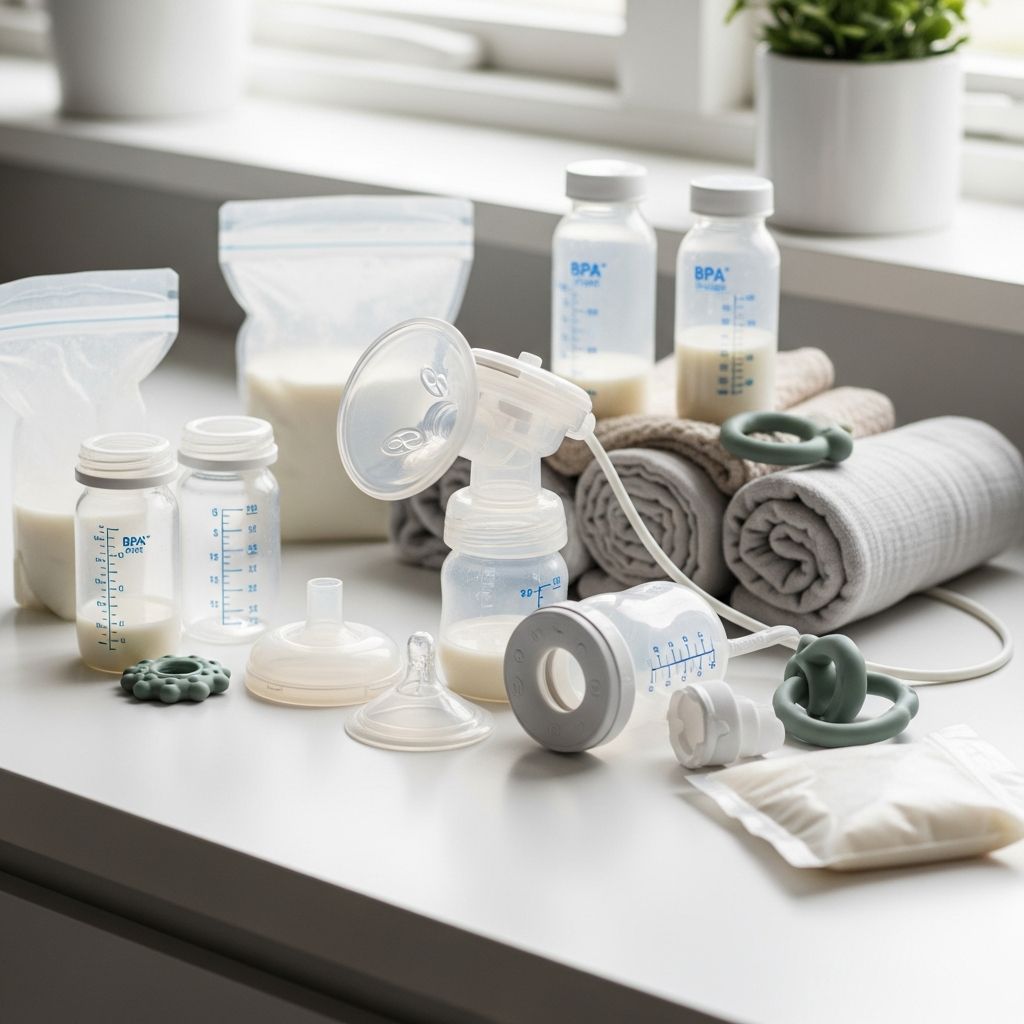
Ensure proper fit: flanges should match nipple size to avoid damage. Test suction levels—higher isn’t better; medium settings with cycles prevent nipple trauma. Initiation pumps with baby-like patterns aid early production.
Hands-On Techniques to Enhance Expression
Combine pumping with manual methods for 20-50% more yield. Hands-on pumping integrates massage, compression, and expression over 25-30 minutes.
- Warm compresses or gentle massage from chest walls inward for 2-5 minutes to stimulate ducts.
- Position flanges correctly, start pump on low.
- During flow, use thumb and fingers to compress breast tissue in a ‘C-hold,’ rolling toward nipple.
- Switch compression areas; hand-express droplets post-pump.
- End with cool compresses if engorged.
Breast compression mid-session maintains flow when letdown slows, ensuring thorough emptying.
Lifestyle Factors Supporting Lactation
Hydration and nutrition fuel milk synthesis. Drink to thirst—aim for 13-16 cups daily, sipping during pumps.
- Prioritize protein-rich foods: oats, nuts, lean meats, eggs.
- Galactagogues like fenugreek or blessed thistle may help, but consult professionals.
- Sleep when possible; rest boosts hormones.
- Reduce stress via deep breathing or visualization of milk flowing freely.
Skin-to-skin contact post-feed or pump raises oxytocin for better letdown.
Common Pitfalls and Troubleshooting
Avoid these to prevent setbacks:
- Overly high suction: Causes pain, reduces long-term supply.
- Skipping nights: Lowers prolactin; pump 1-2 times.
- Poor storage: Milk lasts 4 days fridge, 6 months freezer; thaw properly.
- Ignoring signs: Track output, baby weight; consult if under 2-3 oz/session.
If supply dips, reassess latch/pump fit first. Persistent issues warrant lactation consultant evaluation.
Power Pumping: A Deeper Dive
This technique mimics cluster feeding, where babies nurse frequently in short bursts. One daily session tricks breasts into overproducing.
Step-by-Step:
- Choose afternoon/evening.
- Pump 10 min, rest 10 min (massage/hydrate), pump 10 min, rest 10 min, pump 10-15 min.
- Expect little initial extra milk; consistency builds supply over days.
Combine with hands for amplified effect.
Monitoring Progress and When to Seek Help
Expect 2-3 day upticks with diligence. Track ounces, baby diapers (6+ wet daily), weight gain (5-7 oz/week).
Red flags: fewer than 8 sessions/day, pain, blood in milk—see IBCLC promptly. Services like milk labs offer tailored support.
Frequently Asked Questions
Can pumping alone build a full supply?
Yes, with 8-12 daily sessions using proper technique, many exclusively pump successfully.
How long until I see results?
Often 2-3 days of increased frequency; power pumping shows gains in 4-5 days.
Does diet really matter?
Hydration and calories sustain production; no single food dramatically boosts, but balanced intake helps.
Is a cheap pump okay?
No, invest in double electric for efficiency; poor pumps hinder supply.
What if baby won’t latch?
Pump after attempted feeds; skin-to-skin encourages nursing while maintaining supply.
References
- Tips to Increase Milk Supply When Pumping — Children’s Health. 2023. https://www.childrens.com/health-wellness/how-to-increase-milk-supply-when-pumping
- Breastfeeding: Tips to Increase Your Milk Supply — University Hospitals. 2024. https://www.uhhospitals.org/services/obgyn-womens-health/patient-resources/pregnancy-resources/breastfeeding-guide/breastfeeding-tips-to-increase-your-milk-supply
- Too little breast milk? How to increase low milk supply — Medela. 2023. https://www.medela.com/en-us/breastfeeding-pumping/articles/breastfeeding-challenges/too-little-breast-milk-how-to-increase-low-milk-supply
- How to increase your milk supply — La Leche League GB. 2024. https://laleche.org.uk/how-to-increase-your-milk-supply/
- Maximizing Milk Production with Hands-On Pumping — Stanford Medicine. 2022. https://med.stanford.edu/newborns/professional-education/breastfeeding/maximizing-milk-production.html
- How to Increase Breast Milk Supply — Cincinnati Children’s Hospital. 2023. https://www.cincinnatichildrens.org/health/b/breast-milk-increase-supply
- Increasing your supply — Australian Breastfeeding Association. 2024. https://www.breastfeeding.asn.au/resources/increasing-supply