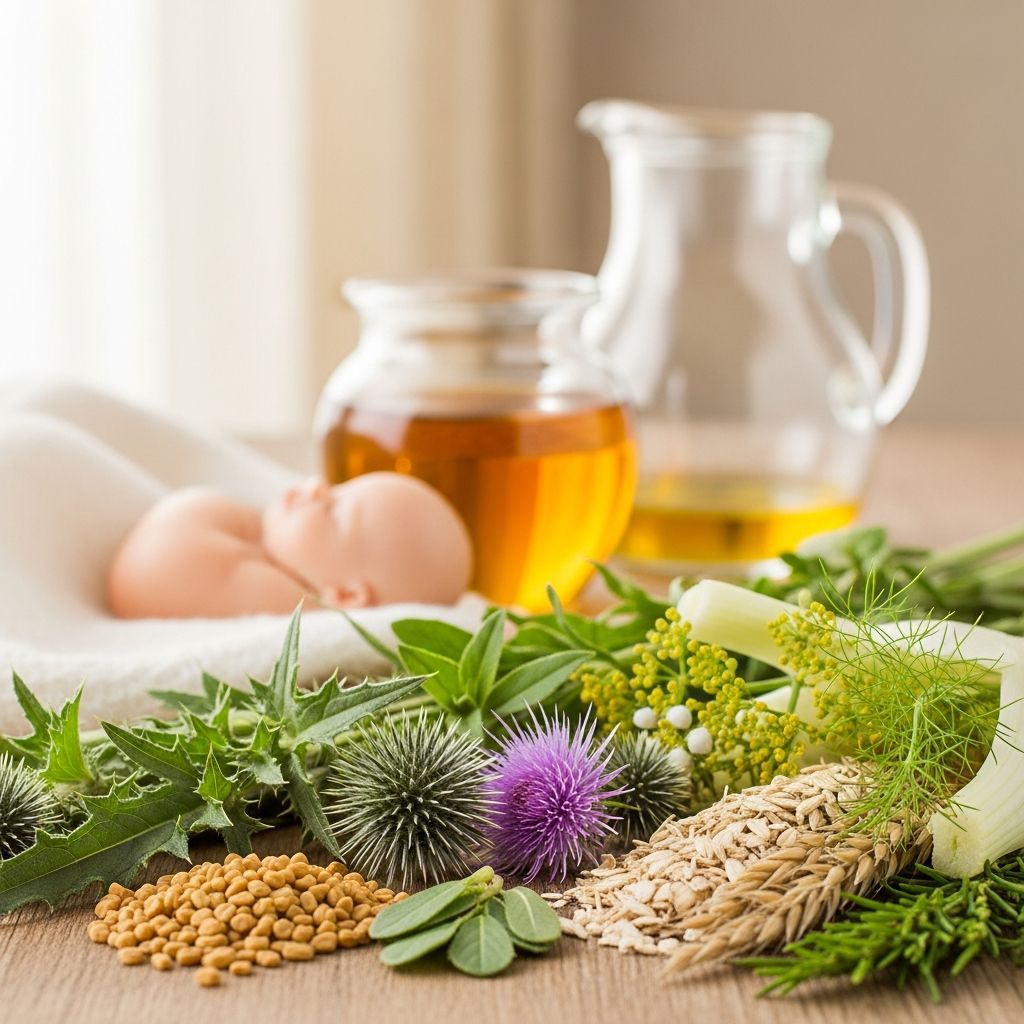
Breast milk production depends on multiple interconnected factors, including infant demand, maternal nutrition, hydration, and overall wellness. Many mothers seek natural methods to optimize their milk supply without pharmaceutical interventions. Understanding the physiological basis of lactation and implementing evidence-supported strategies can help mothers achieve their breastfeeding goals.
The Foundation: Frequent Nursing and Breast Emptying
The primary driver of milk production is regular breast emptying through frequent nursing sessions. Supply follows demand in the lactation process—the more milk removed from the breast, the more the body produces to replenish it. Experts recommend nursing at least eight times daily during the first several months to establish and maintain an adequate supply. This frequent stimulation signals the body to continue producing milk at the necessary volume.
During each feeding session, offering both breasts ensures complete drainage and maximizes stimulation of milk-producing tissues. Mothers can further enhance milk flow by gently massaging the breasts before and during nursing, which helps mobilize milk and encourages thorough emptying. Breast compression—gently squeezing the breast with a free hand when the infant’s sucking slows—can extend feeding duration and increase milk transfer to the baby.
Nutritional Foundations for Lactation
Maternal diet directly influences both milk quality and production capacity. The body requires additional calories, protein, and various micronutrients to sustain milk production. Healthcare providers typically recommend increasing daily caloric intake by approximately 500 calories during breastfeeding. These additional calories should come from nutrient-dense foods rather than empty calories.
Adequate protein consumption supports tissue repair, hormone production, and the protein content of breast milk itself. Healthy fats provide essential fatty acids crucial for infant brain development and also increase the energy density of milk. Fiber-rich carbohydrates offer sustained energy without blood sugar spikes, helping mothers maintain the stamina required for frequent nursing.
Key Nutrients for Milk Production
- Iron: Essential for energy production and preventing postpartum anemia, which can compromise milk supply
- Calcium and magnesium: Support nerve function, muscle contraction, and overall metabolic processes
- B vitamins: Critical for energy metabolism and stress management during the demanding postpartum period
- Zinc: Supports immune function and tissue healing for both mother and infant
- Omega-3 fatty acids: Contribute to infant neurological development and maternal cardiovascular health
Galactagogue Foods: Nutritional Support for Supply
Galactagogues are foods and herbs traditionally and scientifically associated with enhanced milk production. These substances work through various mechanisms, including hormone modulation, nutrient provision, and direct stimulation of lactation tissues.
Whole Grains and Legumes
Whole grains form the foundation of a lactation-supporting diet. Oatmeal stands out as particularly beneficial due to its high iron content, which combats fatigue and supports energy production. The slow-digesting carbohydrates in oats provide sustained energy, while soluble fiber promotes digestive health and satiety. Mothers can incorporate oatmeal into their diet through hot cereals, granola bars, or baked goods.
Barley contains beta-glucan, a compound that raises prolactin levels—the hormone responsible for stimulating milk production. Quinoa, brown rice, and other whole grains provide complete or complementary proteins along with B vitamins. Legumes including chickpeas, lentils, and beans offer plant-based protein, fiber, and micronutrients essential for sustained lactation.
Nutrient-Dense Vegetables
Dark leafy greens deserve particular emphasis in a lactation diet. Spinach and other dark vegetables contain phytoestrogens—plant compounds that mimic estrogen in the body and support milk production. These vegetables also provide bioavailable iron, calcium, folate, and vitamin K. Fennel root, beetroot, carrots, and sweet potatoes each contribute unique nutritional profiles supporting lactation.
Protein Sources
High-quality protein is essential for milk production. Chicken and turkey provide lean, complete proteins with essential amino acids. However, mothers should avoid preparations using sage, which may inhibit milk production. Nuts and seeds offer protein alongside healthy fats and minerals—almonds, walnuts, cashews, and pistachios can be consumed as snacks or incorporated into meals. Sesame seeds, flaxseeds, pumpkin seeds, chia seeds, and hemp seeds provide both protein and minerals while offering omega-3 fatty acids.
Fruits and Other Foods
Certain fruits support lactation through specific nutrient profiles. Dates, figs, apricots, and papaya contain minerals and phytonutrients associated with milk production. Green papayas specifically contain phytochemicals and enzymes supporting breast health while offering mild relaxation benefits. Brewer’s yeast represents a nutritional powerhouse containing chromium, selenium, iron, and B-vitamins in concentrated amounts. It can be added to baked goods or taken as a supplement.
Herbal Support for Enhanced Production
Herbal galactagogues have been used across cultures for centuries and are increasingly supported by modern research. These herbs can stimulate milk production and may increase supply within as little as 24 hours when combined with frequent nursing.
Prominent Herbal Remedies
Fenugreek ranks among the most researched herbal lactation aids. Rich in phytoestrogens, it restores hormonal balance and increases milk supply in some studies. The standard recommendation is not to exceed 3,500 milligrams daily. However, mothers with heart disease, type 2 diabetes, or nut allergies should consult healthcare providers before use.
Blessed thistle has traditionally supported lactation and overall breast health for generations. Fennel promotes milk production while also aiding digestion and soothing colic in infants. Consuming 3-6 cups of fennel-infused beverages daily may provide measurable benefits.
Chamomile offers multiple benefits: it calms maternal anxiety, promotes restful sleep essential for milk production, soothes colicky infants, and supports milk flow. Alfalfa provides concentrated nutrition including fiber, protein, vitamins A and C, and minerals that sustain energy and enhance milk quality.
Oatstraw contains high magnesium levels, essential for countless bodily functions and lactation support. Raspberry leaf supplies minerals including calcium, iron, and magnesium while supporting postpartum recovery and increasing breast milk production. Its nutrients also help prevent postpartum anemia and promote relaxation.
Additional herbal options include moringa (malunggay), galega (goat’s rue), and shatavari, which can be purchased without prescription and used under professional guidance.
Methods of Herbal Administration
Herbs can be consumed in multiple forms depending on preference and lifestyle. Teas remain the most accessible method—mothers can steep dried herbs in hot water for 10-15 minutes and consume 3-6 cups daily depending on the herb. Tinctures offer concentrated forms but may contain alcohol, which some prefer to avoid during nursing.
Alcohol-free alternatives include oxymels (herbal vinegars) and glycerites (glycerin-based preparations). Capsules and supplements provide convenience for mothers with limited time. Culinary incorporation allows mothers to add fenugreek and fennel to curries, rice dishes, and daals for both flavor and lactation support.
Hydration and Its Critical Role
Breast milk consists primarily of water—approximately 88 percent. Maternal dehydration directly reduces milk volume and can compromise supply within hours. Nursing mothers should prioritize consistent hydration throughout the day, aiming for plenty of filtered water. A practical approach involves drinking a glass of water each time the baby nurses, ensuring that fluid intake matches the body’s demands.
Individual hydration needs vary based on climate, activity level, and overall health, but most nursing mothers benefit from exceeding the standard eight-glasses-per-day recommendation. Signs of adequate hydration include pale urine color and consistent energy levels.
Stress Reduction and Sleep Optimization
The postpartum period involves significant stress on the maternal body and mind. Elevated cortisol levels from stress can inhibit prolactin production and reduce milk supply. Mothers should implement stress-reduction practices including relaxation techniques, meditation, deep breathing exercises, and gentle movement.
Sleep deprivation compounds stress hormones and impairs lactation. While newborn care makes eight-hour sleep blocks impossible, mothers should aim to sleep when the baby sleeps and maintain consistent rest patterns. Many herbal remedies mentioned earlier, particularly chamomile, support restorative sleep essential for milk production.
Specialized Supplements for Specific Concerns
Sunflower lecithin addresses a specific lactation challenge: clogged milk ducts. This supplement works by making milk ducts “more slippery,” allowing milk to flow more easily and reducing the likelihood of blockages and mastitis. It proves particularly valuable for mothers experiencing recurring duct obstruction.
Regarding colostrum and lactation-specific supplements, scientific evidence on their effectiveness remains limited. Mothers concerned about supply should prioritize consultation with lactation professionals rather than relying solely on supplements without professional guidance.
Practical Implementation Strategy
Rather than attempting simultaneous implementation of all strategies, mothers benefit from gradual integration of evidence-based approaches. Begin with foundational practices: establishing frequent nursing (at least 8 times daily), ensuring proper latch and breast emptying, and increasing daily caloric intake by 500 calories through nutrient-dense foods.
Next, incorporate specific galactagogue foods into regular meals—adding oatmeal to breakfast, including leafy greens in lunch salads, and snacking on nuts and seeds throughout the day. Once dietary foundations are solid, consider adding one herbal remedy at a time, allowing observation of individual response before introducing additional herbs.
Maintain consistent hydration and prioritize stress management and sleep. These foundational elements often produce noticeable supply improvements within 3-7 days without additional interventions.
When to Seek Professional Support
While many supply concerns respond to natural strategies, persistent low supply warrants professional evaluation. Lactation consultants can assess latch quality, infant transfer of milk, and identify underlying physiological issues. The Academy of Breastfeeding Medicine provides evidence-based resources to guide both mothers and healthcare providers on supplements and medications that might address specific situations.
Medical conditions, medications, hormonal imbalances, and anatomical factors may limit supply despite optimal practices. Professional assessment ensures mothers receive appropriate individualized guidance rather than pursuing ineffective strategies.
Frequently Asked Questions
Q: How quickly can natural methods increase milk supply?
A: Foundational practices like frequent nursing and proper breast emptying can show results within days. Herbal remedies may increase supply within 24 hours when combined with optimal nursing practices. However, individual responses vary significantly based on underlying causes of low supply.
Q: Are herbs safe to use while breastfeeding?
A: Most galactagogue herbs are generally safe when used appropriately, but consultation with naturopathic doctors and pediatricians is recommended, particularly if the mother or baby has existing medical conditions or takes medications. Some herbs may interact with medications or contraindicate specific health conditions.
Q: Should I avoid certain foods while breastfeeding?
A: Unless a healthcare provider advises otherwise, mothers should continue consuming the foods they ate during pregnancy. There is no scientific basis for restricting foods to impact supply, though individual babies may react to specific maternal dietary components.
Q: Can supplements replace proper nursing technique?
A: No. Supplements work best when combined with frequent nursing (8+ times daily), proper latch, complete breast emptying, adequate nutrition, and hydration. Even the most effective supplements cannot compensate for inadequate milk removal or poor feeding mechanics.
Q: How much fenugreek is safe?
A: The recommended daily dose should not exceed 3,500 milligrams. Mothers should not use fenugreek if they have heart disease, type 2 diabetes, or nut allergies without medical clearance.
Q: What is the fastest way to increase milk supply?
A: Increasing nursing frequency to 8-12 times daily with proper breast emptying produces the most rapid results. Combining this with increased caloric intake, hydration, and stress reduction optimizes outcomes. Adding herbal galactagogues may provide additional benefit once nursing patterns are optimized.
References
- Herbal Support for Lactation: Boosting Milk Supply Naturally — American Association of Naturopathic Medicine. 2024. https://aanmc.org/naturopathic-treatment/herbal-lactation-support/
- 12 Super Foods For Lactation Aid — The Pediatric Center. 2024. https://pedcenter.com/breastfeeding/12-super-foods-for-lactation-aid/
- Herbs and Foods to Increase Your Breast Milk Supply — University of Washington Medicine. 2018. https://www.uwmedicine.org/
- Ways to Naturally Increase Your Breast Milk Supply — UnityPoint Health. 2024. https://www.unitypoint.org/news-and-articles/ways-to-naturally-increase-your-breast-milk-supply
- 5 Best and Worst Foods for Breast Milk Supply — Le Bonheur Children’s Hospital. 2024. https://www.lebonheur.org/blogs/practical-parenting/5-best-and-worst-foods-for-breast-milk-supply
- Breastfeeding: Tips to Increase Your Milk Supply — University Hospitals Cleveland Medical Center. 2024. https://www.uhhospitals.org/services/obgyn-womens-health/patient-resources/pregnancy-resources/breastfeeding-guide/breastfeeding-tips-to-increase-your-milk-supply
- How to Increase Breast Milk Supply — Cincinnati Children’s Hospital Medical Center. 2024. https://www.cincinnatichildrens.org/health/b/breast-milk-increase-supply