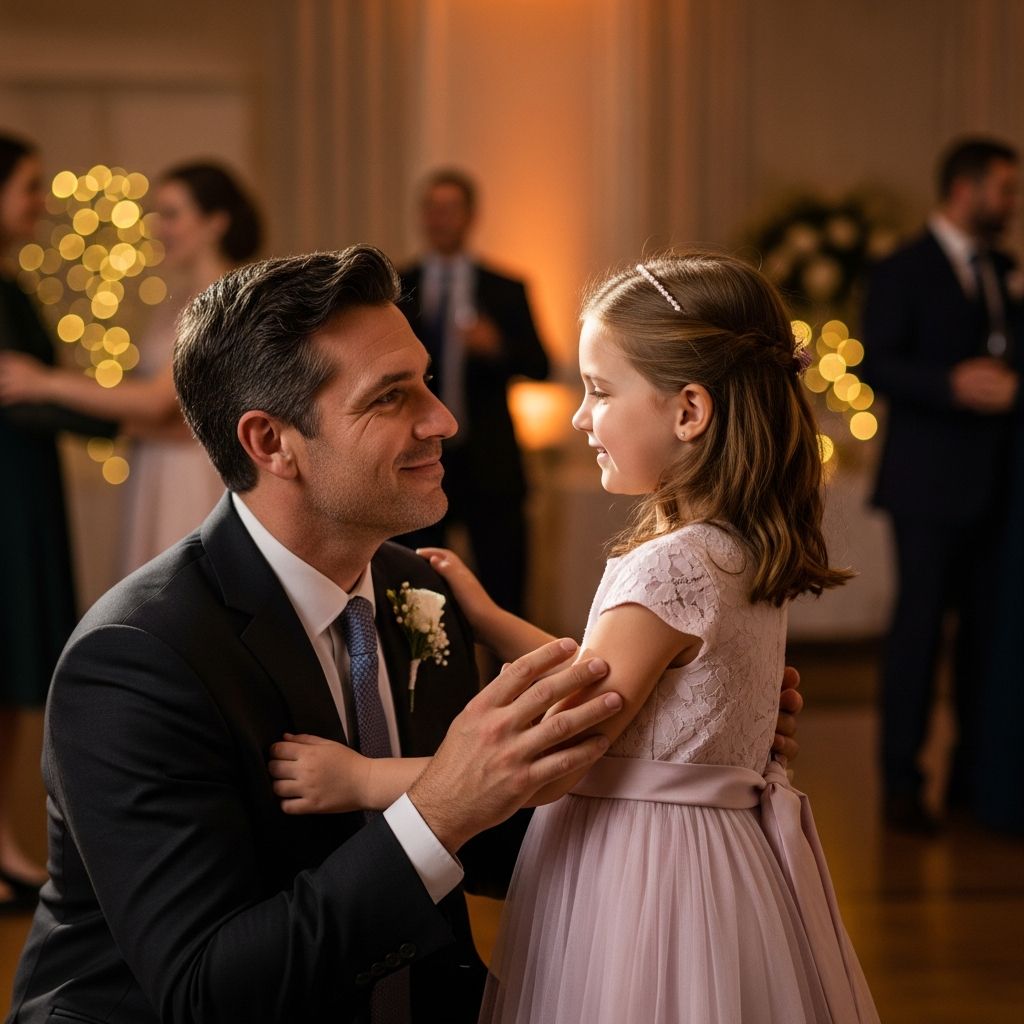
The father–daughter dance is one of the most emotional moments of a wedding, and it can feel especially complicated when a loving stepdad has also played a major role in the bride’s life. This guide explores thoughtful and practical ways to include a stepfather in that special moment while still honoring a biological dad and keeping the focus on love, gratitude, and family harmony.
Why This Moment Matters So Much
For many brides, the father–daughter dance represents years of memories, sacrifices, and emotional support that a father figure has provided. It is less about a perfect performance and more about publicly acknowledging a relationship that shaped the bride into who she is today. In blended families, more than one person may deserve that recognition, which can raise questions about fairness, timing, and emotions for everyone involved.
Stepdads who have stepped up as everyday parents often hope to feel included too, and being left out of this tradition can unintentionally cause hurt or confusion. Taking time to plan ahead and communicate clearly makes a big difference in turning a potentially tense situation into a beautiful display of family unity.
Understanding Roles in Blended Families
Before deciding how to structure the father–daughter dance, it helps to recognize that each parent’s role may be different but equally meaningful. A biological father might have known the bride from birth, while a stepdad may have supported her through key milestones like adolescence, school, and early adulthood. Both experiences can be valid and worthy of honor.
Instead of thinking in terms of competition or ranking, many brides find it helpful to see the dance as a chance to thank each father figure for the unique way he has contributed to her life. That mindset, communicated gently and clearly, often helps calm feelings of jealousy or insecurity on all sides.
Common Challenges Brides Face
- Worrying that one dad will feel hurt or excluded if the other is highlighted in the dance.
- Feeling pressure from family members to choose one person or handle the tradition a certain way.
- Managing complicated history, such as divorce, remarriage, or long periods of estrangement.
- Trying to balance personal wishes with practical constraints like reception timing or venue rules.
These challenges are normal, and feeling torn does not mean the bride loves one parent more or less. It simply reflects the emotional weight that this ritual carries and the desire to keep the day peaceful and joyful for everyone.
Options for Including a Stepdad in the Dance
There is no single right way to handle the father–daughter dance when a stepdad is involved. The best choice is the one that feels authentic to the bride–stepdad relationship and realistic for the wedding’s timing and tone.
1. Split One Dance Between Two Dads
One popular option is to start the dance with one dad and then switch to the other halfway through the song. The DJ can fade out the first section, announce the stepdad, and invite him to join the bride in the middle of the dance. This gives each father a spotlight moment while still keeping the tradition to a single song.
Some brides choose lyrics that feel especially meaningful to the first relationship for the opening portion, then switch to a different verse or even a second song that better reflects the bond with the stepdad. This approach works well when the biological father and stepdad both attend the wedding and can remain cordial on the dance floor.
2. Two Separate Father–Daughter Dances
Another option is to schedule two distinct dances: one with the bride’s father and another with her stepdad. These can be back-to-back or separated by another reception activity, depending on what feels more comfortable and natural. Using different songs for each dance highlights the individuality of each relationship.
Separate dances may work best when the relationships are strong and both dads are comfortable being in the spotlight. This arrangement also lets the bride mentally and emotionally focus on one parent at a time instead of feeling rushed or conflicted.
3. Walking Down the Aisle vs. Dancing
Some brides choose to honor a stepdad during the ceremony and a biological father during the reception, or vice versa. For example, a bride might walk down the aisle with her biological dad and then share the reception dance with her stepdad, or have both men escort her down the aisle and then dance only with one later.
This strategy can help separate the roles so that each man has at least one distinct, honored moment. It also spreads out the emotional weight of the day, making it easier for each parent to appreciate his part without directly comparing it to the other’s.
4. Group or Family Dance
For brides who want to reduce pressure on a shy dad or stepdad, a family dance can be a gentle alternative. After a brief traditional father–daughter moment, the DJ can invite additional family members to join on the floor, including stepparents, siblings, and possibly even the groom’s parents. Everyone is involved, and no one feels singled out.
This option works especially well for very blended families where there are multiple parents who helped raise the bride. It shifts the focus from any one relationship to the idea of a broader support system that guided her into adulthood.
Sample Structures for the Reception Timeline
To visualize the options, the table below summarizes a few common ways to structure the dances while including a stepdad in a meaningful way.
| Approach | Who Dances | Timing | Best For |
|---|---|---|---|
| Split Dance | Bride with dad, then stepdad | Single song, switch halfway | Balanced relationships and limited reception time |
| Two Full Dances | Bride with dad; bride with stepdad | Two songs back-to-back or separated in schedule | Brides who want distinct, unhurried moments with each |
| Ceremony/Reception Split | One escorts down aisle, the other shares dance | One spotlight in ceremony, one at reception | Managing complex history or tense relationships |
| Family Dance | Bride, dads, and other close family | Short solo start, then wider invitation | Shy parents or large blended families |
Choosing Music to Reflect Both Relationships
The song selected can send a powerful message, especially when more than one father figure is involved. Some brides pick a single neutral song about unconditional love, support, or growing up, which can apply to both men. Others choose two songs, each chosen specifically for the memories or private meaning tied to that relationship.
To avoid misunderstandings, it may help to explain briefly why each song was chosen, either through the DJ’s announcement or a note in the wedding program. Knowing that a song was picked thoughtfully for them can reassure each dad that he is seen and valued, rather than just filling a logistical role.
Navigating Emotions and Expectations
When stepfamilies and weddings mix, emotions often run high. A biological father might feel threatened by the idea of sharing or giving up part of the traditional father–daughter spotlight. A stepdad might worry that his years of care and effort will be minimized or overlooked during one of the biggest days of the bride’s life.
In these moments, clear, gentle communication is often more important than the exact dance schedule. Letting each man hear directly from the bride how much he means to her can prevent assumptions, resentment, or last-minute hurt on the wedding day.
How to Talk to Your Dad and Stepdad
- Schedule one-on-one conversations well before the wedding, when everyone is calm.
- Express gratitude first, emphasizing specific memories or ways they have been there for you.
- Explain your plan for the dance, making it clear that the goal is to honor everyone fairly, not to compare or rank them.
- Invite their input and listen respectfully, but remember that the final decision belongs to you and your partner.
Most dads respond better when they feel informed rather than blindsided. Even if someone disagrees with the plan, being included in the conversation ahead of time helps them prepare emotionally and show up in a supportive way.
Respecting the Stepdad’s Perspective
Stepfathers often walk a delicate line: They act as parents on a daily basis but may worry about overstepping or causing tension with a biological father. Being invited into an important tradition like the father–daughter dance can affirm that their love and effort have been noticed and deeply appreciated.
Sometimes, even a brief shared dance or a public thank-you in the reception speech is enough to make a stepdad feel seen. What matters most is the sincerity behind the gesture, not the amount of time spent on the dance floor.
Handling Complicated or Estranged Relationships
Not every bride has a positive bond with both her father and stepfather. In cases of estrangement, past hurt, or inconsistent involvement, including a particular parent in the dance can feel forced or unsafe. In those situations, the bride’s emotional well-being and boundaries must take priority over tradition.
Alternative choices include dancing only with the stepdad, inviting a grandfather, uncle, brother, or close family friend in place of a father, or skipping the father–daughter dance completely. Modern weddings increasingly reflect the reality that “family” can look many different ways, and there is no requirement to honor a relationship that has not been loving or supportive.
Managing Opinions from Other Relatives
Parents, grandparents, or extended relatives may have strong opinions about “how things should be done,” especially if they hold traditional views about marriage and family roles. While their feelings may come from a place of love or habit, they do not override the bride’s right to shape her own wedding experience.
When relatives push for a different arrangement, a simple, firm explanation can help: The couple has chosen a plan that feels most respectful to the relationships that truly matter, and that decision is final. Delegating a trusted sibling or wedding party member to gently redirect persistent questions can also preserve the bride’s peace on the day itself.
Practical Tips to Keep the Moment Smooth
- Rehearse the timing with the DJ so the switch between dads (if any) feels smooth and intentional.
- Let photographers and videographers know the plan so they can capture both relationships clearly.
- Keep each dance relatively short to maintain guests’ attention and prevent emotional overload.
- Have tissues or a small handkerchief handy for yourself and your dads—this is often a tearful moment.
Attention to small details can prevent awkward pauses or confusion during the reception. When everyone knows what to expect, the emotion of the moment can shine without being overshadowed by logistics.
Heartfelt Gesture Ideas Beyond the Dance
While the dance is a highly visible part of the reception, many brides also add quiet, private gestures to honor a stepdad. These can include a handwritten letter, a custom gift with an engraved message, or a brief mention of his support during the wedding toast. Such gestures often mean as much as the public recognition.
Some stepdads treasure symbolic acts like helping the bride with final touches before she walks down the aisle, sharing a private first look, or standing in a special family photo. Combined with the dance, these gestures weave a full picture of his place in her life, both in public and in private.
Frequently Asked Questions (FAQs)
Do I have to include my stepdad in the father–daughter dance?
No, there is no rule that requires including every parent or stepparent in the dance. The tradition exists to honor meaningful relationships, and you are free to choose the arrangement that reflects the reality of your life and emotional connections.
What if my dad and stepdad do not get along?
If there is tension between them, consider separate roles to avoid putting them side by side in a way that feels forced. You might have one man walk you down the aisle and the other share the main dance, or schedule two short dances at different points in the reception so they never have to interact directly in front of guests.
Is it disrespectful to split the dance between my dad and stepdad?
Splitting the dance can be a loving, balanced solution as long as both men understand your intentions. When you clearly explain that you want to honor them both, most fathers appreciate that you have made room for each of them in such an important tradition.
Can I dance only with my stepdad and not my biological father?
Yes. If your stepdad has been the primary father figure in your life and your biological father has been absent or unsupportive, it is completely valid to reserve the dance for the person who truly filled that role. Your wedding is not an obligation to repair or showcase relationships that have not been healthy.
What are some alternative ideas if I’m uncomfortable with a formal dance?
You can share a short, casual sway to a favorite song, invite other family members to join after a few seconds, or replace the whole tradition with another meaningful act, such as a toast, slideshow, or memory table. The goal is to express gratitude and connection, not to follow a script that does not fit you.
Making the Moment Truly Yours
In the end, the father–daughter dance is about honoring love, not following rigid rules. Whether you share the dance between your dad and stepdad, schedule two separate songs, or find an entirely different way to celebrate your relationships, what matters most is that you feel at peace with your choice.
When you design this moment with care, communicate honestly with both men, and stay grounded in gratitude, the father–daughter dance can become a powerful symbol of how your family—blended, imperfect, and deeply loved—has helped you arrive at this new chapter of your life.