Transitioning a child to sleeping alone marks a significant milestone in their development, promoting self-reliance and ensuring restorative rest for both parent and child. This process requires patience, consistency, and tailored strategies that respect the child’s emotional needs while establishing healthy sleep habits.
Understanding the Foundations of Solo Sleep
Independent sleep begins with recognizing that children, particularly toddlers and preschoolers, often rely on parental presence due to separation anxiety or unfamiliarity with bedtime processes. Building a sense of security transforms bedtime from a battleground into a calming ritual. Key to success is viewing sleep as a skill that develops over time, much like potty training or dressing oneself.
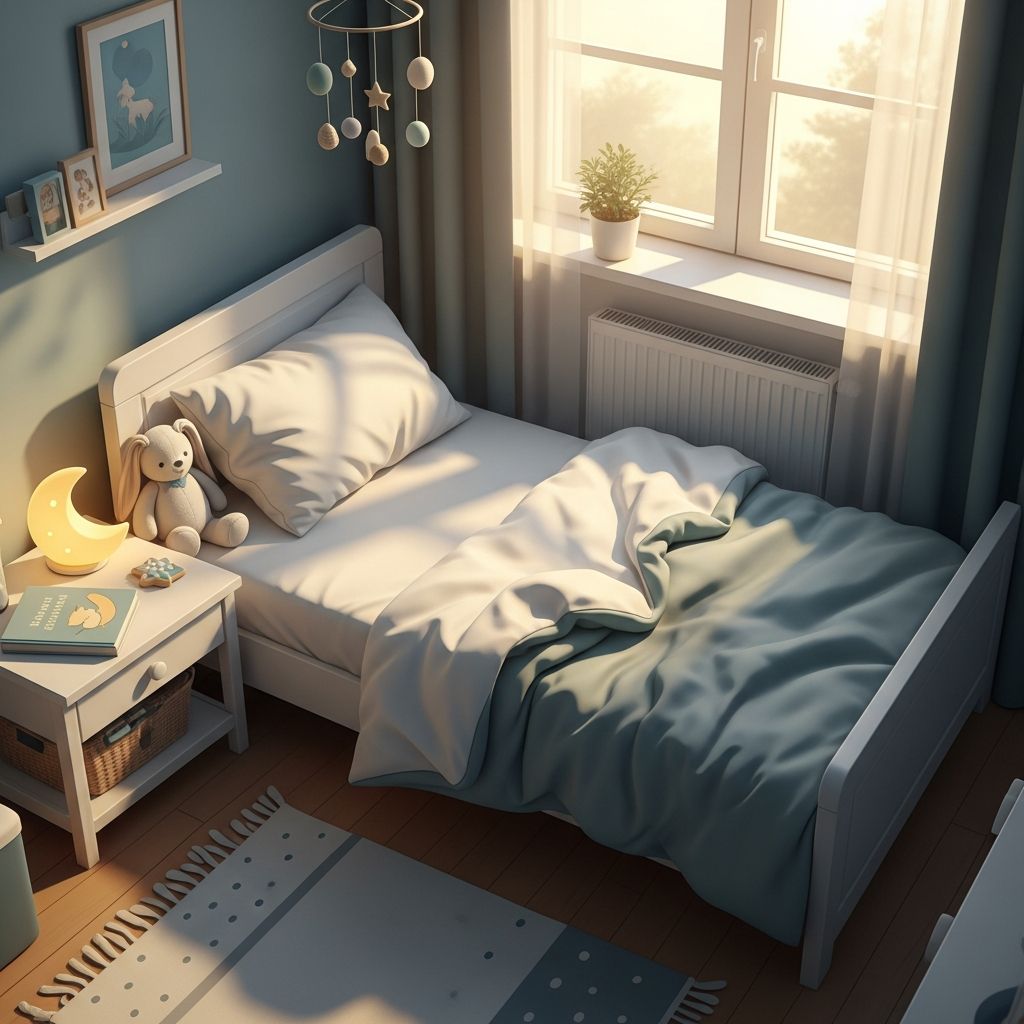
Research from pediatric sleep experts emphasizes that consistent environments signal safety, reducing nighttime fears. A conducive bedroom—dark, cool, and quiet—sets the stage, while avoiding screens an hour before bed prevents overstimulation from blue light, which disrupts melatonin production.
Designing a Calming Bedtime Framework
A predictable bedtime sequence cues the body for rest. Start 30-60 minutes before lights out with dimmed lighting and soothing activities. Essential elements include:
- Bath time: Warm water relaxes muscles and signals wind-down.
- Pajama ritual: Comfortable sleepwear reinforces the transition to rest mode.
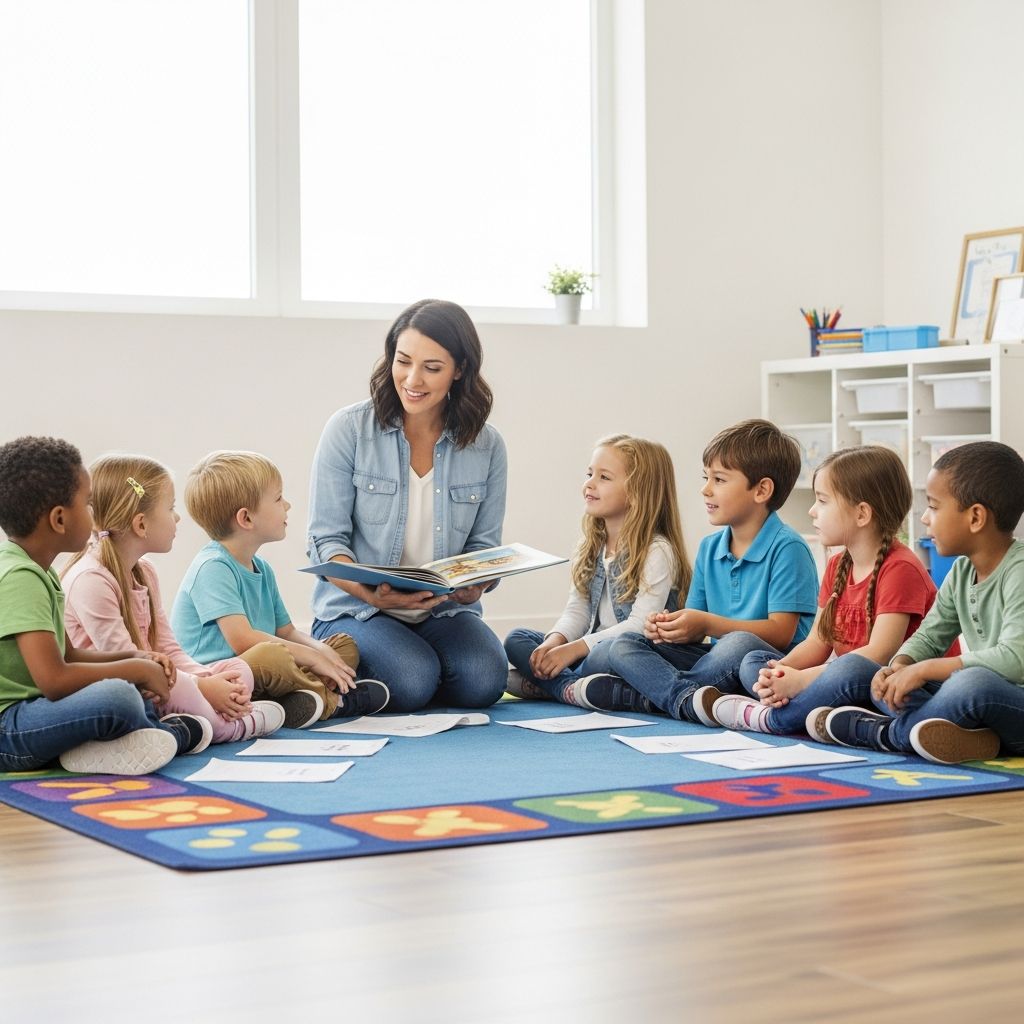
- Quiet reading: Storytime fosters bonding without excitement; choose books about sleep or adventures ending peacefully.
- Lullabies or soft talk: Gentle vocals lower heart rates.
Visual aids like picture charts depicting these steps empower children, especially those who thrive on predictability. For neurodiverse kids, such as those with autism, these tools reduce anxiety by outlining expectations clearly.
Optimizing the Sleep Environment
The bedroom should invite slumber. Blackout curtains block light, white noise machines mask disruptions, and a comfortable mattress supports growing bodies. Personalize with favorite stuffed animals as ‘sleep buddies’ for emotional comfort without parental intervention.
| Element | Recommendation | Benefit |
|---|---|---|
| Temperature | 68-72°F (20-22°C) | Prevents overheating, aids deeper sleep cycles |
| Lighting | Soft nightlight or none | Reduces fear of dark while minimizing stimulation |
| Noise | Consistent white noise | Mimics womb sounds, drowns household clamor |
| Bedding | Breathable fabrics, secure fitted sheets | Ensures safety and comfort |
Address sensory sensitivities by testing textures and sounds; some children benefit from weighted blankets under professional guidance.
Mastering Gradual Independence Techniques
Abrupt changes overwhelm; instead, employ fading methods. Begin by sitting beside the bed, offering verbal reassurance without touch. Over nights, shift farther: chair to doorway, then hallway checks.
- Night 1-3: Stay until drowsy, then exit quietly.
- Night 4-7: Sit silently, hands off, until asleep.
- Week 2: Move chair midway across room.
- Ongoing: Doorway presence, then periodic check-ins every 5-10 minutes.
This ‘camping out’ approach builds tolerance gradually. For resistant children, the ‘back-in-10’ method works: leave after tucking in, return after 10 minutes for brief praise, repeating as needed but shortening intervals over time.
Harnessing Positive Reinforcement
Celebrate progress to wire the brain for repetition. Sticker charts tracking ‘successful nights’ culminate in rewards like park outings. Morning high-fives and specific praise—’You stayed cozy all night!’—boost self-esteem.
- Use non-food rewards to avoid associations.
- Scale challenges: start with staying in bed, advance to self-settling.
- For toddlers, involve them in chart design for ownership.
Positive loops reinforce neural pathways for independent sleep, typically solidifying in 3-4 weeks with consistency.
Navigating Night Wakings Calmly
Wake-ups test resolve. Respond minimally: guide back to bed with neutral tone, no play or lights. Reassure briefly—’Time to sleep, eyes closed’—then exit. Consistency prevents escalation; if cries persist, check for needs like water or bathroom first.
For fear-driven wakings, daytime discussions normalize shadows or noises: ‘Monsters aren’t real; your room is safe.’ Role-play with dolls demonstrates brave sleeping.
Tailoring Strategies for Special Needs
Children with autism or anxiety require adaptations. Social stories illustrate ‘My Bedtime Adventure,’ detailing solo sleep triumphs. Self-soothing tools like deep breathing—inhale teddy’s belly, exhale slowly—or squeeze balls teach regulation.
Involve therapists for persistent issues; cognitive behavioral strategies for insomnia (CBT-I) adapted for kids yield high success rates per clinical guidelines.
Daytime Preparation for Nighttime Success
Bedtime mirrors daily rhythms. Ample physical play—outdoor romps, roughhousing—expends energy, while Special Time (15 undivided minutes) fills emotional cups, curbing nighttime clinginess. Limit naps to 1-2 hours early afternoon to preserve night drive.
Common Hurdles and Solutions
Resistance peaks: Stay firm yet empathetic; listen to feelings during protests—’I hear you’re scared; let’s snuggle extra tomorrow.’
Regression: Illness or travel disrupts; recommit gently without punishment.
Partner misalignment: Align on plan beforehand; tag-team shifts prevent confusion.
Track progress in a journal to spot patterns and celebrate wins.
Long-Term Benefits of Independent Sleep
Solo sleepers exhibit better emotional regulation, focus, and family harmony. Parents reclaim evenings; children gain confidence spilling into daytime achievements. Longitudinal studies link early sleep independence to academic prowess and resilience.
Frequently Asked Questions
What age is ideal to start sleep training?
Most experts recommend 6-12 months for healthy infants, extending to toddlers with adjusted gentle methods. Consult pediatricians for individualized timing.
How long does it take to see results?
Typically 3-14 days for basics, up to 4 weeks for mastery, varying by child temperament and consistency.
What if my child has night terrors?
Differentiate from fears; comfort without full wake-up. Maintain routine; track triggers like overtiredness.
Is crying through it okay?
Controlled, check-in methods minimize distress; responsive parenting ensures felt security.
Can I use this for school-age kids?
Yes, adapt with more dialogue and choices; address underlying anxieties like school stress.
References
- Sleep and Your 1- to 2-Year-Old — American Academy of Pediatrics. 2023-05-15. https://www.healthychildren.org/English/ages-stages/toddler/sleep/Pages/default.aspx
- Behavioral Treatment of Pediatric Sleep Disturbances — National Center for Biotechnology Information (PubMed). 2022-10-20. https://www.ncbi.nlm.nih.gov/pmc/articles/PMC6353397/
- Helping Children with Autism Learn to Sleep Independently — Centers for Disease Control and Prevention (Autism Resources). 2024-03-12. https://www.cdc.gov/ncbddd/autism/treatment/sleep.html
- Pediatric Sleep Guidelines — American Academy of Sleep Medicine. 2023-11-08. https://aasm.org/clinical-resources/practice-standards/practice-guidelines/
- Insomnia and Behavioral Sleep Problems in Children — World Health Organization (Child Health). 2022-07-19. https://www.who.int/publications/i/item/9789240051880