When a baby joins the family, life changes for everyone, but the shift can feel especially big for a toddler. They are still very young, deeply attached to their caregivers, and suddenly asked to share time, space, and attention. This article explores practical, kind, and age-appropriate ways to help toddlers feel secure and even excited about becoming an older sibling.
Why Toddlers Struggle With a New Sibling
Toddlers live in the moment and understand the world mostly through their own experience. When a new baby arrives, it can feel like their familiar world has been rearranged overnight. They may see more visitors, more noise, and a parent whose arms are suddenly full of someone else.
Common reactions include clinginess, sleep disruptions, toilet training setbacks, or acting “younger” again. None of this means your toddler is unkind or will never love the baby; it is simply how a young child shows confusion, worry, and a strong need for reassurance.
Core Goals for Parents
Before talking about specific tactics, it helps to keep a few big goals in mind. These are the themes that can guide decisions, even on the most tired days.
- Help your toddler feel safe and loved, even as routines shift.
- Give your child simple, honest information about what is happening.
- Create chances for your toddler and baby to connect in gentle, positive ways.
- Protect your own energy where you can, because calmer adults make transitions easier for everyone.
Using Story Time to Talk About Babies
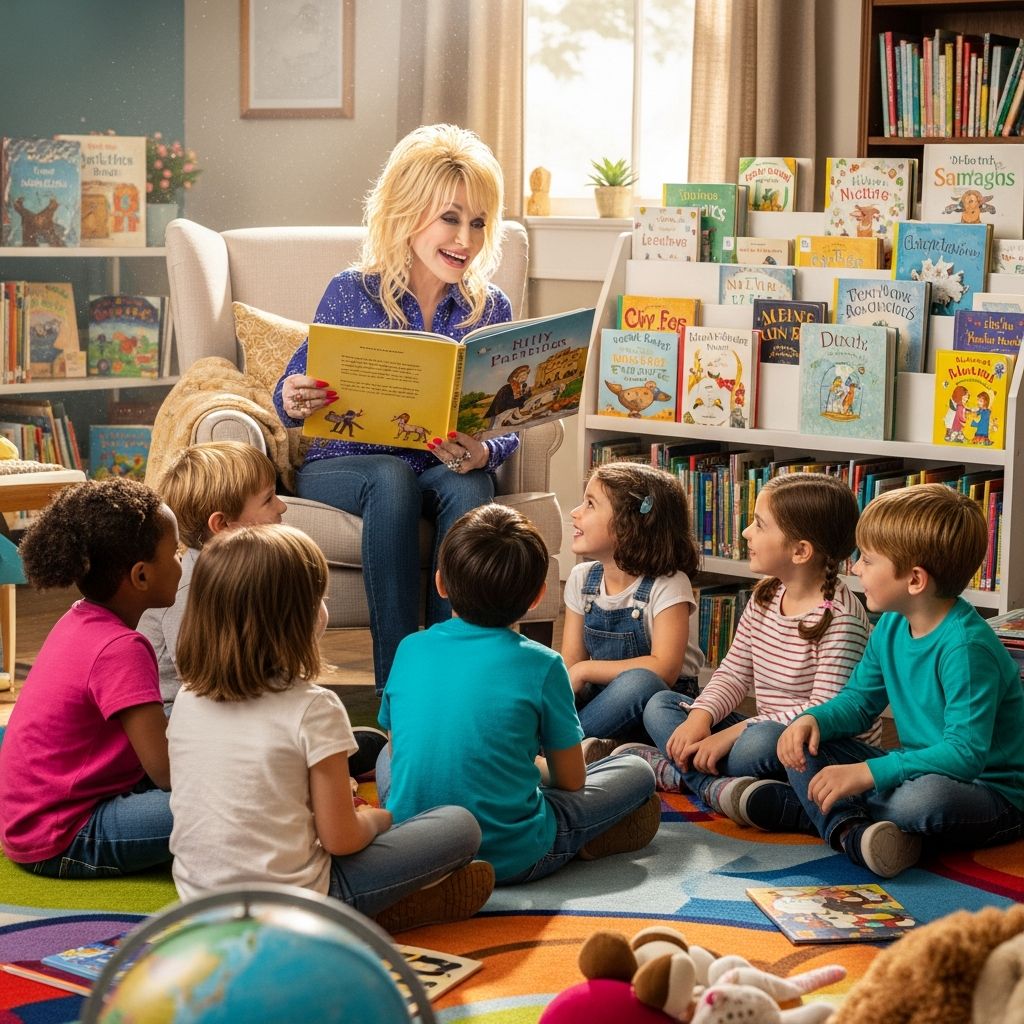
Books are one of the easiest tools for preparing toddlers for big life changes. Stories let children see families who look a bit like theirs go through the same transition, in a safe and predictable way. Pictures and simple plots help toddlers make sense of what a “new baby at home” actually means.
Instead of racing through the pages, treat each book as a conversation starter. Pause to ask what your child thinks the characters feel, point out small details in the pictures, and link parts of the story to your own family’s plans.
Types of Books That Help
- Everyday-life stories: Books that show ordinary routines like diaper changes, feeding, and naptime make the baby stage feel less mysterious.
- Feelings-focused books: Some stories focus on jealousy, worry, or mixed emotions about a sibling. These help toddlers see that “big feelings” are normal and can be handled.
- Interactive books: Flaps, textures, or simple questions on each page invite toddlers to stay engaged instead of passively listening.
- Positive big-sibling role books: Stories that show older siblings helping, teaching, and playing with the baby can plant hopeful images of their new role.
Simple Reading Rituals That Support Your Toddler
You do not need a huge library to make a difference. A few carefully chosen books, read again and again, are enough for most toddlers. Repetition lets them anticipate what happens next and gives many chances to ask questions.
- Read one “baby themed” book and one unrelated favourite each day to keep balance.
- Use your child’s name when you talk about the story, such as, “If you were the big sibling here, what would you do?”
- Keep a small basket of sibling books near the couch or nursing chair so your toddler can bring them to you when the baby is eating.
Before Baby: Laying the Emotional Groundwork
Preparation can start long before the new baby arrives. Small, consistent steps help your toddler adjust gently rather than all at once. Think of these months as a time to build understanding and confidence instead of trying to demand “good behaviour.”
Talking About the Baby in Toddler-Friendly Ways
Keep explanations short and concrete. Instead of long descriptions about pregnancy or birth, focus on what your toddler will actually see and feel. For example, talk about where the baby will sleep, how small the baby will be, and the sounds babies often make.
- Use simple phrases like “The baby will be very little and will need help eating and sleeping.”
- Invite questions at any time and accept “I don’t know” as a perfectly fine answer from your child.
- Use “our baby” or “your baby brother/sister” to create a sense of shared ownership and connection.
Practicing Gentle Touch and Baby-Safe Behaviour
Toddlers learn best through play. Instead of lecturing about “being gentle,” give your child chances to practice with dolls or stuffed animals. Show them how to touch softly, where babies like to be touched, and which actions are not safe.
- Demonstrate soft hands on a doll: slow strokes on the doll’s back or feet.
- Role-play unsafe actions in a playful way (like bouncing the doll too hard) and then gently correct them together.
- Use simple rules such as “We touch baby’s feet and back. Grown-ups lift baby.”
Adjusting Routines Before the Baby Arrives
Many families find it helpful to shift big changes, like moving a toddler from a crib to a bed or starting childcare, a few months before the baby arrives. Spacing transitions out reduces the feeling that “everything changed because of the baby.”
- If possible, complete major changes (room moves, daycare starts) at least several weeks before the due date.
- Keep familiar bedtime and mealtime patterns as steady as you reasonably can.
- Introduce new caregivers (grandparents, sitters) gradually so your toddler knows them before they step in more often.
After Baby Arrives: Balancing Needs
Once the baby is home, theory meets reality. It is normal for toddlers to test limits, cling more, or express strong feelings. Instead of aiming for perfection, focus on a few grounding habits that help your older child feel valued.
Creating Small Moments of One-on-One Time
Even short bursts of undivided attention can make a big difference. What matters to toddlers is not the length of the time but the feeling of your full presence. You can build these moments into your day in ways that work with infant care.
- Set a predictable “special time” once or twice a day, even if it is just ten minutes.
- Let your toddler choose the activity (blocks, drawing, reading, dancing) while you follow their lead.
- Use a short phrase like “This is our special playtime” so they can recognise and look forward to it.
Inviting Your Toddler to Help (Without Pressure)
Involving your toddler in baby care can turn potential rivalry into teamwork, as long as it remains optional and age-appropriate. The goal is to help them feel included, not responsible for the baby.
- Offer simple jobs: fetching a diaper, choosing the baby’s socks, or handing you a clean burp cloth.
- Notice and describe their efforts (“You brought the blanket. That helped baby stay warm.”) rather than piling on praise or expectations.
- Allow them to say “no” sometimes so helping feels like a choice, not a chore.
Handling Jealousy and Regression
Jealousy is a common and understandable response for toddlers. They may see adults fussing over the baby and wonder if there is enough love left for them. Regression—like wanting bottles again or asking to be carried constantly—is often a request for comfort, not misbehaviour.
Responding to Big Feelings
When your toddler acts out around the baby, it is tempting to react quickly and sharply. Instead, try to look beneath the behaviour to the feeling. Naming a child’s emotion does not encourage more drama; it shows them they are seen and understood.
- Use simple reflections such as “You wanted my lap and the baby is there. That is hard.”
- Set clear limits around safety (“I won’t let you hit. You can be mad, and we keep everyone safe.”).
- Offer a physical outlet for frustration, like stomping feet together, squeezing a pillow, or ripping scrap paper.
Supporting Regression Without Shame
If your previously independent toddler wants to be rocked again or asks for help with tasks they used to manage alone, see it as a signal that they need extra reassurance. Meeting this need gently now often helps them move forward more smoothly later.
- Build “baby time” into the day on purpose, such as wrapping them in a blanket and singing a lullaby, so they do not have to demand it with difficult behaviour.
- Avoid comparing them to the baby or to how “grown up” they used to be.
- Celebrate small steps back toward independence when they are ready.
Sample Daily Touchpoints That Strengthen Connection
Every family’s schedule looks different, but some predictable touchpoints can help your toddler feel anchored. The table below offers ideas you can adapt to your own routines.
| Time of Day | Connection Idea | How It Helps |
|---|---|---|
| Morning wake-up | Five minutes of snuggles or a silly song with just you and your toddler. | Starts the day with warmth and reassurance before baby-care tasks begin. |
| Baby feeding time | Special basket of books or toys only used while you feed the baby. | Helps your toddler build a positive association with times when your hands are busy. |
| Midday pause | Short “check-in walk” around the house or a snack shared at the table. | Gives a calm moment to reconnect and reset if behaviour has been tricky. |
| Evening wind-down | Simple bedtime routine with the same steps each night, even if shortened. | Predictability at bedtime can balance the unpredictability of life with a newborn. |
Choosing and Using Toddler-Friendly Sibling Books
Since books are such a powerful tool, it helps to think about how to choose and use them thoughtfully. You do not have to copy any single reading list; instead, focus on what fits your child’s age, temperament, and interests.
What to Look For in a Sibling Book
- Clear, simple language: Toddlers do best with short sentences and concrete ideas.
- Engaging illustrations: Bright, expressive faces and familiar settings keep their attention.
- Realistic but reassuring tone: Stories that admit siblings sometimes feel upset, but show safe ways to express it.
- Positive big-sibling identity: Books that refer to the older child as a “helper,” “teacher,” or “special big kid.”
Making Stories Personal
Reading becomes more powerful when the story world and the child’s life connect. During or after the book, draw gentle parallels to your family without forcing your toddler to agree or promise anything.
- Point to the older sibling in the book and say, “They are helping the baby. You might like to help sometimes too.”
- Ask open questions like “What do you think the big brother is feeling here?” and accept any answer.
- Invite your toddler to “tell the story” back to you in their own words, even if they just name pictures.
Encouraging a Growing Sibling Bond
Love between siblings does not appear instantly on arrival day; it grows through many small, shared moments. Some days those moments are tender and sweet, other days noisy and messy. The aim is not perfect harmony but a gradual, secure connection.
Simple Ways to Help Them Connect
- Invite your toddler to “introduce” favourite toys, songs, or books to the baby.
- Let your older child show the baby how to clap, roll a ball, or dance when the baby is developmentally ready.
- Take photos of them together in relaxed, ordinary moments and display them at your toddler’s height to reinforce the sense of “we belong together.”
Protecting Both Children’s Space
Along with encouraging closeness, it is important to protect each child’s individual needs. Toddlers still require time with their own toys, chances to play without interruptions, and clear rules about not disturbing the baby’s sleep or space.
- Create a small “toddler zone” where delicate or small toys live, away from the baby’s reach.
- Set simple house rules such as “Grown-ups move the baby; toddlers ask for help.”
- Offer quiet alternatives when the baby naps, like drawing, building blocks, or looking at books together.
Frequently Asked Questions
How early should I start preparing my toddler?
Preparation can begin as soon as you are ready to talk about the baby, but toddlers benefit most from a mix of early gentle mentions and more concrete explanations in the last few months. Very young children do not grasp long timelines, so repeating simple ideas closer to the due date is more useful than one big talk.
What if my toddler shows no interest in the baby or sibling books?
Some toddlers cope with change by ignoring it for a while. Offer books and chances to talk without forcing the topic. Continue to follow their lead in play and conversation; often, interest grows once the baby is physically present and part of daily life.
Is it wrong to feel that my patience is running out?
Caring for a newborn and a toddler at the same time is demanding, and feeling stretched does not mean you love either child less. Small acts of self-care, honest conversations with supportive adults, and lowering perfectionist expectations can all protect your energy and make it easier to respond calmly.
How can partners, grandparents, or friends help?
Other adults can be powerful allies in supporting your toddler. They can offer one-on-one outings, read sibling-themed books, and talk about how special the big sibling role is. Making sure your toddler hears the same reassuring messages from multiple trusted adults strengthens their sense of security.
What if my toddler hurts or tries to hurt the baby?
Your first priority is safety: stay close when both children are together, intervene quickly, and move the baby if needed. After everyone is safe, treat the incident as a sign of big feelings or curiosity rather than “meanness,” set clear limits (“I won’t let you hit”), and offer acceptable ways to show anger or request attention.
Bringing It All Together
Helping a toddler adjust to a new sibling is an ongoing process, not a single conversation or perfect book choice. Over time, simple rituals, gentle explanations, and many ordinary moments of shared family life add up. With patience and realistic expectations, your toddler can move from confusion and jealousy toward a proud, loving big-sibling identity.