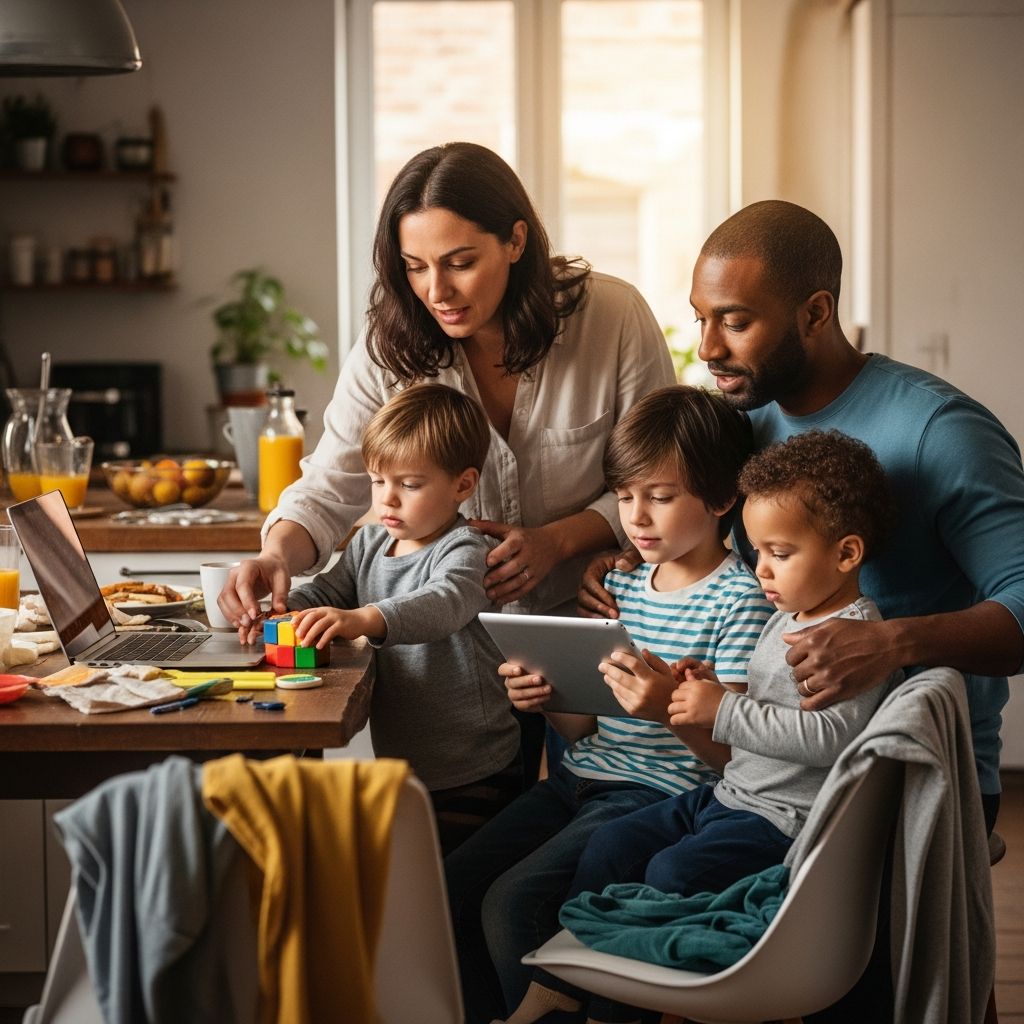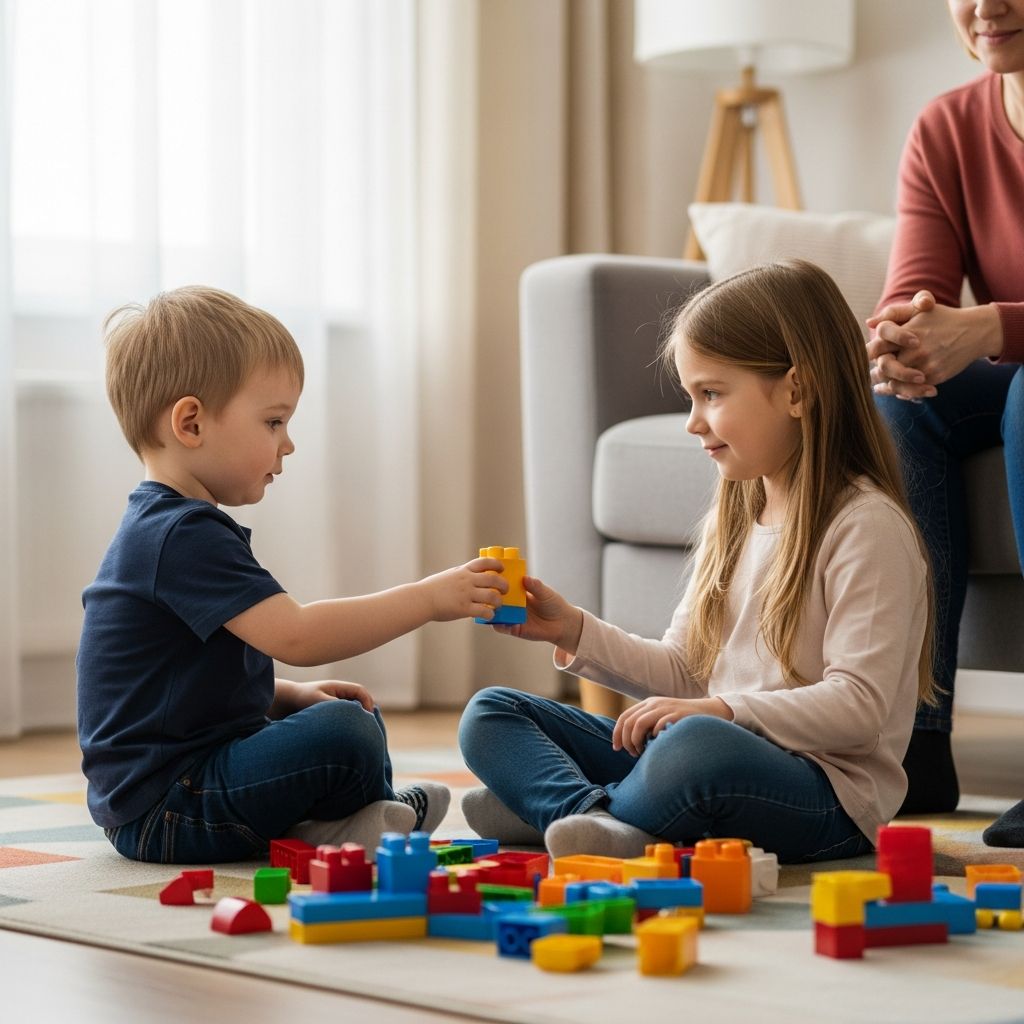
Sibling conflict is normal, but constant bickering does not have to be the soundtrack of your home. With clear guidance, realistic expectations, and practical communication tools, parents can help children move from fighting to problem-solving and connection.
Why Sibling Fights Feel So Intense for Parents
When children yell, hit, or slam doors, many parents feel triggered, guilty, or worried that something is deeply wrong with the family. It helps to remember that siblings are learning lifelong skills: how to stand up for themselves, how to handle frustration, how to negotiate, and how to repair after a disagreement. Your role is not to erase conflict, but to make it safer, calmer, and more respectful.
Instead of aiming for a perfectly peaceful home, aim for a home where kids can disagree without hurting each other physically or emotionally. That mindset shift reduces pressure on everyone and turns arguments into teachable moments instead of emergencies.
The Foundations of Peaceful Sibling Communication
Before expecting children to handle disagreements well, they need a few basic foundations in place. These are less about “fixing fights” and more about setting the stage for respectful communication.
- Emotional safety: Kids are more cooperative when they feel loved, seen, and accepted as they are.
- Predictable routines: Clear rhythms around sleep, meals, and screen time reduce the stress and hunger that often fuel explosions.
- Language skills: Children need simple phrases for expressing feelings, needs, and limits without attacking.
- Parental modeling: The way adults handle anger and disagreement becomes the children’s template.
When these foundations are nurtured over time, the intensity and frequency of sibling battles usually begin to soften, even before any special conflict-resolution technique is introduced.
Common Triggers Behind Sibling Fights
Many sibling arguments look petty on the surface—who sat where, who touched whose toy—but beneath them lie deeper needs. Understanding what might be driving the conflict helps parents respond with empathy rather than just punishment or lectures.
| Visible Behavior | Possible Hidden Need | Helpful Parent Response |
|---|---|---|
| Arguing over toys or space | Need for autonomy, control, or a sense of fairness | Teach turn-taking, choices, and clear family rules about belongings. |
| Teasing or name-calling | Bid for attention, belonging, or power | Set firm limits on language while giving attention for positive interactions. |
| Constant tattling on a sibling | Desire for validation, security, or fairness | Thank the child for sharing, then guide toward problem-solving rather than punishment. |
| Explosive reactions to minor issues | Accumulated stress, fatigue, or underlying worries | Focus on calming and connection first; address the issue later when everyone is regulated. |
| Refusing to share or cooperate | Fear of losing something special or feeling overlooked | Respect ownership while teaching generosity through choice, not force. |
Looking at the meaning under the behavior does not excuse hurtful actions, but it does guide you toward responses that build skills rather than just silence the outburst.
When to Step In and When to Step Back
Not every disagreement needs adult involvement. In fact, children gain confidence and problem-solving practice when they work out minor squabbles themselves. The key is knowing the difference between a typical conflict and a situation that requires your immediate support.
Step In Right Away When
- There is any physical aggression (hitting, kicking, biting, throwing objects).
- A child is being repeatedly targeted, bullied, or degraded.
- One child is much younger or more vulnerable and clearly overwhelmed.
- You sense genuine fear, panic, or ongoing distress.
Step Back and Observe When
- The conflict is mostly about words, eye-rolling, or mild irritation.
- Voices are raised but both children still seem relatively in control.
- They pause, negotiate, or switch topics without your help.
- You hear problem-solving attempts like “Let’s take turns” or “How about we…”
If you are unsure, stay nearby and listen without jumping in immediately. Often, just your calm presence is enough to keep things from escalating while you allow your children the dignity of trying to resolve it themselves.
A Simple Step-by-Step Framework for Mediating Fights
When siblings are stuck in a heated conflict, think of yourself as a calm coach rather than a referee. A referee takes sides and assigns blame; a coach helps everyone slow down, listen, and find a way forward.
- Ensure safety and calm the room.
Separate children gently if needed: “I won’t let you hurt each other. We’ll take a break to calm our bodies.” Avoid lectures in the heat of the moment; focus only on safety and de-escalation first.
- Invite each child to share their story.
Give each child uninterrupted time to speak: “Tell me what happened from your point of view.” Encourage simple feeling words like “mad,” “sad,” “left out,” or “frustrated.” Resist the urge to correct their version; just listen.
- Reflect feelings and needs.
Show each child they have been heard: “You wanted to keep building your tower and felt really upset when it got knocked down.” This lowers defensiveness and prepares them to listen to each other.
- Help them hear each other.
Ask each child to repeat, in their own words, what the other sibling just expressed: “Can you tell me what your brother was feeling?” This builds empathy and reduces the urge to attack.
- Guide them toward solutions.
Invite ideas from the kids first: “What could we do now so this feels fair enough to both of you?” Offer options only if needed—sharing, taking turns, playing separately, or resetting the game—but let them choose the final plan when possible.
- End with a brief repair ritual.
Encourage a small act of repair, such as a sincere “I’m sorry I yelled,” an offer to rebuild together, a gentle hug, or simply agreeing to try again. The goal is not forced forgiveness but a sense that the relationship has been mended.
This framework will feel slow at first, but over time children begin to internalize the steps: pause, express, listen, and problem-solve. Eventually they start using pieces of the process without prompting.
Teaching Kids to Use Respectful Words
Children often resort to screaming or name-calling simply because they do not yet know what else to say. You can give them a simple “communication toolkit” to use with siblings.
Useful Phrases Kids Can Learn
- “I feel ___ when you ___.”
- “Please stop. That doesn’t feel good to me.”
- “Can I have a turn when you’re done?”
- “Let’s make a plan so we can both use it.”
- “I need some space right now.”
Practice these sentences during calm moments—at the breakfast table, in the car, or as a family game. The more children rehearse them when they are relaxed, the likelier they are to remember them when emotions run high.
Preventive Strategies: Setting Up Your Home for Less Conflict
While no home can completely avoid sibling clashes, certain proactive habits dramatically reduce how often and how intensely children fight. Think of these as “peace-building routines” rather than one-time fixes.
- One-on-one time: Regular individual time with each child (even 10–15 minutes) reassures them they do not have to compete for your attention.
- Clear family rules: A few simple rules—no hitting, no insults, ask before using someone’s things—give you a consistent reference point when conflict arises.
- Spaces and ownership: Designate some toys or items as “shared” and some as “special” to reduce confusion and resentment.
- Screen and transition management: Many blow-ups start around screen time, bedtime, or leaving fun activities. Prepare children in advance for transitions instead of surprising them.
- Encouraging teamwork: Plan cooperative activities such as building a fort, cooking together, or caring for a pet to strengthen the “we” feeling between siblings.
The more your family invests in these daily habits, the less often you will find yourself scrambling to break up explosive arguments.
Staying Neutral Without Being Passive
Many parents vacillate between jumping in as a strict judge and backing off completely. There is a middle path: staying neutral while still being firmly on the side of safety and respect.
Being neutral means refusing to label one child as “the problem” and the other as “the good one.” Instead, you address the behavior: “I won’t allow name-calling” or “Everyone gets to feel safe here.” Over time, this prevents siblings from being pushed into rigid roles like “the bully” or “the victim,” which can harden resentment on both sides.
When Sibling Conflict Is Not Just a Phase
Occasional shouting, door-slamming, and storming off are common in most families. However, there are situations when outside support can be very important. Trust your instincts and seek professional guidance if any of the following are present:
- Frequent, serious physical aggression or threats of harm.
- Ongoing bullying, social isolation, or humiliation of one child by another.
- Significant changes in sleep, appetite, or mood in any child linked to sibling issues.
- Family stressors such as divorce, illness, or trauma that intensify conflicts.
Support could come from a pediatrician, family therapist, school counselor, or local parenting program. Asking for help is a sign of commitment to your children’s well-being, not a sign of failure.
Frequently Asked Questions About Sibling Fights
1. Should I always find out who started it?
In most cases, focusing on “who started it” keeps everyone stuck in blame and defensiveness. It is more effective to address what is happening now: “Both of you are shouting and grabbing—this isn’t safe or respectful.” Once everyone is calm, you can talk about choices each child made and what they might do differently next time.
2. Is it ever okay to separate siblings for a while?
Yes. Short periods of space can be very healthy, especially for children who trigger each other easily. The key is to frame it not as punishment for the relationship but as support for their nervous systems: “You’re both very upset. Let’s take a break in different rooms and we’ll talk again when everyone’s body feels calmer.”
3. How do I handle a child who always seems to “give in” to keep the peace?
Some children avoid conflict at all costs and quietly feel resentful or powerless. Teach this child that their needs matter, too. Practice assertive phrases like “I’m not okay with that” or “I need a turn as well,” and step in to support them until their confidence grows. Make sure they know that peace in the family should not depend on them always sacrificing their preferences.
4. What if my kids are very different in age?
When there is a big age gap, expectations must be adjusted. Older children can be encouraged to use more advanced self-control, while younger ones need simpler guidance and more supervision. Avoid expecting an older sibling to “parent” the younger one; instead, invite them to be a mentor, partner, or teammate, always with you as the ultimate adult in charge.
5. Can rewards or punishments make them get along better?
External rewards may create short-term politeness, and harsh punishments may temporarily silence conflict, but neither approach usually builds the inner skills needed for real cooperation. Focusing on connection, communication tools, and consistent boundaries takes longer but leads to more authentic, lasting change in how siblings relate to each other.
Bringing It All Together in Everyday Life
Helping siblings communicate peacefully is not a one-time conversation or a clever script; it is a slow, steady shift in how your family handles emotions, differences, and power struggles. Some days you will stay calm and coach beautifully. Other days you may yell or feel overwhelmed. That is part of the process.
Each time you pause before reacting, choose to listen before judging, or help your children repair after a fight, you are teaching them that relationships can survive conflict and even grow from it. Over the years, the skills you practice together—empathy, assertiveness, and problem-solving—will serve your children not just with each other, but in friendships, school, work, and their own families someday.