Helping young children adapt to wearing face masks can transform a challenging task into a seamless part of daily routines. Drawing from child development experts, this guide offers fresh, engaging approaches tailored to different ages, emphasizing fun, patience, and positivity to foster acceptance.
Understanding Age-Appropriate Mask Guidelines
Face masks serve as a key tool in preventing germ spread, but their use varies by age to prioritize safety. Infants under 2 years should never wear masks due to suffocation risks; instead, focus on exposure. For children 2 and older, masks become feasible with proper introduction, covering nose and mouth securely from ear to ear.
| Age Group | Recommended Approach | Key Considerations |
|---|---|---|
| 0-2 years | Normalization through observation | Avoid direct wear; use play to familiarize |
| 2-4 years | Play-based practice and choice | Short sessions, fun designs, rewards |
| 5+ years | Explanation and responsibility | Teamwork emphasis, longer wear times |
This table outlines core strategies, ensuring parents match methods to developmental stages for optimal results.
Building a Positive Foundation with Simple Explanations
Start conversations with clear, non-frightening language to demystify masks. Tell toddlers, ‘Masks are like shoes for the store—they keep everyone healthy by holding in our germs.’ This concrete analogy resonates, framing masks as everyday rules rather than threats.
For preschoolers, expand to mutual protection: ‘Your mask keeps my germs away, and mine keeps yours away—we’re a team!’ Encourage questions, answering honestly yet reassuringly, like explaining healthcare workers’ masks protect patients. Avoid scary details; focus on empowerment through small actions alongside handwashing.
Leveraging Role Modeling for Natural Acceptance
Children mimic adults and peers, making parental demonstration powerful. Wear your mask at home during casual activities, inviting kids to snap selfies or video call masked family members. This normalizes the sight, reducing novelty-induced resistance.
- Put on your mask while cooking or reading, narrating casually: ‘I’m wearing mine to stay healthy—want to see?’
- Involve siblings or friends in group mask-wearing playdates to harness social influence.
- Demonstrate proper handling: Wash hands before/after, touch only edges when removing.
Consistent modeling builds subconscious comfort, often leading kids to request their own masks.
Transforming Resistance into Fun Through Play
Play is toddlers’ primary learning language, ideal for mask introduction. Begin with toys: Dress stuffed animals or dolls in mini-masks, staging store trips or doctor visits where characters ‘help friends stay healthy.’ Praise the toys effusively to associate positivity.
Escalate to interactive games:
- Peek-a-boo with masks, revealing faces for giggles.
- Superhero dress-up incorporating masks as ‘power gear.’
- Coloring sheets of characters in masks, customizing with stickers.
Pretend scenarios like grocery shopping prepare real outings: ‘Time to grab our cart and masks!’ This gradual immersion processes emotions playfully, easing transitions.
Empowering Choice and Customization
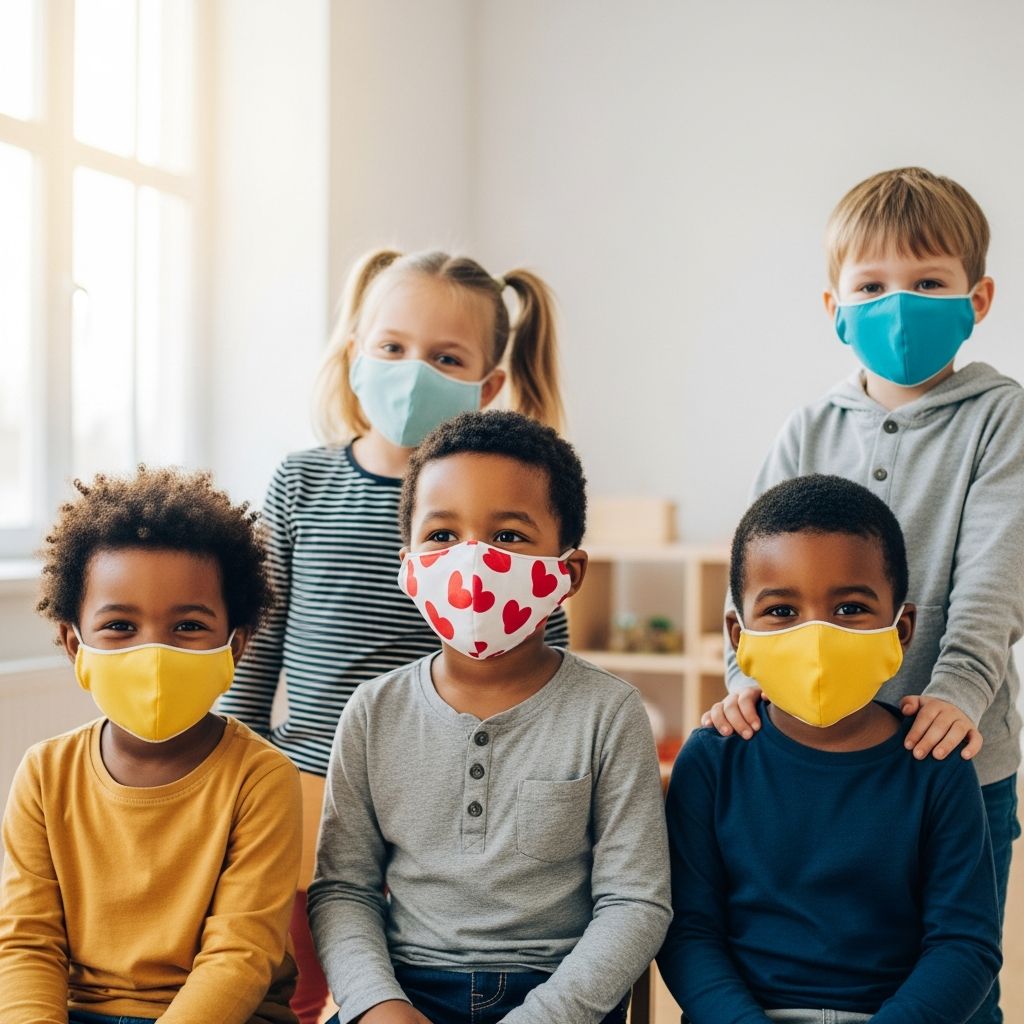
Let children select masks featuring beloved characters, colors, or themes, boosting ownership. Fabric options with sports teams or animals make wear appealing. For creativity, provide plain masks for decoration with fabric markers or iron-on patches.
Stock a ‘mask station’ at home with 3-5 options, rotating to maintain excitement. Pair with mirrors for ‘dress-up’ views, turning application into a fun reveal.
Mastering Gradual Practice Techniques
Avoid first-time public trials; build tolerance stepwise at home. Use a structured progression:
- Touch and hold: Praise handling the mask like a toy. Reward with stickers.
- Face contact: Gently place against cheeks/nose without securing, playing ‘touch tag.’
- Short wear: 1-2 minutes during TV time or snacks, extending as comfort grows.
- Activity integration: Mask on for play, walks, then errands.
Track progress visually with a sticker chart, celebrating milestones like ’10-minute hero!’ Consistency forms habits; preview outings in advance for mental prep.
Positive Reinforcement and Reward Systems
Rewards motivate without bribery when tied to effort. Offer choices: extra story time, small treats, or play extensions post-wear. Verbal praise shines brightest—’You kept your mask on like a champ, protecting our family!’
For challenges, distract with songs, countdowns, or toys during wear. If removal occurs, calmly reapply without frustration, modeling patience.
Addressing Common Hurdles by Age
Infants and Toddlers (0-2 Years)
Peek-a-boo and parental modeling suffice; never force coverage. Sing songs while masked to link positively.
Preschoolers (2-4 Years)
Play dominates; use books with masked protagonists to reinforce. Short, rewarded sessions prevent overwhelm.
School-Age (5+ Years)
Discuss community benefits: ‘Masks help friends at school stay well.’ Involve in mask care routines for responsibility.
Practical Mask Hygiene and Fit Tips
Teach secure fit: Nose wire molded, no gaps, multi-layer fabric. Demonstrate removal from behind, immediate washing post-public use. Store in breathable bags, labeled per child.
- Handwash before/after wear.
- Avoid touching front.
- Rotate clean masks daily.
Comfortable fits reduce fiddling; adjustable ear loops or ties excel for growing faces.
Frequently Asked Questions (FAQs)
What if my child keeps pulling off the mask?
Revert to shorter practice; use distractions like toys or praise focus. Gradually extend time as tolerance builds.
Are masks safe for active play?
Yes for supervised short bursts; remove for vigorous activity to avoid slips. Supervise closely.
How do I handle tantrums over masks?
Stay calm, validate feelings: ‘It’s tricky, but we’ll practice together.’ Use play resets.
Can rewards backfire?
Not if phased out post-habit formation; prioritize intrinsic praise long-term.
What about kids with sensory issues?
Slower steps, soft fabrics, visual schedules. Consult pediatric therapists if persistent.
Long-Term Strategies for Sustained Compliance
Integrate masks into routines like backpacks or coat hooks. Group activities normalize peer wear. Monitor evolving guidelines from health authorities, adapting as needed. Patience yields confident wearers, safeguarding health collectively.
References
- Helping Kids Get Used to Seeing and Wearing Masks — Nationwide Children’s Hospital. 2020-05-01. https://www.nationwidechildrens.org/family-resources-education/700childrens/2020/05/helping-kids-get-used-to-seeing-and-wearing-masks
- 5 Ways to Get Young Kids to Wear Face Masks — Michigan Medicine, University of Michigan. 2021-08-15. https://www.michiganmedicine.org/health-lab/5-ways-get-young-kids-wear-face-masks
- A Toolkit For Helping Your Child Wear A Mask During COVID-19 — University of Rochester Medical Center. 2020-06-10. https://www.urmc.rochester.edu/strong-center-developmental-disabilities/resources/masks-toolkit
- Mask Up! Tips to Make Kids More Comfortable With Masks, Broken Down by Age — Connecticut Children’s. 2021-01-20. https://www.connecticutchildrens.org/growing-healthy/mask-tips-make-kids-more-comfortable-masks-broken-down-age
- Masks For Kids: What You Should Know — Just 4 Kids Health (Pediatric Group). 2022-03-05. https://just4kidshealth.com/masks-for-kids-what-you-should-know/