Anxiety affects many children, manifesting as excessive worry, fear, or avoidance of everyday situations. Parents play a pivotal role in helping kids navigate these emotions by providing tools for coping and fostering resilience. This guide draws from expert recommendations to offer practical steps for soothing children while addressing parental stress.
Recognizing Signs of Anxiety in Children
Children may show anxiety through physical symptoms like rapid heartbeat, stomachaches, or restlessness, or behavioral changes such as clinging, irritability, or refusal to participate in activities. Identifying these early allows for timely intervention. According to health experts, common triggers include school pressures, social interactions, or changes in routine.
Validating a child’s feelings is crucial—dismissal can heighten distress. Instead, acknowledge their experience: “I see you’re feeling scared, and that’s okay.” This builds trust and opens dialogue.
Breathing Techniques for Immediate Relief
Deep breathing calms the nervous system by increasing oxygen flow and reducing heart rate. Teach children belly breathing: place a hand on the stomach, inhale slowly through the nose for five counts (imagining inflating a balloon), hold briefly, then exhale through the mouth for five counts.
- Make it fun: Pretend to smell flowers on inhale and blow out candles on exhale.
- Practice daily: During calm moments to build habit.
- For younger kids: Use guided imagery like blowing up a balloon in the tummy.
Studies show this technique lowers stress levels quickly, making it ideal for acute anxiety episodes.
Reframing Thoughts to Challenge Fears
Anxious thoughts often exaggerate dangers, like “I’ll fail everything.” Guide children to question these: “Has this happened before? What helped last time?” This cognitive shift promotes realistic thinking.
Encourage positive self-talk: Replace “I can’t do this” with “I can try my best.” Praise efforts over outcomes to boost confidence. Parents should model this by verbalizing their own coping strategies.
Building Healthy Daily Routines
Consistent habits stabilize mood. School-aged children need 9-12 hours of sleep nightly; teens 8-10 hours. Establish bedtime routines without screens to improve rest quality.
| Habit | Benefits | Tips for Implementation |
|---|---|---|
| Physical Activity | Reduces tension, releases endorphins | 1 hour daily: walks, bike rides, play |
| Balanced Nutrition | Steadies energy, supports brain health | Regular meals, limit sugar/caffeine |
| Sleep Hygiene | Regulates emotions | No screens 1 hour before bed, consistent schedule |
| Limited Media | Prevents overstimulation | Family media plan, avoid scary content |
These routines, recommended by pediatric experts, form a foundation for emotional regulation.
Creating a Supportive Home Environment
Dedicate distraction-free one-on-one time daily, even 10 minutes, for connection through shared activities like drawing or gardening. This strengthens bonds and reassures children.
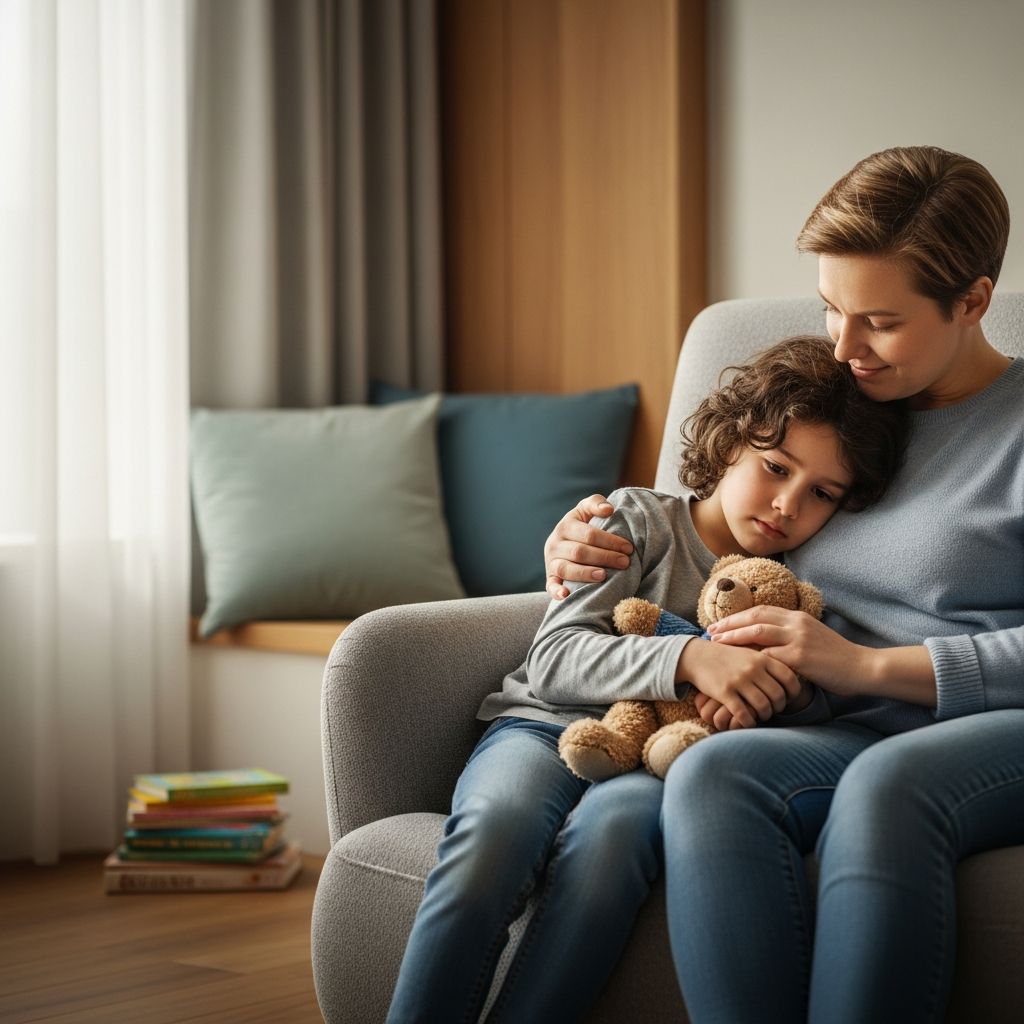
During anxiety peaks, stay nearby without over-accommodating—offer physical comfort if welcome, like holding hands, and remind them feelings pass like waves. Avoid rescuing; encourage facing fears gradually to build tolerance.
Distraction and Positive Focus Activities
Redirect attention to pleasant tasks: Ask about dinner preferences or play spotting games en route to stressful places. For ongoing calm, curate a “feel-good list”:
- Exercise or walks
- Fidget toys or puzzles
- Creative outlets like drawing
- Journaling worries
- Favorite low-key shows or chats with friends
These empower children and shift focus from fears.
Boosting Confidence Through Challenges
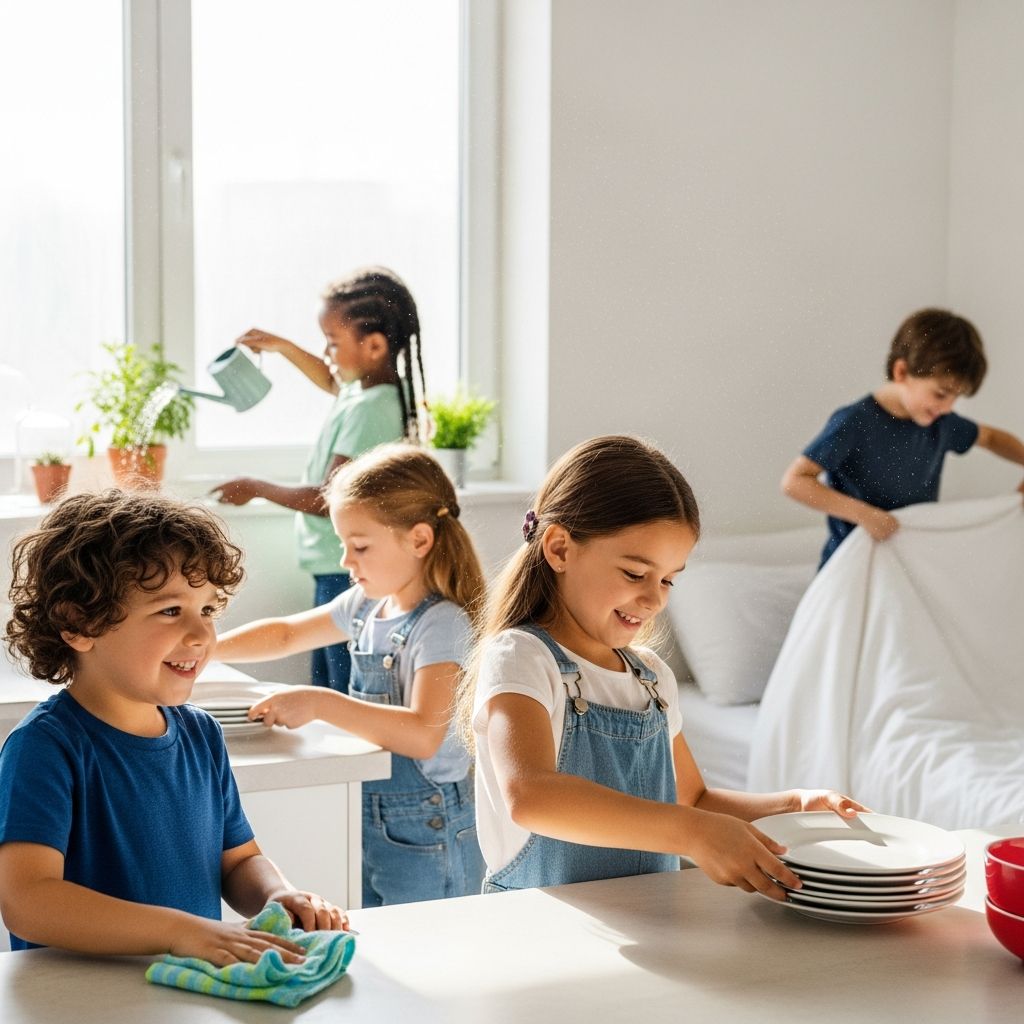
Assign age-appropriate chores or new tasks to foster competence. Praise process: “You kept trying—that’s awesome!” Reflect on past successes: “Remember when you overcame that?” This counters helplessness.
Break big tasks into steps with rewards for progress, reinforcing resilience over perfection.
Parental Self-Care: Managing Your Own Anxiety
Parents’ stress amplifies children’s. Practice your own breathing, seek support, and model acceptance: “It’s okay to feel worried sometimes.” Programs training parents in coping skills reduce family anxiety effectively.
Communicate confidence in your child’s abilities, using calm non-verbals—children notice these cues keenly.
When to Seek Professional Help
If anxiety persists, disrupts daily life, or includes intense fears, consult professionals. Cognitive Behavioral Therapy (CBT) helps 50% of children; parent training enhances outcomes. Look for signs like prolonged avoidance or physical symptoms.
Resources from NHS suggest starting with open talks and relaxation; escalate if needed.
Frequently Asked Questions (FAQs)
What if my child refuses breathing exercises?
Start small during play, make it a game, and practice when calm. Consistency builds familiarity.
How much screen time is okay?
Create a family plan limiting recreational screens, especially violent content, to 2 hours daily max.
Can anxiety be outgrown?
With support, many learn to manage it; early intervention prevents escalation.
What’s the role of diet in anxiety?
Stable blood sugar from balanced meals supports mood; avoid excess caffeine/sugar.
How do I handle school refusal?
Validate fears, break the morning into steps, use positive reinforcement, and consult school if ongoing.
References
- Parenting: How To Help Your Anxious Child — UNICEF USA. 2023. https://www.unicefusa.org/what-unicef-does/parenting/mental-health/anxiety
- Helping children manage anxiety – Mayo Clinic Health System — Mayo Clinic Health System. 2023. https://www.mayoclinichealthsystem.org/hometown-health/speaking-of-health/9-tools-for-helping-your-child-manage-anxiety
- Help Your Child Manage Anxiety: Tips for Home & School — American Academy of Pediatrics (healthychildren.org). 2023. https://www.healthychildren.org/English/family-life/family-dynamics/Pages/help-your-child-manage-fears-and-anxieties.aspx
- Supporting A Child With Anxiety | Tips and Advice — YoungMinds. 2023. https://www.youngminds.org.uk/parent/parents-a-z-mental-health-guide/anxiety/
- To help an anxious child, start with their parents — MedlinePlus Magazine (NIH). 2023. https://magazine.medlineplus.gov/article/to-help-an-anxious-child-start-with-their-parents
- Anxiety in children – NHS — National Health Service (NHS). 2023. https://www.nhs.uk/mental-health/children-and-young-adults/advice-for-parents/anxiety-in-children/
- Raising Resilience: 25 Tips for Parenting Your Child with Anxiety — International OCD Foundation. 2023. https://iocdf.org/expert-opinions/raising-resilience/